#224 How to Remove Toxins, Boost Glutathione & Reverse Cellular Aging With Dr. Chris Shade
The Longevity & Lifestyle podcast
The Longevity & Lifestyle podcast
The Longevity & Lifestyle podcast

Episode 224
Sign up for
The Longevity & Lifestyle Insider
Join Claudia's Longevity & Lifestyle Insider newsletter to get top tips, insights and strategies on optimizing your life, health and business!
By signing up, you agree to join the Longevity & Lifestyle newsletter and to receive emails. We respect your privacy and abide by strict privacy policies.


“We do all these things and all these supplements and we're moving all these needles, but if you can't get your mind straight and your nervous system straight, there's very little you can do to override that… Getting yourself to a calm acceptance of things and understanding what the ego is… That’s the strongest thing that you can do for your long-term" - Dr. Chris Shade
Brain fog. Fatigue. Anxiety. Hormonal chaos.
For millions, these symptoms aren’t just “stress”, they’re signs of toxic overload.
In this episode, Dr. Chris Shade, founder of Quicksilver Scientific and one of the world’s leading experts on mercury and detoxification, reveals how environmental toxins, heavy metals, and everyday exposures are quietly disrupting your mitochondria, hormones, and brain — and what you can do to reverse it.
This isn’t another “detox fad.” It’s cutting-edge biochemistry meets practical longevity science from the man who helped Tony Robbins recover from severe mercury toxicity.
Dr. Shade shares how to safely clear toxins, repair your mitochondria, and reignite your body’s natural longevity systems without wrecking your energy in the process.
Together, we explore:
◼️ The truth about mercury, heavy metals & how they destroy energy and focus
◼️ The link between toxins, inflammation, and accelerated aging
◼️ Glutathione: the “master antioxidant” and anti-aging molecule explained
◼️ How stress blocks detox pathways and why calm equals longevity
◼️ The 3-step detox process: Drain, Move, Bind
◼️ Practical daily habits to support liver, bile, and mitochondrial health
◼️ The role of peptides, saunas, and bitters in next-generation detox protocols
Tune in!
ABOUT THE EPISODE & OUR GUEST
Get $300 off the Juvent Micro-Impact Platform at juvent.com/CLAUDIA
and check out with code CLAUDIA.
Get 20% off your first membership order at pendulumlife.com/CLAUDIA20, your discount applies automatically.
Get $300 off from Oct 17 – Dec 26, 2025, with code CLAUDIA, and enjoy an ongoing $100 off afterward.
Visit carolbike.com/claudia and use code CLAUDIA at checkout.
SPONSORS
Unlock peak energy, mental clarity, and long-term health.
If you’re an entrepreneur, leader, or high achiever who refuses to settle for burnout, fatigue, or suboptimal health - this is for you.
I help top performers optimize their energy, longevity, and success using science-backed strategies, biohacking, and personalized health protocols.
Book a Complimentary Peak Performance & Longevity Coaching Call
This free exploratory session will help you:
• Identify what’s holding you back from your highest potential
• Gain clarity on your energy, focus, and longevity goals
• Discover a proven framework for sustainable high performance
Spots are limited - apply now to reserve your session.
🔗 APPLY HERE
Peak Performance & Longevity Coaching Call
Show Notes
00:00 Intro Dr. Chris Shade
09:47 Understanding Mercury and Its Impact
18:57 Detoxification and Longevity
28:06 Practical Detox Strategies
28:28 Detoxification Myths and Realities
31:01 The Power of Glutathione
35:09 Daily Detox Practices and Recommendations
38:49 Integrating Detox into Lifestyle
44:21 Detoxification and Brain Health
49:59 Future of Detox and Longevity
PEOPLE mentioned
Products Mentioned
MORE GREAT QUOTES
“Mercury goes to the brain and it goes to the glutamate receptors… The mercury cranks up that glutamate side. And when you're hypervigilant all the time, what does that look like? Anxiety. Because that is, yeah, it goes from being on it to being anxious. So anxiety, and then the mercury is getting into the mitochondria and blowing out the ability of the mitochondria to make ATP correctly.” - Dr. Chris Shade
“Fast forward all the research that we know now, these mechanisms — well, the toxins are aging you prematurely, and the mechanisms for getting them out are anti-aging you. And so detoxification is a core central pillar of anti-aging medicine.” - Dr. Chris Shade
Legal Disclaimer: Please note, to avoid any unnecessary headaches, Longevity & Lifestyle LLC owns the copyright in and to all content in and transcripts of The Longevity & Lifestyle Podcast, with all rights reserved, as well as the right of publicity. You are welcome to share parts of the transcript (up to 500 words) in other media (such as press articles, blogs, social media accounts, etc.) for non-commercial use which must also include attribution to “The Longevity & Lifestyle Podcast” with a link back to the longevity-and-lifestyle.com/podcast URL. It is prohibited to use any portion of the podcast content, names or images for any commercial purposes in digital or non-digital outlets to promote you or another’s products or services.
PODCAST EPISODE TRANSCRIPT
Claudia von Boeselager: Welcome to another episode of the Longevity and Lifestyle Podcast. I'm your host, Claudia von Boeselager. I'm here to uncover the groundbreaking strategies, tools, and practices from the world's pioneering experts to help you live your best and reach your fullest potential. Don't forget to subscribe to the podcast to always catch the latest episodes.
Legal Disclaimer: Please note, to avoid any unnecessary headaches, Longevity & Lifestyle LLC owns the copyright in and to all content in and transcripts of The Longevity & Lifestyle Podcast, with all rights reserved, as well as the right of publicity. You are welcome to share parts of the transcript (up to 500 words) in other media (such as press articles, blogs, social media accounts, etc.) for non-commercial use which must also include attribution to “The Longevity & Lifestyle Podcast” with a link back to the longevity-and-lifestyle.com/podcast URL. It is prohibited to use any portion of the podcast content, names or images for any commercial purposes in digital or non-digital outlets to promote you or another’s products or services.
PODCAST EPISODE TRANSCRIPT
Claudia von Boeselager (03:56)
Welcome to the Longevity and Lifestyle podcast, Dr. Shade. It's such a pleasure to have you with us today.
Christopher Shade (04:01)
Thank you, Claudia. Happy to be here.
Claudia von Boeselager (04:02)
So excited. So I've heard so much about you from so many different people, including going way back from Tony Robbins telling about him all of a sudden being on stage, having mercury toxicity in his brain, lack of cognition and them seeking you out. But I'd love to start with your journey and how you became so curious from growing up in a toxic environment, a steel town, to wanting to understand better how the environment impacts our health. So maybe we can start there today.
Christopher Shade (04:29)
Yeah, know, I say you need credentials, you know, and I have a PhD and I did all this naturopath training and stuff, but you need street cred, know, street credibility. And so, you know, I came from Bethlehem and that wasn't a holy town, it was a steel town. you know, grew up every day with these big clouds of these metal dust plumes in the sky and very generous dentists who gave me 17 mercury.
silver amalgams despite having maybe one or two cavities. And so that was my credibility, you know, and I grew up with that stuff and ⁓ I was new, something was a little off and you know, I got into college and then I, I sort of had the spiritual awakening, know, psychedelics do that to you. And long before it was cool to do that, you know, was a tune in, turn on, drop out days. And, and all of sudden I was into,
Claudia von Boeselager (05:10)
Yeah, and that helped.
Christopher Shade (05:19)
natural health and environment. became an organic farmer, actually. I was an organic biodynamic farmer before there was USDA Organic. was NOFA certified, Northeast Organic Farming Association. And I really got into this clean environment, clean health. I joke that I went out of business as an organic farmer, that your Whole Foods was formed. It was a little early for that. And then I went to Rodale Institute, which was like a, that were research around organic farming.
They would say healthy soil, healthy food, healthy people, and so I into all that. And eventually I switched over into looking at environmental toxins. I did the PhD on mercury as a toxin in the environment, patented specialized testing to look at the difference between.
How much of your mercury is from dental amalgams versus the fish you eat? And started the company, Quicksilver Scientific, based on that. Quicksilver, you know, as a European, is the old word for mercury, means liquid silver. And ironically, in German, it's quacksilber. And the original word for quack, was, the...
The term quack was coined by Paracelsus for doctors who used mercury in medicine. fast forward to 20 years ago, they had Quack Watch, it was about outing people who thought mercury was a toxin. But anyways, I started the company based around the testing. then I saw, I got to solve the problem too, and got into how do we naturally get mercury out of the body? Because I, you know,
rushed headlong into it got 17 amalgams out in one sitting started taking all this DMS and I thought I would just measure all the mercury coming out in the urine but nothing's really coming out there's like a little more when you take the key later but not a lot and so I just keep taking more and more and more until it's just wasted out my whole body because my drainage pathways weren't up.
liver wasn't moving stuff out, the kidneys weren't moving stuff out. So I wasn't, I was taking key layers, but I wasn't really measuring it in the urine. It was just all stirring around. And I just got so sick from doing that. And then I was watching all these functional medicine meetings in Boulder and I was seeing like Nigel Plummer, was the original probiotics guy and Bob Roundtree all talking about these, know, GI health and liver GI connections and up regulating that. And I was like,
wait a second, what am I doing? Why am I putting this all through the kidneys? Let me pull it off the liver and open up liver pathways. I fixed myself in no time making this binder, a specific, you know, was like one little hundred milligram spoon of this was equal to the binding and 90 chlorella that that was what people used to take them. And that just opened everything up.
Claudia von Boeselager (07:59)
Well.
Christopher Shade (08:00)
and got me better really quick. And then I was like, I had to figure out why that worked. And at the same time, I got the attention of Hal Huggins and Dietrich Klinghardt. These are the old guard of mercury detox. And they started using that. I figured out that it was glutathione system processes. And then I had to get glutathione into the body.
And people were doing injections and capsules wouldn't work because you break them down. And so I got onto these things, liposomes and these delivery systems that make these nutrients absorb directly into the body.
and make them bioavailable so they would go right in and you know, we got them so they would go and peek in the blood in 20 to 30 minutes. And first it was glutathione and vitamin C and then we started doing some neurological stuff like GABA and CBD. Then we moved, you know, broadened out detox into all things, not just metals. And then we got into immune, we got into cardio metabolic health, we got into longevity, which is, you know, where we're talking about now. you know, I was joking
that when I started in going to A4M, the ultimate longevity conference that was in 2009 or 10, and I thought, oh, the detox guy's just taking the trash out and all the sexy stuff up front, the stem cells and the hormones and stuff. But fast forward all the research that we know now, these mechanisms, well, the toxins are aging you prematurely, and the mechanisms for getting them out are anti-aging you. And so detoxification is a
core central pillar of anti-aging medicine. And so now we apply those delivery systems to bring both clean up stuff and bring up the mitochondria, turn up signaling for youth. And it's been a great ride and I love doing it because it keeps me up.
Claudia von Boeselager (09:47)
Amazing. Thank you so much for sharing that incredible story and we're going to unpack lots of ⁓ pieces in there. Starting with looking at mercury in depth. I'd really love to dig into this. You're my first guest and the world's leading expert on this as well, obviously. And we know that the World Health Organization ranks mercury as one of the top three chemicals of public health concern and estimates that 19 million people globally, including children, are at risk from methylmercury exposure.
So when you talk about toxins,
millions at risk, mercury is top three. Yet most people don't feel an immediate danger, right? So it's not something that you notice straight away. From your research, what are some of the early signs or hidden biomarkers that someone's toxin load is starting to outpace their body's ability to cope? And what impact does it have on longevity? Maybe you can expand on that.
Maybe you can share a story as well.
Christopher Shade (10:39)
or, you know, I laughed during that because they're like at risk of methylmercury exposure. And so different forms of mercury, got methylmercury coming from fish and you have inorganic mercury coming from your dental amalgams. Your dental amalgams are metallic mercury and one, they're rusting a little bit and you're swallowing that. It's going through your GI and it's blocking liver GI pathways and impeding detoxification.
But the other form, the vapor is coming off of it and you're inhaling that right into the blood and it circulates around it can go wherever it want, go into the brain, go into the joints and then it rusts and sticks into this inorganic mercury form and sticks in. at a cellular level, it's much more toxic than methylmercury. Methylmercury, its problem is it's highly bioavailable and it gets across the blood brain barrier. And you see with the Tony Robbins case, that was distinctly a methylmercury exposure.
But if you look around the globe, the real risk is the elemental mercury in the dental amalgams becoming inorganic mercury. And that's through dentistry all across the world. And it's actually getting banned in all kinds of countries right now. There's a guy named Charlie Brown, ironically, like the peanut. Great lawyer, and he's been spearheading getting a...
mercury removed from dentistry around the world. And so I just want to put that in there because I think it's a bigger risk to the world. But one of these early.
Claudia von Boeselager (12:07)
What can I ask a quick question on
that, Dr. Shay? What proportion would you say is from dental amalgamins versus mercury from fish or other environmental toxins? Would you say 60, 70 percent?
Christopher Shade (12:16)
I
mean the problem is none of it means from dental amalgams. Well some of it residual you but I don't have the dental amalgams anymore I took them out and two people have it or not But you know around the whole globe, it's probably more than 60 % And because then you have some fish eaters some not fish eaters in these different areas where they're using mercury But fortunately, it's being banned. It's being pulled out. In fact, the US is like among the last countries to
Claudia von Boeselager (12:24)
Hmm.
Christopher Shade (12:46)
work this.
Claudia von Boeselager (12:47)
Surprise, surprise.
Christopher Shade (12:48)
There's all these weird stories around why it was even kept around so much because you go into like artisanal gold mining in the in the rainforest. And there they have areas where there's a lot of gold in the sediment and they run liquid mercury through and it pulls out of the mercury all the mercury out and then they boil off the mercury and they have the gold. And my god, there's mercury all over the place there. But how do get the mercury?
It's because it was still being moved around for dentistry. so was like, it's all these weird stories around it. But how do you know that, what are the first signs? And mercury is real characteristic. ⁓ It goes to the brain and it goes to the glutamate receptors in the brain. And glutamate and GABA are 80 % of the neurotransmission in your brain. We talk about serotonin and dopamine, but the on it, like,
hypervigilance, which is glutamate, and the turn it off and be chill is GABA. And those are in this balance. And the mercury cranks up that glutamate side. And when you're hypervigilant all the time, what does that look like? Anxiety. Because that is, yeah, it goes from being on it to being anxious. so anxiety, and then the mercury is getting into the mitochondria and blowing out the ability of the mitochondria to make
Claudia von Boeselager (13:51)
Yes.
Christopher Shade (14:03)
ATP correctly. And so it's sucking up the antioxidant load inside the mitochondria and then you have damage in the mitochondria make free radicals instead of making ATP and it lowers the NAD levels. And as we know, NAD is the core thing to keeping the longevity cycle of the activating the sirtuins and all these good things. As the NAD goes down, that stuff goes down, energy goes down. So fatigue and anxiety.
Claudia von Boeselager (14:04)
to keep it.
Christopher Shade (14:30)
Now anxiety runs for a little while and you get neuroinflammation and that brings brain fog and cognitive issues. And so when Tony got sick, it was crushing fatigue and cognitive issues. He's such a like, I'm on it that it wasn't really an anxiety thing so much as a like forgetfulness and that neuroinflammatory fog.
And so that's real characteristic for mercury, but a lot of the toxins do that. Toxins are one of the signs you've overloaded the system. They'll be similar. They'll be fatigue, malaise. Sometimes stuff is getting into your joints and your matrix, the extracellular, the matrix, and the lymph isn't moving well. There's a lot of effects on the cardiometabolic health and...
That'll be this activation of sirtuins and that's propagation of mitochondrial biogenesis and the density and the function of the mitochondria. So there's almost always for all classes of toxins, a mitochondrial effect, which is bringing down the energy in the system. It's switching the programs from very healthy programs to just survival programs. And so there is a lot of cardiometabolic issues that come with it and it could be
Insulin resistance, fatty liver is a big thing that comes with that. Hormone disruption is big when you get into plastics. They're called endocrine disruptors. So these youth that are, maybe they're entered into puberty, it's really weird. Cycling for women gets real weird. Sexual dimorphism where you have excess estrogen signaling in men or excess.
androgen signaling in women and it's shifting your masculine feminine balance over to one side or the other, especially with the plastics. They're xenoestrogens, they hit the estrogen switches and at the same time they're turning down the cardiometabolic wellness. That's why we call them obesogens like...
these kids who are like microwaving all their plastic were getting fat, the boys were getting man boobs and they lost their drive. And so that's that blend of the hormone and the cardiometabolic unwellness. Of course, the brain is always an issue. The ability to be resilient and take stress and react correctly, that all gets disrupted. And so there's this whole blend of...
malaise and lack of drive and lack of clarity that comes just this heaviness that comes from a a toxic load and then certain toxins have specific things that they do.
Claudia von Boeselager (17:01)
So Dr. Shade, mean, some of the things you listed, right? So the fatigue, brain fog, et cetera. Some people might say that sounds like perimenopause. How do you know if it's from mercury? When should people test or should people test all the time to understand what is the cause and what's the root cause?
Christopher Shade (17:16)
The problem is
we have the whole soup of toxins and then we have specific toxins and those broad ones, you know, if it's really... So you know your exposure. Do you eat a lot of fish? And what kind of fish? Are they top of the food chain or bottom of the food chain? You can sit there and eat sardines all day long and you're never going to be toxic, at least from the mercury. But if you're eating swordfish and tuna, and that's what Tony did, he went from being a vegan to being paleo.
But those guys, you don't go from the fin to the hoof. I'll just say that. I mean, you don't go from the plant to the hoof. You stop at the fin, and you're like, well, fish are a little bit easier to just handle as a mental construct. And so he just made the mistake of jumping into these higher order fish, thinking that the lower order fish had more stuff. And so.
You know your exposure from fish and you know if you have dental amalgams. know, if either of those are true and you're having these issues, you should do testing on that. Testing is tough because it's not like there's just a toxin machine and you can measure all your toxins. But now there's some pretty big panels, things like Vibrant America, Doctors Data, Great Plains Lab have these broad toxin exposures that'll have volatile organic compounds like gasoline type things.
⁓ polyurene, xylene, these industrial chemicals, they'll have a variety of different pesticides, herbicides, glyphosate from Roundup. So you can do these broad toxin panels and there's usually something and then you do a metals panel and do all that and something will stick out. Or you just like, you know what, I'm just going to go after it all. And some people choose to that. There's you only have so many dollars to spend on this detox is expensive.
The testing is expensive, I do if you get a broad panel, I really like seeing those. But rest assured, you are
Claudia von Boeselager (19:05)
So exactly. think that's a point as well, that it's not if you're just eating the swordfish and the tuna fish every single day, like I think Tony was, right? Or if you have the amalgam fillings, but you are exposed nevertheless. So you would say for most people, this is important to be wary of.
Christopher Shade (19:21)
Yeah,
and then you make your own biological toxins, metabolic waste that you have to get out. you know, for kidneys are rolling, our liver is rolling, we have a lot of fiber in the diet, and we're not under constant stress because, you know, when we talk about the autonomic nervous system, that is a big control on it. And I'll get to that in a second. But if everything's rolling out, you know, you're moving things, you're if you're exercising, working out some of those triggers that you hit when you work out stimulate detox.
If everything's draining, you're exposed and you're moving it out, you're exposed and you're moving it out. But there's certain things that lock everything in and you become a net accumulator. And then over long periods of time, you're accumulating. so, like one, here's a detox work. So just get that out there. And if we have that idea in our head, then when we talk about all these things that block it, we'll understand where it locks it up.
And so detox is like this relay race. You're like, you got the hot potato, you got this junk in the tissue, you're gonna push it out. So you push it out of the cell, and it goes into circulation, goes into the blood. Then the liver grabs it, pulls it into the liver. If it needs any more processing, it'll do that. Your cell can do some processing, the liver. And then the crucial part is it dumps from the liver through the bile into...
the upper GI, the upper small intestine right below the stomach. And that bile flow, bile is that green liquid coming out of the liver and associated with the gallbladder. So every hepatocyte, every liver cell is sucking in things from the blood, doing whatever it has to do and draining them out with the bile. And we think of that as draining into the gallbladder. And when we eat, we squeeze some bile in and it helps us digest the fats.
You know, it's an essential part of digestion, but it's also the river of toxins. And the bile transporters and the toxin transporters are the same thing. And so if the bile's not flowing, the toxins aren't flowing. So you need that movement to the bile. This is the one big places where it gets locked. The transition between the liver and the bile tree. And then when it gets down to the GI, you have another problem where you might reabsorb it.
A lot of toxins just go back into circulation and just do this thing. So you need to throw out into the blood. You need to pull into the liver. need to dump into the bile and you need to bind it and get everything going out. So where does this get blocked? The biggest block is that liver to gallbladder bile tree transition and things like stress block that. And we talk about the autonomic nervous system. Talked about glutamate and GABA.
And on the glutamate side, when that's hyperactive, then you go into sympathetic dominant autonomic tone. Sympathetic, we associate with fight or flight. And then the opposite of that, which is GABA related, is all Zen. That's parasympathetic. People say rest and digest, but it's rest, digest, repair, regenerate, detoxify. So all that's on the calm side. So if you're always locked up,
you're blocking actually the bioflow and like with bio-central for digestion, if you're in fight or flight, you don't do, you don't digest, you don't repair, you're like, I gotta deal with something right now. So stress, chronic stress is locking that up. Estrogen dominance is locking that up and estrogen dominance also gives you glutamate excess. So that works there. Inflammation, especially driven by leaky gut, ⁓ periodontal infections, UTIs,
This is endotoxemia. These are little parts of bacteria that get into circulation and drive inflammation because you think there's a systemic infection. So all of those block that. And then at the cellular level, glycotoxicity blocks that. So glycotoxicity is too much carbs. And so, you know, if we're always stressed, we always have carbs on board. We're always eating. We don't have that time to go, all right, let's release and get everything out. go into when we...
take the carbs away, we go into autophagy, we go into our cells, we break down old broken cell parts, we get the fats and amino acids back out of it, it's recycling system, and we move toxins out at the same time. if we're not doing any, know, for always feeding the system, or we're always stressed, you lock all these things and they build up and they cause all this, even if you're not acutely exposed, then it's the soup of toxins always getting filled in there.
Claudia von Boeselager (23:44)
with so many accumulating factors that can come into that. What are some of the protocols that you love to recommend for, let's say your average person, let's say your average American, typically sedentary, probably not exercising enough, probably not eating the best, carb-focused, et cetera. So what are some, maybe say top five things you would say, start with this, focus on this to detoxify your body.
so that your system can actually work properly.
Christopher Shade (24:13)
Yeah, drainage is a big thing. And drainage is, you know, it's been used as a term ⁓ in European naturopathy. And then as that came to the West, it's been used forever. In fact, in France, call it lavage, the washing. It's like doing your laundry and it's getting and it's lymphatic movement. It's urinary flow out. That's the drainage out there. It's the bile flow out that's getting things moving. In fact, bile flow like
the top thing to just add into your lifestyle is bitters. It's just a single lifestyle opener. And you know, we know like, bitters in your old fashion, Angostura bitters, you know, the cocktail bitters. That was a medicinal, in fact, that was developed by a surgeon who was a general and he was in charge of a platoon in the Caribbean. And he wanted one thing to give all of his soldiers every day
that would keep them the most healthy. And you know, the new one, you know, it has some red dye in it and flavorings, but it still has that core of gentian, the bitter root that stimulates bioflow. So he could keep the most amount of people healthy by keeping bioflow going, which is going to increase digestion, clear the upper GI and detoxify. And so it's really, you can get these medical grade bitters like we sell bitters number nine and bitters X.
You know, like all the women who work here, because women have more gallbladder problems, and men, they'll have that in their purse when they're out. you you have some with food, you have some in the morning or whenever you just feel a little stuck and that gets drainage going. Something for the kidneys, diuretics, know, drinking a lot of water is moving stuff through. And then these herbs, you know, we have a product called Kidney Care that's got some classic diuretic herbs like...
dandelion leaf is in there and some Chinese mushrooms that are diuretics and a couple of nutraceuticals. getting, you know, even getting a little dandelion extract and some bitters is going to start opening everything up and flowing everything and then getting movement for lymphatic drainage and then some sort of binder, the simplest of which is charcoal. Now we have a sophisticated one, ultra binder that has the charcoal or activated carbon. It's got
some bentonite, it's got zeolite, it's got chitazan, it's got some specific metal binders, and you know, that's the real fancy stuff. But at the base, drain and bind, and you're getting things up and moving. And then you can get into higher order things that squeeze stuff from the tissue. So you've got the reservoirs in the tissue, you've got the circulating load, and you've got the drainage paths. And so...
And then of course also keeping the stool moving, so keeping your GI moving. And if you're prone to constipation, you have to take things that will act as lactatives to get everything moving out. on a simple level, let's just move everything out. And then carb restrict while you're doing that, get a lot of fiber in, which is a binder for you too. And you can really get the system up and moving. Now, probably better if you use a targeted system like our
push catch lever detox or advanced push catch which will override and really hit these triggers real well but at the basis it's drain move and bind.
Claudia von Boeselager (27:23)
Is there certain movements that you recommend? I have a trampoline, for example, a mini one at home that I do between them. But obviously it's just for a few minutes. I'm not there for an hour, let's say. I do that would be, but what would you recommend?
Christopher Shade (27:37)
it's good. Those
are good. But here, I'll even show you, you know, in, in Tai Chi and Chi Gong, we would do this. You like, bounce on your heels and you're just letting your, you're, you're, feel your flesh just kind of drop up and down and you're getting a lot in there. You need to move that stuff. There's a really fancy Chi Gong exercise, really hard to do. It's called the long life exercise. It was joking, but really hard to do. But you know, these are all.
Claudia von Boeselager (27:45)
Mm-hmm.
Swing those arms.
Okay.
Christopher Shade (28:04)
Yeah, it's just swinging the arms and then the rotational. Yeah. And you know, things like that really move. So obviously I'm a fan of Tai Chi and I think that slow movement is one of the best things out there, but just walking is really good. So walking and bouncing, you know, it's just gets everything moving.
Claudia von Boeselager (28:06)
and then rocking a bit.
So for people listening and watching it can be so easy, right? Swinging the arms,
Christopher Shade (28:26)
that's what you're doing on your mini tramp,
Claudia von Boeselager (28:28)
so you don't even need any accessories. So there's no excuses everyone,
Christopher Shade (28:31)
just wait till I get to sing everybody's waiting, know, waiting is the ultimate, you know, cop out. And then they get like one of our detox and they're like, well, I gotta wait till I have like, maybe on the weekend or when I have a vacation, like I'm gonna sit at home because I'm gonna be next to the toilet. go to the toilet all the time. But that's not the way it works. And all these negative aspects of detox, detox used to be a real hard thing to open the gates and then a flood into your blood and
Claudia von Boeselager (28:33)
Mm. Yeah.
Christopher Shade (28:56)
You're not draining and you just feel like crap and you're getting rashes as it comes out to the skin. it really, if you line up all these things, the movement, the liver flow, the drainage and the binding, you don't feel bad. You just feel better and better as you offload all these toxins and you're hitting these same triggers that generate more mitochondria.
and bringing up your NAD and it's like you just feel better all the time.
Claudia von Boeselager (29:22)
Beautiful. So I'd to look at glutathione, often called the master antioxidant, which you touched on before, and science is obviously really backing it up. We even had Dr. Nayan Patel also on the show as well, which we dug deep into And as we know, when glutathione levels drop, it almost always linked to higher toxin exposures you were saying earlier, especially heavy metals like cadmium or mercury as well, which obviously then leads to worse health outcomes, chronic disease, immune health, et cetera.
Christopher Shade (29:31)
Yeah.
Yeah.
Claudia von Boeselager (29:48)
So given its central role in detox and longevity, are the most overlooked levers people can pull to raise glutathione effectively? if you could maybe recommend three interventions in order of impact, what would they be and why?
Christopher Shade (30:02)
Yeah, in general, you want to be hitting these, if you hit these, there's this big trigger called nRF2. And that turns up cellular detox and you get toxins conjugated onto glutathione and you push them out of the body and stuff. But that's also turning up synthesis of glutathione. So you want to be taking things that help trigger that. And those will be sulfur compounds like lipoic acid, some of the sulfur compounds in
Alliums, garlic, onion, leeks, and crucifers, broccoli, especially broccoli sprouts of sulforaphane. Wasabi and hot mustard have allyl isothiocyanate. But even cabbages and stuff have a lot of these triggers, molecules that help you turn up that glutathione synthesis. Then you need the raw materials, and those are amino acids. It's glycine, glutamate, and cysteine. Cysteine is usually the limiting one.
And that's the sulfhydryl rich antioxidant amino acid. so making sure you have enough protein in whey powders, there's some real high grade whey powders that have a lot of gamma glutamyl cysteine, which is two of the amino acids just waiting for the glycine to be put on. So those are good precursors to it. In fact, some guys are trying to sell that as a supplement. It was a great one. It was just a little too expensive and it hasn't really gotten out there as much, but.
You know the proteins and the signaling really get that going and in general unless I'm under a load I want that to be happening, but then if I want to detox I'm gonna be put going through a lot of glutathione because like when glutathione goes down that helps mercury and cadmium and other toxins accumulate but mercury cadmium and other Toxins also bring your glutathione down by binding to it and then you're always flushing it out of the system and losing it
When you use glutathione as an antioxidant, you're recycling it. So when you detox, I like to give extra glutathione. And the way we do that is in these intraoral nanoliposomes. Liposomes are little bubbles of fat. Now, they're actually technically bubbles of phosphatidylcholine. This is what your cell membranes are made out of. And so you make these little membrane bubbles in the glutathione inside it when you take these into the
⁓ oral cavity, passively diffuse into the vasculature and they go into circulation. And it's a great way to take in glutathione. know Patel has a spray, has esicetyl glutathione, which goes transdermally and then deacetylates and you get the glutathione that way. And so both of these, mean, you we've shown you go to the top of the glutathione scale in a couple of days and
really build up very nicely with the liposomal forms of glutathione. And then glutathione also, you know, act like it's just an antioxidant detox, but it totally controls immune function. And when glutathione levels are low, you go into a more reactive allergic-based immune reactions or inflammatory reactions called Th2 dominance versus Th1 wants to just go in and kill things. And so
Claudia von Boeselager (32:48)
Beautiful.
Christopher Shade (33:08)
⁓ Having low glutathione makes you very susceptible to viral infections and accumulation of viral load. And having glutathione up gets the immune system to dump all that stuff. And so, glutathione is going to give more food allergies, more inflammatory reactions, which are holding more toxins in, and allowing more chronic infections to build, which is building inflammation and holding toxins in.
One thing to remember is inflammation and detoxification are fundamental opposites. And when inflammation goes up, detoxification goes down. And that's because inflammation is pro-oxidant. So you turn down your antioxidant systems and your antioxidant production. And so these are the sides of it. And in longevity, it's that pro-inflammatory side, which ages us so much.
and getting over the anti-inflammatory side that includes Nrf2, AMPK, sirtuin activation, all these things that keep us down that longevity path. So we're always trying to stay on that side. And glutathione is one of those tools.
Claudia von Boeselager (34:09)
Yeah. Would you say glutathione is something that people should just be taking every day? Because as we age and environmental toxins from what we ingesting to purely in our environment, it impacts our health.
Christopher Shade (34:20)
You know, every day it should be a low dose if you can use it every day, a lower dose. And then a higher dose when you're feeling ill or you've been exposed a lot or when you're detoxifying, when you're doing immune protocols and you want to take much higher doses. Always replacing the inside stuff is not always the best, know, except when you get the menopause and your hormones have just gone down. sometimes, you know, knowing a little bit about your glutathione levels.
can help you dial in how much to supplement. So I just want to say it's not just the one single miracle thing. Because if you overload it, you kind of turn down your own production, and it finds a steady state. But going through these periods where you really load it in and clear everything out is really good. And then day to day, lower amounts. So maybe you'd be doing 100 milligrams a day long term.
And then when you're going through a detox, you might do 400, 600, even 800 milligrams in a day.
Claudia von Boeselager (35:18)
Should people do that with medical oversight or is that something that people can just do roughly?
Christopher Shade (35:22)
It's,
know, we're, we have such a heterogeneous medical population, like patient population. have those really into it, you know, and the biohackers and these health obsessors, you know, like yourself and they can do that themselves. I this is not, they're not taking life drug. Yeah. You know, and I really encourage people to work with their health and, and take supplements and
Claudia von Boeselager (35:39)
science.
Christopher Shade (35:48)
be really aware of where things are going. So many people are taking like 50 pills a day. here, that's good for you. That's good for you. That's good for you. That's good for you. What are they doing? What triggers are you trying to hit? I mean, if you're talking about multivitamin and multimineral, sure, those are every day. If you're doing hormone replacement, sure, that's every day. But it's not just every single supplement every single day. And so it's good to really know what's doing what and take that time to.
you know, get to know yourself
Claudia von Boeselager (36:15)
And yeah, they say like cycling as well, even with supplements and things like that too.
Christopher Shade (36:18)
a big cycler. All the detox stuff that we do, if you're doing a longer one, you pulse five days on two days off. You know, you might just do a 30 day thing and go straight through or 20 and go straight through. But generally we pulse five on two off or 10 on four off is even the best. but you know, there's like old, I found old mouse studies where they were, supplementing something that increases NRF two, which brings up
these enzymes involved in detoxification. And they watched those go up as these mice were taking these large amounts of these compounds. Over 10 days, it rose to a maximum. And they kept them going for 30 days. And by 30 days, it had come back down to baseline. And so you want to stimulate induction of these genes. You're turning up gene expression of different things. So you stimulate that, clear things out, and then that rest.
go back and then let that rest. If you do everything all the time, your body habituates to it and it doesn't signal like it used to.
Claudia von Boeselager (37:17)
I'm curious, Dr. Shade, what's some of your favorite protocols that you do over a quarter or half a year or even over a full year? Like, what are some non-negotiables?
Christopher Shade (37:26)
Yeah,
our basic system of detox we call push-catch detox. And that's stuff that stimulates the movement from the toxins of the toxins out into the blood, stimulates the liver to do its job and stimulates the bio flow. So we're coupling movement of toxins to movement of bio. And then we come in with some binders a little after that. And you can do our, you know,
one month advanced push catch system. You can do that for three months, what I call a formal detox. And then you want to work that into your lifestyle. And so three feet from my bed is my infrared sauna with red light in it and stuff. so I'll, a couple of times a week, I'll do push sauna catch. So push catch, you're going to take all your liquids. That'll be your glutathione, your...
Liver sauce with liver sauce has the triggers for n or of two to push out of the cell it has Things to modulate the immune system so that you don't inflame while you're doing it and then mass cell stabilizers and it has the the bio flow activators the bitters to get the bio flow Going so you got liver sauce you get kidney care. got glutathione or the ergothione which brings ergothione and and Selenium and glutathione take all those liquids
They peak in your blood in 20 to 30 minutes. All those toxins start moving. 30 minutes later, you put in your binders that go in and catch them. So what are you going to do in that 30 minute window? You can bounce. You can do Tai Chi. You could do yoga. You can sit in your sauna. You can do a foot bath. You can take a walk. You can do breathing exercises. So I do push sauna catch. And I'll do that a couple of times a week. that, I mean, you come out of there and you're just like, God, feel so much clearer.
And the sauna brings two things. It's helping detox through your skin, but it's hitting something called heat shock proteins. And heat shock proteins make you resistant to the stressors. They normalize immune function so you're not like inflaming and reacting to things. And they act on mitochondria. In fact, adaptogens like ashwagandha and ginseng and similar astragalus, similar
similar compounds, also activate heat shock proteins. And so the sauna does, you know, a bunch of things that complement the detox. So that's what I mean about making a lifestyle thing. And then bitters, you know, I'll hit bitters, you know, once or twice through the day, just regularly. In certain times I need more. And then taking some binders, maybe I'll do that at night if I'm not doing that push sauna catch. So there's a lot of ways to integrate it in there.
and then all your other supplementation and how, what are you doing with all that?
Claudia von Boeselager (40:07)
Which bitters do you use or do you actually have your own brand or is it what would you recommend for people?
Christopher Shade (40:09)
Yeah.
Our two quick silver bitters, you bitters number nine and bitters X. So bitters number nine was developed by two guys, me and a pharmacist. And we were, you know, herbalists. were into, you know, tasting all these herb extracts and putting them all together. We wanted the bitter signaling to get the bio flow. We wanted some warming things for digestion and stomach health. And we're like, yeah, that's just perfect. And we'd take it and be like, yeah.
I feel that it's great. And then I hired all these 20 something girls who like, can barely have their period going and are like PMSing like mad. And, and that's this lockup that's going on in the liver. And it's hard to let everything down. And it's hard to let the blood down. And then I had to make a badder bit, you know, bitter. And that was bitter X. And I even have a triple X I never released like super bitter. and
So that one focused on using myrrh as your bitter. I mean, the gentian's in there, but we added the myrrh, which came out of used extensively as a bitter detoxifier in Ayurvedic medicine and in all the gynecological formulas because it moves stagnant chi or blood out of the uterus, but stagnant chi in the liver is bile that stagnant. So it's really good at getting bile flow going. So I joked at bitters nine for the guys and bitters X for the girls.
Well, that's not what I joke. just kind of say that the joke is bitters nine for your brown alcohols like your whiskey and your old fashions and bitter X, which has a more juniper like flavor for your gin and and your tequila. So, know, you just pick one which one you're going to go with. The nine is a little bit more warming on the stomach, a little bit less strong on the bio flow, but it's there. The X is a little stronger on the bio flow. So the X is in the liver sauce that
In fact, that whole formula is just dumped into the vat there. So we're making sure that we're doing bitters signaling at the same time we're nRF2 upregulating.
Claudia von Boeselager (42:07)
And you take it like half an hour, an hour before you eat. Is that the optimal or?
Christopher Shade (42:11)
Yeah,
with bitters, even after you eat, know, the bio flow is there to, know, if you've eaten a lot of fat, you just aren't getting that drop down. You take it after the meal. like, that feels good. And you can do bitters and soda, the non-alcoholic cocktail that tastes so good. So there's a lot of ways to use the bitters.
Claudia von Boeselager (42:30)
So one area I'm very passionate about, as my audience will know, is around brain health and looking at, for example, here the gut-brain immune connection and how detoxification impacts neurological and immune health, in part as my mother had Alzheimer's and sadly passed a few weeks ago. So this is a real, passion area of mine. What can be done to optimize brain health with all the detoxification pathways, what we've been talking about? What do want people to know?
Christopher Shade (42:54)
Toxins are just horrible on the brain. They're affected in so many different ways. Toxins now, we classify them as gerontogens. They're accelerating the rate of aging. And so in that gut-brain-immune connection, once the toxic load gets high and the inflammation's building and the toxins are in the GI, the GI has inflammation, and the GI is opening up, you're getting leaky gut, and that endotoxemia
is going with the toxins up to the brain, stimulating the neuroinflammation of the brain. So the endotoxin is turning down detoxification on a systemic basis by blocking bioflow, blocking the kidney toxin movement, but it works on a cellular level, turning down those cellular protection mechanisms. So you're lowering the defenses and then popping these toxins in, and they go to the brain and they're stimulating...
inflammation in there which is stimulating free radical damage and creating a lot of the fog that is generating the cognitive issues. Now at the same time if you're suppressing these signals that do autophagy and detoxification, remember autophagy is the self eating, one part of autophagy is breaking up the
toxic protein accumulations in the brain, beta amyloid plaques, dowel protein plaques, neurofibrillary tangles, and these are big part of Alzheimer's, that's like autism and Alzheimer's. The elephant's bad autism is like early Alzheimer's because of the inflammation in the brain. And...
So for instance, like a story with my mother, my grandmother had Alzheimer's and then my mom's coming, you know, getting older and she started to get forgetful and she was like maybe in her early mid sixties and my dad and my mom both had amalgams. My dad's brain was pretty sharp and my mom was losing it.
My mom got her amalgams out. Didn't even do the detox I gave her. Of course, it's always like that with your parents who nine months after she gets them out, I go in, you know, I her three months of detox stuff and she's like, I take it every day, Christopher. And I'm like, you haven't touched it. And it's nine months later. It's just done it, you know, but even then, you know, you're naturally detoxifying and over 10 years, her brain got sharper.
Claudia von Boeselager (45:09)
There's dust on the top of it,
Christopher Shade (45:18)
And 10 years later, my dad's brain was mush and my mom's was sharper. And so there's a lot we can do to get the toxins out so they're not perpetuating the damage into the brain. so they're...
creating again mitochondrial damage, they're suppressing autophagy, they're suppressing detox. So when we hit the triggers for detox, we're clearing the brain very nicely and we're giving it a new lease on life. And a lot of these triggers for detox are also triggers for, like I said, mitochondrial biogenesis. So we're taking the junk out, we're stimulating the energy flow in the brain and you get a lot more clarity and you've got a lot more longevity to your cognition.
Claudia von Boeselager (46:03)
Would you say there's a point of no return? if you're trying to look after your brain, it's so important to get ahead of the curve. I mean, I'm sure it is in general, right? But does there get to a point where even detoxification cannot help anymore?
Christopher Shade (46:15)
everything gets to a point of no return. But it's always worth going in there and doing it because the overlap between the cardiometabolic triggers
and the detox triggers. And in the brain, one of the forms of Alzheimer's is called type three diabetes, and that's insulin resistance in the brain. So the brain can only use ketones and glucose or dextrose, and it ⁓ can't break down fatty acids by beta oxidation. can't break down proteins and the gluconeogenesis and turn them into sugar. It only can use those two things. So when
you get insulin resistance, your brain just runs out of energy. And so when you're doing detox, you're also making more cardio metabolic wellness. You're also increasing vascularity. So you're always going to help to some degree. Sometimes it's going to be a really big change. fact, you know, the guy's most associated with early cognitive decline and addressing it is Dale Bredesen. ⁓ Yeah, so Dale Bredesen years ago, I'm going to say like
Claudia von Boeselager (47:15)
Yes, I've had him on the show a few times, yeah.
Christopher Shade (47:21)
You know, before 2015, he was his protocols were all put more stuff in. You know, here's your fish oil and here's your coqutin and you know, here's some vinpocetine and here's some fossil lipids and acetylcholine and we're just gonna build all that stuff up. And then he had, you know, a lot of people that just didn't.
Claudia von Boeselager (47:23)
Mm-hmm.
Christopher Shade (47:39)
respond to that. One of them didn't respond and one of his friends said, check your mercury. And they did our testing. They found it was super high because he was eating swordfish and tuna all the time, real high. This was right before the Tony Robbins case. And Dale brought them to me and I didn't even know who Dale was at the time. And I'm like, yeah, totally toxic. And he's like, here, he's yours. And I detoxed him for five months. And
All the early cognitive stuff went away. Now, what else did he have? He had metabolic disease. had insulin resistance, fatty liver. So all this stuff goes together. So we did the detox, but that's also addressing cardiometabolic. And at the end of it, the brain was fine and all the metabolic disease was gone. Now he had amalgams too, so he had those taken out, cleaned everything up and he was good to go. And so now Dale in the recode, detoxification and infections are
huge parts of that and then there's powering up the system with hormones, vitamins, and all those things that the system might be missing. it's always good. Is there a part, a point of no return? There's a point of very diminishing returns, that's for sure. But if you get ahead of this, there's so much you can do. And if you're addressing the inflammatory reactions that are going on, as well as the toxins, and bringing some peace back to the system, you can get a lot done.
Claudia von Boeselager (48:59)
Dr. Shade can you share about your mercury tritest if people are curious to understand a little bit more about the diagnostic component?
Christopher Shade (49:09)
Yeah, and this is, know, if you've got multiple inputs like amalgam and fish or just one input, but you might be shifting them between different forms. The way to get a total map of the mercury in the body is the mercury tri test. And we do blood, hair, and urine. So tri is the three matrices, blood, hair, and urine. Blood has both methylene and organic mercury.
And you need to separate those two to look at them independently and that's called mercury speciation. We're the only clinical lab in the world to my knowledge doing that right now. Might be a German lab doing it, but I think we're the only ones. And then you want to look at like how well are you processing those two forms. So you have methylene and organic mercury. So here, let's look at urine first. Inorganic mercury goes out through the urine and through the bile. And so we can look at the blood
to urine ratio to see how well the kidneys are moving that out of the system. And what you'll see is the kidneys stop being able to do their job of moving the mercury through the proximal tubules of the nephron into the urinary flow and the urine will be low in mercury but the blood will be high. We call that retention toxicity. In fact, Huggins identified that in the 70s but didn't really know how to test for it. Didn't have the technology at the time. So now we can look at that.
Methylmercury is going only through the bile. We're not going to do a bile sample or stool sample for that. We look at the hair and the blood to hair ratio as a surrogate for how your glutathione system is mobilizing methylmercury and getting it out of the system. And so when that's off, that's more of a liver marker that glutathione processes aren't right in the liver. you'll see these urine
markers low in the beginning of the detox and hereditary markers and then at the end they've normalized. In fact at the end of a detox often your urinary mercury is higher than at the beginning but your blood's way way lower. So you're looking at the two forms and their excretion indices.
Claudia von Boeselager (51:13)
looking forward now, if you look five to 10 years ahead, where do you see the biggest breakthroughs in detox and longevity? Is it nanotech or microbiome based detox genetics or something that no one is really talking about yet?
Christopher Shade (51:28)
I think one of the biggest moves that we have now is really sophisticated signaling control with peptides.
You know, so in the longevity space, we've had hormones for a long time. We've had stem cells, but now we're getting, you know, like what's really in the stem cell. We're starting to get the growth factors out. Then we have that high level signaling with the peptides. And I think bringing that all together is a big thing we're going to be doing in the future. And then maybe knowing specific peptides or specific signalers for specific
toxin detox reactions right now we know well if we hit all this we know it's going to work so we might get a little bit more specific with the detox
I think one of the big things is we have really good cleaning machines for the blood now and for the plasma now. We have accumulation of old proteins in the blood and so things like plasma freezes and plasma exchange and plasma replacement. And we're starting to things through blood through ion exchange columns to pull toxins out. I think that's a big addition into the system and probably a lot better testing.
to know how much things, how much different toxins are affecting you. you know, seeing the pattern better, being able to clean better, being able to signal better is sort where we're going.
Claudia von Boeselager (52:47)
And what are you most excited about?
Christopher Shade (52:49)
Right now it's peptides and putting together complete longevity systems that integrate.
detoxification, cardiometabolic wellness, and signaling for longevity. And so I'm getting the opportunities now to work with some really big clinic groups that are focusing on this cash-paid longevity medicine, people really being interested in not waiting until things are broken to fix it. I was doing a hormone podcast yesterday and it was like, don't wait until it's broke to, don't wait until you're a menopausal mess before you start supplementing the hormones.
start before all that happens so you have a smooth transition and just like longevity start early get everything rolling and clean so that we can really enjoy things and so I love putting together these programs for long-term longevity.
Claudia von Boeselager (53:40)
Beautiful. Thank you so much, Dr. Shade, for coming on. It's been an absolute insightful conversation. Where can people find out more about you and Quicksilver Scientific? And we can link everything in the show notes.
Christopher Shade (53:51)
Quicksilver Scientific on Facebook and Instagram, Dr. Shade, like Dr. Christopher Shade on Instagram is more of my personal stuff. You'll see me like hanging out monasteries in Nepal and, you know, maybe at Burning Man, who knows, you know, all these different places that a little bit more of the things I do. Scientific, obviously the website practitioners you want to get.
Claudia von Boeselager (54:07)
Bit of a mix.
Christopher Shade (54:14)
A practitioner account, a login, more of our educational resources are there, but there's a lot of information just on the website that you can learn from.
Claudia von Boeselager (54:23)
Beautiful. And so if you could leave listeners with a parting thought or message or ask of my audience today, what would it be?
Christopher Shade (54:30)
We do all these things and all these supplements and we're moving all these needles, but if you can't get your mind straight...
and your nervous system straight, there's very little you can do to override that. And if you do get all that stable, you don't have to do as much. And so the practices of meditation and mindfulness, allowing the brain to let go of these perceived dangers, as long as you perceive danger all the time, you're not going to be in a healing mode, you're going to be in fight or flight. So getting yourself to a calm,
acceptance of things and understanding what the ego is that it's just supposed to, you know, get you through your day and do things. And your calm mind is supposed to be on top of that. You get there, you get time outside, you get peace in your life. That's the strongest thing that you can do for your long term.
Claudia von Boeselager (55:25)
Beautiful. Thank you so much, Dr. Shade, for coming on today. It's been a true pleasure.
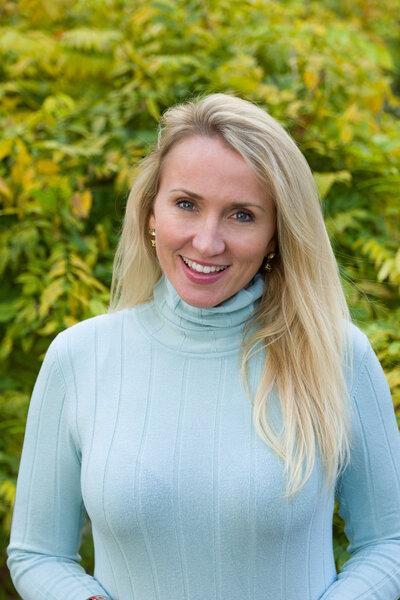
I’m Claudia von Boeselager
Longevity Coach, detail-loving educator, big-thinking entrepreneur, podcaster, mama, passionate adventurer, and health optimization activist here to help people transform their lives, and reach their highest potential! All rolled into one.
Hey there!

Steal Claudia's 10 Hacks to Improve Your Life & Longevity Playbook
FREE DOWNLOAD

Learn the secrets of health, lifestyle, business and finance optimization
Podcast
Top Resources

Steal My
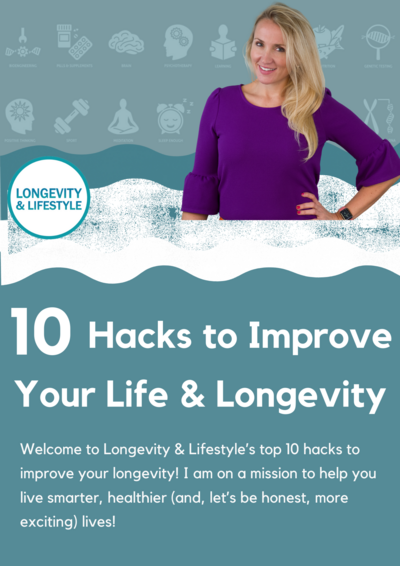
10 Hacks to Improve Your Life & Longevity Playbook
Free guide
10 Hacks to Improve Your Life & Longevity
Want to learn how to live a smarter, healthier (and, let’s be honest, more exciting) life? Check out my free playbook with top tips just for you!
By signing up, you agree to join the Longevity & Lifestyle newsletter and to receive emails. We respect your privacy and abide by strict privacy policies.




LONGEVITY & LIFESTYLE
© Longevity & Lifestyle llc 2021 | Design by Tonic | Photos by social squares, Unsplash & Rebecca Reid
SEND ME A NOTE >
GET ON THE LIST >
@longevity&lifestyle
follow along: