#242 Olga Kaplan — Sacred Sexuality, BDSM, Trauma Healing & Intimacy: Reclaiming Pleasure, Power & Emotional Safety
The Longevity & Lifestyle podcast
The Longevity & Lifestyle podcast
The Longevity & Lifestyle podcast

Episode 242
Sign up for
The Longevity & Lifestyle Insider
Join Claudia's Longevity & Lifestyle Insider newsletter to get top tips, insights and strategies on optimizing your life, health and business!
By signing up, you agree to join the Longevity & Lifestyle newsletter and to receive emails. We respect your privacy and abide by strict privacy policies.
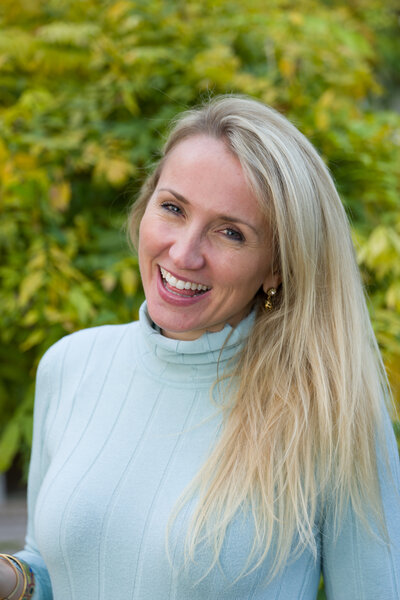


“Your desire is your life force. Your desire is your guidance.”
- Olga Kaplan
In this deeply embodied conversation, intimacy and sacred sexuality coach Olga Kaplan returns to explore how trauma lives in the body, why intimacy is about presence, and how conscious kink and BDSM can be used therapeutically for healing.
We explore:
• What intimacy truly means (deep presence with yourself and another)
• Tantra as weaving life experiences into embodied aliveness
• The difference between kink, BDSM and trauma-informed practice
• Why trauma is not the event — but what happened without consent
• How impact play, consent and role dynamics can help rewire the nervous system
• Why libido is a powerful biomarker of health and vitality
• The “sex recession” and why younger generations are disconnecting
• Practical tools: breath, sound, movement & energetic hygiene
• How long-term couples can revive polarity, play and desire
This episode is about reclaiming your body, your pleasure, your vitality — and remembering that your desire is not shameful, it’s sacred.
ABOUT THE EPISODE & OUR GUEST
Unlock peak energy, mental clarity, and long-term health.
If you’re an entrepreneur, leader, or high achiever who refuses to settle for burnout, fatigue, or suboptimal health - this is for you.
I help top performers optimize their energy, longevity, and success using science-backed strategies, biohacking, and personalized health protocols.
Book a Complimentary Peak Performance & Longevity Coaching Call
This free exploratory session will help you:
• Identify what’s holding you back from your highest potential
• Gain clarity on your energy, focus, and longevity goals
• Discover a proven framework for sustainable high performance
Spots are limited - apply now to reserve your session.
🔗 APPLY HERE
Peak Performance & Longevity Coaching Call
Show Notes
00:00 The Evolution of Healing Practices
04:16 Defining Intimacy, Tantra, Kink, and BDSM
06:32 The Therapeutic Potential of BDSM
09:43 Nervous System Regulation and Trauma Healing
17:30 The Journey of Trauma Healing through Sexuality
25:33 Desire as Life Force Energy
33:16 Reconnecting with Life Force Energy
34:23 Breath, Sound, and Movement: Tools for Healing
41:58 Reviving Intimacy: The Importance of Play
53:36 Sexual Vitality: A Biomarker for Well-Being
56:50 The Changing Landscape of Intimacy
01:00:59 Finding Support for Desire and Intimacy
Terminology
- Intimacy (as presence)
- Tantra
- Kink
- BDSM
- Bondage, Dominance, Submission, Sadism, Masochism
- Impact play
- Consent / Safe word
- Trauma (big T vs small t)
- Nervous system regulation
- Vagus nerve
- Somatic release
- Polarity in relationships
- Libido as biomarker
- Sacral chakra
- Sex recession
- Erotic polarity
- Energetic hygiene
- Role play dynamics
- Giving vs Receiving / Allowing vs Taking
MORE GREAT QUOTES
"Remember to play, that's the only thing I can say.” - Olga Kaplan
Legal Disclaimer: Please note, to avoid any unnecessary headaches, Longevity & Lifestyle LLC owns the copyright in and to all content in and transcripts of The Longevity & Lifestyle Podcast, with all rights reserved, as well as the right of publicity. You are welcome to share parts of the transcript (up to 500 words) in other media (such as press articles, blogs, social media accounts, etc.) for non-commercial use which must also include attribution to “The Longevity & Lifestyle Podcast” with a link back to the longevity-and-lifestyle.com/podcast URL. It is prohibited to use any portion of the podcast content, names or images for any commercial purposes in digital or non-digital outlets to promote you or another’s products or services.
PODCAST EPISODE TRANSCRIPT
Claudia von Boeselager: Welcome to another episode of the Longevity and Lifestyle Podcast. I'm your host, Claudia von Boeselager. I'm here to uncover the groundbreaking strategies, tools, and practices from the world's pioneering experts to help you live your best and reach your fullest potential. Don't forget to subscribe to the podcast to always catch the latest episodes.
Legal Disclaimer: Please note, to avoid any unnecessary headaches, Longevity & Lifestyle LLC owns the copyright in and to all content in and transcripts of The Longevity & Lifestyle Podcast, with all rights reserved, as well as the right of publicity. You are welcome to share parts of the transcript (up to 500 words) in other media (such as press articles, blogs, social media accounts, etc.) for non-commercial use which must also include attribution to “The Longevity & Lifestyle Podcast” with a link back to the longevity-and-lifestyle.com/podcast URL. It is prohibited to use any portion of the podcast content, names or images for any commercial purposes in digital or non-digital outlets to promote you or another’s products or services.
PODCAST EPISODE TRANSCRIPT
Claudia von Boeselager (00:50)
Today's guest is a repeat guest and dear friend, Olga Kaplan.
Olga is an intimacy and relationship coach, sacred sexuality educator and therapeutic BDSM practitioner, guiding individuals and couples into deeper love, safety, connection and desire. Her work is rooted in tantra, Tao, sacred sexuality, kink and shamanic traditions, supported by a strong foundation in NLP.
Integrative hypnosis, psychology, neuroscience and integrative nutrition.
Olga's approach is deeply trauma-informed, helping people heal the nervous system imprints, relational patterns and protective strategies that keep intimacy and aliveness at arm's length. At the heart of her work is supporting people to reclaim desire, explore boundaries consciously, awaken the body and senses and create relationships that feel both secure and wildly passionate, without bypassing safety or consent. This is the work she lives for. Please enjoy.
Claudia von Boeselager (01:46)
Welcome back, dear Olga. You joined 2022 was the last time and that beautiful conversation really resonated. So looking back, what feels even more true today and what has evolved most in your work since then?
Olga Kaplan (02:02)
First, thank you for having me back and it's an honor and privilege to be here. And yeah, good question. I feel like this work is ever evolving and new tools and new modalities come into the work. the essence of the work is how to support people to come back to themselves, to come back to their wholeness. And with,
the way the upbringing happened or the way trauma took place or anything. There's like so much that gets stuck in the body and doesn't get a way to be released or to be expressed. Or even there could be internal shame about that. And there are no places to share. Why am I desiring what I'm desiring? Why I'm having those weird thoughts of fantasies and
normalizing the desire and actually opening the doorway into curiosity, exploration, and finding ways to bring those unconscious or repressed pieces of you, parts of you into the light and actually giving them stage and voice. And this is where BDSM
and BDSM tools come into play and it might really mainstream to many people as BDSM was looked at as something, I don't know, maybe like strange or weird or taboo. so many ways it is misunderstood. And here.
What I have discovered on my journey, it has such a therapeutic potential for healing trauma and actually bringing that life force back and healing the body, healing the psyche, and healing the
Claudia von Boeselager (03:53)
I'm really
excited that, but I think let's take a step back because for some people, some of these terminologies might new or confused with different things. And so I want to make sure that we're sharing a language with everyone listening and tuning in today. So terms like intimacy, tantra, kink, and BDSM are often used interchangeably or misunderstood entirely.
Some feel curious, others feel resistance or fear, and many have no real framework for what these actually mean in a healthy conscious context. So before we go any further with this, I'd love to start with grounding everyone in asking you, Olga, how do you define these, not culturally, not sensationally, but through of safety and nervous system regulation and human connection? So maybe you could walk us through, how do you define intimacy?
What is tantra? And for people unfamiliar, kink, BDSM, just so we have a foundational framework for those.
Olga Kaplan (04:49)
Okay. Great question. establishing some ground definitions and distinctions. That's important. With intimacy, I feel, and of course you can look it up. And for me personally, this is deep presence, and the practice of that deep presence. And it could be with yourself. It could be with your partner.
And being there and seeing them or being there with them, seeing you as a divine being, as a sacred being. And yeah, that's like, feel presence. It's the most important thing in any interaction, be it with yourself or with another.
So that's what, yes, when you present, when you're present, when you fully hear, then connection is possible, then safety is possible, then so many things can open up when you are not present. And I'm sure you've had examples in your own life as I have had where you are with somebody.
Claudia von Boeselager (05:31)
and it is business with connection
Olga Kaplan (05:52)
but they're not really here or you're not really here. I'm not really here because in my head, I'm still looping in that conversation I had with my boss or that laundry list or things I need to do tomorrow, which means I'm not here. Even though physically kind of my body like, I'm here, but it's the energy and the presence as like being in your body here. I landed, I'm grounded, I'm here.
I'm here for me, I'm here for you. And from that place, we can start connecting.
Claudia von Boeselager (06:23)
So that's intimacy. And then for people wanting to understand, what is tantra? Let's look at would you describe or explain what tantra is?
Olga Kaplan (06:32)
Tantra, it comes from a Sanskrit word, which means to weave. And again, my take on that is, being present and making love to life in every single moment. Like weaving all these life experiences, all these states of being into this tapestry, which is life itself. It's almost, you can find this
energy anywhere and tantra is not about s*x, it's again, it's about being present, being in the body and seeing that and feeling that as a divine experience. And you you can do your dishes and feel that warm water and soap, silky soap on your hands. And having that experience is like, my gosh, this is like making ❤️ right?
Claudia von Boeselager (07:19)
I think that's beautiful, the analogy of it's this extreme presence of being in your body, feeling the sensual nature of whatever it is and as simple as washing dishes I think that's a really beautiful definition and not just for people understanding tantras, some sort of sex practice, et cetera. So we'll dig into more of that And then for definitions around kink and BDSM, can you walk people through that?
Olga Kaplan (07:42)
Yeah, kink is referred to sexual or other practices that kind of like outside the norm. So they're called kink. And again, kink can be something absolutely non-sexual. with BDSM, I would say this, are three pillars of BDSM. It's role play, power play, and sensation play. These three pillars. And...
All of that can be used as fun and play, as recreationally to expand awareness, connection, or it can be used as I'm very passionate about in therapeutic ways to bring somebody back to their wholeness, to bring those parts of them that have been fragmented or have been
flown away or been shamed or been neglected. So bring them back to the whole being and restore that.
Claudia von Boeselager (08:36)
Okay, and what does BDSM actually stand for, just for people?
Olga Kaplan (08:39)
That's for
B as in bondage, D as dominance, S could be submission or sadism, and ⁓ is masochism. And these are big words, right? So that term is kind of like encompassing everything. And what's important to mention before all these big reactions, consent is
the most important thing here. Nothing is done to anybody or from anybody without consent because all these practices could be really edgy and the conscious way to use these practices is to be fully in consent if there are consensual adults and
They are engaging us in those practices and nobody's getting harmed. Great. That's it. Think of it as playtime and playtime could be also like there is art therapy or play therapy, right? It's play. Think of it as play. However, because of some,
specific ways it could be done, it's important that everybody consents to this.
Claudia von Boeselager (09:49)
Yeah, I think that's a really important point And what I find also so fascinating is how you use these also in of nervous system reset and dealing with trauma. Can you talk a bit about your journey, also your training in this this can be used for something like supporting a nervous system, which potentially most people would be like, well, I don't get it. Like, where's the correlation? So can you help people bridge that gap?
Olga Kaplan (10:13)
Yeah, absolutely. for example, if we take impact play, right. And impact play, could be spanking, right? It could be spanking with a hand. It could be spanking with a flogger with some other tools, or it could be hot and cold, maybe like running a piece of an ice cube on your skin. So first.
Claudia von Boeselager (10:18)
Can you What's that?
Olga Kaplan (10:34)
When it's just play and exploration, fine, beautiful, and go at it. And I want to speak into the healing aspect of that and nervous system regulation. First of all, in the container, and we call it a container, when we step into the container, there are roles. Somebody is holding the container, that's the dominant.
and the other is submissive. But it's not as in real life somebody's domineering you. No, it's not like that. There are absolutely strict dynamic in the way that actually the one who assumes the position of the dom is doing things.
from the request of the submissive. So submissive says what they want, what they want to explore. And the Dom the one who's holding that position, is actually holding space and holding that container and provide safety and pouring love onto the submissive. It's the energy. It's like pouring out the energy. Somebody's holding that, the Dom is holding that.
energetic pull, the and pouring that love, their attention is fully on the sub, when the sub can have the experience that they actually desire. I know it could be a lot back to probably you heard this expression.
issues in the tissues or the body keeps the score, right? So whenever and trauma usually takes place when we are young and when something happens too much too soon and there is no way for our young nervous system to process that. This is when the trauma gets stuck in the body. It's like we have no way of releasing that.
And we keep that and there is like nobody around to share it with or kind of like have the like you to process it with or somebody to hold space for that process many times. And again, it could be trauma with a big T it could be trauma with a small t but anything it could be really small and
Claudia von Boeselager (12:31)
it, right?
Olga Kaplan (12:45)
seemingly insignificant, but if somebody's nervous system in that moment is not capable of processing that big emotion and there is no support, it becomes a trauma impact in the body. So a nervous system kind of it plants itself there. So it creates those little like, you can probably say it like little knots right? Like,
little knots here and there. And those knots, they actually prevent the energy flow. Imagine your body is energetic being and you have this life force, right? This is where we came from, the life force energy. And that life force is happening in your body. Those energy those flows are constantly happening in your body.
But when things get distorted or trauma happens, so those knots, it's kind of like rocks, like big rocks on a river. And that energy, that free, beautiful, abundant energy flow, it gets interrupted. And of course, as young children, we find ways, our survival system is really creative.
we find ways to make sense of it or to behave certain ways to adjust, to adjust just to assure our survival. It's not even conscious. It's more like very primal and very reptilian brain. Like we get to survive and we're gonna do whatever in order to ensure that. And then as we grow older and
great if you realize that there is something that's just not flowing freely in your body. Either you get a chronic disease or your relationships are not working or some kind of patterns are always repeating themselves in your life. And then if you have enough awareness, like something's not working, something is up, and then you go to therapy or to other healing modalities.
and you start digging. Because many times those young childhood memories they're being so suppressed and it sometimes takes...
Lots of work to get to the core of it. So back to the impact play. So those little things that got tightened up in the muscles, in the tissues, in their nervous system with impact play, it's almost like they get a release. because like with your mind, you can say, no, no, I don't want to dig that trauma. I don't want to talk about that.
And when you go into impact play, actually you sometimes don't even expect that. And you just allow for your body to kind of like be touched with your consent, with your desire to experience sensation. Because many times trauma results in numbness. It's again, back to you cannot process what's happening.
and it's not safe to feel. So there are those survival mechanisms that take place and okay, we're not gonna feel. So numbness is created. And back to the sexual realm, I work a lot with women because women say that they cannot experience pleasure, they cannot experience orgasm or
They feel disconnected from their sexuality or almost their tissues feel numb. And it takes some time and work, of course, dedicated work and committed work to bring safety. How many times women have been touched without their consent,
and I'm sure that it's the same true for men but let's talk about women because like we are both women and we know it firsthand and how many times we said yes when the body meant no so we had to override the body was like no we don't want that but we had to override it and say yes to please somebody to be a good girl to not to get into trouble or whatever so
All these experiences, they add up and they make an imprint into your nervous system, into your body. And it's all like one big structure and everything is interconnected. So if you've been storing those imprints in the body, your health cannot be vibrant. That life force energy is not flowing freely. and if...
it stays neglected for a long time than chronic pains, chronic diseases, because it's mind-body connection. And many things you cannot really figure out with your mind, because again, mind, the brain is wired to keep you safe. And if something didn't feel safe in the past, the brain is like, no way, are we going to avoid that by all times?
we're not going to feel because it doesn't. We remember that experience. It didn't feel good. So we're going to numb it out. The sexual experience didn't feel good. So we'll create no feelings there just to survive, to protect, because the brain is not wired to look for pleasure. The brain is wired to look for danger, to be vigilant, to keep you safe. So when I work with my clients, it's almost like.
I am giving them a different assignment, how to train their brain to look for what's good, what's working, what feels pleasurable, what feels safe. And being so like learning to be so slow to recognize that in the body. And yeah, it's big work.
Claudia von Boeselager (18:14)
really want to unpack this because as you know, over time and conversations I've had and we've discussed this also, the amount of people, male and female, women childhood, in phases of their lives where they've had sexual trauma of some sort. And it's just talked about, not dealt with, pushed down. And so
for all the people listening, what does that trauma healing path look like? It's not like you just go to therapy for it, but using sexuality as a form of trauma healing from trauma through or aggressions. So can you walk people through that?
that trauma healing process. You mentioned some of it looking for the pleasure, but obviously there's different layers how severe trauma is, but everyone experiences trauma in different way anyway. So what would that journey look like, Olga? share a little bit for people who might have been hiding this or have suppressed it so much they don't even want to talk about it? And how can working with someone like you...
an intimacy coach and all the rest of the areas that you cover, how can that help to finally process some of this trauma that's stored in the body?
Olga Kaplan (19:24)
Yes, thank you. And what you said, how to process and it's stored in the body. So the body is the instrument and the body is the most important vehicle here. First, acknowledging that something happened and then finding a safe place share about your experience.
Because you don't share it just publicly or whatever. Sometimes it's not good to share even with your family members because they might not even have nervous system capacity to hear that. Because some things that happened is And finding a practitioner who could hold that space. And with practitioners also, it's important that they have done their work.
that they have that capacity of the nervous system to hold space for some big recollections of some traumatic experiences, right? And coming back and finding safety in the body. And it could be really slow and steady process, like finding safety with touch and also making sure that
any touch or anything is absolutely with your consent, the client's consent, They get to say it's okay. And they get to say, they could be one more step further, or they can say, no, pause. I'm not open to anything else right now. And just sitting there it's almost like giving this experience of interacting with another human being.
in a very slow, deliberate way, very consensual and making sure every step of the way, there is this, okay, I just took this micro step, somebody put their hand on me. I'm just making an example. And okay, and I stayed there and I allow my system to breathe, to ground and feel fully connected.
And then only then when smallest experience is integrated, we can take another step further. And at some point, again, this is where BDSM might come into play. We might revisit some elements of that experience. And again, it's with consent. And because here the client or the sub, they say,
Like I want to have somebody like say those bad things to me, Like as it was back then was something humiliating because internally there is so much shame because they couldn't share it. They couldn't share it. They've been carrying that as a big, big load. here, okay. And by saying, want to go into this experience with my consent. I am the one.
that is asking for that experience, again, with the safety and with the container and with the dom holding that space. This way, if somebody, and you say exactly the words, I'm giving an example, that were said to you and they were so impactful, but because you're the one asking for that, you're the one that is creating that scene and scenario, you take your power back at that moment.
because what was done to you back then, that was without your consent. Here, there will be some process before you're even able to do that. And I'm stepping into this and I am actually requesting that. And I can say pause, I can end the scene, I have a safe word, I have all the power. And I'm choosing to.
then and I witnessed it so many times and that's why my gratitude for this work is just beyond.
these words, they lose impact because this time you requested that you chose this. It's, I'll give you another example. How many of us experienced that somebody broke up with us and we were not a full yes to that. Right. even though, course, the relationship might not have been the best one and the
completion was due and, but again, there's human experience and but chose that for me, but I didn't choose that. It's against like losing your somebody's making that choice for you. a scene, in a video, some scene, you can recreate that and you can actually, okay, I'm choosing and I'm choosing to break up. I'm choosing to end this relationship. It's kind of like you take your voice back. You take your power back.
And this way in your nervous system, the rewiring is happening. Yeah. Or somebody touched me inappropriately because nothing is good or bad. No experience is traumatic because of the experience itself. What makes it traumatic that it was done without your consent.
Claudia von Boeselager (23:59)
That's a really powerful phrase I think, for people to understand too, done without your consent and willingness, So it felt uncomfortable for you. And the opportunity to reenact that in a situation. And maybe you can share some transformation you have seen with some clients, obviously anonymous.
You know, how impactful is this work for some people?
Olga Kaplan (24:22)
Yes, of And I'm witnessing it all the time.
things like inappropriate touch, Or somebody said some harsh words to you in the past and you've been carrying that shame. I'll give you very simple example, but the transformation is possible just like this. You step into that scene and you request that. for example, those words that were really humiliating to you or really
impactful in a bad way to you. And when they are repeated all over again, again, with your consent, with requested that they lose power. And all of a sudden you come out of it. It's almost like, I feel like people get younger instantly. It's almost like their face like, my God, what just happened? Exactly. And some doing some emotion.
Claudia von Boeselager (25:05)
anti-aging potential.
Olga Kaplan (25:09)
I have this rage towards whatever that person that did this to me. And I've been carrying that rage, but I way to express it because first I'm still carrying shame about that experience. Some part of me, because I was young thinks that this is my fault or like all these stories. And we've been carrying those stories for so long. And finally taking that courageous leap of
Faith is like, okay, and allowing yourself to move that energy to, to rage, to scream, to, to scream again. This is not the same person who molested you, right? It's a Dom but your system doesn't know the difference for the system, for your nervous system, for your brain. It's important to have the experience of that release. and it feels the same way as if you were.
raging at your abuser. You just need to find that, open those floodgates. And once that's released, it's like, you can breathe. And that weight lifts off And
it's incredible. I feel, especially in the trainings when it's immersive, I witnessed how during the week and people look like 15, 20 years younger. I feel like we can all notice when somebody is really vibrant and free and light, regardless of age.
Because age is just a number. It's all about the vitality. And I know you're a huge expert on longevity, lifestyle, and advocate for that vitality, To maintain that vitality, because it's not about how many years you live. It's about the quality. So you can feel that radiance from people who have done the work. They could be in their seventies, they could be in their eighties, but there is this just...
Claudia von Boeselager (26:50)
Okay.
Olga Kaplan (26:54)
magnetic radiance that they exude. It's like, ⁓ yes, they've done the work.
Claudia von Boeselager (26:59)
Beautiful, yes, and you're one of these people, Olga, for sure, with this beautiful energy. And I want to shift gears a little bit and look at desire, life force, and how that also impacts living well for longer. So longevity, let's say. And this research shows that long-term intimacy and sexual satisfaction are associated with lower stress hormones, better immune function, and improved well-being. So for everyone listening.
This is obviously very impactful for your overall health. Why do you oversee desire as a form of life force and not indulgence, let's say?
Olga Kaplan (27:33)
Great question. So let's just step back and look at anything and everything that exists here in the world, anything and everything that's ever been created. What did it start from? It started from desire. Somebody had that desire. Somebody had a desire to create electricity. Somebody had a desire to create airplane or something like that.
Simple ways. If they weren't for desire, nothing would exist. So back to sexual desire. This is where it gets a little bit muddied up by conditioning, by religion, where they've been so many messages, sex is bad, sex is dirty, and don't even start me there. And
It almost tells people to separate themselves from the sexuality. And they live that fragmented life, buying into the belief that sex is bad, dirty or whatever. And they just see the consequences or maybe they don't even see the consequences. They feel like, okay, that's good enough, but
Imagine like it wouldn't been created if it weren't an inherent part of us, right? It's just part of us. We are a whole being. And where did you come from? Where did I come from? We came from sex. Actually, this sexual energy, the life force, it's the same thing as life force energy. It's kind of creating a human being from nothing. Like two people had sex and
Bang! And there's a human being created. How miraculous is that? So those people who, again, either with whatever intention of brainwash or control, because there's a lot of control there, if we are here being free and vibrant, it's too difficult to control us.
We are connected. We are connected to our bodies. We know what's going on. Even if we don't understand with our mind, we know energetically when we are being lied to, when we are being brainwashed, when we are being used for somebody else's profit. So here, that's why historically there's a lot of control in the brainwashing people and conditioning into believing that sexuality is bad.
But no, this is like everybody came from that. Animals, plants, humans, nothing would have existed without this life force energy and without sexuality. And coming back to the health, because this is part of your system, for being fully beautifully, optimum.
optimize alive and functioning in the most optimal way, you need all parts of that system to function. Like that's not rocket science, right? you see way better with two eyes than just like with half an eye. so this is part of you that was created by design. And if you choose to buy into that brainwashing and conditioning that this is bad or this is not,
and shame it, it's almost like you distort your system. So your system cannot function in the best way because you said, okay, this fragment of my system is bad. I don't want this fragment. But the research has proven that scientifically, not just like me, Tantrika or sex coach that says that to you. It's been proven that good.
flow of sexual energy, cultivating that sexual energy, being connected to your desire, being created, being connected to that flow actually improves your hormones, your immune system, creates great neurochemical cocktail in your brain that you feel those endorphins and oxytocin. It's like your overall health could be optimized just by running this sexual energy.
freely and openly in the way that, again, it doesn't mean you have to have sex with a partner or you can run this energy within yourself. You can self-pleasure, you can tune into pleasure, you can tune into your own orgasmic ways. And there are ways to learn if you haven't had much education. And again, if brainwashing was sex is only for procreation and it's only with a partner. Okay, I'll call BS on that.
So time to take that power back. Your desire is your life force. Your desire is your guidance. That's your GPS. It's almost like your desire. I studied Kabbalah to a certain degree and many of us like speak about money and
how to get more money, right? we want either health, relationships or money. And this is the Hebrew word kesef, which means money, has the same root as the word desire. So it's connected because you cannot just get money because money for money's sake doesn't come. You get to have that desire and for that desire to
to be birthed into the world, into your life, you gotta really be connected to that desire. You're gonna feel it up with this energy and life force. Then it actualizes, then it comes through. So you cannot do much, like you gotta have passion, you gotta have that spark and you cannot do much half-ass or wishy-washy with lukewarm energy. You really need, like if something is important for you,
You gotta go for it. And especially with sexual desire, back to life force, the arousal and the turn on, because we are again, we are trained to interpret that as sexual desire. Okay, we are turned on, we need to have sex. No, this is just one avenue, one outlet how to use it. This is creative energy. This is life force energy. With that turn on and arousal,
You can create anything you want. You can write a book. You can, I don't know, go for a walk. You can meet with your friends because you feel alive. Again, life force energy, the eras, that means the feeling of aliveness. Sex is just one avenue of applying it to. So I feel like it's important to understand and not separate the...
sexual desire and desire. It's all desire. It's you as a conscious human being, you have a choice where to direct it to. But without life force, you cannot do much.
Claudia von Boeselager (33:48)
I that.
I love that and I think it's really important and so many people feel numb, they're too stressed, they don't sleep enough, too many things going on. I'd say of people, I dare to understanding the space a bit are quite disconnected. So what are some of the practices and strategies people can start embarking on to
reconnect with that life force and with themselves and make sure that they are in space, I guess, on a regular basis to be able to connect with that life force.
Olga Kaplan (34:24)
Great question. First, notice your breath. Just your breath could be such a gigantic tool of regulating your nervous system. Let's try it here. Inhale through your nose for a count of four. Deep inhale and exhale in and open in your mouth twice as long.
And make sure you make that sound because that activates your vagus nerve. Sound is important because sometimes like we would keep quiet, right? Let's do it again. Deep inhale through your nose and exhaling twice as long, making a sound. Yeah. And maybe like one more time. Inhaling.
And making even a bigger sound. What's different now? How do you feel?
Claudia von Boeselager (35:05)
You can tell the vagus nerve just completely relaxes and you trigger much more presencing lessen the mind more in the body. So it's really impactful.
Olga Kaplan (35:08)
Yeah.
Yeah, it's almost
instant. What did we do? did a simple thing. three breaths and making that a practice And there are three pillars for moving energy and releasing that. And it's breath, sound and movement. And if we can remember those three, breath, sound, movement, these could be your biggest healing friends, tools.
Claudia von Boeselager (35:16)
free breaths.
Olga Kaplan (35:35)
It's like giving it a sound. Because how many times like we had to be quiet or we've been asked to like, you should be seen and not heard, right? So its almost releasing that and that wants to be released. And once we make that sound and maybe sometimes we need to scream, right? And allowing that scream, maybe you'll scream into a pillow when you have neighbors who are sensitive or punching the pillow.
If the energy is there asking to be released, then do something about it. Sometimes just taking a deep breath, this breath that we just practiced, inhaling through your nose, exhaling twice as long, opening your mouth, making a sound, that could be enough to regulate and ground you. And again, if the energy is big and strong, you need to punch some pillows or...
You need to scream into a pillow or maybe like you need to stomp your feet on the floor. Remember when kids are little, they throw tantrums, right?
Claudia von Boeselager (36:32)
Yeah.
Olga Kaplan (36:32)
So that's the brilliance because they don't have that thing yet. my God, we need to behave and somebody will think something of us. They just throw a freaking tantrum and you can lie on your back and you can put your palms flat on the floor and your heels and the soles of your feet flat on the floor. And you can just scream and tap your palms and your feet on the floor.
And that feels so good. It's almost, it moves the energy and you don't need even to create any story about that. You feel the energy. you, realize it. Like you do something, you move, you run, you like whatever your thing is. dancing is one being chased by a lion. That gazelle shakes it off.
Claudia von Boeselager (37:09)
it out. ⁓
Like
Olga Kaplan (37:16)
after like line stopped or line gave up or whatever, got lazy. And that gazelle shakes it off and then she's crazy again, nothing gets stuck in her body. So for us as humans, and especially right now when the world an extreme show.
Taking care of your nervous system regulation. That's your top priority because if it's not being released, if it's not being moved, that energy is not being moved in a conscious way. You're going to lash out at your partner. You're going to lash out at your team. it's going to go out sideways and you want to be present
That's why being connected to your body and kind of listening to your body and touching yourself, like giving yourself good, like squeezes, like it's very grounded and while you're breathing, that's when you want to ground or you want to feel something you can tap, like give yourself some taps on the body. And all of a sudden you're feeling tingles, you're feeling sensations and you're back in your body. Because again, the mind is here to scan for danger and trust me.
if it's left unsupervised, it will find dangerous things to be scared abundance. But that's not what we want, right?
Claudia von Boeselager (38:25)
You
you have to retrain it and to look for pleasure and to reconnect with self and to process anything that comes up and I think that's a really good point is like don't let things accumulate but if it's been a stressful or frustrating day like deal with it in the moment or as soon thereafter as possible would you say?
Olga Kaplan (38:28)
Thank
Yeah.
Yeah.
Yeah. I feel like, we all brush our teeth, right? I hope so. And we floss. This is the dental hygiene, oral hygiene. There is energetic hygiene. That's moving that energy. Okay. Shit happened. You got to move it. You got to move your body and it's only through the body. You cannot sit in therapy and talk through that. It's not
how it works, you gotta create movement. You gotta give it a sound. You gotta shake your hips, stomp your feet, punch those pillows, dance it out, scream it out. Match intensity with intensity. That's the rule of thumb. If it's just, I need to take a deep breath and just like settle. Okay, great. That's enough. Perfect. But if it's intense, if you're writing and if somebody like...
overstepped and you really like, feeling it like you want to rip them apart. Again, you cannot do that. You're not gonna do that, but you don't want to carry that energy in you to move that energy. So that's why all these emotional release practices like dancing, screaming, stomping your feet, throwing a tantrum, like you can scream into your hands like, and at the same time you do it standing, like shake your hips and stomp your feet.
All my clients,its amazing how come and usually they come from work day and they are like, what's your stress level? And usually it's a pretty high number. And I don't start with like, tell me the story. Like what happened? Like, okay, let's move the body. And I'm inviting them into breath, into stretch, into sounding, into some emotional release before we go into any story. And then all of a sudden, huh.
I feel lighter. feel like I'm connected to my body again. And then, well, that story is not worth telling or whatever. when, if is to be told, it's no longer possessing them. That's the thing. it's kind of it shifted. The energy was let out so we can look at that story of what happened. Sometimes we need to look at the thing and see like what patterns showed up or how can you
Claudia von Boeselager (40:36)
shifted
Olga Kaplan (40:47)
do it differently next time. But that story is no longer inside you, it's outside of you and it's way easier to look at something when it's just outside of you. and it's like, okay, story pattern, all right, let's look at that and be creative, how we can deal with that later in a different way. Yeah, moving that energy, moving the body.
Claudia von Boeselager (41:06)
I love that. Such a good practice. And I think just in general, having those check-ins during the day, you know, I sometimes do check-ins with breath, but actually getting up, I have a trampoline, so feel like I need to jump on the trampoline a bit more and just shake the energy up from transitioning from one situation to the next or whatever too. And you just show up as a better version of yourself with that sort of clear energetic field, right? So, yeah.
Olga Kaplan (41:26)
Yeah.
Yeah. And I know it's important also, like people who work with you, your team also inviting them to like, to bring it out, creating those breaks. know because the environment can be, you, have things to accomplish and there are deadlines, but taking those breaks, intentional breaks with.
Claudia von Boeselager (41:33)
Check out that energy.
Olga Kaplan (41:45)
moving the energy and shaking up the body and losing things up actually creates again that life force energy flowing freely and their like creativity kicks in again with much better force.
Claudia von Boeselager (41:59)
Beautiful. I want to have a look at what many long-term couples talk about So why intimacy fades and how to revive it essentially. And there's couples, you know, together a very long time and they say they haven't necessarily lost love, but they lose that deep connection. Why does intimacy tend to fade over time, even in good relationships? And what are some things people can start doing consciously to
keep it alive or to reenact that fire.
Olga Kaplan (42:26)
And I'm sure lots of our listeners are really curious about that.
Back to desire and errors and polarity and all these like tension and sparks that I needed to create that feeling of, okay, like let's get to it. And when couples, especially long-term couples, they kind of settle into safety and predictability. And let's talk about couples that have their communication nailed like a good.
They're good, they're respectful, they're loving. They know how to discuss things. They know how to share things, which is wonderful and needed, but there is safety and there is predictability and that desire spark doesn't live there. It needs some kind of unpredictability. That's why we need to keep playing.
Remember to play, that's the only thing I can say. And it's not about sex techniques because they could be just another thing like you add in on your to-do list and they just don't do anything because the best lovers, the most passionate lovers, they are this way because they keep playing. It's like when you play, okay, remember when...
You were younger, right? Like you play any game or you kind of like get together and like this and that it's unscripted, right? It's unpredictable. Yes, there are ground rules. There's some kind of things, but like, you don't know how this person will respond. You don't know how you're to respond. It's almost like there is this element of like, I don't know. And that's like, I don't know that unpredictability that unscripted that needs to come back into the relationship.
So going for some kind of adventures and getting into situations or maybe getting into some, like, I don't know, tantrum workshop together, because you don't know and it's kind of edgy. Of course it is safe. Fundamentally it is safe. However, things you might discover or find about yourself or your partner and things might show up because it's flowing, it's unscripted. Like, my God, this just came out.
So creating more of those situations and moving your body, dancing together, I don't know, go hiking together and getting out of your routine, getting out, creating new experiences and also taking some time apart when you're all the time in the same stable connection. Great. But that
the polarity needs some separation. So make sure you have your own desires and your own interests outside of your relationship. Make sure you are an interesting person to be with, that you feel your cup and you go after your interests and your partner does the same. And when you come back, it's almost like...
You both have filled up and you're overflowing and just sharing and listen, this happened and that happened. It's almost like seeing your partner as a new person with different eyes over and over again. That's what will create the interest and the spark. Because when we start dating, it's all new, right? It's easy to...
have this, my God, they're so fascinating and like learning more and more about them. But when we've been together for 20, 30 years, it could become predictable. And it's good to be like solid, loving roommates, but this is not where the sexual desire lives. so keep playing, create playful experiences. or create those sex dates. That's another thing where.
when I speak your sex date on the calendar and ahead of time let someone take the lead and let someone else just be in the mystery. And that would create, people are like, Oh, putting that in the calendar, it's like putting a dentist appointment, tax appointment. It's not sexy. No, actually this what's sexy because you pay attention. You
get like you do they have a lifting of prioritizing that then that energy will start flowing again and create those experiences where there is mystery there is unknown there is unscripted there is unexpected and you're showing yourself and your partner new sides of you because even with the hottest lingerie and sex techniques when there is no dopamine that novelty like our brains love
dopamine and creating those kind of scenarios where like, yeah, I don't know where they're going to take me tonight. yeah.
Claudia von Boeselager (46:55)
you
give three examples, especially if your couples have been together so long, right? So they might be like, well, I'm out of ideas. Like, I don't know. I'm not feeling super excited about What things you think any couple could embrace or if somebody is looking for some inspiration, what that you could share to rekindle or respice up a long term relationship?
Olga Kaplan (47:16)
Yeah, simple things. For example, you can start with a massage, like a sensual massage with no expectations of sex. That's another thing where many times I witness in couples that they do not have this affection going on outside of the bedroom. It's almost like if I touch you, it means I expect to have sex with you. And that creates the opposite.
effect on the body is like, no, no way. So allowing your partner to receive and switch roles. For example, tonight I am giving to my partner for like good 40 minutes, for example, and they can be blindfolded so they can fully relax. And I'm just like loving up on their body. Or another thing interesting there is this
a body work called will of consent. And I'll go into that in the most, not time consuming way. So there are two ways to, again, consent is the bottom line here. So there are two ways there is given and receiving. example, you ask me, okay, I want you to rub my shoulders and you are
the receiver and I am giving exactly what you asked for. This is one dynamic, giving, receiving. So somebody is asking and somebody is giving exactly so that energy is going to the receiver. There is another dynamic, allowing and taking. And this is where it gets more interesting. And you say, okay, I want you to use my body for your pleasure.
in whichever way you want, except what I have these kinds of boundaries, like don't touch these, don't touch that, or that shoulder feels sore, something like that. And that dynamic, actually, I am doing this thing, but I'm not doing it for you. I'm doing it for my own pleasure. It's like I'm taking with your consent, honoring your boundaries. And when that dynamic steps in, that gets very juicy. It's like, especially...
from men, I hear, my God, we've never been allowed to express, like I want to worship her body, want to devour her body, but I'm not sure how and am I too much? And with women too, sometimes we want to go and like, ⁓ am I too much? So actually acknowledging those dynamics, okay, tonight we are giving, I'm giving to you and tomorrow you're giving to me exactly what I want, like relax and sensual. Or...
Tonight, I'm going to take, and you give your body to me. So I'm going to take, and I'm going to really enjoy. what's interesting when I'm taking, and you're just allowing. again, you, as the allower, actually is learning a lot about my desires and my ways of thinking, right? It's like almost like you are noticing things. my God, like that's the thing she's doing.
which probably maybe like I haven't had the courage to do that. And here's like, I have your permission. I have your consent. So switching those polarities between giving, receiving, and allowing, taking, that can create an extra layer of tension and spark in a good way. And then do things where you plan something or like you ask your partner or you plan or partner plans and
somebody stays in the complete mystery. We love mystery. We love surprises, right? And yeah, I love somebody to lead. feel like maintaining the polarity. One is the lead. One is the follower. And one is the giver. One is the receiver. That can create a good like tension that brings arousal into the interaction.
Cause when everybody's like kind of like doing the same thing and it's not clear who's doing what, then this part kind of goes away. So getting into polarities and playing with those things like giving, receiving, taking, allowing, and more of fun outside the bedroom. How about that? What feels like fun to you?
what excites you because that energy, it's interesting how again, because we haven't had proper sex education, relationship education, we feel like, okay, we step into the bedroom and this magic thing will happen. No, everything you've done outside the bedroom, this is what you bring into the bedroom. So the more fun you're having with each other outside the bedroom, the more fun and the more
freedom and safety and playfulness will be in the bedroom. It cannot be just created from nothing. and creating safety in your relationship, actually safety, safety to express, safety to share, safety to witness each other, to hold space for each other and safety to be. And then also making requests and sharing your desires, sharing your fantasies.
Because there's about fantasies. Sometimes we are scared to admit them or even more scared to ask our partner about their fantasies because we think those fantasies need to come to life. And now, my freaking God, we need to invite like third of fourth person into the bedroom. And how is that going to play out? Okay. Let's take a breath there. Fantasies actually just sharing them.
is kind of creating that intimacy, creating that closeness. Not every fantasy needs to be played out in real life. Just sharing that, giving it a voice. And also, like, when you're connecting, you kind of, like, can speak into things, like, I'm doing this to you and this, like, the brain doesn't know between the fantasy and reality. So you kind of,
say things and think the things during your interaction and you can discuss it ⁓ beforehand. again, role play, role play is part of BDSM tools. Role play is unpredictable. Okay, like you were whatever the boss, I'm the young secretary and I have a crush on you and very involved in your work and you're very busy, but I want to seduce you.
Something like that, right? And okay, and you step into those archetypes and it's like improv theater. You don't know what's going to come out. So yeah, those unpredictable, unscripted, fun, playful. How can you create more of those elements in your life outside the and then bring it into the bedroom?
Claudia von Boeselager (53:35)
Beautiful.
Beautiful. Do you see s**ual vitality as a meaningful biomarker of overall well-being and aliveness? Why? And then I'm going to add a question to that and I'm stacking, but what are some practices that everyone should be doing for themselves so that they can show up as the most sexually vital of themselves every day?
Olga Kaplan (53:57)
Okay, great question. Biomarkers.
I started as an Integrating Nutrition Health Coach. And this is actually where I learned that relationships are the primary foods and your health depends on your relationships and your quality of life depends on your relationship, not necessarily the amount of broccoli that you eat. So about biomarkers, we usually ask, how do you sleep? How do you poop? How do you eat? And how's your libido? That's it.
Claudia von Boeselager (54:16)
Thanks
Olga Kaplan (54:23)
So libido is one of those, how do you sleep? How do you poop? And how is your libido? It shows, it shows where your system is at. If your libido is down, so there are many things that could be happening. It could be your hormones. It could be your stress level, again, cortisol up and good hormones down. And it could be trauma response.
It could be anything. So it means your system is not functioning in the most optimal way. Libido is being affected. But when libido is vibrant, even in postmenopausal years with some supplementation, and we spoke about HRT and other things, bioidentical hormones that are so beneficial for health.
And again, when your libido is up and running and you feel good, you feel excited about life, you have the drive, you have the motivation, You just go at it. And that spills over into every area of your life. Like that improves your relationships, that improves your work, your creativity, even your financial flow. Because when...
this sacral chakra is stagnant. it's because sexuality is the force that brings the financial abundance because that's the, like what you pour into your creative projects, into the world, into your outlets. it's pouring back in form of like income money and stuff like that, because that's life force energy. And I'm sure everybody's heard about Napoleon Hill.
Think and grow rich. There's a chapter there about sexuality. I think it's chapter 13. So it's good to have a look there. And it explains that it's like sexual magnetism being connected to that life force is connection to your financial abundance. And couples who have great sex and abundant sex,
Claudia von Boeselager (56:10)
of the
Olga Kaplan (56:16)
attract more financial flow and abundance. And again, all the systems are working, digestion, your skin is glowing, you're sleeping better because your nervous system was regulated. And once your nervous system is regulated, like you're just glowing.
Claudia von Boeselager (56:31)
You can tell What excites you most about the world of intimacy, healing, conscious relationships, how BDSM, openness to tantra, different practices, how all that is opening up, or would you say it's opening up more and more? And what excites you about that as you see the trajectory over the next years to come?
Olga Kaplan (56:51)
Good question. here, I am witnessing the older generation, like my generation and older people are stepping into their power and claiming that sexuality, even though probably lived like in sexless marriages or their sexuality have been repressed or maybe like they had sex, but...
not enough sex or not exciting sex. And all of a sudden when there's of safety and stability life situation. So, okay, like I built my career, raised kids, like kind of those kind of like required like check, check, checklist. So that's out of the way. It's like, what do really want? And like, well.
Claudia von Boeselager (57:26)
to go.
Olga Kaplan (57:34)
There's so many things that are really in place in my life. And how can I get it more exciting? especially in Long-Term Partnership, people are like, OK, maybe we can do something about this whole sex thing. And people get more creative, more courageous. And they come to trainings, people in their 50s, 60s, 70s, 80s. really eager to explore. And this is just to witness that how.
their youthful spirit comes through, it's the most rewarding experience. So I will say that about those generations. However, and I will continue to do this work for forever, nothing will change there. However, what's happening with the younger generation, and it's probably a different conversation, it's like they're not having intimacy, they're not having sex.
And even I think it was an article in Psychology Today just recently, they call it sex recession. The 20 year old, and this is the time when hormones are raging and everybody's supposed to be like exploring and doing things. They are not doing that. They are not doing it with each other and maybe because of technology and because it's way safer to have intimacy with your phone, with your tablet.
and avoid intimacy with a human being because there is so much to risk. Like you can get rejected, you like being vulnerable is also and probably not the most desirable thing. And this is where I have my concerns and I feel, know what's going to be. I've been having these conversations with my fellow practitioners and coaches.
And one thing when they know what it feels like the human connection, the human interaction, but if they've been attached to their phones for a long time, they don't even know what it feels like the human to human skin to skin contact. And they cannot search for something that have never experienced. Like they don't know what they're missing because they don't know what they don't know. So this is where I feel.
Yeah, I want that to change, but I do not have a solution for that yet. it's kind of, yeah, it's a scary conversation right now. I'm just witnessing what's happening and I'm talking to therapists, like young people are confessing that they're not having s*x or they do not have a function because they spend so much time
Claudia von Boeselager (59:37)
area.
Olga Kaplan (59:55)
with the technology or they're watching p**n and that could be functioning there. But with another human being, the body says, no, it's too scary. So yeah, that's a different conversation and it's still kind of fascinated by the change of the world.
Claudia von Boeselager (1:00:12)
Yeah, how it's changing and quite scary I mean, these are part of life experiences that are being missed out. it's not taught, right? these things were introduced not so long ago. And as you said, it's like a relationship, but with the phone, with the technology and forgetting how to...
be present, be in a relationship, be together with someone, being brave enough to in the game and risk being hurt, et cetera. And having the highs and lows, the pleasure, but also sometimes or whatever, if a relationship ends Yeah, your work more important now to have more people to come back to themselves and joy and pleasure and desire, right?
Olga, as we finish up today, for someone listening who feels disconnected from desire but deeply longs for intimacy, what would you want them to know?
Olga Kaplan (1:01:00)
I want them to know they are not alone. There is support, there are tools and there are ways to change things if they have the desire to step onto a path of transformation and bring themselves back to wholeness. There are practitioners, there are tools and it's really powerful and
It's all doable and please don't keep it to yourself and find a safe coach practitioner and start doing the work and then you will reap the benefits.
Claudia von Boeselager (1:01:31)
Where can people find you, Ogan, and explore your work, and potentially reach out to you? And we can link all of these in the show notes.
Olga Kaplan (1:01:38)
Yes, you can find me on Instagram at Olga Kaplan coaching, Facebook, ⁓ Olga Kaplan. I share lots of information there and my website is Olga Kaplan coaching.com. And if you're curious and you would like to start a conversation, book a discovery call with me and yeah, we'll take it from there.
Claudia von Boeselager (1:01:59)
Beautiful. Do you have any final advice, parting message, thoughts or ask for my audience today?
Olga Kaplan (1:02:05)
Keep breathing, keep breathing, keep connecting with your body, keep listening to your body and remember that your body is that sacred vessel, sacred vehicle that's gonna serve you for the rest of your life. You're not getting another body. So give your attention, love, devotion worship to your body and ask from your body, what do you need and listen for.
Claudia von Boeselager (1:02:06)
It's
Olga Kaplan (1:02:30)
that answer and give it to the body. Like pamper it, give it good food, give it good sleep. Seriously, like the best lover you've ever had, that's your body. That should be number one. Yeah. Tend to that and self-pleasure. For both men and women, please reconnect with your body, give pleasure to your body and ask your brain to scan for pleasure.
Claudia von Boeselager (1:02:44)
Beautiful.
Love it. Thank you, Olga, so much for coming on again today and sharing your wisdom in this so important area that's not talked about enough. So thank you for the work that you're doing and for coming on. And thank you to your audience for tuning in
Olga Kaplan (1:03:05)
Thank you for having me.
I’m Claudia von Boeselager
Longevity Coach, detail-loving educator, big-thinking entrepreneur, podcaster, mama, passionate adventurer, and health optimization activist here to help people transform their lives, and reach their highest potential! All rolled into one.
Hey there!
Steal Claudia's 10 Hacks to Improve Your Life & Longevity Playbook
FREE DOWNLOAD

Learn the secrets of health, lifestyle, business and finance optimization
Podcast
Top Resources

Steal My
10 Hacks to Improve Your Life & Longevity Playbook
Free guide
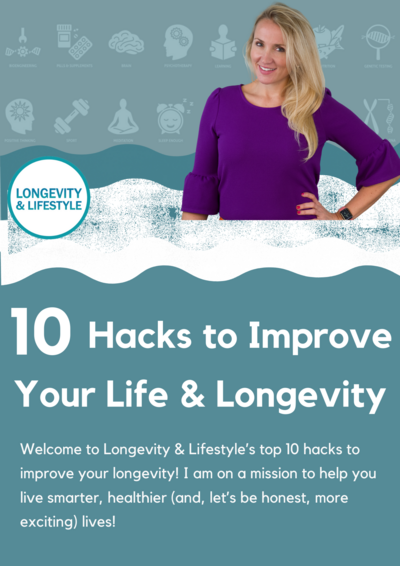
10 Hacks to Improve Your Life & Longevity
Want to learn how to live a smarter, healthier (and, let’s be honest, more exciting) life? Check out my free playbook with top tips just for you!
By signing up, you agree to join the Longevity & Lifestyle newsletter and to receive emails. We respect your privacy and abide by strict privacy policies.



LONGEVITY & LIFESTYLE
© Longevity & Lifestyle llc 2021 | Design by Tonic | Photos by social squares, Unsplash & Rebecca Reid
SEND ME A NOTE >
GET ON THE LIST >
@longevity&lifestyle
follow along: