#243 Dr. Meenal Agarwal - The Eye-Brain Connection, Screen-Induced Vision Loss & Spatial Awareness: How Modern Life Is Rewiring Your Brain
The Longevity & Lifestyle podcast
The Longevity & Lifestyle podcast
The Longevity & Lifestyle podcast

Episode 243
Sign up for
The Longevity & Lifestyle Insider
Join Claudia's Longevity & Lifestyle Insider newsletter to get top tips, insights and strategies on optimizing your life, health and business!
By signing up, you agree to join the Longevity & Lifestyle newsletter and to receive emails. We respect your privacy and abide by strict privacy policies.
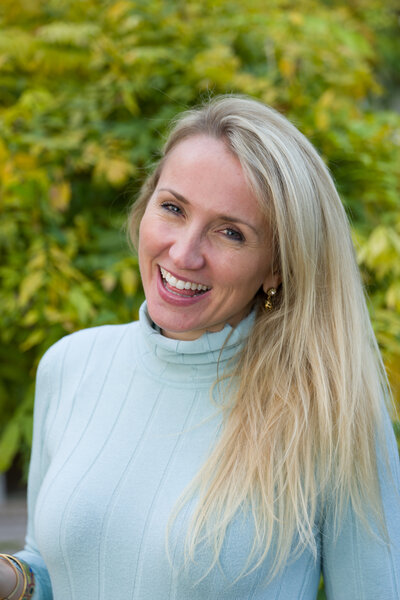

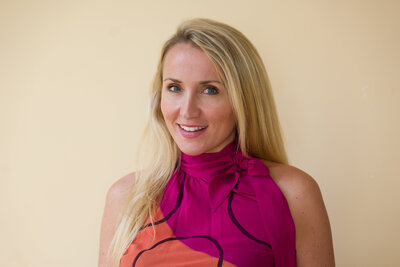
“Vision is not an eye problem — it’s a brain process.”
- Dr Meenal Agarwal
In this fascinating episode, Dr. Meenal Agarwal, board-certified optometrist, spatial awareness expert, and authority on the eye–brain connection, reveals how vision is not just about eyesight - it’s a direct reflection of brain function, nervous system state, and emotional health.
Blending clinical science, neuroscience, mindfulness, and compassion, Dr. Agarwal explains how stress, trauma, and chronic overload subtly alter how we see the world — and how retraining vision can support healing, resilience, and longevity. From spatial awareness to visual processing, this conversation reframes vision as an active brain skill and a powerful portal into whole-body wellbeing.
We explore:
- The eye–brain connection and nervous system regulation
- How stress and trauma show up in vision
- Spatial awareness and its role in balance, safety & longevity
- Why vision is a brain function, not just an eye issue
- How mindful vision practices can support healing and clarity
This episode invites you to see differently — both literally and metaphorically.
ABOUT THE EPISODE & OUR GUEST
Unlock peak energy, mental clarity, and long-term health.
If you’re an entrepreneur, leader, or high achiever who refuses to settle for burnout, fatigue, or suboptimal health - this is for you.
I help top performers optimize their energy, longevity, and success using science-backed strategies, biohacking, and personalized health protocols.
Book a Complimentary Peak Performance & Longevity Coaching Call
This free exploratory session will help you:
• Identify what’s holding you back from your highest potential
• Gain clarity on your energy, focus, and longevity goals
• Discover a proven framework for sustainable high performance
Spots are limited - apply now to reserve your session.
🔗 APPLY HERE
Peak Performance & Longevity Coaching Call
Show Notes
00:00 Introduction to Dr. Meenal Agarwal
02:35 The Evolution of Optometry and Preventative Care
07:19 The Eyes as Windows to Overall Health
10:43 Screen Time and Eye Health
14:30 Building Spatial Awareness in Children
18:46 Eye Exercises and Their Impact
21:08 Proactive vs. Reactive Eye Care
22:37 Understanding Vision Changes and Neurological Impact
25:09 Addressing Vision Decline: Protocols and Recommendations
27:33 The Connection Between Stress, Anxiety, and Eye Health
30:52 Cultural Influences on Vision Health
31:31 Nervous System Regulation Through Visual Function
35:34 Hormonal Changes and Their Impact on Vision
40:34 Empowering Patients: Advocating for Eye Health
40:34 Rapid Fire Insights on Eye Health
PEOPLE Mentioned
Products Mentioned
Terminology
MORE GREAT QUOTES
"Spatial awareness is how safe your brain feels in your body and in the world” - Dr Meenal Agarwal
Legal Disclaimer: Please note, to avoid any unnecessary headaches, Longevity & Lifestyle LLC owns the copyright in and to all content in and transcripts of The Longevity & Lifestyle Podcast, with all rights reserved, as well as the right of publicity. You are welcome to share parts of the transcript (up to 500 words) in other media (such as press articles, blogs, social media accounts, etc.) for non-commercial use which must also include attribution to “The Longevity & Lifestyle Podcast” with a link back to the longevity-and-lifestyle.com/podcast URL. It is prohibited to use any portion of the podcast content, names or images for any commercial purposes in digital or non-digital outlets to promote you or another’s products or services.
PODCAST EPISODE TRANSCRIPT
Claudia von Boeselager: Welcome to another episode of the Longevity and Lifestyle Podcast. I'm your host, Claudia von Boeselager. I'm here to uncover the groundbreaking strategies, tools, and practices from the world's pioneering experts to help you live your best and reach your fullest potential. Don't forget to subscribe to the podcast to always catch the latest episodes.
Legal Disclaimer: Please note, to avoid any unnecessary headaches, Longevity & Lifestyle LLC owns the copyright in and to all content in and transcripts of The Longevity & Lifestyle Podcast, with all rights reserved, as well as the right of publicity. You are welcome to share parts of the transcript (up to 500 words) in other media (such as press articles, blogs, social media accounts, etc.) for non-commercial use which must also include attribution to “The Longevity & Lifestyle Podcast” with a link back to the longevity-and-lifestyle.com/podcast URL. It is prohibited to use any portion of the podcast content, names or images for any commercial purposes in digital or non-digital outlets to promote you or another’s products or services.
PODCAST EPISODE TRANSCRIPT
Claudia von Boeselager (00:50)
My guest today is Dr. Meenal Agarwal, a board certified optometrist, spatial awareness expert and leading authority in the Eye - Brain connection. Known for integrating clinical science, neuroscience, mindfulness and compassion,
Dr. Garwell is redefining how we understand vision, not simply as eyesight, but as a critical gateway to brain health, longevity and overall well-being. She pioneers a root cause preventative approach to eye and neuro visual health, exploring how vision influences cognition, focus, emotional regulation.
and long-term neurological resilience. Dr. Agarwal coined the term Spatial Awareness Processing Disorder,
SAPD to describe how screen heavy modern lifestyles impair the brain's ability to judge distance, track motion and navigate real world space with profound implications for safety, attention and aging. An accomplished entrepreneur, Dr. Agarwal opened her first optometry clinic at age 24 after graduating with distinction from the University of Waterloo, earning both an honor BSc and Doctor of Optometry.
Today she owns three thriving practices across the Greater Toronto area, specializing in laser vision correction, advanced contact lenses, dry eye therapy, and myopia control in children. She's also the host of the podcast, Uncover Your Eyes, the Truth About Health and Wellness, where she challenges conventional healthcare narratives and empowers people, especially women, to trust their instincts and advocate for their health. Her work has been featured in Time, Forbes, Fox News, and The Social.
Please enjoy.
Meenal, welcome to the Longevity and Lifestyle podcast. I'm so excited to have you with us today.
Dr. Meenal Agarwal (02:34)
Thank you, Claudia, for having me.
Claudia von Boeselager (02:35)
Such a pleasure. for those new to your work, how do you describe what you do today and what you're most passionate about?
Dr. Meenal Agarwal (02:42)
Yeah, I started practicing 20 years ago and at that time work was very different than it is now. Now it's a lot more about prevention and functional medicine versus, you know, here's the prescription, here's the, you know, glasses and, you know, things are a little bit different now. am going to say that I am probably most passionate about the prevention side of whether it's diseases, whether it's vision issues.
And for me, a big thing that has come up is the digital era and how it's really affecting our site. So AR prescriptions, but also our brain health. there's a whole wiring pathway that we can get into later on and how it's affecting everything around us. And obviously our future, our kids are being affected as well, but things are only going to get worse because we are only training.
our central vision with these gadgets. that's going to be a big thing, I think, moving forward that we're really pushing for is the effects of screens on the eyes.
Claudia von Boeselager (03:39)
Such an important topic. I think a lot of people neglect their eyes a lot. You'll know this much better than me. You know, they go for their blood work and whatever, but you rarely hear like, yeah, and I had my eyes checked unless people are like, you know what? can't really see very well. Maybe I should check my eyes. know? into, protocols you recommend. But before we do that, I'd love to understand a little bit your background. Like what originally drew you into optometry and
When did you realize vision was far more than just eyesight?
Dr. Meenal Agarwal (04:08)
Yeah, so I was diagnosed with glaucoma when I was 11 and right then and there, was when I wanted to, respected my optometrist who detected it. And I think, with all my appointments and my follow ups, it was just a passion. became, you know, there was fear of losing sight that was with me and with my family and my parents. Thankfully, I'm good and I've been well controlled, but there was that fear that I grew up with. And I think that's what pushed me into this field since a young age.
But I'm a big advocate that your sight or your eyes are the window to the body and I truly believe that and I stand by that and I can't tell you Claudia how many practitioners I speak to even in my own profession that don't believe that and it's really sad to me because you know, they'll advocate you can have your eye exam every five years or whatnot and it really irritates me because That is the one sense that regulates so many parts of your
body and your brain. And it is so sad when people don't respect that. I believe that diseases can be for children. Fine, it's not as common, but it can be for children. It can be for adults. It can be for seniors. It can be for anybody. And we don't know who they're going to creep up on. But I met a guy at a conference who was listening to one of my lectures on circadian rhythms. And he came up to me after and he said,
My wife is blind in both eyes and she cannot sleep. And I need help. And Claudia, that really triggered me that I don't know if I ever thought about that. Like, I know that your eyes also play a role in your brain and your circadian rhythm. But what if you are blind? that's how important that sense of sight is. And I just don't think people value it till it's gone.
Claudia von Boeselager (05:51)
And I'm curious, what did you suggest? Was it sort of that melatonin? Because obviously we know in the sort of longevity biohacking world, that morning sunlight is critical in order to decrease the melatonin, increase the cortisol to get you going, which then sets you up to win at night time so you can actually get to sleep. But obviously, if you're blind, what was your suggestion help this man and his wife?
Dr. Meenal Agarwal (06:11)
for,
I actually didn't know the answer to it. I'll be honest with you. And so
When we finished that conversation, I actually went and did some research and, I'm not a melatonin expert, but I did tell him to tell his wife to take supplements and consider that. But also there are certain clocks that you can get that help you kind of like through the sense of the hearing that can help you set your, body's timer as well. There's a pathway through the ear. And so,
you know, me not being an expert, I gave him those ideas and asked him to kind of venture into that. but it's just really interesting how the eyes are really the pathway to everything. And none of us were trained like that. We weren't taught that. I don't think I ever had one lecture on the circadian rhythm and the eyes are the prominent feature to that.
Claudia von Boeselager (06:57)
So this is really exciting and I want to unpack this a bit. You're saying also a lot of your colleagues are probably saying like, well, what are you talking about meenal We didn't learn this in school. Where is that premise coming from? Why is your belief so strong? can you help people to understand why the eyes and eye health is so fundamental and a bellwether almost for other systems in the body and issues potentially
Dr. Meenal Agarwal (07:19)
Yeah, so your eyes have blood vessels and this area, the eyes, is the only place where a doctor can see these blood vessels. There's no other area in your body where you can go to that doctor and they can just see your blood vessels. You you have to have scans and stuff. So that's A. B, we have a lot of blood vessels that mimic the size and the quality of the blood vessels that are in our brain and other areas of our body.
So if we start seeing things like plaques in the areas of the eyes, then we know, you know, this patient can have a potential stroke. So it is a precursor kind of for us to know about future disease. And as you I'm sure have heard, there are new studies coming out about Parkinson's, Alzheimer's, and us being able to catch it on early scans, retinal scans as well. So the eyes have a lot of areas in which we can just detect systemic diseases like
blood pressure, cholesterol, diabetes, MS, autoimmune conditions, inflammatory conditions. intracranial hypertension. There's so many things that we can detect first. Thyroid abnormalities. And I think it's so important for us to be focused on prevention. And a big piece of
prevention that a lot of functional doctors are missing is the eyes. So I think part of functional medicine should be having your eyes checked to be able to catch that disease at the earliest stage possible such that we can work functionally to prevent the progression.
Claudia von Boeselager (08:48)
The question being though, that not all of the eye doctors will be trained in this, so they won't know to look for it. So what would you advise somebody like who should they look for or what type of training did you go through and what others maybe go understand and to pick up an early detection on some of these important diseases?
Dr. Meenal Agarwal (09:06)
So I should clarify all eye doctors are trained in detecting diseases. That's part of the kind of the course and you have to learn all diseases, all systemic diseases were trained fully and to understand how to detect it and where to detect them. So they all know this. I think the question is if you are somebody who wants to detect something super early, you want to look for an eye doctor that has optional scans available.
Claudia von Boeselager (09:13)
Okay.
Dr. Meenal Agarwal (09:31)
because our eyes are not x-rays. We cannot see everything into the layers of the retina when things are starting early. So most eye doctors, I would say, now have options of additional retinal whether it be retinal photos, whether they be OCTs, we call it, which are optical coherence tomographers. But asking about those additional scans would really help in order for us to detect that at a very early stage. So I would say...
Claudia von Boeselager (09:31)
Mm-hmm.
Dr. Meenal Agarwal (09:57)
Pick an eye doctor that does a comprehensive eye exam, not just checks your prescription, because there are some of them. So pick one that obviously will do a full health check, but also has scans available at an additional cost that you opt into to help prevent for early detection.
Claudia von Boeselager (10:14)
Mm-hmm. That's really powerful. think not many people might have known that that's even possible. So a great point in terms of testing, I'm just curious, right? As we were discussing before, some people really wait till they really cannot see anymore. And then like, I better go get an eye test. But what is the typical cadence you recommend somebody to have it tested, but then also
what are some of the tools and strategies people can do to try to particularly in the screen era that we are in, maintain good vision.
Dr. Meenal Agarwal (10:43)
So I would recommend starting eye exams at six months of age because there are some gross abnormalities that are pretty big. They're not common at six months of age that can really affect your eye development up until you're eight, nine, 10 years of age. And those are crucial stages. So start really early and then annually after that. just a myth I kind of want to debunk is a lot of people will go to the eye doctor thinking, well, my six month old can't read letters.
We don't need them to read letters. We don't need them to read pictures. We can scan for prescriptions and the ocular health without them saying anything to us. And so they're really easy, fast exams for children. And then as I said, annually after that, and second part about the screens. screens are a big thing in our world right now. And my number one advice to everybody is breaks, breaks, breaks.
And so we have a kind of in our community, a rule of thumb that we call the 20-20-20 rule, which is every 20 minutes for 20 seconds, look 20 feet or just far away. And so what I recommend and what I've done is position your desk next to a window because a lot of times are far away in our room, if I'm typing, my wall is like right there. So that's not far away. So position your desk near a window where every 20 minutes, you can just look far out the window.
And that really helps to build your awareness and it helps to build those breaks that will relax your eye muscles, cause less stress, less focusing strain, and prevent future prescription increases.
Claudia von Boeselager (12:15)
Do you set a timer for 20 minutes or how do you remember to do it?
Dr. Meenal Agarwal (12:20)
I think most people will probably have to, but I am so used to it. I constantly I'm looking out every three minutes. just of that mentality. there's a reason for that. I went through a period where I was on a screen all the time. And, I've now named this disorder called spatial awareness processing disorder.
I truly felt I had this disorder where you start losing the training in a certain area of your brain that's connected to your vision called your dorsal stream and that is connected to your movement your amygdala, which is your threat center your prediction your spatial empathy center and I was actually losing a lot of these skills that you become an
And I was wondering what's happening to me, like what's going on? And I realized it was all linked to me being on a screen all day. And so I kind of went really off a screen and I started training myself to be looking away from a screen as much as I could. And I think this disorder is gonna become more and more common as time goes on. You know, I can't diagnose someone with it, but I do have like a list of.
questions, if anyone wants to go to like my Instagram, they're there, where you can kind of see if you fall into that category, because this is going to be, I want to call it a pandemic, because it's going to affect everybody from a child to adult that's sitting on a screen, multiple hours of a day, we're training only that central 10 degrees of our field. And we're losing all of this that is a whole part of the brain losing its processing.
And that's scary to me and I think it's just gonna get worse with time.
Claudia von Boeselager (13:54)
This is really important because I'd say about 99 % of people on planet Earth are on a screen. I mean, if you go on any subway, metro, to whatever you want to call it, you'll see everyone is just looking at their screens the whole time, And that's just an example for part of the day. And so what would be the optimal?
or what would you recommend for someone who has an office job? Yes, okay, looking out the window for 20 seconds. Is that enough or should there be doing other like eye exercises or are there other protocols that you recommend to be maintaining? I guess the muscles around the eye, but also the parts of the brain too that need to be able to process
Dr. Meenal Agarwal (14:31)
the breaks is probably the biggest thing. There are eye exercises, where we are able to look far away and input the kind of spatial processing and get more input from the side, you know, areas. And I have some of those exercises, but, I'm going to give something really quick for kids, actually. I'm going to mention something. because you're the future, So this is something I do with my kids. So
they're car games and a lot of kids in cars are now on a device. And I really believe that cars are an excellent space to build your spatial awareness. So the two games that I focus on are super easy. We've all heard of them. One is I spy. So when you play I spy, you are building their awareness to find, look at tracking moving objects. You're really feeding that dorsal stream of your brain, the vestibular area.
the visual area, like you're feeding everything to play I Spy in different areas for them picking the colors where they are in space. The second game is tell me where that car is going. And so pick a car and say how fast is it going? Where is it going? Do you think it's going to turn right? Helping them build their spatial memory.
and build more of an imagination with that spatial sense as well is huge. I think, you know, working with ourselves, of course, those of us on office jobs all day at home, you know, taking breaks. I mean, I can talk about, decreasing strain with, blue light glasses and, decreasing, the light from our screens, switching light bulbs. There's so many little hacks that you can use, but those are just going to decrease your strain.
Those are not gonna actually help build your awareness and help you kind of decrease that prescription that's progressing because of the screen.
Claudia von Boeselager (16:15)
So I'd love to share a story here or an experience, about 20 years ago. So as a teenager and before was an avid reader, sometimes the light would be really poor. Of course, I'm teenager, doesn't matter. I'm fine. Glasses and all the rest of it too. Glasses would actually sometimes cause headaches. Contact lenses, sometimes I was very stupid and kept them in overnight. Anyway, bad eye hygiene for sure. And a friend recommended a book
for eye exercises. They said that their grandfather, who used to have very thick glasses, doesn't wear them anymore, which I was like, this is not possible. Like, I can't believe it. But I thought, okay, I'm going to give it a try for five days. And I had recently had my eyes tested and at the time it was minus five and minus four and a half. And part of it was to leave off your glasses for five days, which is kind of tricky. I mean, I was a student at the time. I was writing my master's thesis. I had a bit more time. But I was like, okay, I'm going to commit to this.
And it was a mixture of exercises modalities. It was starting with hot and cold, right? So bringing circulation back, then doing some acupressure and then pumping is what they called it. So like looking at your finger, then looking at the distance, going back and forth, rotating. I remember having like sore muscles around the eye the first few days. I was like, I can't believe that would happen. But I was so curious after five days, I couldn't wait that long. I went back to have my eyes tested, same eye doctor. And it went from minus five to minus four and a half.
Dr. Meenal Agarwal (17:17)
Mmm.
Claudia von Boeselager (17:32)
and minus four and half to minus four. And he's like, that's not possible. We must have made a mistake. And he's like, what's going on? And I said I was doing eye exercises. And of course, at time, he's like, no, this doesn't work. And it it was amazing. The thing is that I was so blind in apostrophes that I still couldn't see the alarm clock. I still couldn't really function very well. I couldn't figure out which bus I was going to take and whatever. So I ended up going for the the LASIK surgery in the end. And I had that done 20 years ago and that worked well. But
Dr. Meenal Agarwal (17:41)
Yeah.
Claudia von Boeselager (18:00)
It was so important for me to understand how you can actually train the muscles around the eye. And now I notice if I have longer periods of being on a screen or computer, and I can tell when I go out, my vision's a bit poor, but I know that I can do things about it. And I practice some of those eye exercises and then my vision kicks back in for the most part. I am aging, obviously, trying to age.
Dr. Meenal Agarwal (18:22)
Yeah, I love that
Claudia. Thank you for sharing that because we're seeing the opposite which is too much near time is giving us myopia which is nearsightedness that you had and so the opposite makes sense of what you're saying which is training your eyes to look far and extra when you exercise your muscles you're looking far and you're taking those breaks to look far near and wherever and that helps to slow that progression down so
what you're saying makes sense and there is a portion of your prescription that comes from strain and if we can relieve that strain, I definitely see that in, patients and somebody dedicated as you doing the exercises, which is difficult, right, to keep on doing it. But like you said, those with high prescriptions, I mean, a lot of it comes from the length of your eyeball,
Claudia von Boeselager (19:01)
I manage
Dr. Meenal Agarwal (19:06)
We can't control it with exercises. So, but those with low prescriptions, you know, sometimes that is just from strain from being on a device too long. So I encourage them to take those breaks. I always used to talk about eye exercise. We call them pencil pushups and there's all sorts of ones. You you tie a rope to the door and then you put different color beads. We call that the Brock string and you kind of jump between the colors.
But you know, in this day and age, I find nobody wants to do an exercise. So, you know, nobody wants to like release it down and has time to do it. So for me, I think the biggest thing is breaks. mean, it's as simple as that. Taking breaks, using that time of just being away from near work period is huge. And I can't tell you how many kids where I'll see they'll go from a computer screen and their break will be going from there to the phone. And it's like, but that's the exact same thing. So
you know, that's where we want to see changes. And unfortunately, parents still are not aware of screen time. They're still letting, you know, a six year old be on a screen for four hours, you know. So that is where it's it's really disheartening. And I encourage practitioners to talk more about screen time, because that is what everyone is spending the majority of their life on.
Claudia von Boeselager (20:19)
And would you say, cause I know there's some families and obviously every family is different, right? But some families they say, well, we limit it to an hour or half an hour, whatever that number might be a day. Would you recommend to having it in like three blocks of 20 minutes or two of 30 minutes to have less time in one sitting? Or does it not make that much of a difference in a day?
Dr. Meenal Agarwal (20:38)
Absolutely. So I would rather you do three hours of screen time with breaks every 20 minutes than one and a half hours of screen time straight. It's the breaks that make a difference.
Claudia von Boeselager (20:47)
okay. So those breaks
so that's recalibrating, resetting the eye muscle. And so it doesn't just get lazy and then fixated in that one state of just staring at a near screen. Okay. Very interesting. And do you see many people aware or seeing the opposite with the screen time, but looking to improve their vision, like trying to be proactive, or is it all very reactive
Dr. Meenal Agarwal (21:08)
I think that proactiveness is in all the other fields, whether it's diet, exercise, nutrition, and of course those things help the eyes, but very reactive in our world still. And I think there just needs to be more awareness going out there. So I thank podcasts like yourself for entertaining the eyes and knowing that it's part of the whole brain body process.
Claudia von Boeselager (21:28)
So I hope a lot of people are listening to this podcast outside walking and looking in the distance. would be the best thing that you could be doing right now. And many people assume that if they can see 2020, their vision is healthy, right? What subtle changes, visual changes can actually signal neurological or cognitive stress?
Dr. Meenal Agarwal (21:34)
you.
Yeah, so ⁓ contrast changes. So usually it'll happen in one eye over the other. I encourage people to always cover one eye and then the other. We don't do that often. So there's a lot of compensation that we don't realize. But if we cover one eye and look at something, then you cover the other eye and you look at something like relatively everything should look, you know, pretty much the same with your glasses on if you if you have glasses. But contrast should be roughly the same changes in obviously blur or contrast. Those are things you need to come in for.
And of course, obvious signs of blur where, you know, one eye is kind of graying out, even if it's for seconds, that could be signs of neurological issues. So graying out shadows coming over your vision, anything odd or a change in your vision, flashes of lights, anything, visually changing you should be coming in because it can be an early precursor to something. But the biggest test is the covering one eye and then the other.
Claudia von Boeselager (22:37)
And there you want to make sure, obviously it's going to shift focus a little bit, but you want to make sure that it's, you're able to see clearly that there's no graying, that there's no, vision differentiator because that has a neurological impact if there is, is that, is that correct?
Dr. Meenal Agarwal (22:51)
Yeah, I mean, depending on the issue, but like it could be, for example, if their vision grays out for, you know, five minutes, that could be something we call a transient ischemic stroke. attack. And so there was a plaque there that was in your, retinal artery, and it blocked your vision for, those five minutes. But now where's that plaque? And then it obviously kept going with the blood flow.
So you lost vision for five minutes, but where is it gonna go next?
Claudia von Boeselager (23:16)
So I think these are really important things for people to of and to look out for I think push it aside so quickly, like, it's my vision, it's fine, I can see again. And I have a personal question for you too. So with the Lasik surgery that I had 20 years ago, or plus a little bit more, sometimes my night vision is not great.
Is this, typical for the lasik? I know they had discussed it back then. Should I be very concerned? And maybe some other people who also struggle with night vision issues, So kind of that halo with oncoming traffic and things like that, What's what's going on there?
Dr. Meenal Agarwal (23:46)
So if you had that issue from since you had Lasik and it's been about the same, then likely it's from Lasik because it was new onset post Lasik. But there's a lot of people who getting new onset halos and glare. I find that's a lot from the LED car lights and the different lightings and all of that. But if it's from Lasik, it's usually related and they usually warn you ahead of time that that's one of the risks that's most common.
because of the way the custom pattern is lasered on your eyes, depending on the size of your pupil and the size of the lasik pattern. If your pupil sometimes goes a bit larger at night, which it does, we'll get that area where it's not lasered and you'll get a reflection or halos and glare around that area. So that's common, especially with blue-eyed patients like yourself, where your pupils probably go a bit bigger in the nighttime. So...
Is there something you can do about it? So, you sometimes I'll just tell my patients to wear dummy glasses, like no prescription with a good anti-reflective coat that can help you at nighttime. It won't get rid of it, but it will help. There's also certain drops. I mean, we don't generally prescribe it, but there are drops that used to be used for glaucoma and they actually constrict your pupil just to kind of help, but then they don't give you enough light for night driving.
would probably just recommend dummy glasses with an anti-reflective coating for nighttime, but there's no way to like reverse that once the pattern is lasered.
Claudia von Boeselager (25:10)
And for people experiencing decline, it always to take on glasses or look at like Lasik surgery? Or is there certain protocols and things that you try to encourage them first, like spending more time outside, trying to rebalance the eye if possible? Or what do the protocols look like that you recommend or the different steps in terms of assessment and plan? And then if not, you go to glasses or a Lasik.
Dr. Meenal Agarwal (25:34)
Yeah, so typically, you know, I never tell a patient, can reverse you. That's not always our goal. That's a bonus. But the goal is always to slow the progression down. you know, with the near device time, everybody is increasing, whether you're a child, you're an adult. So the two proven factors that studies have constantly shown are A, breaks with near work.
So I don't wanna just blame the devices, even reading a book or doing Lego, like near work or arts and crafts. So breaks with that. And the second thing is the recommended time to spend outdoors to help relax the length of your eyeball and the strain is two hours a day.
So we don't get that in Ontario right now with our snowstorms. even my kids were home yesterday and I threw them in the backyard like twice, even for 10 minutes. Each of us freezing, minus 30 almost. But I got them to go in the backyard for 10 minutes, 10 minutes increments. But two hours a day is the recommended time outdoor to help slow that progression down.
Claudia von Boeselager (26:32)
Wow. that's a great time to get steps in, right, for everyone listening and watching and be looking in the distance. And is it just kind of looking around in the distance or do you recommend a focus on certain points in the distance to really train those muscles in the eye or what do you recommend?
Dr. Meenal Agarwal (26:35)
Yes.
I'm going to say don't have pressure, just walk around. but there are like, if you're someone who is, cause I can't tell you how many times I go for a walk and you know, I see people walking their dogs and staring at their device while they're walking their dogs. I'm like, I need to be walking and looking around. So, if you're someone like that, that has the tendencies to get addicted to your phone, then I'm going to give you a trend that I saw on Tik TOK actually. So one of the good things that came out of Tik TOK was the color walk trend and it's pick a color.
and go for a walk. Well, with the trend, you were taking pictures of what you're looking at, but just pick a color, you know, yellow, and you go for a walk and try to find all the things that look yellow that will expand your horizon, your spatial awareness, and also keep you not addicted to your phone, you know, if that helps anybody.
Claudia von Boeselager (27:31)
I love that. The rainbow walk, it's called. Okay. So pick a color and try and see. The color walk trend. Okay. Yeah. I try to avoid TikToks. I feel like the information I need comes to me like right now. I will take that one on I want to look at stress, anxiety, and the mind eye connection behind it. So as we know, chronic stress and anxiety are now the norm rather than the exception. And how does an overloaded nervous system first show up through the eyes?
Dr. Meenal Agarwal (27:34)
It's called the color walk trend.
Yeah.
So generally most people are overloaded when again, they're constantly at near focus. So your eyes get strained, your brain gets strained and it's the brain pathway. So it's not your eyes that are actually seeing, it's actually goes through your brain process, right? So your brain gets overwhelmed and the problem is the brain that takes in all that near focus gets overworked because it's doing it all day. It's getting overworked, it's getting tired.
And then the rest of the pathways that are training everything around it, your peripheral awareness is not getting worked. So then when it needs to get worked, for example, I'm sitting on a computer all day and then I decide I'm going to get up and go to a party, which I'm not doing, but I get up and I'm going to a party where there's a lot of people. know, right? And where there's a lot of people. What will happen is now that area of the brain that has not been worked all day gets, is lazy now.
Claudia von Boeselager (28:38)
Sure, that'd be good for you.
Dr. Meenal Agarwal (28:48)
but it goes on high alert. Like, my God, alarm bells ringing because, my God, I gotta wake up and I gotta work because look, there's a crowd, there's space, there's people moving. And it sends a signal to your threat center of your brain called your amygdala. hence anxiety increases. Threat is there, you don't feel safe, you get anxious, you become introverted. So that's actually like, you know, where your...
Eyes are really connected to the brain and mindfulness and anxiety and stress. a whole long process, but it's there. And I, again, believe it's mostly from being standstill on a near constant, predictable flat surface all day.
Claudia von Boeselager (29:32)
I'm very curious. Have you seen any research around people or cultures, I should say more, that have a much more social life? So maybe like in Italy or in the blue zones, right, where there's much more interaction and so less just focused on the screens all day. What is the correlation between their vision and vision trajectory versus some other cultures that might behind the screens or reading all day or more sort of introvert behaviors?
and their vision.
Dr. Meenal Agarwal (30:00)
studies done out of China because of the amount of near work they do. So not correlated to screens, but a lot of reading, a lot of near work, a lot of focus on education there. And the rate of myopia, I believe, is highest in China. It might be Taiwan, but in those areas, like those are the areas with the top rate of myopia or nearsightedness. And that comes from the extended near focus. So I would say that is the majority of the studies that we see coming out of there.
And that's actually where studies have come out about the outdoor time helping. They had a group of kids who went for recess, an extra half an hour, and that's how they did it. And they found the group that went for an extra half an hour for a certain period of time had less rate of myopia progression. But yeah, to answer your question, absolutely. You will see that change in vision with people with that culture that's centered with vision.
I won't even talk about culture, let's just say the work from home demographic, right? I ask every patient, what do do? And those that are working from home, like hands down, tend to have increased prescription over time.
Claudia von Boeselager (31:04)
because they're not going out and about. Like if you were in a company, you might meet a friend, colleague for coffee, you'd go over here, you'd be walking around versus at home, you're just back and forth. So everyone working from home, maybe go for a break a few times a day, walk around the block or whatever you can manage to do, right? Great advice, really, really great advice. And as we know that prolonged stress accelerates brain aging, how can supporting visual function become a tool for nervous system regulation, not just symptom management? What would you recommend?
given that prolonged stress accelerates brain aging, how can supporting visual function become a tool for nervous system regulation and not just symptom management?
Dr. Meenal Agarwal (31:44)
I think a big thing is a lot what we were talking about, just having your eyes feel less strain. I think there's a whole nother piece to this which is connected to the vagus nerve. And that's what helps us feel less stressed and more relaxed. So I'm a big believer in that mindfulness, that breathing, the proper breathing. And I don't think it's.
per se the eye vessel itself that it's helping, but it's helping that whole pathway to help regulate your nervous system and calm down. So the other one I wanna say is the morning sunlight. Like for me, that's huge, getting that red light and all the necessary, and the blue visible light, like all the necessary light that we need, we can get from the sun in the morning.
So regulating your eyes and therefore your body and your circadian rhythm and your nervous system is very important in the mornings. Getting 15 minutes outside in the morning, just a quick walk. Not when the UV is strong. You don't want to go like two o'clock in the afternoon when it's, you know, heat and then you're getting cataracts and glaucoma early. But you want to go in the morning when there's less UV radiation, but you're just getting that visible light that's helping regulate your body because the area, it's really interesting because the area of your retina,
that gets the signals of the visible light, sends a message to your area in your brain that sends a message to your pineal gland to regulate your circadian rhythm. But it also sends a signal to all your other bodily functions. So it actually helps you regulate your sex hormones, believe it or not. Your thyroid, like it is sending a message to everything that you are regulated. This is your alarm clock, helps you regulate your stress levels, brings your stress levels down. So.
Keeping your nervous system regulated by just getting that 10, 15 minutes in the morning of sunlight and having your breathing exercises to calm the vagus nerve, like those are probably my top two nervous system regulation kind of tools.
Claudia von Boeselager (33:39)
And I want to just dive into that a second. So first of all, for people in Northern climates at this time of year, extreme sort of global locations, what do do? Because I'm sure in Toronto, where you are right now in the morning, it's not all sunshine and nice weather. you recommend a certain lamp or something? Is there a workaround if in the morning there isn't that morning light initially?
Dr. Meenal Agarwal (33:54)
yes, absolutely.
I mean, I'm sure there's a lamp like the visible light comes out of most, you know, lamps depending on the spectrum. But the intensity is different. So I don't remember the exact lux, but when you are out in the sun, you are getting a much higher lux intensity, which is 10,000. That's what I was thinking, right? Versus like, you know, I think it's a hundred or something from regular lights. It's a big difference. So you're getting a big...
Claudia von Boeselager (34:11)
Mm-hmm.
I think it's 10,000. 10,000.
Dr. Meenal Agarwal (34:26)
strength difference out in the sun versus being at home. So that impact is so much more. So obviously being out is great. But you know, for me, because I'm in that climate, I preach it to everyone and I don't always do it myself. for me, it's even just getting in the car to go and do something. So sometimes I'll just force myself, you know, after dropping my kids in the morning, it's okay, you need to go out and do this and you need to go out in this before you go home.
So even if you can't get the walk-in, just being exposed outdoors, I think is a good start.
Claudia von Boeselager (34:57)
is really powerful too. in Scandinavia, right, they have the season, well, I guess everywhere, right, seasonal affective disorder, right, the sad, which I think is such a funny name. And at one point I decided to purchase one of these sad lamps. And the joke with friends was that the whole neighborhood electricity would go down because the 10,000 lux is coming out of this light. Yeah.
Dr. Meenal Agarwal (35:12)
⁓ yeah. I didn't know
that you had lamps like that.
Claudia von Boeselager (35:15)
Yeah, but I wonder, I mean, it can't be the same quality as actual as well. So I think it's a kind of workaround, but I don't think it's ideal. And you're not going to get the full spectrum, I think. obviously anyone listening who knows better, please let us know. But these I guess, but still not ideal. Sunlight is the best.
Dr. Meenal Agarwal (35:29)
Let us both know.
Claudia von Boeselager (35:34)
Meena, I'd love to move on to hormones, menopause, perimenopause and vision changes, right? So hormonal shifts during perimenopause and menopause affect essentially in our body, How do fluctuating hormones impact vision and neurological health?
Dr. Meenal Agarwal (35:48)
So the biggest thing with paramenopause is that menopause, and I think it's like the second or the first symptom that most women notice are dry eyes. And when that estrogen and believe it or not, the testosterone, like when all those levels change and drop, they impact the oil producing glands that we have that help to stick our tears onto our eyes. And so we don't get a lot of good quality tears.
and most women will complain of dry eyes. And I'm going to say that's the number one effect that we see with menopause. And it can be really devastating for some women because they get really dry to a point where they want to rip their eyes out, for lack of a better phrase. I encourage women always to see menopause clinics, whether you need to go on hormone replacement therapy, whatever you need to do to help regulate your hormones. And of course, from our end,
We're always helping to recommend certain nutrition supplements, Omega-3s, certain things that can help supplement that dryness, warm compresses to help open up the glands a little more, certain treatments like intense pulse light, radio frequency to help get the glands again, more functioning and more open.
are really the fixes that we help with, but the biggest thing is regulating those hormones is causing a lot of dryness. And of course, vision changes. We do see vision changes with that, whether it's blurry vision, lack of focus. For men, they go through the andropause and we do see a change in vision, focus, blur, and they will also complain of those things.
Claudia von Boeselager (37:21)
So it's so fundamental and we've had different perimenopause, menopause experts, hormone replacement therapy experts on, obviously I'm a huge fan. think it's so important that people understand that. I've even had Dr. Joanne Manson out of Harvard who was the head of Women's Health Initiative study that went so wrong 20 years ago, that only after so much research is being backtracked and things are finally changing ⁓ despite a whole generation of women and their health being impacted. But is it the...
estrogen that's essentially impacting the glands as you were saying that is not allowing the teardrops to stick to the eyeball. it's the estrogen is the real key driver or you were saying testosterone as well. Is that right?
Dr. Meenal Agarwal (37:59)
Yes, so it's the testosterone, the estrogen and the progesterone, but actually funny enough, it's actually the testosterone that impacts it the most.
Claudia von Boeselager (38:08)
How interesting. And so this is also important because I think many women think, testosterone is not important. It is fundamental and not just libido, but so many other processes in the body, right? So who would have thought it has to do with your tears? So very interesting. And women are often dismissed, right, when raising these concerns. So what are questions or language you would recommend to help them advocate more efficiently and effectively?
Dr. Meenal Agarwal (38:09)
Hmm.
yeah, yeah.
Claudia von Boeselager (38:31)
for themselves when speaking to medical professionals.
Dr. Meenal Agarwal (38:35)
Yeah, so I think the biggest thing is, you know, don't feel gaslit. Make sure that you ahead of time come with your questions because I have gone through it with my doctors and I think come ahead of time with those questions. It was key, you know, two or three questions in your head. And, when you ask them, you might get pushback or feel gaslit and I have as well. And I think it's really important to just keep rephrasing it in certain ways.
to ensure that they understand. And actually I have said to my doctor, do you want me to come back another time if you need some more time to think about it? And I think you wanna give them that openness as well, but let them know that that's important to you to know the answer to this question. And also let them know that you've done your research. I'm a big fan of patients that come in having done research and...
You know, I think it used to be a very old mentality when doctors used to be like, you can't Google, you can't research, we don't like that. And maybe some doctors still believe that. But I think that's great. You are self advocating and you're looking out for your own self and your own body because doctors only have 15 minutes once a year for you. So if you have to look out for yourself and for your family and you need to make sure your health is in check. So I'm all for self advocacy and ensuring that
you know your body so if you know that you are in perimenopause or could possibly be and you're feeling dry or you're feeling your eyes are blurry prompt with those questions and say hey i think i'm in perimenopause i'm feeling dry eyes i'm feeling this and then see what happens after that
Claudia von Boeselager (40:06)
Really helpful, yeah. And I think, with so much technology information available to us that it is almost, you can have a much more educated conversation. But when I was young, my mother would always say, you can't go to a doctor's visit without having your 10 questions prepared. Like, so I was like ingrained since a child of having to think about it, it down, but you have a much more meaningful conversation that way. So I've only had once a doctor saying, oh, don't ever look at Google. Don't look at Google. And I was like, well.
I do and I like to have an educated conversation, so why
what is one eye related symptom people should never ignore?
Dr. Meenal Agarwal (40:39)
Flashing lights, So, you know, and usually white flashing lights, people will say, oh, I had white flashing lights like a couple months ago. If you get white flashing lights, that can be a symptom of a retinal detachment tear or hole, which is very important. If it's not treated in 48, 72 hours, you can lose complete vision. So white flashing lights is probably the number one symptom that I would never ignore.
Claudia von Boeselager (41:02)
And is that trauma incident? Let's say you get hit in the eye with a tennis ball or something like that. So when that happens, you need to then go straight away to investigate.
Dr. Meenal Agarwal (41:11)
It doesn't have to
of my patients have not been trauma related. But yes, after a trauma, that could be possible that that happens. But it usually is spontaneous. So you will never know. It will just happen. And one day, say I'm just talking to you and I see these white little flashes somewhere in my vision. You know you have to go to the doctor ASAP.
Claudia von Boeselager (41:30)
Okay, really good to know. What's one daily habit that most supports eye and brain health? I have an idea what you might say, but...
Dr. Meenal Agarwal (41:39)
The breaks, the 20 20 20 rule. Every 20 minutes, 20 seconds, look, 20 feet far away.
Claudia von Boeselager (41:44)
What's a common vision myth you'd love to debunk?
Dr. Meenal Agarwal (41:47)
The carrots. Eating carrots helps your eyes. No, it's not about the carrots. It's about a pigment that we see in lot of coloured vegetables. We see it in broccoli, spinach. That pigmentation is really important to supplement an area of your retina called your macula to prevent diseases like macular degeneration and also just support our central vision. So it's not in the carrots. It's actually not
processed as well from the carrots as it is in all the colored vegetables, all the other colored vegetables, even red peppers and things like that.
Claudia von Boeselager (42:14)
Okay, I know.
I know people are still talking about those carrots, right? It's good for your vision. one thing midlife women should know about their eyes?
Dr. Meenal Agarwal (42:26)
that your prescription and your eyes can fluctuate with your hormones.
Claudia von Boeselager (42:30)
What do healthy aging and clear vision mean to you, Meenal?
Dr. Meenal Agarwal (42:34)
Wow. For me, think healthy aging and clear vision is really in this day and age about your awareness of your space around you. Seeing the space around you will help you build your visual processing and build your cognitive processing.
So for me in this day and age, I wouldn't have said the same thing 20 years ago, but for me, it's not about 2020. It's about seeing the space around you that's really important.
Claudia von Boeselager (43:03)
And what are the optimal foods and supplements you recommend? And maybe you can share your protocol, what you take daily or weekly, monthly.
Dr. Meenal Agarwal (43:12)
Yeah, so I mean for the eyes specifically, omega-3s I should say is a big one, especially for dry eyes and as you know, omegas are great for other parts of our body, our brain as well. So omega-3s is the biggest eye supplement that I take and I recommend. Otherwise, I'm generally recommending like tears, artificial tears to supplement yourself when you are on a screen all day. So non-preserved, so make sure they have no preservatives. There's lots of them that don't have preservatives.
Tears, lubrication at nighttime is very important and staying away from drops that have vasoconstrictors because they suppress our blood vessels and you can get rebound redness and all sorts of things. But I think for the eyes, good foods is also important. So eating again that class of veggies that's colored and also the antioxidant class. So like the berries are very important, strawberries, blueberries, know, blackberries, raspberries, those are all really important for us as well.
Claudia von Boeselager (44:08)
Wonderful. You're a fountain of knowledge around all things eyes. So it's been such a pleasure to have you on. If someone is looking to understand and learn more about eye health, where would you send them to? And maybe you can also share where they can find you and we'll link everything in the show notes.
Dr. Meenal Agarwal (44:12)
sorry.
Absolutely, so you mostly can find me on Instagram at dr.minaluggerwal. And in there, there is a newsletter, a free newsletter you can sign up for through my Instagram. And we kind of give those weekly. We actually just rolled one out about menopause last week. So weekly tips around awareness. And then I do have a book coming out in the fall called Stuck in a Flat World.
And a lot of it is about what we're going to lose with the upcoming generations and ourselves, including empathy, spatial empathy, becoming an introvert, being scared of life, of the world, being scared of things like driving. And it's a of my own stories, a lot of patient stories, and a lot of tools on how to rebuild that. So if anybody's interested, we will have that launch on Instagram for the fall.
Claudia von Boeselager (45:07)
link that in the show notes Meenal do you have a final message or parting thoughts, advice or an ask from my audience today?
Dr. Meenal Agarwal (45:14)
Yeah, I think my thought probably has shined through the whole time, but it's that your eyes are truly the window to your body and your brain. So when you think about cognitive, neuro, know, other systemic diseases, please, you know, look at the eyes first because I believe health starts from there.
Claudia von Boeselager (45:33)
Beautiful. Meenal thank you so much for coming on today and sharing your wisdom. It's been such a pleasure. Thank you everyone for tuning in and listening
Dr. Meenal Agarwal (45:39)
Thank you Claudia for having me.
Claudia von Boeselager (45:41)
pleasure.
I’m Claudia von Boeselager
Longevity Coach, detail-loving educator, big-thinking entrepreneur, podcaster, mama, passionate adventurer, and health optimization activist here to help people transform their lives, and reach their highest potential! All rolled into one.
Hey there!
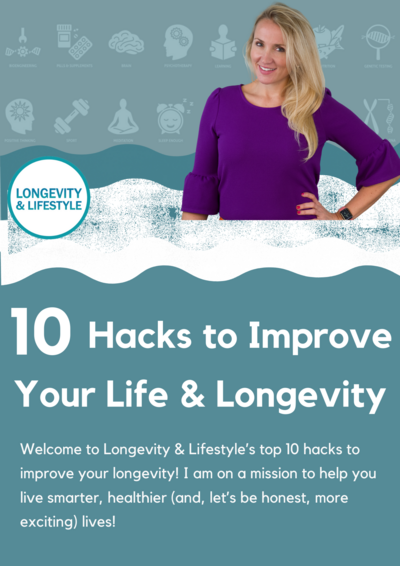
Steal Claudia's 10 Hacks to Improve Your Life & Longevity Playbook
FREE DOWNLOAD

Learn the secrets of health, lifestyle, business and finance optimization
Podcast
Top Resources
Steal My
10 Hacks to Improve Your Life & Longevity Playbook
Free guide
10 Hacks to Improve Your Life & Longevity
Want to learn how to live a smarter, healthier (and, let’s be honest, more exciting) life? Check out my free playbook with top tips just for you!
By signing up, you agree to join the Longevity & Lifestyle newsletter and to receive emails. We respect your privacy and abide by strict privacy policies.



LONGEVITY & LIFESTYLE
© Longevity & Lifestyle llc 2021 | Design by Tonic | Photos by social squares, Unsplash & Rebecca Reid
SEND ME A NOTE >
GET ON THE LIST >
@longevity&lifestyle
follow along: