#248 Maila Reeves — The Truth About NAD+, Peptides, and Longevity - What Actually Works
The Longevity & Lifestyle podcast
The Longevity & Lifestyle podcast
The Longevity & Lifestyle podcast

Episode 248
Sign up for
The Longevity & Lifestyle Insider
Join Claudia's Longevity & Lifestyle Insider newsletter to get top tips, insights and strategies on optimizing your life, health and business!
By signing up, you agree to join the Longevity & Lifestyle newsletter and to receive emails. We respect your privacy and abide by strict privacy policies.
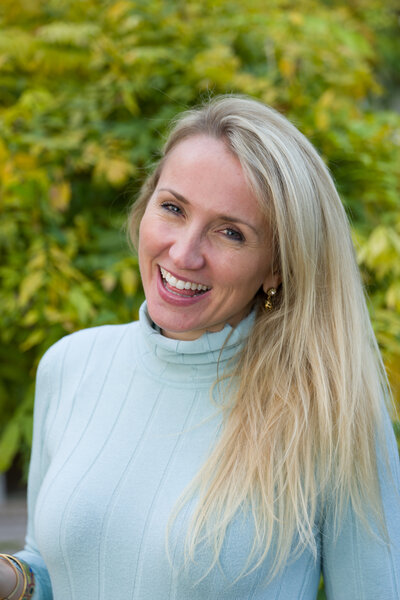

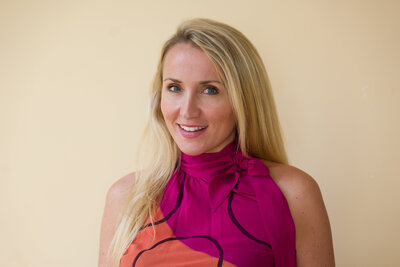
“Prevention is not optional when knowledge exists.”
- Maila Revees
In this solo episode, Claudia explores one of the most overlooked pillars of health: your environment.
We spend over 90% of our lives indoors - yet most people focus only on nutrition, exercise, and supplements while ignoring the space their body lives in.
Claudia breaks down:
• The five key environmental factors shaping your biology
• Why air, water, light, materials and nervous system load matter
• How your environment impacts energy, sleep, inflammation and performance
• The role of mitochondria and energy allocation in health
• Why you can’t optimize your biology in a survival state
• The truth about “healthy” swaps like saltwater pools
• Why wellness real estate is becoming the future of luxury and investment
This episode is an invitation to shift from optimizing your body… to optimizing the environment that supports it.
ABOUT THE EPISODE & OUR GUEST
Unlock peak energy, mental clarity, and long-term health.
If you’re an entrepreneur, leader, or high achiever who refuses to settle for burnout, fatigue, or suboptimal health - this is for you.
I help top performers optimize their energy, longevity, and success using science-backed strategies, biohacking, and personalized health protocols.
Book a Complimentary Peak Performance & Longevity Coaching Call
This free exploratory session will help you:
• Identify what’s holding you back from your highest potential
• Gain clarity on your energy, focus, and longevity goals
• Discover a proven framework for sustainable high performance
Spots are limited - apply now to reserve your session.
🔗 APPLY HERE
Peak Performance & Longevity Coaching Call
Show Notes
00:00 Introduction and Personal Journeys
08:14 Navigating the Supplement Industry
13:34 The Shift in Healthcare: From Outsourcing to Ownership
18:49 Non-Negotiables for Longevity and Well-Being
22:50 Understanding NAD+ and Its Importance
30:00 Comparing Delivery Methods: Subcutaneous vs. Capsules
34:42 Contraindications and Safety of NAD+
PEOPLE Mentioned
- NAD+
- Cellular health
- Cellular membrane
- Liposomal delivery
- Enteric coating
- Subcutaneous injection
- IV therapy
- Mannitol
- Free acid NAD
- Monosodium NAD
- Disodium NAD
- Peptides
- Amino acids
- Telomeres
- Perimenopause
- Menopause
- Hormone optimization
- Diagnostics
- Biohacking
- Supplement certification
- Informed Sport certification
- Clean NAD
- Extracellular inflammation
Products Mentioned
Terminologies
MORE GREAT QUOTES
"I don’t want chasing youth and managing decline. I want to live fully.” - Maila Revees
Legal Disclaimer: Please note, to avoid any unnecessary headaches, Longevity & Lifestyle LLC owns the copyright in and to all content in and transcripts of The Longevity & Lifestyle Podcast, with all rights reserved, as well as the right of publicity. You are welcome to share parts of the transcript (up to 500 words) in other media (such as press articles, blogs, social media accounts, etc.) for non-commercial use which must also include attribution to “The Longevity & Lifestyle Podcast” with a link back to the longevity-and-lifestyle.com/podcast URL. It is prohibited to use any portion of the podcast content, names or images for any commercial purposes in digital or non-digital outlets to promote you or another’s products or services.
PODCAST EPISODE TRANSCRIPT
Claudia von Boeselager: Welcome to another episode of the Longevity and Lifestyle Podcast. I'm your host, Claudia von Boeselager. I'm here to uncover the groundbreaking strategies, tools, and practices from the world's pioneering experts to help you live your best and reach your fullest potential. Don't forget to subscribe to the podcast to always catch the latest episodes.
Legal Disclaimer: Please note, to avoid any unnecessary headaches, Longevity & Lifestyle LLC owns the copyright in and to all content in and transcripts of The Longevity & Lifestyle Podcast, with all rights reserved, as well as the right of publicity. You are welcome to share parts of the transcript (up to 500 words) in other media (such as press articles, blogs, social media accounts, etc.) for non-commercial use which must also include attribution to “The Longevity & Lifestyle Podcast” with a link back to the longevity-and-lifestyle.com/podcast URL. It is prohibited to use any portion of the podcast content, names or images for any commercial purposes in digital or non-digital outlets to promote you or another’s products or services.
PODCAST EPISODE TRANSCRIPT
maila reeves (00:00)
My blood tests are data, but nobody knows your body like you. So it's a conversation. So first it starts with awareness and ownership of your own body.
Claudia von Boeselager (00:04)
Yes.
maila reeves (00:09)
What do I feel? What do I notice? What am I noticing? That looking in the mirror, the recognizing every time my body is showing me something, it's whispering a little signal. And when it becomes strong, you've probably left it a little late, but it's never too late. Well, one hopes it's not too late, But it's in conjunction with diagnostics, With a good doctor that you trust, both in terms of technical fluency, but also...
their bedside manner, Some people like that quite direct manner, some people need some more hand holding. That's fine, but we have to recognize health is so personalized.
Claudia von Boeselager (01:33)
Welcome back to your audience. My guest today is Mila Reeves. Mila is a longevity entrepreneur and health innovator working at the intersection of science, cellular health and ethical business. Her journey into longevity is rooted not only in professional curiosity, but in a personal commitment to understanding how we can age with energy, clarity and resilience. Something of course we all want.
With a background shaped by discipline and long-term thinking, including years immersed in chess and classical music, Mila brings a rare blend of analytical rigor and creative focus to the longevity space. She is particularly passionate about NAD +, and its role in cellular health, as well as raising the bar in an industry that remains largely unregulated. A strong advocate for transparency and self-regulation, Mila is vocal about the importance of certifications, testing, and consumer education.
Her work focuses on building trust, integrity and higher standards in the supplements and longevity industry, ensuring that innovation is matched with responsibility.
something we know that is super important. Through her work, Mila is helping shape a more credible led future for longevity, one rooted not in hype, but in quality, accountability, and long-term human health. after speaking at events together in London, Mila has become a dear friend, so I'm very excited to bring her on the show for you today, dear audience. Please enjoy.
Claudia von Boeselager (02:56)
so, so excited to have you on. Welcome to the Longevity and Lifestyle podcast. We made it. We finally got it organized.
maila reeves (03:01)
We did super excited.
I can't see you out and about so now we're doing something professional of it
Claudia von Boeselager (03:07)
I love it. So fun when you can combine friendship work Although if you do what you love, you don't really work, right? So we love it. Mila I would love you to share with my audience today a little bit about your origin story, because you didn't arrive in longevity, but through the traditional, let's say, wellness path. What was the moment that pulled you into this space? And I know this also talks about immersion in chess and classical music. So please share with us.
maila reeves (03:32)
Gosh, well I'd love to say that there was an epiphany in this like really kind of like earth shattering moment, but actually it happened by stealth, right in my personal life. So my personal life started working in the fashion industry at the age of 10 and actually started to realize the importance of showing up your best self, your energy, your discipline, and yeah, aesthetics did come into it, but it just sort of, determined opportunities for me.
So growing up where I'm actually helping to look after my family, getting those jobs, getting those modeling gigs were really, really important. And then the discipline was, you know, waking up at three, on set by four, and pretending it was really refreshing to be in the sea when it was freezing cold. So to me, looking good was not about vanity or just purely cosmetic. It determined literally how me and my family lived. So it was really important to me to actually...
I started joining panels and doing podcasts and thinking about how long I've been biohacking. And honestly, it feels like I've been doing it all my life and certainly before it was even a term. So that was really important.
Claudia von Boeselager (04:34)
What were some of
your early biohacks? I'm curious. What were you doing at the very beginning back then?
maila reeves (04:40)
Okay, right, 14 years old, I'm living in Australia, going to school, and I've got this bowl of ice cubes and I'm putting them my face. That's cryo, right? That's literally, I didn't even know where I found that. That to me was like, my goodness. And then I just continued with that and that discipline on making sure I showed up with energy, with discipline, caring about how I presented myself. It wasn't do I look good? was am I presenting my best self?
Claudia von Boeselager (04:49)
Yep.
maila reeves (05:05)
right, in order to maximise opportunities. That stayed with me because then I went into law. I'm very much like you in banking and I love the intellectual cut and thrust of law. So I trained both as a barrister and solicitor and those transferable skills of evidence, you know, stated me today, obviously with bio-atelier, but from there I then went on to lead the foreign direct investment team for the Swedish government.
where I represented their tech industries, but notably digital health and med tech. So actually in my professional life, I was very much industry agnostic and worked as a strategist, as a lawyer, as a negotiator and business development person from everything from FMCG all the way through to SaaS, all the time in my personal life, continuing to optimize mind and body. And now of course they've converged, which is beautiful. And then on top of that, you've got market trends that are further
to find that and deepen this. So I'm loving it. I've literally gone from almost having like a portfolio career and doing a number of things to going deep into this and I'm exactly where I need to be and where I want to be.
Claudia von Boeselager (06:08)
I absolutely love that. feel like that's too, you know, originally when I was growing up, I wanted to go into medicine. My mother's a medical background. And then last minute I decided I didn't want to, when I was applying for university, I didn't want to be in a hospital with neon lights every day. So I was like, let me do business and languages. And then went into banking and then tech startups. And I've had, you know, I said multiple lives in this lifetime, but now in the longevity health optimization space, but bringing in the business component and just doing amazing things. So it's so much fun. So such a gift.
maila reeves (06:26)
Yeah.
I love it,
but I also think it sets us apart, if I may. I see a kind of promises packaged up expensively, a lot of snake oil. I mean, when we launched, I remember looking about this incredible summit thinking, oh my goodness, I believe about 80 % maybe is snake oil. And even those great products, services and protocols, they're not being marketed or commercialized well.
Claudia von Boeselager (06:35)
Yes.
maila reeves (06:57)
And I'm actually, I feel very grateful that I came from that business background. So I'm able to bring those skills into this space because I think we really need it. I mean, taking supplements, you know, I'm diving straight in there, but it's unregulated. How is that possible when we're ingesting them? I think, you know, the average person takes or pops a supplement thinking it's a candy. They treat it like it's going to fix you like medicine and it's not even regulated as much as food.
Like, I don't get it, I know.
Claudia von Boeselager (07:25)
it off Amazon and it's not even tested, right? So yeah.
maila reeves (07:28)
Exactly.
what's out there, sort of mercury in these fish oil supplements. It's scary. You know what? But I was one of those. That's how I got into it. I've been doing NAD now for a very long time. And I was putting something into my veins without fully working out what it was, what the provenance was, you know, because I just didn't know. But as I've gotten deeper and deeper into the space and now created something myself, you know, I'm much more diligent.
Claudia von Boeselager (07:54)
I'm yeah.
maila reeves (07:54)
about what I take and what
I sell and what I recommend.
Claudia von Boeselager (07:57)
And this I really want to dive into, and you made a really good point So you have the scientists that have something amazing, but they don't know marketing. They don't know business. They're not able to communicate it, so people don't get it. And they either wither away, or they're sort of trying to get into the market, but they haven't figured that piece out. And then on the opposite side, you have someone who has no idea what they're talking about, but they're good at marketing and sales.
and they know how to show it up at the conferences and talk like this is the best thing since sliced bread and people are believing it and buying it and not testing. So what would you love consumers and people listening to really understand? Like what should they be checking? What should they be looking at when looking at supplements and things like NAD, et cetera?
maila reeves (08:36)
Well, what should you be looking at in the supplements industry generally? I think you need to be looking at the labels. I think people are pretty clued up now looking at the back of labels on food.
We need to take that same lens and apply it to supplements. It's an evolution. And I think in particular, if you're going to spend a lot of money, which longevity molecules are, you need to do that even more. And then again, the bar is raised even higher if you're going to inject. You cannot be injecting something directly into your veins or subcutaneously if you don't know the provenance, the manufacturing process of those products.
Claudia von Boeselager (09:13)
So before we dive more into NAD, I just want to ask you, when did longevity become personal for you? So not just profession, like bringing it all together, you were saying, but I want to touch on that point.
maila reeves (09:24)
You know what, again, it It was a bit of a slow burn, kind of. I mean, I think like other ambitious women like yourself, I I think I thought it was a badge of honor to just keep going and functioning through exhaustion, right? But then I started to realize that actually functioning well is not the same as living well and being well, right? And I think as I started to see my daughter enter her teens and I needed a bit more energy,
And also my hair, just little things that we notice in the mirror, they started to bug me, especially having come from the fashion industry, right? And I started to just take a little bit more time for myself. And that coincided with, you know, learning more about longevity companies and longevity as as a concept, because I was commercially advising.
some of the world's best institutions like Land's a Whole, for example, and other ones. So I'm listening on one side to them and understanding what they do and commercializing what they do. And some of it would seep in. I'd be like, hold on, I need to apply that to my own life. Why am I advising this top CEO of a tech company to go there and reset, to consider what he's eating, to fast, to do this, right? Look at cognitive performance, not just physical performance and energy performance. Like, hold on.
Why don't I practice what I preach? People know me as authentic, so I should be living that too. And that's when it started to sort of sink in. And I started listening a little bit deeper beyond just my commercial ear, as it were. And as I say, starting to see those signs of aging, which is normal, right? I just wanted to know, was there anything I could do about it? And what I realized actually is that looking in the mirror and noticing what I call signals,
is not vanity, right? If we have getting thinning hair, if we are having dehydrated parts of our body, wherever they are on our skin, the body's trying to tell you something, right? It means you're dehydrated. It means at my age, perimenopausal, that I'm not being hormonally optimized. And with the knowledge we have, the technology, the diagnostics, there's no reason to simply manage decline, right? And I'm not even chasing youth. It's not that I'm chasing. I just simply want
to age in the best way possible given everything we have these days.
Claudia von Boeselager (11:42)
I love that. And I think that's really important. Some people are like, it's just vanity or it's just nice to have or who wants to be young forever. And it's not about being young forever. I agree with you. think it's about how do you get into the optimal version of yourself today? And that is making sure that your body can function properly and support you on the journey. the really important point, it's a real dichotomy because if you don't do that, the path looks pretty grim. Right. And so we know that like Alzheimer's is a 20 year in the making disease and
If you don't take care of your hormones, mean, all the cascading effects for women, my cardiovascular brain health, et cetera, et cetera. So it's almost an imperative to start taking care of yourself, to really break down, you know, where is your body signaling? I love what you said. Where is your body signaling? What needs to be improved because it's already starting to decline? And then action that because the science is there, the information is there. Not everybody knows and not everybody, and not every doctor knows. And I think that's a frustrating part
However, there are experts out there, experts not influencers, so to very important,
maila reeves (12:41)
Yes.
Claudia von Boeselager (12:42)
to be able to step into the highest version of yourself. So you don't need to, let's say, quit your high-powered job at 50 because you feel like the brain fog is horrendous and you have no idea what's going on. Check your hormones. These are basic things, right? And there are people out there who can help. So I think that's a really, really good point that you brought up. Thank you.
maila reeves (12:59)
I was going to say, you know what, when I do my energy intelligence workshops and I get people to visualize where they're going to be, what a day in their life is going to be 20, 30, 40 years from now, right? Do you want to see yourself in a wheelchair, in a care home? You know what? I don't. I want to be having great sex. want to be having a drink with you and enjoying myself. I still want to be skiing and playing paddle, right? So that means I want to
feel sexy, strong, sharp for as long as I possibly can. And there's no reason that with the prevention and the intervention technologies available to us that that is not gonna be possible. I warned my daughter the other day, I said, be very careful. I reckon I'm gonna be around till I'm 105,
Claudia von Boeselager (13:43)
So I've told my children because they told double gen Zed and I was like, no, I'm not. I'm a cusp of my video, first of all, number one. Number two, I said I'm not even a third of the way because if I hit 150, I'm 44 right now. I mean, I've got a long way to go. So we need to start optimizing to keep it that way, right?
maila reeves (13:59)
⁓
wow. Okay, listen, high five to that. I do want to touch on something you said though, because I think we're in an evolution. I truly believe that the journey of healthcare and self care has changed. Meaning, when I look at my parents, for example, and even myself as a younger person, we outsourced our health, right? We would get sick, we would then go to a doctor. There was no halfway house, we'd go to a doctor.
We'd hope that we communicated our symptoms and ailment well enough that they could give us the correct medication. Again, that was their first port of call, medication in their very bad handwriting, which I have the same as a lawyer, right? And that would be it, right? And then we'd wait again for another ailment, another this or whatever. Now, I do think people believe that they no longer outsource health and they have their data from their wearables and things like that.
Claudia von Boeselager (14:34)
Let's go.
maila reeves (14:51)
I'm not sure we're fully there yet. do think data, example, wearables are kind of owning us a little bit. Wearables and the data they spread out are great when they're tracked over weeks and months, not on a daily basis. So if you see something like, you have a sleep deficit from last night, or you did not have a good night's sleep, that isn't helpful. That's bad self-talk. If I don't have enough sleep, I'll wake up and I'll say,
Claudia von Boeselager (15:04)
It's the
maila reeves (15:17)
I had enough sleep, I'm still gonna have a great day. So I think that's still really an issue. And as you say, a lot of people are outsourcing trust to influencers, right? So I still think we have an education piece left to go. I would consider myself, as potentially an influencer because I'm not a scientist, I'm not a doctor, but I've lived it. If I've been trying things,
and experimenting as I have done with peptides for over 17 years, right, I'm talking from, yeah. So that's my opinion based on my experience.
Claudia von Boeselager (15:45)
I'm gonna turn that off. ⁓
I think that is a really important point to make because of the confusion that the information out there brings. And so there's multiple facets. One is the influencer. So we're going to dig into peptides soon because this is such a hot topic and everyone's talking about it. I literally can't walk anywhere without someone asking me about peptides, talking about peptides. can't go to the gym anymore. There's like the peptide community now that all like come over, which is hilarious, but
like, yeah, this influencer said this or this is the dosing that they recommended. And it's so individualized. And I think that that's the really important point, too. And at the same time, there's mixed signals being given from different doctors. So one of my dear friends has unfortunately had cancer. And the doctor said, absolutely, you cannot take any estrogen whatsoever. And even in a book by Dr. Allen, I believe his first name blooming, estrogen matters, where his wife and daughter
maila reeves (16:35)
Mm
Claudia von Boeselager (16:42)
both had breast cancer and they are taking estrogen. different. There's vaginal estrogen even if needed But the science shows that if you do not take it, like at some point the body does not produce it And so I believe it's these mixed signals. She's like, well, my oncologist is telling me I shouldn't and I don't want to get cancer again. And it's that gap in education, even amongst the trained professionals and they go into medicine with the best of intentions. So, you know, I understand, but they're not reading all the research. They're not able to, they don't have the time, whatever the reasons
maila reeves (17:09)
Yeah.
Claudia von Boeselager (17:09)
And so I feel for people
and it's frustrating. And I try to help as much as I can pointing the right direction or speak to this doctor because they're more in the know, et cetera, but not everyone has access to that information. So what would you say are some basics, particularly for women, but maybe for men too, as we are aging, what are some of the protocols of things that are non-negotiable for you and what you recommend your friends and family?
maila reeves (17:32)
I will come to that. I'm going to say, have you been listening or attending my panels? Because I call what you refer to as the knowledge gap.
right? I just do. I mean, I literally mentioned the other day, I was like, sure, I that last time. So yeah, there is a huge knowledge gap. And then there's loads of sensational narratives, go and drink the the bloods of a white badger and stuff and all those kinds of things. And you don't know. But just like fake news, it travels so quickly. So then going back to you, what are you about doctors and different schools of thought, and I think
Claudia von Boeselager (17:43)
Great, men single out.
maila reeves (18:02)
It's not even just doctors, it's all industries, right? But I think in particular with doctors and scientists, they seem to be really hell bent in thinking my protocol is the best. And I'm finding that a lot. I remember having a conversation with a stem cell scientist and she said, any deep therapy providers should be arrested. That's a little harsh, right? When you're charging $50,000 to do stem cells where...
There's still some argument to say should we use allogeneic or autologous or whatever. So it's a funny one. And actually I'm going to come up with a little piece of content on Instagram and it's called Your Doctor Isn't Always Right. And that's because of a recent experience, which was this. I did my blood test. I was feeling extremely tired. I went to see my fantastic hormone doctor and she prescribed me something. I followed it blindly for four days. Felt awful. Right?
After four days, I texted, I said, I'm not feeling good. I'm coming off it. Now I'm quite self-aware person, And after 24 hours, my symptoms abated. And what I'm trying to say is this, the doctor is brilliant. My blood tests are data, but nobody knows your body like you. So it's a conversation. So first it starts with awareness and ownership of your own body.
Claudia von Boeselager (19:01)
Yeah, on experience.
Yes.
maila reeves (19:21)
What do I feel? What do I notice? What am I noticing? That looking in the mirror, the recognizing every time my body is showing me something, it's whispering a little signal. And when it becomes strong, you've probably left it a little late, but it's never too late. Well, one hopes it's not too late, right? But it's in conjunction with diagnostics, right? With a good doctor that you trust, both in terms of technical fluency, but also...
their bedside manner, right? Some people like that quite direct manner, some people need some more hand holding. That's fine, but we have to recognize health is so personalized. That's actually at the core of why we started Solace actually. And when we had such a kind of huge bank of different doctors, but even in the same industry or the same speciality, why? Because, you know, I could have a twin sister, but our lifestyle could be different and our desires and preferences.
for a bedside manner were different and we wanted to cater for that. And we recognized that what seven, eight years ago and it's becoming even more personalized now. So I think you need to get tests done. need to take ownership of the good doctors that you wanna see and they make you feel good. And then you need to use common sense. I don't think there's ever any black or white. We're working with a top oncologist actually to see if NAD can be diverted to healthy cells. Cause as you know,
current thought is that because NAD plus regenerates your cells, it cannot distinguish between a healthy cell and a corrupt cell, which is why we say please don't take them, right? If you know you have cancer right now, but he was able to divert L-glutathione, which is also prohibited if you have cancer typically, to healthy cells, right? So there are ways and people working on, know, just come back to the estrogen thing with your friend.
It's hard to know and hard to navigate. You have to find a trusted advisor and know there are always people trying to find ways in which a particular molecule can support your particular ailment, I think. And then you ask me what my own actual protocols are. My non-negotiables, they're not actually supplements other than my NAD. The very first one is positivity. I mean that.
Claudia von Boeselager (21:27)
Love
that. Love that.
maila reeves (21:28)
I
really, and I live it, and you know me a long time now. Right? ⁓
Claudia von Boeselager (21:32)
Yeah, yeah. Now,
I think that is so that really needs to be repeated that positivity, that mindset piece is the because if you are in that depressive loop looking for the negative, you will always find it. But it's a choice to be positive at any given time and to see the good in people, the good in opportunities, the good and even difficult situations, trusting the process. So thank you for highlighting that. Yes, positive.
maila reeves (21:39)
Yes.
I create.
And also
positivity towards yourself, your beautiful body, your body that has helped you get to 50. You've delivered beautiful children, we hope they're beautiful, inside and out, right? That takes you to work on the tube. don't think, we get one vessel, right? And it's taken me a long time to appreciate it. Of course I suffered the same thing. Am I big? Am I this? Am I bloated? Am I that? You know what? My body's beautiful. It carries me.
Claudia von Boeselager (21:57)
Yeah.
Yes, exactly.
maila reeves (22:20)
and myself, so I get to do these podcasts, I get to talk to people, I get to engage and dance. So I have gratitude for where I am in life and every single lesson and for my body. And I really think that helps, right? Because as you say, that self-talk is really important. So positive and gratitude. Out of all of the supplements I've taken, I've now reverted to only three that I take, you know, rain or shine. One of them is my NAD.
whether it's an injectable or a capsule, I cycle on and off. One is NAC and the other is vitamin D.
Claudia von Boeselager (22:51)
Now we're digging into NAD+. And so for people who are maybe not super familiar or have just heard about the buzz, but they don't know exactly what it is, can you explain what it is? First of all, what is it doing? And then let's, we'll dig into a little bit more afterwards.
maila reeves (23:05)
Sure. So NAD stands for nicotinamide adenine dinucleotide, which is why they have an acrimine. How would I call it? It's life's power source. It literally is. It's been around for six billion years. It's in every single cell of the human body and in every living organism. So we wouldn't exist if we didn't have it. The sad thing is that our NAD levels decline.
at an increasingly younger age and actually to chronic stress, basically modern living, right? And they're actually associating reduced NAD levels with people with Parkinson's, sometimes bipolar neurological issues, certainly with addiction, right? And actually what we're doing at Bio Atelier is actually giving some product to Parkinson's sufferers. And we're working with a top brain health professor in Germany for his clients.
to see how we can improve NAD levels and how that improves their ability to live, think. I mean, I don't know if you know that NAD actually started in the addiction world. Did you know that?
Claudia von Boeselager (24:00)
Beautiful.
I
did know that actually, but just because I've had someone else on that was discussing NAD, but maybe you can explain that for people. So from alcohol addicts, different types of addicts their NAD levels just go crashing because of the addictions and the liver, kind of filter things. So maybe you can walk through a little bit why addicts are at like a zero NAD and they need the replenishing intravenously.
maila reeves (24:27)
So they're depleted on many levels actually, depending on what their addiction is, drugs and alcohol, but certainly physically, there's sort of what you would call that depressed immune system levels as well. And neurologically, they're not getting enough dopamine into their brain. So typically with someone who has an addiction, you turn them to a therapist and they would get you to consciously try and understand the traumatic event or events in order to...
Claudia von Boeselager (24:37)
Yeah.
maila reeves (24:52)
prevent you from further relying on that crutch, which is essentially what that addiction is, And they discovered that NAD completely bypassed the consciousness and gave you that biochemical reaction to give you that dopamine and make you feel good, which is why we've had reports of clients say, I wasn't hungry. Because what typically they were thinking was hunger was actually a stress reaction, a crutch reaction. I'm stressed, I'm going to do this.
So that's been really good. And we've had a lot of people come off their antidepressants once they started taking our capsules or injecting, which is incredible. And we'll come to that later. I still don't think we're anywhere close to understanding the real capability of what clean NAD can do. But just to say that, I don't know, 10, 15, 20 years ago, I think, NAD was only used in IV therapy for addicts in clinics.
And then during COVID, my two co-founders created the NAD being taken at home. They were literally tasked with how do we continue to get NAD into the hands of people that need it? And of course it ended the longevity space, why? Because these addicts that started to feel happy, which is great, big tick there, but they started to look 10 years younger and everyone's going, what the, hey, I can see something in this.
Claudia von Boeselager (26:04)
What are you doing?
maila reeves (26:07)
from a small kind of subset of society to literally everyone, right? So that's how it got into the mainstream space. But as I say, it was only an IV therapy previously.
Claudia von Boeselager (26:20)
Let's talk about delivery mechanism. And obviously it is a larger molecule. So to get into the cell where it needs to can you walk through what the different delivery mechanisms are? Maybe also break down subcutaneous people might be like, what is that exactly? So how does that work? What does that mean versus the IV drip that we know those clinics around the place that offer that too, which may or may not be for everyone. Right. So can you walk the delivery mechanisms?
maila reeves (26:34)
This is me
Sure, and I want to agree with you on that regarding the IV therapy. If you imagine a Ferrari, it's like you're over-revving it in gear seven, right? And what happens? The wheels are burning, everything's kind of like over-revving, right? If you are a fairly healthy person, you don't have those depleted levels like an addict, like someone who's done ultramarathons, for example, you don't need it. And actually what can happen is it can increase your inflammation, and that is not what we're hoping to achieve.
Much as we supply the longevity molecules, including NAD, to various top IV clinics around the world, we rely on the professional to advise on whether an NAD IV drip is required. So that's that. The next mode of delivery is subcutaneous, which means basically under the skin. So that's probably the second strongest way of getting NAD into your body, because it gets dispersed into your fatty tissue. And we all have that with our skin.
And we do NAD with that. In fact, we're coming up with spermidine very soon. We'll be the world's first. And also L-glutathione. So the L-glutathione means that more concentrated, more stable version of glutathione. And then we have the capsules. Now, you talked about intelligent delivery, and I love that because I think a lot of consumers, including myself, have been sold the promise of NAD +, but it's not actually happened. Why?
Claudia von Boeselager (27:44)
Okay.
maila reeves (28:05)
because the molecule has been too big. I think it's mostly because delivery method hasn't enabled it to actually cross over the cellular membrane as impactfully as it wanted to, as the product or the company wanted it to, or at all. And the reason for that is certainly with liquid NAD, it was with mannitol which is a agent.
Now people will not see that ingredient on the back of a vial because it's not an ingredient. It is literally part of the manufacturing process used in about 99 % of all NAD. decided to work with our lab who have on chemotherapy delivery for about 30 years. They have a number of PhDs, professor of nanoscience for example, and they applied that precision science to delivering
So our liquid one is manufactured without Mannitol. And then our powdered one in our capsules was actually created using precision science that typically is used for chemotherapy delivery. So we're very big on intelligent delivery. It's not just about the molecule. Well, firstly, we believe in what's the provenance of the ingredients? How do you store the ingredients? How do you manufacture your ingredients? Are you testing them?
And are they for the person taking them? Like how much are you going to absorb? Right? Which is why our capsules, again, patented, same as our liquid ones, they're patented, they're liposomal, and they're enteric coated, meaning they don't get broken down actually in the GI tract, so in your stomach. They get completely absorbed in your little intestine. So anyone that's listening, if you go to your supplements cupboard, you open it, you'll see that it says mostly vegetable coating.
which is absolutely fine, but what happens is it's recognised as a foreign object and the pH in the stomach will actually break down that coating and by definition break down some of the molecule. So you are definitely not getting the amount that they say you're getting on the back of the label sadly, but that is the majority of the industry.
Claudia von Boeselager (30:02)
Yeah, and I think that's such an important point. And would you say the most effective mechanism is the subcutaneous? Obviously, not everyone is into injections, but is it the most impactful for people if they're looking to take NAD?
maila reeves (30:16)
It is long term and it is if you're really trying to do neurological issues, for example. So I cycle on and off, the capsules are incredible. I'm overwhelmed by the impact they have on me and other people that take them. Literally within 35, 40 minutes, people are saying my eyesight has gotten better, my brain fog has gone, I don't have jet lag, I don't have a hangover, I'm happy, I'm energetic. That I would say is about out of nine, well.
Nine people out of 10 typically say that, which is amazing. And for us, it doesn't matter whether you're a high flying executive or you're a mom who said to me the other day, you know what, at the end of the day, for the first time in two years or however long she had the baby, she said, I was able to wash my hair and put the washing on. It helped her just live her life, which is beautiful. You know what, let's not forget, it's not just elite athletes and CEOs that are high performers. Mums are high performers.
Claudia von Boeselager (31:02)
function.
A thousand percent.
maila reeves (31:11)
as a single mom, you know. So, so I would say for that day, because it's slow release as well, so our capsules are incredible for that day, and they're very good at reducing the inflammation around the cell, that extracellular inflammation. I believe our subcutaneous is stronger and actually does the crossing of that cellular membrane. I certainly noticed it. And I think what's beautiful about NAD is you can take it when you have a hangover once, and that's it.
You could take it for 90 days, stop it like that and there are no withdrawal symptoms or like me, you see the effects, you love the effects and you want them to be continued and amplified. You consistently take them because I do believe that there is some reverse ageing there.
Claudia von Boeselager (31:55)
I mean, you obviously are looking absolutely phenomenal always. there's a lot of impact in there. But I think for me personally, what I really like is, especially if I'm traveling a lot or I know that, know, jet lag, different or longer work hours, et cetera, that it really helps that mental acuity, that sharpness straight away and those energy levels. yeah, mean, Subcutaneous has been my biggest fan. I haven't tried your
yet. So I need to still try those what they're like the subcutaneous is phenomenal.
maila reeves (32:22)
do travel
I'd love you to share how you felt I mean, you've been taking an NAD a long time. So you've tried our products, well, our subcutaneous. And how do you feel with them?
Claudia von Boeselager (32:29)
On up. exactly. When
I take it subcutaneous and I mean, in general, because I obviously take some other things as well. it's, I'm at a very good baseline, let's say, but where I noticed where I'm not at my usual self is post travel, jet lag, et cetera. And if I'm taking them the NAD, it's like immediate fix. It's amazing. Then I'm switched on focus. I can do long days. can get everything I need to get in. I can show it for my kids with energy, et cetera.
And so that's the real game changer that you can tell the body's just depleted like travel is very strangers on the body You're sitting in a radiation machine for many hours, right? And so you need to detox that and you need to get your energy levels back So I find it so so powerful. Yeah, I Love it
maila reeves (33:11)
Yeah. Great. I'm delighted you say that.
How do you manage to look beautiful still when you're fragmented on the screen? That's really unfair. You just look like an art piece.
Claudia von Boeselager (33:21)
So this is what I like about Riverside is that it records locally so even when it gets a little fuzzy, whoever's internet that is.
maila reeves (33:29)
Well, you looked good. I think NID is incredible. I really, really do mean that. I have noticed that it's affected the volume of my hair, libido, brain clarity, quality of skin. I mean, listen, we're all a similar age. We won't tell the audience exactly what, but you know, I really love it. We're doing studies with so many people, different kind of sub-segments of health. And instead of the typical way of saying,
This is what we believe our product can do. You know, test our hypothesis. We do it the other way around. We say, take our product. You tell us what you see, the good, the bad and the ugly. We need to know, right? And we're seeing incredible results in fertility, in the balancing of hormones, people that are perimenopausal and menopausal, cognitive performance, sexual performance, sleep health. You know why I'm wearing this ring? I shouldn't tell you which one, because we have to ink the deal. But.
I stopped wearing data wearables actually because I find that they measure only intensity or arousal rather than giving me context. So if I'm dancing around the house, it started flipping at me telling me I was in a stressed state. I'm thinking, hello, I'm Latina. I've never been happier. Exactly. But yeah, that's true. That's true. So.
Claudia von Boeselager (34:38)
My part in Latin is one, the way.
maila reeves (34:42)
We had, I don't know, over 200 of our clients saying, sending stats to me, which is lovely, but when I'm getting like 50 a day, I'm like, saying their HRV levels had increased and their sleeping time had increased as well. So that's another example of where we're listening to our clients and going to a wearable company, hey, we've got all of these testimonials, let's do something. So now we are gonna partner with this wearable company together with some elite athletes and some of the premier league.
teams in the UK. That's exciting.
Claudia von Boeselager (35:12)
Super, super exciting. Can't wait to hear about that Are there any contraindications for taking NAD, NAD +, for people perhaps to know about? What would you say?
maila reeves (35:15)
Yeah.
Cancer, which we touched upon, certainly for injectables. Pregnancy.
Claudia von Boeselager (35:26)
Yeah. ⁓
So active
cancer, just to be clear. So if someone knows that they have active cancer, they should not be taking NAD +, particularly the infectable.
maila reeves (35:36)
If they are currently on immunotherapy and if they're pregnant and or breastfeeding. Because we just don't know and we're not going to muck about with that. There's no studies happening on that. We just give out a wide berth. You know something I've made a glaring omission. We talked about our fabulous capsules. I haven't told you that we secured informed sports board certification. We are
literally the most certified NAD brand in the world now. And we are the purest with our capsules. Since we got this certification, it means we can be approved and used by elite athletes globally.
Claudia von Boeselager (36:10)
That is super exciting. So congratulations on
Claudia von Boeselager (36:12)
Can you explain for my audience, because I think this is a really important point, there's a lot of less quality NAD products on the market and BioAtelier obviously has a leading one, as we know from other certifications that you have now. Why is it slightly yellow in color for the subcutaneous injectable?
maila reeves (36:28)
That's a really good question. there are actually three forms of NAD. So you've got free acid NAD, monosodium NAD and disodium NAD. So we produce the free acid one, which is the most stable of the three. It's also the one that has that slightly stronger yellow colour. So you know that you're getting the most stable version of NAD, basically.
Claudia von Boeselager (36:50)
And does it have less of the mannitol in it? Is that also part of the contributing factor?
maila reeves (36:56)
So actually the Manitou is an additional thing. The Manitou is actually how it's produced. And what happens with Manitou, can push insulin levels up, which is actually for me, I'm very sensitive to that. And I get extreme nausea. I think when you can this opinion about people who have done an NAD IV drip, a lot of people will say it took a long time, somewhere between two and four and a half hours. They got headaches. Pressure on chest is very common as well. And that extreme nausea.
and we're being told actually that's the NAD. So you persevere. I persevered for 10 days doing it every day in the hope that it would reverse age me. I'm sure it did something. I definitely felt some brain clarity and energy. But actually those symptoms come from the mannitol. We've taken away that mannitol. That mannitol also blocks the ability for the NAD plus to actually cross over the cellular membrane. So now that we've taken away that mannitol.
The customer experience is much smoother, which means they'll do it again. It's much shorter. The effects are better and the side effects are so significantly lower that it just makes it a more pleasant treatment and they'll come again, as I said, and recommend it.
Claudia von Boeselager (38:06)
Let's shift gears and talk about peptides before we finish up today. It's a hot topic and it's something you've been doing, you said, for 15 years. So how did your journey into the peptide world start? What do you do? What do want people to know? Let's break it down a little bit.
maila reeves (38:09)
Yeah.
actually, I think it's 17 years. But no, we're that we're counting, but how did I get into it? I was dating a very sexy rugby player, professional rugby player, and he kept getting these injuries as did his teammates, know, top athlete, and he kept injecting, which I thought was, to me, at the time meant heroin. And I was absolutely mortified. I was thinking, what are you doing in my house? You need to like leave immediately.
And then he explained it to me. And actually my own appetite for risk is quite high, right? I mean, in this space and experimentation and the way in which he explains it and the data, you know, in the form of other professional athletes using this comforted me. So I started trying it and I loved it. I still take them now. I think it's really important. think you said originally that lots of people are asking for different protocols.
everybody's different, you have to see a specialist. Obviously, it's still research only. Certainly here in the UK, I believe 12 peptides have now been approved by the FDA, but there's still a gray area.
but what are peptides? They're chains of amino acids, right? They actually send a signal to your body and your brain to do more of what it's supposed to, right? That's what it is. And when we rely on it so much, we inhibit the ability for our body to produce certain things, reactions, certain molecules in our own body. And that's not good. So for example, I'll cycle on and off twice a year on Epitalon for example.
to support with elongating of my telomeres. I'm a huge fan of GHCKU, right, for skin, which I absolutely love.
So I started off with BPC 157 and TB 500, because they work really well together for tissue recovery, muscle recovery and all those. And then I migrated to other so things like what else? Ipamarylin, for example. You've now got Solanke.
Claudia von Boeselager (40:09)
interested.
maila reeves (40:16)
There's quite a lot. I don't take PT-141, but I hear that's very, good for those that want increased libido.
Claudia von Boeselager (40:22)
Yes, exactly. Apparently I hear exactly. I don't take it either. But I think there's some really interesting ones. And I think the really important thing for people to realize is that, as you said, these are short chain aminos. These are things that your body naturally produces. They're peptides like insulin is a peptide. Right. And then we obviously know the more famous ones, the ozempics and the GLP ones. But it's transforming people's lives, essentially what is actually possible. And I personally believe that everyone should have access to quality tested.
maila reeves (40:41)
Okay.
Claudia von Boeselager (40:49)
peptides because as we age these signaling molecules in the body they do decrease and so why not be superhuman right and why not be the best version of yourself age in such a detrimental way because our environment is super toxic be it from the you know the homes we live in with black mold potentially with air toxin pollution etc
maila reeves (40:55)
Okay.
Claudia von Boeselager (41:09)
to the food we ingest etc it's very hard in the microplastics perfect all the time so this is a support system
As you said before, also, think number one is testing, blood test, understanding where your baseline is and where the gaps are and what needs to be done is super, super important. Yeah.
maila reeves (41:25)
Yeah, I
think also we've got to remember all of these are hacks as well. We've got to get the pillars right.
which constitute sort of 80 to 90 % of how long and how well we live. Let's eat well, move well, sleep well, connect well, have purpose, right? Which is why I come back to that positivity and gratitude, right? When we don't have purpose, when people retire and they've got nothing to do but mow their garden, their brain goes. Their motivation to live goes, right? We need that. We need that stimulation. So let's get the pillars right and then...
Claudia von Boeselager (41:41)
Yeah.
maila reeves (41:58)
If we have time, money and the inclination, let's do the peptides. Let's take the NAD to supplement us living well already.
Claudia von Boeselager (42:07)
Yes, 100%. It starts with the basics. A lot of them are free, know, social connection, the sleep, mindset, positivity, gratitude, even well. So yeah, absolutely love that.
maila reeves (42:16)
But they're not
sexy though, It's not as sexy as getting under a red light, but it's the daily habit.
Claudia von Boeselager (42:20)
It's not a magic pill.
Exactly. It's not a magic pill. And people are just like, I want a magic pill because marketing and big pharma has told us that we can just take this and we'll be, you magically better. We look at all the commercials.
maila reeves (42:31)
Well, watch this
space with NAD. I tell you, try the cat shows. I mean, it's as close to a magic pill as I can see. And we've got other products in the pipeline.
Claudia von Boeselager (42:40)
Very exciting, very exciting. So unfortunately we're at time already, but what are some parting advice or words of that you would like to share with my audience today? And we'll have to do a part two at another time.
maila reeves (42:44)
Ha ha ha!
What would I say? I'd say prevention is not optional when knowledge exists. I really would. And I don't want chasing youth and managing decline. I want to live fully. I want to live alive energy. Energy is everything.
Claudia von Boeselager (42:57)
Hmm.
Where can people follow you, find what you are up to, audience a link in the show notes have offered you a discount all of that in the show
maila reeves (43:19)
and Bioatelier, and we've got LinkedIn, and I've got my website, The Infinity Code, as well.
Claudia von Boeselager (43:23)
Beautiful, and we will link all of those in the show notes. Mila, it's been such a pleasure to have you on today. Thank you so, much for part of your wisdom and your beautiful energy. And we hope to have a round two in the not too distant future. So thank you so much.
maila reeves (43:36)
Thank
you. It's been a pleasure. Thank you.
I’m Claudia von Boeselager
Longevity Coach, detail-loving educator, big-thinking entrepreneur, podcaster, mama, passionate adventurer, and health optimization activist here to help people transform their lives, and reach their highest potential! All rolled into one.
Hey there!
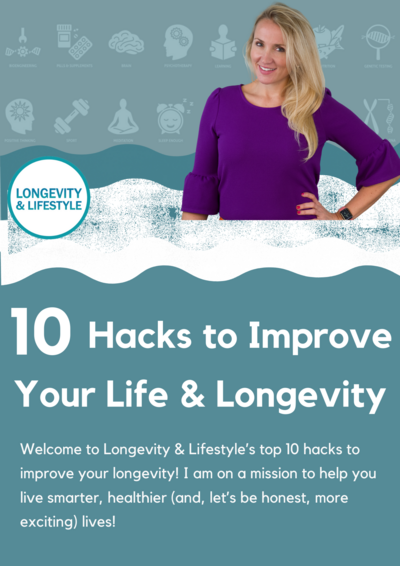
Steal Claudia's 10 Hacks to Improve Your Life & Longevity Playbook
FREE DOWNLOAD

Learn the secrets of health, lifestyle, business and finance optimization
Podcast
Top Resources

Steal My
10 Hacks to Improve Your Life & Longevity Playbook
Free guide
10 Hacks to Improve Your Life & Longevity
Want to learn how to live a smarter, healthier (and, let’s be honest, more exciting) life? Check out my free playbook with top tips just for you!
By signing up, you agree to join the Longevity & Lifestyle newsletter and to receive emails. We respect your privacy and abide by strict privacy policies.


LONGEVITY & LIFESTYLE
© Longevity & Lifestyle llc 2021 | Design by Tonic | Photos by social squares, Unsplash & Rebecca Reid
SEND ME A NOTE >
GET ON THE LIST >
@longevity&lifestyle
follow along: