#251 Sakiko Reuterskiöld — Why Sweetness Isn’t the Real Problem: Sugar, Fiber, Cravings & Metabolic Health
The Longevity & Lifestyle podcast
The Longevity & Lifestyle podcast
The Longevity & Lifestyle podcast

Episode 251
Sign up for
The Longevity & Lifestyle Insider
Join Claudia's Longevity & Lifestyle Insider newsletter to get top tips, insights and strategies on optimizing your life, health and business!
By signing up, you agree to join the Longevity & Lifestyle newsletter and to receive emails. We respect your privacy and abide by strict privacy policies.



“Just because something tastes sweet doesn’t tell you much about its health impact.”
- Sakiko Reuterskiöld
In this fascinating conversation, Sakiko Reuterskiöld, founder and CEO of NOMOSU, joins Claudia to unpack the science of sugar, sweeteners, fiber, cravings, metabolic health, and the gut microbiome.
We explore:
- Why Sweetness Itself Is Not the Enemy
- The Difference Between Glucose, Fructose & Metabolic Impact
- How Excess Sugar Drives Chronic Disease
- Why Fiber Changes the Biological Response to Sweet Foods
- The Connection Between Cravings, Satiety & the Microbiome
- The Role of Sweet Taste Receptors in Human Biology
- Natural Sweeteners That May Support Metabolic Health
- Why Gut Health Influences Energy, Mood & Hunger
- How to Create a Healthier Relationship with Food
- Why Pleasure, Joy & Health Should Coexist
This conversation is a refreshing and science-backed look at how we can rethink sweetness, support metabolic resilience, and enjoy food without guilt or deprivation.
ABOUT THE EPISODE & OUR GUEST
Unlock peak energy, mental clarity, and long-term health.
If you’re an entrepreneur, leader, or high achiever who refuses to settle for burnout, fatigue, or suboptimal health - this is for you.
I help top performers optimize their energy, longevity, and success using science-backed strategies, biohacking, and personalized health protocols.
Book a Complimentary Peak Performance & Longevity Coaching Call
This free exploratory session will help you:
• Identify what’s holding you back from your highest potential
• Gain clarity on your energy, focus, and longevity goals
• Discover a proven framework for sustainable high performance
Spots are limited - apply now to reserve your session.
🔗 APPLY HERE
Peak Performance & Longevity Coaching Call
Show Notes
00:00 Intro and Sakiko’s mission to rethink sweetness through metabolic and gut health
02:08 Why sweetness itself may not be the real problem
03:57 Glucose vs fructose — and why fructose can be more harmful over time
05:32 Why liquid fructose is especially damaging for metabolic health
06:44 Sakiko’s personal story with sugar, cravings, and energy
08:39 Dates, honey, maple syrup, and agave — are they really healthier?
12:18 The biggest misinformation around sweeteners and health headlines
13:55 Stevia, monk fruit, erythritol, xylitol, allulose, and sweet proteins explained
16:19 Erythritol controversy — what people may be misunderstanding
19:38 Stevia deep dive — insulin sensitivity, cravings, and misconceptions
24:17 Have we lost the ability to taste real sweetness?
26:57 How to reset your palate and reduce sugar cravings
27:45 Why fiber is foundational for metabolic health and healthspan
29:49 Fiber, satiety hormones, GLP-1, and fullness signals
30:46 Easy fiber upgrades and practical daily strategies
31:12 Fiber, cravings, short-chain fatty acids, and the microbiome
32:28 Inulin, fructose handling, and the gut-liver connection
34:00 Fiber and cardiovascular health, LDL, ApoB, and inflammation
44:33 Where to find Sakiko and learn more about NOMOSU
MORE GREAT QUOTES
"Food should nourish both physiology and joy.” - Sakiko Reuterskiöld
Legal Disclaimer: Please note, to avoid any unnecessary headaches, Longevity & Lifestyle LLC owns the copyright in and to all content in and transcripts of The Longevity & Lifestyle Podcast, with all rights reserved, as well as the right of publicity. You are welcome to share parts of the transcript (up to 500 words) in other media (such as press articles, blogs, social media accounts, etc.) for non-commercial use which must also include attribution to “The Longevity & Lifestyle Podcast” with a link back to the longevity-and-lifestyle.com/podcast URL. It is prohibited to use any portion of the podcast content, names or images for any commercial purposes in digital or non-digital outlets to promote you or another’s products or services.
PODCAST EPISODE TRANSCRIPT
Claudia von Boeselager: Welcome to another episode of the Longevity and Lifestyle Podcast. I'm your host, Claudia von Boeselager. I'm here to uncover the groundbreaking strategies, tools, and practices from the world's pioneering experts to help you live your best and reach your fullest potential. Don't forget to subscribe to the podcast to always catch the latest episodes.
Legal Disclaimer: Please note, to avoid any unnecessary headaches, Longevity & Lifestyle LLC owns the copyright in and to all content in and transcripts of The Longevity & Lifestyle Podcast, with all rights reserved, as well as the right of publicity. You are welcome to share parts of the transcript (up to 500 words) in other media (such as press articles, blogs, social media accounts, etc.) for non-commercial use which must also include attribution to “The Longevity & Lifestyle Podcast” with a link back to the longevity-and-lifestyle.com/podcast URL. It is prohibited to use any portion of the podcast content, names or images for any commercial purposes in digital or non-digital outlets to promote you or another’s products or services.
PODCAST EPISODE TRANSCRIPT
Claudia von Boeselager (00:00)
My guest today is repeat guest and dear friend, Sakiko Reuters-Kjöld. Sakiko is the founder and CEO of Nomosu, short for No More Sugar, an award-winning confectionary brand reimagining sweetness through the lens of metabolic health, gut health, and conscious nutrition.
With a background in personalized nutrition and nutritional science, including studies at the University of Cambridge, Sakiko has spent years researching the impact of sugar, sweeteners, fiber, and the microbiome on human health, cravings, energy, and long-term metabolic resilience. Her work sits at the intersection of science, pleasure, and practicality, challenging the idea that enjoying sweetness and supporting health need to be mutually
What I especially appreciate about Sakiko's philosophy is that it doesn't come from a place of fear, guilt, or deprivation. Instead, she's exploring how we can preserve joy, pleasure, and cultural connection around food while dramatically improving metabolic health and the microbiome. Through NOMOSU, Sakiko is helping shape a more intelligent and transparent future for confectioners using organic ingredients, fiber-focused formulations, and carefully selected natural sweeteners designed to support both metabolic and gut health.
She also brings a deeply personal and cultural perspective to her work, inspired in part by her Japanese grandmother, who founded one of the first ice cream shops in Tokyo, giving Sakiko an early appreciation for both sweetness and the emotional role food plays in our lives. Today, we explore the evolving science of sugar, fiber, craving, sweeteners, the microbiome, metabolic flexibility, and how to create a healthier and more joyful relationship with food. Please
welcome back my dear friend, Sakiko to the Longevity and Lifestyle podcast. It is an absolute pleasure to welcome you back on.
Sakiko (01:41)
Thank you. Thank you for having me. I always love speaking with you.
Claudia von Boeselager (01:44)
It's always such a joy We've just been giggling to your audience offline. Not even about something super funny, but I love when you get the giggles. Like, I think we need more of this in life. I feel like a teenager again. So hack, exactly. So we're going to kick off with rethinking sweetness in modern food. Right. So for decades, sweetness has been associated with guilt and cravings and blood sugar spikes, obesity and metabolic dysfunction.
Sakiko (01:54)
everybody.
Claudia von Boeselager (02:08)
And your work challenges this, which I love, that the idea that sweetness itself is the problem, right? That's the challenge you put out there. So what have we misunderstood, Sakiko, about sweetness?
Sakiko (02:17)
Hmm.
Yes, I think that's what you just summed it up very well. We associated with like sin and gluttony and because it's pleasurable and I guess it stems from some old, moralistic kind of viewpoint on that. But actually when you look at biology and biochemistry and nutrition, you know, it's just like with bitter tasting molecules out there in all kinds of plant foods and so on.
because something bitter, it doesn't tell you its metabolic pathway, it doesn't tell you all its biological effects, it doesn't tell you it doesn't have fiber or not, it doesn't tell you anything except that it tastes bitter. There's fascinating research on cell taste receptors and bitter taste receptors, sweet taste receptors, and we won't go down that rabbit hole, but essentially just because something tastes bitter or just because something tastes sweet doesn't necessarily tell you much about the health impacts.
And so there are sweet molecules out there in nature that we've evolved with not sucrose or fructose. And I mentioned that because sucrose and fructose is problematic. It's probably one of the main driving factors of chronic disease is excess sugar intake in the human population. And people talk a lot about ultra-processed foods, but if you really break it down, what are we talking about? One of the key things we're talking about is just excess sugar.
natural sweet tasting foods and ingredients and molecules that are not sucrose or fructose. And some of these natural sweet tasting molecules and ingredients actually have health benefits that do the opposite of what sugar does, improve insulin sensitivity, improve satiety, help with weight loss, et cetera. So it's really fascinating that actually there is a way to have healthy sweetness.
Claudia von Boeselager (03:57)
which I love and I just want to touch on a point and we covered this in our previous conversation, but in case those watching miss that, breaking down the difference with glucose and fructose and why actually drinking fructose is actually, from my understanding, I'd love you to explain a bit more, more detrimental to your health than glucose, which I think many people find surprising.
Sakiko (04:14)
Yes.
Yes. Yeah, it's all very kind of messy, but we have a lot of focus on glucose because we're wearing continuous glucose monitors and we're seeing how does our glucose response to all these things. But actually, you know, and when they do animal studies often in order to induce diabetes in the animals in the group that they want to have diabetes, they feed them high fructose liquid basically that is like a fast track to
creating insulin resistance is having excess fructose in the diet. however acutely in the moment, your blood glucose is not going to spike from a pure fructose drink, for example, but over time, it'll make you have higher blood glucose curves because of insulin resistance over time, having this excess fructose in your diet. in the moment, no blood glucose spike in the medium long-term, big blood glucose problems.
coming from fructose, right? And then when you mentioned liquid, like actually the form of how we eat something does impact which pathway it goes. Like you think of like a pinball machine, you know, it can go in different pathways, I hope we can talk about fiber today as well. Like it's fascinating, like fiber can help like play that pinball machine in a smarter way and direct the fructose away from the liver and being dealt with in a better way. But as you're going back to your question,
Claudia von Boeselager (05:19)
Thank
Sakiko (05:32)
liquid fructose has been directly causally sort of demonstrated to massively increase the risk of colon cancer because more of that fructose in liquid form gets down there to the colon and causes problems. so having it in liquid form means it absorbs faster. More of it goes to the to create lipogenesis, more fat creation, more visceral fat, et cetera, et cetera, et cetera. So having it in liquid form is really not helpful.
Claudia von Boeselager (05:57)
And that means all those juices even if made from concentrate, it's still an issue because you're drinking it. There's the like less fiber essentially going into it. so I think that's super important because I remember growing up, it was like, apple juice. it's great. And I was, on flight recently. I don't normally fly Delta, but, I was observing the amount of people ordering alcohol at an interesting hour.
Sakiko (06:02)
Yeah. Yes.
Yes.
much.
Claudia von Boeselager (06:19)
if
it wasn't alcohol, was a Coca-Cola pure, but anyway, and then, or it was Minute Maids from Concentrate Apple Juice. And I was just like, I think one person out of like 40, I was just curious, like observing, ordered a water. I ordered a sparkling water. She thought I was like totally weird. She's like, what? is club soda? Like, what do you want? Anyway, I'm special. do things a little bit differently. So, Sakika, you spent years researching sugar, sweeteners, cravings, and the microbiome.
Sakiko (06:31)
Okay.
Claudia von Boeselager (06:44)
What originally pulls you into this space personally? Maybe you can share with our audience today.
Sakiko (06:48)
Yes, mean, if we go way back, I grew up in Belgium and chocolate is part of the diet. like many of us do associate sweet things and treats like that as love, happiness, joy, sharing with friends, sharing with family, birthday cakes, et cetera, et cetera. So it's like this source of kind of joy in our sweet things. And then it was through my own health journey. I won't go through the whole thing, but basically,
When I was working quite hard hours in London, when I was working in finance, I started getting really tired in the mid mornings, mid afternoons and finally put two and two together and a helpful gym trainer actually pointed out to me, you might be having too much sugar. And it was actually at that point, that was before I did my master's degree in personalized nutrition and functional medicine. So I didn't really know nutritional biochemistry that well. I was like, really?
And it was actually kind of innocuous, I thought. was lots of dried fruit or low-fat yogurt sweetened with sugar, et cetera. And I thought, you know, this is a healthy balanced diet, but actually it was a lot of sugar. And then I did this experiment of having no sugar and no sweetness, like not even the healthy sweet molecules we're talking about that I referred to, nothing sweet for two, three weeks. And this like flipped my experience of being alive. I didn't know it was possible to feel so well.
I could concentrate all day. felt joy and like euphoric. And I was just like, wow, I didn't know was possible to feel this way because my whole life every day I'd had sugar. So it was a bit of like a drag, you And that like just blew my mind that this one dietary change could have such an impact. But then I missed chocolate and that's how my sort of...
journey began asking the question, is it possible to have healthy, delicious sweetness? And I thought, probably not. that sucks. But actually it is possible. After a lot of science and research and thanks to nature as well.
Claudia von Boeselager (08:37)
And then keep explaining because not everybody knows insane and amazing and everyone please you need to try link it in the show notes.
Sakiko (08:39)
Yes. Yeah.
I started researching sweet molecules that are not sucrose and fructose. So basically the first question I ask is, is this ingredient I'm looking at, you know, is it sugar, is it sucrose or fructose, know, dates, honey, maple syrup, agave syrup, all of those are fit into, they're just the same as sugar, right? your doesn't differentiate from fructose coming from a date or coming from a table sugar. It's the same fructose, right?
So, and then I started just reading about stevia leaf extract, about mug fruit extract, about different things in Japan that we have this sweet tea for Buddha's birthday called amacha that has hydrangea leaf extract, et cetera. I started reading about these sweet molecules and discovering like, they're actually some of these are health beneficial like stevia in particular, the research is copious. There's thousands of studies on its health benefits in terms of improving insulin sensitivity and improving metabolic function.
improving satiety, improving blood pressure, and all these benefits. I was like, wow, this is like a medicine. And the reason there's so much research on it is because historically, I mean, we've been consuming as humans stevia in Paraguay, Brazil area for thousands of years longer than we've been consuming sugar from sugar cane. So this is a sweet source in the human diet that's been around for a while.
And indigenous peoples have been using it as a medicine to lower blood pressure and lower blood sugar in people who have high blood pressure and high blood sugar. And that's why the pharmaceutical company started to do research on that's how I started my journey. And as soon as I learned, oh, it's possible to have a healthy sweetness, I got really excited and started experimenting and made these sugar-free cookies originally. And then the word spread and
I opened a bakery in London, I was selling to all these cafes these sugar-free cookies. then, however, there was a slight taste, it was with stevia and there was a slight taste, it wasn't quite as good as sugar. And then I met my partner who's an award-winning bioprocess engineer and he invented the world's only virgin stevia leaf extract, which is important for taste. So virgin, just like olive oil, means that they extract the sweetness from the leaves of the plant physically with membranes and
not chemically and all the other Stevia extract companies extract chemically, which is very typical of plant extracts. You use ethanol, methanol, hexane to extract. And then the molecule at the end is very pure. It's healthy. It's fine. However, that process changes the shape slightly of that molecule, of the sweet molecule, and that different shape sticks to your cell's bitter taste receptor. And you get this funny aftertaste. And we know that because we've done cell taste receptor research where you can see that happening.
⁓ And then with his, the way it's been purified with water and membranes only doesn't get that shape, doesn't give that bitter taste. And so you can use it in your recipes in a way that it'll taste good. So that was like, I thought this is the most exciting thing on earth. Like everyone needs to know that it's possible to have healthy, delicious sweetness. I'm like, I'm a big foodie. go, I do lot of research going to, you know, great restaurants, love exploring delicious food. And
Taste is so important and I think the way to health can be through delicious taste.
Claudia von Boeselager (11:45)
Yes. So thank you for your work and your research because then people like myself and my kids and my family, we all love the chocolates are so amazing So we'll link them and everything from the matcha white chocolate to the almond butter one. mean, the list goes on the sea salt, et cetera, et cetera. They're amazing. So super exciting. And I'd like to take a step over shift gears to talk about the confusion online. And I think this is a really important point around healthy sweeteners.
sugar alternatives and artificial ingredients. What's the biggest misinformation people are currently exposed to?
Sakiko (12:18)
Yes, I think the main one, and it seems to be a strategy, I'm not a conspiracy theorist, my partner has been in regulatory meetings next to companies from Big Sugar, basically, where it's clear that the strategy is to see confusion rather than to say, this is bad. You know, like, or something like that. The more confused we are about sweeteners, the more we go back to the devil we know.
maybe, especially if it has a health halo, like, you know, I don't know, honey or, which is fine. think I'm not anti-honey. Like I think it antimicrobial but it's still fructose. if you want to cut down your sugar, you can't be eating honey all so seeding confusion is the strategy. And then unfortunately, like when you read scientific studies, as far as I can tell,
almost all journalists read the title of the study, the abstract, and maybe the conclusion or something. They don't read the methodology. don't dig into the, especially if there is data that's not in the paper that you have to request or go find the appendix paper to the study, et cetera. So one of the biggest learnings for my master's degree, which was a bit depressing, was like, wow, there are so many studies out there that
the headline, the title and the abstract really are kind of misleading when you read the methodology and you read the details and you look at the results even they're like, you're sometimes like, it's the opposite of what the title suggests or it's nowhere near what the title suggests. It's like, it's really inflammatory title, you know, and then journalists like they just grab the title and they, you know, run with it. So, that is the big problem. People don't take the time. it takes me sometimes, you know,
Claudia von Boeselager (13:41)
Wow.
Sakiko (13:55)
six hours to go through one study in detail and really get to a good conclusion. and I'm also not anti AI, but like, as far as my testing of it goes, it just regurgitates, you know, what is most out there and the most frequent instances of a study are journalists and, you know, influencers who don't read the study. that's just the high level problem. And then, okay, so
Just to quickly, there are, think of it as a healthy sweetness pantry in nature that is available to us. There are more things out there that I hope will come to the fore in the future, like this hydrangea leaf extract. Like that's not a commercial sweetener at the moment, but maybe it will be in the future. so in this healthy sweetness I spend like all my weekends, basically, I'm literally reading studies on sweeteners. In this ⁓ healthy sweetness pantry is stevia leaf extract, monk fruit extract.
Claudia von Boeselager (14:22)
Mm-hmm.
Sakiko (14:43)
a bunch of sweet proteins thalmatin, erythritol, xylitol, and allulose. I must be missing one, but these are kind of generally some of the healthy sweetness tools in the toolkit. The problem with them is like, you can't just throw them in a recipe. like Stevia is 300 times as as sugar. Allulose is 70 % as as sugar.
You know, so you can't just use one of them. You have to kind of combine them in a way. And then there's also fibers like inulin, which have a mild, mild, mild sweetness, but they're good because sugar has a structural function in your recipe. It's not just taste, it's the texture and so on. So, this is the healthy sweetness toolkit. and so what the misinformation out there is usually comes from like a either poorly designed study or irresponsibly.
titled an abstracted study that's taken by journalists, especially if it's fear mongering, fear sells, fear gets eyeballs, you fear is the best thing. thats what happens. Some of the ones that have suffered from this, well, all of them, all the healthy sweetness toolkit ones I've mentioned have suffered from bad headlines that are really unwarranted. Erythritol is one of the main ones that had bad headlines two years ago. Then there's
xylitol as well, stevia as well, like all of them have had this kind of attacks. And just I'll mention the erythritol one because I think that's the one that's most misunderstood. And unfortunately, the name has like a, it sounds like a weird chemical like erythritol name. I would rename it if possible. But actually, I think it's such a great ingredient because so first of all, we're eating it all the time anyway.
Claudia von Boeselager (16:09)
Yeah.
Sakiko (16:19)
everyone's eating it. It's in fermented foods like tamari, soy sauce, it's in wine, it's in sauerkraut, it's in fresh foods like mushrooms, a bunch of fruit and vegetables, corn, melon, grapes, etc. So it's in your food supply. And then we make it in the body as part of this pentose phosphate pathway. And the pentose phosphate pathway is an anti-inflammatory pathway. And usually the body doesn't make things really just for no reason.
So we produce erythritol in the body as part of an anti-inflammatory pathway. And so this study that came out a couple of years ago that caused these huge headlines and made everyone afraid of erythritol by this group called Witkowski et al. Was basically a reverse causation situation. So it took me like a day, two days almost to really understand what had happened. But because you had to go find the supplementary data, which was not in the paper.
and so on. So if you go to the supplementary data, that paper basically said that, erythritol causes cardiovascular disease or cardiometabolic disease. So the data was from a blood bank, historically taken from a time in Europe when erythritol was not available in the market. It wasn't an ingredient in food or drinks. So it wasn't in food supply as such, as an ingredient.
Claudia von Boeselager (17:28)
Mm-hmm.
Sakiko (17:30)
And that blood bank, basically all the people in the blood bank had hypertension and cardiometabolic disease to different degrees. And they said, the people with higher blood pressure and higher biomarkers of cardiometabolic disease had higher levels of erythritol in their blood. And so the question is, where does that erythritol come from? Well, it's not coming from the food or beverage because it's not available at that time in the market. So it's coming from their own production of erythritol.
Claudia von Boeselager (17:38)
Wow.
Okay.
Sakiko (17:56)
And why are they having higher production of erythro? Because their pentose phosphate pathway is being more activated because it's trying to dampen the inflammation from their diseased state. So it's totally reverse causation, basically. They're like, there's higher Erythritol in this blood, and there's higher cardiometabolic disease. OK, it must be the erythro causing that. But could it be that the cardiometabolic disease is causing the pentose phosphate pathway to be upregulated to then
Claudia von Boeselager (18:09)
Mm-hmm.
Sakiko (18:21)
produce more erythritol. Probably. And there's also cell studies showing that erythritol has a strong antioxidant effect. This scavenges free radicals. So it's really like a useful thing in a context of oxidative stress and inflammation. And then the authors, one year later, did another paper on xylitol. And in that paper, they looked back at their erythritol paper and they're like, this probably was not coming from the food or drink, because so many scientists were like, hello.
This is ridiculous, right? So they even acknowledged it, but they acknowledged it one year later when it's too late and everyone's gone back to sugar because they're afraid of Erythritol you know? So that's just one
Claudia von Boeselager (18:57)
Wow. thank you
for taking the time to read the research because definitely the majority of people are not even looking at the paper, not even the abstract And I also think with research in general, it's also like follow the money. Who actually financed the study? Who are the cohort that they selected? and really kind of looking at these different factors So I just encourage everyone like, there's research on it.
Sakiko (19:02)
Yeah.
Yeah.
Yeah.
Claudia von Boeselager (19:21)
Take a look yourself at the research. Just have a look at a few of the parameters to better understand or ask Sakiko who really reads all the details and the supplementation
Sakiko (19:23)
Yeah. Yes.
there's some brilliant scientists out there and brilliant researchers and brilliant studies, but there's a lot of junky ones too, and that was my biggest disappointment that, I learned.
Claudia von Boeselager (19:38)
So I want to dig in a little bit deeper to Stevia because it is so important. And as you mentioned, it's been around and used for medical purposes for so long in the Amazon and countries in South America. And so I think, you know, what are some of the biggest misconceptions about Stevia and why is it so beneficial and so healthy? And would you say out of all the healthy sweeteners, is it the gold star? Is it the best one?
Sakiko (19:44)
Yes. Yes.
you.
Claudia von Boeselager (20:04)
Could you say?
Sakiko (20:05)
Yes. I believe that sooner or later, some companies going to make good amount of money by selling it as a supplement, like in high doses. the amounts that you need to sweeten a product because it's 300 times as sweet as sugar is tiny. It's tiny, tiny. That's why it's always at the end of an ingredients list, right? Because it's tiny amount you need. But
Claudia von Boeselager (20:13)
Mm.
Sakiko (20:25)
And the studies on stevia, there's, as I mentioned, thousands of studies and some of them, you know, study an amount that's physiological that we would get in a day of having some sugar-free products in our day. But then some of them are more like for higher dose. Like if you take this higher dose, then you know, this is what happens,
I think the main problem people have with stevia is the poor taste and that sometimes
it's companies, throw it in as like a nice to have like a sort of health washing like, sweet and savoury, but it actually, and you look at the ingredients and they have like sucralose in there as corn and like other things. it gets muddied in that way. But I think generally most people are aware that it's a healthy ingredient, but I think not many people are aware of like how healthy it is. And what's fascinating to me is like, it's almost like nature provided this
plant that actually counteracts the harms of excess sugar and this plant tastes sweet. It's like this beautiful solution because so one of the things that comes up a lot in the research is that it does improve insulin sensitivity, which is the main problem of diabetes and pre-diabetes and metabolic dysfunction is lack of insulin sensitivity or insulin resistance.
And they've also investigated like how it does this. And one of the ways it does this is actually improving glucose uptake by the muscle cells. So glucose uptake and creation of glycogen, which is what you want to happen. That's like the healthy way forward. So researchers on insulin resistance have noticed that even before your HbA1c is at a problematic level, they can see the insulin resistance already happening in the muscle cells.
where the muscle cells are not taking up glucose and creating glycogen. And so there's fascinating research on Stevia that it improves glycogen synthesis in muscle cells by like this is a, like anyone in the sort of health and fitness supplement industry should be like, that's amazing. So for athletic performance, and I think this is like, I don't know why it's not yet like a major supplement.
Claudia von Boeselager (22:09)
Wow.
Yeah.
Sakiko (22:22)
So
glycogen synthesis, and that's like the core, one of the earliest signs of where things go wrong with glucose, with insulin resistance, right? and then also it suppresses gluconeogenesis. So, you know, your liver can create glucose, produce glucose and that's gluconeogenesis. And so by up regulating glucagon, Stevia actually stops that process from happening. So it stops your liver pumping out glucose, which it can do.
even when you have someone with pre-diabetes, that's one of the problems is still pumping out So this is like another super helpful thing for metabolic health. And then it upregulates this pathway called And that pathway suppresses fat production, stimulates fat breakdown, and it also improves mitochondrial function and mitochondrial biogenesis. So basically helps your mitochondria.
Claudia von Boeselager (23:00)
Mm-hmm.
Sakiko (23:13)
And then the other studies that show ⁓ over time, especially like over 40, 50, 60 days of having Stevia daily, it actually lowers blood pressure, but only really in people with high blood pressure. So it's like an adaption. It's not going to like lower your normal blood pressure. And one of the ways that it does this potentially through improving
Claudia von Boeselager (23:13)
This is amazing.
Sakiko (23:33)
of water filtration and sodium filtration and improving vasodilation. And then there are also studies that show that it improves mitochondrial biogenesis in muscle cells in particular. It also, apparently, itself acts as an antioxidant. It boosts glutathione, which is one of our main antioxidants, lowers inflammation. It improves lipid biomarkers like LDLP and so on.
and it also has some anti-cancer activity and also anti-inflammatory effects, antioxidant effects all together. cool is actually many of them are on small doses that you would actually be able to eat and drink in nice tasting food and drink. But then some of the studies are like, you need a higher dose to have this impact. But, yeah.
Claudia von Boeselager (24:14)
So
you think this could be done in supplement form?
Sakiko (24:15)
Yeah, for sure. For sure.
Claudia von Boeselager (24:17)
So I think one thing that's really important to touch on is people's perception of what sweetness actually is. And I know that you said yourself in the past, you've done like a detox of non-sweetness so that you can retaste again. But just to have people understand that how many people have actually lost the ability to taste sweetness and they're so used to these ultra processed foods that are like completely hijacking taste receptors.
Sakiko (24:23)
⁓
Claudia von Boeselager (24:41)
Can you walk us through that a little bit? And is there like a detox protocol you would recommend people listening could do in order to reconnect with what actual sweetness should taste like?
Sakiko (24:51)
Yes, yes, definitely. Well, there's two different approaches depending on the person as well. Everything is individual, of course, but generally speaking, apparently, people who have diabetes and metabolic dysfunction for many years or to a strong degree, apparently, they do lose some of their sense of smell and taste.
I believe that's why there's a bit of an inflation in like using chili and everything and you see it everywhere or like using very strong tasting things or super high sweetness and things because people just are not able to taste or smell like they should do. However, that kind of also cancels out like all the lovely flavors that you might get from a any product or dessert that has like vanilla and other, if you just
slam it with so much sweetness, like you're not going to appreciate the whole flavor profile. So I think everyone has the opportunity to like enjoy food even more if they can reverse this problem. And so that takes, you know, metabolic health change. But then in people who aren't necessarily suffering from insulin resistance or those problems, even all of us, like it's crazy how quickly you can change your taste. But basically your cell taste receptors are forming all the time and
I would say like, apparently they form every three days, but I would say that if you'd go five days or ideally like one week with nothing sweet and not even our chocolate or nothing sweet, then when you reintroduce something slightly sweet that you want to reintroduce, you'll be like, wow, you can taste all these other flavors in there. And what you enjoy as sweetness will definitely sink down a level. And the more, like if you, let's say you do it for two weeks.
If you try to have like a of your favorite donut that you might've liked before, you will be like too sweet it is. And it's not like you're giving up pleasure. You will be able to find pleasure in other less sweet things with more other in So it's really positive and optimistic because basically if the whole Western world just didn't have anything sweet for two weeks, think a lot of like seriously some...
chronic disease would go away because people would start to be like, wow, I don't want that much sugar. I don't want that much sweetness. I want this instead. yeah, so you can do it quite quickly. Yeah.
Claudia von Boeselager (26:57)
amazing. Okay,
so dear audience, welcoming you to try this out. Let us know in the comments able to do this challenge of five days, seven days, 14 days, and how you find the sweetness afterwards. Super, super curious. What do you think?
Sakiko (27:10)
We have to
seriously, nothing sweet. you know, a green apple is not very sweet, most fruits are sweet. So no fruit. I'm not saying fruit is bad, but just for this experiment, don't have any fruit either, you know, like, yeah.
Claudia von Boeselager (27:22)
And read the labels really, really carefully because there's so much sugar hidden even in bread in the United States, which I just find like wild. And they'll also trick you. So you always want to look per a hundred grams and not have over five grams of sugar per a hundred grams, right? Let's talk about I think is super interesting because it's one of the biggest conversations in metabolic health and longevity. Yet most people still
Sakiko (27:36)
Exactly, yeah.
Yes.
Claudia von Boeselager (27:45)
dramatically under-consume it. I know I'm at risk sometimes myself. Why is fiber so foundational to human health?
Sakiko (27:49)
Yeah.
Yes, well, I mean, if you look at like historical and archaeological records, it seems pretty clear that we had a much higher fiber diet for most of our species existence. That doesn't mean that you can't necessarily draw any conclusion from that, but we evolved, slowly over many, many, years eating a high fiber diet. And now suddenly we have this like in the last, I don't know, a hundred years, like as much.
lower fiber diet, which I don't think we've evolved has so many health benefits and we can go through each of them, but I think just fundamentally also, you know, just about when you eat something and you start chewing, then the cephalic response happens and digestion starts happening. And this whole like process of when you start eating to when you feel full.
It like happens in a normal way. And the more fiber you have, the more chewing that you do, the more beginning of that meal, you are getting that signaling system to work. It's like a symphony and it makes you feel full and you stop it's very hard to like count your calories and try to manage your weight that way. But it's so easy when your body's satiety is functioning. And that is what is the big hype about the GLP-1 receptor agonists because
they make you feel full basically. But fiber makes you feel full by triggering GLP-1 by the way, and other incretins like PYY and CCK and these hormones that make you feel full. And it helps to slow gastric emptying, which is also what GLP receptor agonists do. But they do it in such an extreme way where there's sometimes emptying doesn't happen for 24 hours, which is just a bit extreme.
You can get like that kind of benefit from fiber, but then you also have all these additional health benefits that come from that fiber and not weird, terrible side effects, you know? So that's just like a fundamental thing is like, Its we're chewing, we're eating, we're making ourselves feel full through having some fiber in the diet. It's part of a healthy
Claudia von Boeselager (29:49)
from natural foods Because I think it impacts
things like blood sugar to acetylating information, estrogen, metabolism, microbiome, these systems are all connected, right? And thanks to Fiber supporting them, would you say?
Sakiko (29:53)
Yes.
Yes. Yes.
Yeah. Yeah. And so
like, one thing I would just point out also is like, it's low hanging fruit and it's not a pun, like it's low hanging fruit because you can just tag on like a salad to every lunch and dinner that you have at the beginning of the meal. And just by having that, you are likely to have overall less calories because you're going to be full faster and you don't have to give up like any foods like
just tag on the high fiber at the beginning of your meal and watch how you just, you'll end up eating less than if you didn't have that fiber at the beginning of the meal, right? So there's like almost no, what do call it? You're giving up nothing, you know, by doing that. ⁓ Yeah, no, so that's why I feel like it's low hanging fruit. And then also you can make swap. you can swap like,
Claudia von Boeselager (30:39)
Who sacrifice?
Sakiko (30:46)
your rice with your curry, sometimes have it with cauliflower rice instead, then you're immediately getting fiber, you're getting much lower glycemic load just in that one swap. So it's not that much effort to increase your fiber in your diet. However, I would say if you were having a very low fiber diet and then you suddenly put in lots of fiber, you're going to have some gastrointestinal distress a bit, but nothing that's not really natural. But so I would just dose it and start making this
Claudia von Boeselager (31:11)
ramp
Sakiko (31:12)
And yeah, we can just run
quickly some of the benefits like, so weight management and metabolic health. That's what we're just talking about, slowing gastric emptying, feeding the healthy bacteria, which produce these short chain fatty acids and other metabolites that promote basically eating less like the short chain fatty acid propionate. It actually helps to reduce food cravings and reduce food intake. And that propionate gets produced by the healthy bacteria when you feed them fiber.
So that's just like one simple mechanism. The more fiber you have, the more diverse microbiome you have. And if there's one thing we know for sure about the microbiome is that the more diverse, the better. People draw a lot of conclusions about the microbiome, but that's one thing pretty much everyone agrees on. And then also fiber actually helps to reduce fat accumulation in non-adipose tissue. So that's like visceral fat. So by reducing visceral fat, it's improving insulin sensitivity and metabolic function.
Claudia von Boeselager (31:57)
wow.
Sakiko (32:02)
So not only does having the fiber in the meal blunt the blood glucose curve of any like faster carbs in that meal, fiber is also improving your insulin sensitivity. And then the thing I mentioned before briefly is like the pinball machine analysis. there's some fascinating research on inulin and fructooligosaccharides and sounds like a weird word, but it's just a type of prebiotic fiber as well.
Claudia von Boeselager (32:18)
Yeah, I'm going to walk through that.
Sakiko (32:28)
that's found in vegetables and inulin is found most famously in chicory plants, agave plants. Yeah, you can find it in many things. having a higher inulin in your food and diet promotes these microbiota that when exposed to sugar, when you put fructose down there, those microbiota in the intestine deal with the sugar more and they don't let it all go to the liver where it's gonna
do lipogenesis, and create visceral fat and create problems of insulin resistance. So it's actually like redirecting the fructose that you're then eating. I think that's so cool. It's just like such a cool, intelligent function. And inulin also promotes antioxidants like glutathione as well. And so reducing inflammation. So yeah.
I just think there's a lot of focus on GLP-1, which is one incretin one of the gut hormones. But really there's like this orchestra of incretins that fiber conducts for free and it comes with health benefits. Cardiovascular health is also another main one. As you know, I'm sure atherosclerotic cardiovascular disease is the number one killer of humans still by far of any chronic disease.
⁓ And a key causal factor in this is the number of LDL particles or atherogenic particles. We measure that by measuring APO-B. actually fiber has been shown to reduce LDL cholesterol and APO-B. And how it does this has also been investigated. And it actually appears to increase the turnover of APO-B and upregulate LDL receptors, which basically promotes clearance from the blood.
Claudia von Boeselager (34:00)
Wow.
Sakiko (34:00)
So this is fascinating because it's like treating the root cause issue of cardiovascular disease. And also famously, people know that fiber binds to bile acids, promoting their excretion and lowering LDL cholesterol that way as then of course, yeah, fiber is like such a medicine. I think it's the most undervalued, I would call it like a macronutrient really, even though it fits in the carbohydrate category.
Claudia von Boeselager (34:14)
I mean, they really say food is medicine. I mean, this is a perfect example.
Sakiko (34:26)
And then of course, gut health, you know, that's the main famous benefit of fiber. So fiber feeds the microbiota that produce the short chain fatty acids. And those short chain fatty acids basically are the food of your enterocytes, your intestinal wall cells. And so this all helps that intestinal wall to function well have integrity. This wall is so important for your overall health because it's intelligent is what's let's say.
good things and keeps bad things out, et cetera. So you need that wall to be functioning well and fiber feeding the microbiota helps to keep that wall intact. also fiber adds bulk and cleanses the whole digestive tract and that reduces the risk of intestinal diseases like colon cancer. And then also it has anti-inflammatory effects. So fiber actually binds to toxins and carcinogens and things in the gut and helps them to be excreted from the body.
it has anti-inflammatory effect, helps to lower low-grade chronic inflammation. And it's shown that high-fiber diets basically lower inflammatory lipopolysaccharides, it lowers the biomarkers of inflammation like HSCRP, et cetera. And it also, two last major organs that it helps is skin. It apparently, with a higher fiber diet, have
faster skin healing, reduced scarring. So yeah, that's probably through the anti-inflammatory mechanisms and then also for brain health. So higher fiber intake is associated with better cognitive function, reduced risk of dementia. They did a big randomized controlled trial in twins as well, and it improves cognition I was also in that study.
Claudia von Boeselager (35:43)
I know.
Bye.
Sakiko (36:01)
There's also studies associating higher fiber intake with lower depression and depressive symptoms. And then the mechanistic studies like are trying to understand how it works. And it's by lowering brain inflammation, inhibiting the inflammatory microglia and improving BDNF, know, brain derived neurotropic factor. And particularly via these increases in short chain fatty acids and regulating the
Claudia von Boeselager (36:20)
Mm-hmm.
Sakiko (36:25)
oxidative stress and inflammation and supporting intestinal brain barrier integrity. it's really such a super
Claudia von Boeselager (36:30)
mean, the list is huge, So,
Sakiko for people listening, what are your favorite high fiber foods and what is your in a day? Like what does a sample of your day look like? And lets start with you would recommend and then how do you take advantage of a high fiber diet?
Sakiko (36:47)
Yes. I definitely recommend, I hope, you know, I'm, really lucky. I'm half Japanese and I think a big part of the health and longevity of the Japanese people is their diet. And I think a big part of their diet really is a lot of vegetables and a lot of fiber every day. so generally, fiber, basically people get a bit like obsessive about, I need this amount of insoluble and this amount of soluble. Like if you eat like high fiber foods, you're going to get.
a good mix of insoluble and soluble fiber. vegetables, that's like the number one thing. Like many people through, because of marketing, when they think of fiber, they think of cereals. It's like, you don't need to have any cereal at all, any grains at all, and still have a high fiber type. So vegetables, vegetables, vegetables, cruciferous vegetables, salads, all kinds of vegetables. Then nuts and seeds.
than fruit and ideally is sort of the lower sugar fruits. So not the super sweet ones, the more tart ones, berries, et cetera, green apples, et cetera. So those are basically all these plant foods. And then you have some like interesting fibers like inulin, which you could supplement or in Japanese traditional diet, we have this fiber that they've now commercialized in the a lot.
called shirataki noodles or something. Sometimes they're called thin noodles or skinny noodles or something because basically they have very little calories. It's a great fiber source. The fiber itself is called glucomanin. But they've created them in the way that they look like pasta noodles and stuff. They have very neutral taste. They have a weird texture. It's not like eating pasta. But if you boil them and you...
fry them and get rid of the water and then you just add whatever sauces you like. Like if you love tomato sauces or pesto sauces, you just add that all in it's not the same as pasta, but it's a neutral taste. So it's like a carrier for your favorite sauce. So those are the, some of the things I would recommend. And then going to me and myself. So I do all the things I just mentioned, which is this Japanese traditional fiber.
And then I have also one chocolate bar a day of NOMOSU chocolate because we have since the beginning always put in prebiotic fiber, inulin actually, for the taste and texture, but also I am a huge fan of fiber. And we put in amount that it qualifies as you're allowed to say it's high fiber. However, it's not.
too high fiber because don't want people to like need to go to the bathroom immediately after having chocolate, right? So some companies are like, oh, shove in as much fiber as possible. But you don't necessarily want that in one product or something. So, NOMOSU of the chocolate bars are high fiber, but not too high, but they can help you with your fiber I have one.
Claudia von Boeselager (39:13)
you
Amazing.
I know, they're delicious. If I sat on the source as close as you do, would. disappear pretty house. before we finish up
on cacao toxins and the future of food. So cacao is obviously positioned as a superfood rich in polyphenols and beneficial compounds. What does the latest science actually say about the benefits of cacao? Can you share?
Sakiko (39:44)
Yes.
are a lot. It's a bit like fiber almost. It's quite a long list. But I think one of the main fascinating ones for me it's really like, seems to be a superfood for the mitochondria. It's the highest source on earth of this molecule called PQQ, which basically does several things for the mitochondria. It promotes mitochondrial biogenesis, i.e. production.
creation of more mitochondria. And it helps to reduce the oxidative damage that can happen around energy production. So it helps the mitochondria work better and helps them just create more mitochondria. So that's all like more energy. And for me, that is like one of the keys. And PQQ also helps with immune system function, reproductive function.
lipid and energy metabolism, collagen renewal. So cacao is famous also for its benefits for skin. then I think this all stems a lot to do with this mitochondrial benefit And PQQ also helps with continuous redox. that basically your wheels turn. And like with, oil on your gears and so on.
Claudia von Boeselager (40:43)
signaling.
Oiling your machine.
Sakiko (40:49)
show that PQQ protects nerve cells from damage, enhances neurogenesis. many of the studies are on cacao and brain health and memory as well. And so really, if you look at the sources of PQQ kind of chart, cacao is like this and all these other food items are like, very small compared to that. a lot of its benefits stem from that.
Cardiovascular function is another famous one. It helps with acid relation. It helps with blood pressure, neurological cognitive performance, and also enhanced exercise performance and weight loss as well. It also improves satiety. It also triggers GLP-1. It also reduces visceral fat. So excess sugar causes all these metabolic dysfunction problems, cacao ameliorates all of them.
but however I still think it's better to have chocolate without the sugar. So you can get all the benefits without any drag.
Claudia von Boeselager (41:37)
You
doesn't
mean people should be having like a Snickers or this, it's like the quality of like high quality. what are cacao's people obviously NOMOSU And if they can't have access to it or whatever, what would be a criteria people should look out for. And also touching on that, there has been some concern around heavy metals and chocolate and cacao products. you navigate and help people as we finish up today?
Sakiko (41:43)
No.
Yes.
Yeah. Yes.
Yes.
Yes. So cacao, just the higher, the better, like the higher percentage in the bar that you're going to have less sugar, I would say. and organic also, I prefer to have organic. And then what you just mentioned, less than five grams per hundred grams of sugar is what I look for on labels. But you can judge that also by the percentage of cacao. In terms of metals, it's a complicated space.
us for our company, we always test all the cacao beans coming in and all the chocolate going out to make sure there's like no detectable lead and below half of the EU limit of cadmium, which is naturally occurring in volcanic soils. And so some cacao regions have higher levels of cadmium, but taste amazing. Like in Peru, they have really a bit higher levels, but really great cacao. But all of this goes to say is the
The main question is, OK, if this food item, by the way, spinach has much higher levels proportion of these metals than cacao, but nobody talks about spinach or lettuce, but they have actually higher amounts. Yeah, is what amount of that trace amount of heavy metal is actually bioaccessible to the body and bioavailable? How much is actually absorbed? And it turns out all the
bioavailability studies out there really show that lead has almost very, very tiny, tiny bioavailability and also cadmium has low bioavailability. So even if it's in the food product, doesn't mean you're going to get in your system. It's most likely going to be excreated especially if you're having it with fiber. And then There's competitive transport into the body with iron. And what is high in iron? Cacao is very high in iron.
Claudia von Boeselager (43:24)
Yeah.
Sakiko (43:34)
So that's another factor. And then there are studies that indicate that it also depends on your nutritional status. If you have anemia, like really, really low iron levels, then you might absorb more of the metal. it's, from all the reading I've done, all the research I've done, my conclusion is I'm not really, I don't care, you know, but I still test it for my company and to be able to say to customers, like, these are the results, but I personally don't think it's an issue.
Claudia von Boeselager (43:45)
Hmm.
Sakiko (44:00)
I'm not going to absorb that cadmium or lead that I've never seen lead in any cacao sample we've tested. So I don't know who's getting lead in there, but don't think it's an issue that people need to worry about, especially with a huge amount of benefits of cacao. It's the same with like seafood, like the benefits omega-3, you know, I think generally outweigh, you know, the mercury you might find in there or there, although mercury is more bioavailable than cadmium.
lead. But again, you choose your fish wisely and definitely it's healthier to have seafood and fish and get that omega-3 than to not, you know.
Claudia von Boeselager (44:33)
get it at all for the brain health. Oh, Sakiko, this has been so, so wonderful. You have so much knowledge. incredible. So thank you so much for the work that you're doing. So, so exciting. Where can people find you you and see what you're up to? And we'll link everything in the show notes.
Sakiko (44:34)
it.
Yes, for now, everything is more associated with all my dedication is in the company, but the company NOMOSU stands for No More Sugar. It's NOMOSU on Instagram or you can find me on LinkedIn, Sakiko Rachelsgild. I'm sure you put my name there in the notes, but we try to educate as well with our company material as well, because I think everyone deserves to know that it's possible to have
delicious pure pleasure that's healthy in the form of sweet foods.
Claudia von Boeselager (45:16)
love it. Thank you
so much, Jessica for coming on. It's been an absolute pleasure and thank you dear audience for tuning in.
Sakiko (45:21)
Thank you.
I’m Claudia von Boeselager
Longevity Coach, detail-loving educator, big-thinking entrepreneur, podcaster, mama, passionate adventurer, and health optimization activist here to help people transform their lives, and reach their highest potential! All rolled into one.

Hey there!

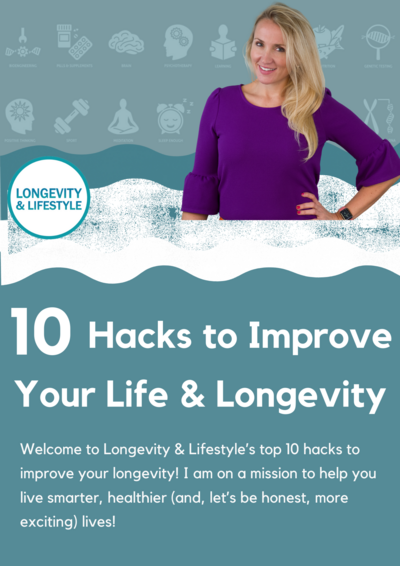
Steal Claudia's 10 Hacks to Improve Your Life & Longevity Playbook
FREE DOWNLOAD

Learn the secrets of health, lifestyle, business and finance optimization
Podcast
Top Resources

Steal My
10 Hacks to Improve Your Life & Longevity Playbook
Free guide
10 Hacks to Improve Your Life & Longevity
Want to learn how to live a smarter, healthier (and, let’s be honest, more exciting) life? Check out my free playbook with top tips just for you!
By signing up, you agree to join the Longevity & Lifestyle newsletter and to receive emails. We respect your privacy and abide by strict privacy policies.



LONGEVITY & LIFESTYLE
© Longevity & Lifestyle llc 2021 | Design by Tonic | Photos by social squares, Unsplash & Rebecca Reid
SEND ME A NOTE >
GET ON THE LIST >
@longevity&lifestyle
follow along: