#252 Dr. Bilal Chughtai — The Overlooked Bladder Health Problem That Can Affect Longevity
The Longevity & Lifestyle podcast
The Longevity & Lifestyle podcast
The Longevity & Lifestyle podcast

Episode 252
Sign up for
The Longevity & Lifestyle Insider
Join Claudia's Longevity & Lifestyle Insider newsletter to get top tips, insights and strategies on optimizing your life, health and business!
By signing up, you agree to join the Longevity & Lifestyle newsletter and to receive emails. We respect your privacy and abide by strict privacy policies.



“Longevity is not just about living longer — it’s about preserving quality of life.”
- Dr. Bilal Chughtai
In this fascinating conversation, Dr. Bilal Chughtai, board-certified urologist and expert in women's urinary health, joins Claudia to explore the surprising connections between urinary tract infections, hormones, the microbiome, inflammation, cognitive function, and longevity.
We discuss:
- Why UTIs Are So Common in Women
- The Science Behind Recurrent Urinary Tract Infections
- How Menopause Changes Urinary Health
- The Emerging Role of the Urinary Microbiome
- Why UTIs Can Trigger Confusion and Cognitive Symptoms in Older Adults
- The Connection Between Hormones and Bladder Function
- Why Repeated Antibiotic Use Can Create Long-Term Challenges
- Strategies for Preventing Recurrent UTIs
- The Importance of Personalized and Preventative Urology
- Why Bladder Health Is a Critical Part of Healthy Aging
This conversation offers a powerful reminder that longevity is not just about extending lifespan - it's about preserving function, vitality, resilience, and quality of life across every system of the body.
ABOUT THE EPISODE & OUR GUEST
Unlock peak energy, mental clarity, and long-term health.
If you’re an entrepreneur, leader, or high achiever who refuses to settle for burnout, fatigue, or suboptimal health - this is for you.
I help top performers optimize their energy, longevity, and success using science-backed strategies, biohacking, and personalized health protocols.
Book a Complimentary Peak Performance & Longevity Coaching Call
This free exploratory session will help you:
• Identify what’s holding you back from your highest potential
• Gain clarity on your energy, focus, and longevity goals
• Discover a proven framework for sustainable high performance
Spots are limited - apply now to reserve your session.
🔗 APPLY HERE
Peak Performance & Longevity Coaching Call
Show Notes
00:00 Intro
01:23 Why bladder health matters for longevity
02:30 Why UTIs are so common in women
03:39 UTIs, confusion, and cognitive symptoms in older adults
05:01 What happens during a UTI
06:52 What healthy bladder aging looks like
07:24 Why urinary health needs a personalized approach
08:48 Hydration and bladder health
09:39 The problem with repeated antibiotic use
11:44 Cranberry and non-antibiotic prevention tools
13:59 D-mannose and what the evidence says
18:02 Stress, sleep, exercise, and urinary function
19:19 Menopause, estrogen, and bladder health
21:19 Pelvic floor therapy and age-related changes
23:00 Symptoms to raise with your doctor early
24:32 Daily urinary health habits
30:06 Future innovations in bladder health
31:54 First steps for recurrent UTIs
34:26 Where to find Dr. Bilal Chughtai
34:55 Final thoughts
PEOPLE Mentioned
Products Mentioned
- Ellura
- D-Mannose
- Probiotics
- Apollo Neuro (15% Off with code; CLAUDIA)
- Oura Ring
- Kineon
- Joylux
MORE GREAT QUOTES
"Menopause changes far more than reproductive health — it can profoundly affect urinary health.” - Dr. Bilal Chughtai
Legal Disclaimer: Please note, to avoid any unnecessary headaches, Longevity & Lifestyle LLC owns the copyright in and to all content in and transcripts of The Longevity & Lifestyle Podcast, with all rights reserved, as well as the right of publicity. You are welcome to share parts of the transcript (up to 500 words) in other media (such as press articles, blogs, social media accounts, etc.) for non-commercial use which must also include attribution to “The Longevity & Lifestyle Podcast” with a link back to the longevity-and-lifestyle.com/podcast URL. It is prohibited to use any portion of the podcast content, names or images for any commercial purposes in digital or non-digital outlets to promote you or another’s products or services.
PODCAST EPISODE TRANSCRIPT
Claudia von Boeselager: Welcome to another episode of the Longevity and Lifestyle Podcast. I'm your host, Claudia von Boeselager. I'm here to uncover the groundbreaking strategies, tools, and practices from the world's pioneering experts to help you live your best and reach your fullest potential. Don't forget to subscribe to the podcast to always catch the latest episodes.
Legal Disclaimer: Please note, to avoid any unnecessary headaches, Longevity & Lifestyle LLC owns the copyright in and to all content in and transcripts of The Longevity & Lifestyle Podcast, with all rights reserved, as well as the right of publicity. You are welcome to share parts of the transcript (up to 500 words) in other media (such as press articles, blogs, social media accounts, etc.) for non-commercial use which must also include attribution to “The Longevity & Lifestyle Podcast” with a link back to the longevity-and-lifestyle.com/podcast URL. It is prohibited to use any portion of the podcast content, names or images for any commercial purposes in digital or non-digital outlets to promote you or another’s products or services.
PODCAST EPISODE TRANSCRIPT
Claudia von Boeselager (00:00)
My guest today is Dr. Bilal Chughtai He's a board-certified urologist and expert in women's urinary health, recurrent urinary tract infections or UTIs, the urinary microbiome, and preventative urology. His work focuses on helping patients move beyond the frustrating cycle of recurrent UTI and repeated antibiotic use toward a more proactive, personalized, and preventative-focused approach to care.
As our understanding of the microbiome continues to evolve, is helping lead an important shift in how we think about urinary health, not as an isolated issue, but as a critical component of healthy aging, quality of life, microbiome, health, and longevity. As someone who spent years in the longevity space, I think we've often focused on the exciting topics: stem cells, peptides, biological age testing, and brain optimization, yet something as
seemingly simple as a recurrent UTI can dramatically impact cognition, quality of life, intimacy, confidence, travel, and overall well-being. It reminds us that longevity isn't just about living longer. It's about preserving function, vitality, and resilience across every system of the body. Today we'll be exploring the surprising connection between UTIs, inflammation, hormones, menopause, the microbiome, cognitive health, and healthy aging. Please enjoy.
Doctor Bilal welcome to the Longevity and Lifestyle Podcast. It's a pleasure to have you with us today.
Bilal Chughtai (01:22)
Yeah, thank you for having me.
Claudia von Boeselager (01:23)
My pleasure. So when people think about longevity, they usually think about the brain or heart or cancer prevention, hormones, or metabolic health. Almost nobody yet thinks about bladder health. Why should they?
Bilal Chughtai (01:34)
That that's actually a really good point. I think when we talk about longevity, we naturally gravitate towards certain things. Like it's gonna be, like you said, brain health, heart health, right? Things like that, right? But then when you really start thinking about it, longevity is about improving the quality of life that you have, right? And it's across all organ systems, right? I mean, whether you're talking about arthritis, whether you're talking about like sarcopenia of aging, like the loss of muscle mass as we get older, or as you brought up,
bladder health. And bladder health's really important as well. Because what we've seen with bladder health is that as the bladder gets affected as you get older, right, what's gonna happen is that for a lot of people they start developing things like urgency, frequency, or sometimes even getting recurrent urine tract infections. Those things can lead to a huge decline in the quality of life. And now all of a sudden, if you have this decreased quality of life, then what's gonna happen is
You're not gonna enjoy life as much, you're not able to go out, you're not able to exercise, and then all other organ systems also get equally affected.
Claudia von Boeselager (02:30)
Such a good point. And as I was researching for this interview, I was surprised to see that nearly fifty to sixty percent of women will experience a urinary tract infection in their lifetime, and approximately twenty five to thirty percent will have a recurrence within six months. Why are UTIs so incredibly common in women? And why do so many end up stuck in this frustrating recurrent cycle?
Bilal Chughtai (02:51)
Yes, we don't actually know exactly what makes women more prone. So there's I think bottom line is this multifactorial. You know, you talk about things like length of the urethra versus males, you talk about the proximity of the urethra to the perineum or the rectum. there's certain risk factors in terms of like blood types or a variety of other factors that can make women more prone to infections, right? Now
you know there are things that that can be done to help reduce those things and some things are you can't change them, right? And what also ends up happening is as we're all aging, we have a decline in our hormones, right? And with women as they're approaching menopause, you can end up having things like vulvo vaginal atrophy, right? And that's gonna lead to a change in the pH, it's gonna change the vascularity of the urethra as well, and other things can lead to increased risk of infections.
Claudia von Boeselager (03:39)
So the topic became very personal for me through my mother's journey with Alzheimer's disease. And one of the things that we witnessed repeatedly was what seemed like a relatively simple UTI could trigger confusion, delirium, agitation, and cognitive decline. And it was shocking to see how something that many people consider as a minor infection could have such a dramatic effect on the brain.
Could you help us understand why UTIs can sometimes present as neurological symptoms rather than just urinary symptoms, particularly in older adults?
Bilal Chughtai (04:08)
Yeah, so I mean what you're getting into is the fact that as when we're really young, we're more delicate, right? As we get older, I always say this to all my patients, which is that look, we rarely get healthier as we get older, right? I mean there's points where, you know, it's just you're trying to maintain what you have. what happens with older with the geriatric population is that their systems are just they decline faster, right? So in other words
They could have symptoms and sometimes they don't recognize the symptoms. And if you have pre existing cognitive issues, right, sometimes you don't recognize, like, wait a second, this does hurt when I urinate. I am having more urgency. I am having more frequency. There is a foul smell to my urine. There's blood in the urine, right? Those things, those symptoms, which all of us would probably recognize, as we get older, we probably don't recognize them as quickly. But in addition to that, our bodies are less forgiving. So what could be a simple infection?
can all of a sudden can trigger all these other things and have a have a mass response in the body.
Claudia von Boeselager (05:01)
Yeah, was just so interesting, this like delirium. And when I spoke to the doctor at the time, he's Yeah, no, this is from her UTI. And it was just very bizarre in how profound it was. Could you actually if we take a step back, explain what is happening with a UTI or urinary tract infection? What's going on in the body?
Bilal Chughtai (05:17)
Yeah, so it was a belief that the urine is sterile, right? There's no bacteria in urine. And that that was a belief that I was taught in medical school and probably right through residency, right? And what happened is that what we realized is as you start looking at more sophisticated ways of doing urine cultures, you start realizing everybody has a microbiome. Everyone has natural bacteria that exist. And it exists all over our skin in our mouths, right? But also exists all through the urinary tract, right? Now
There's certain bacteria that are sort of protective, right? Things like lactobacillus, right? That bacteria is quite protective and doesn't typically cause an infection. Other bacteria, such as E. coli, klebsiella, these bacteria have the ability to penetrate into the wall of the bladder or urethra and then cause and sort of break down the layers of the bladder, right? So
the bladder is composed of, I mean, it's a very interesting organ when you start thinking about it, right? So you've got this organ that's designed to hold all the waste of the body, right? And not feel it, because if you think about it, urine is essentially concentrated salt water with nitrates and and a whole bunch of sort of waste products there, right? And when it's socially acceptable, you're supposed to go ahead and urinate. And at the same time, if that layer gets affected, all of a sudden the bladder can feel
all that urine, right? And that can be very, very unpleasant with urgency, frequency, pain. And obviously there's other conditions that can also disrupt this membrane or disrupt the sense the nerves that are there and can sort of change that sensation. So when this bacteria penetrates into the bladder wall, that's what leads to this sort of inflammation. That inflammation is what leads to the urgency, the in the urine, the pain with urination as well.
Claudia von Boeselager (06:52)
So talking about bladder health and obviously knowing the contrary, right? Where there is leakage, there's urgency, there's frequency, or even having a UTI or other infections. What is the optimal bladder health as we age, right? So from even like childbearing ages, for I'm thinking about women now, right? So being pregnant, you know, a lot of women say, you know, they sneeze or they can't laugh or you know, they're having issues, but obviously you have a baby inside, to
postpartum and then thereafter So what would an optimal bladder health protocol look for women, but also for men?
Bilal Chughtai (07:24)
Excellent question. And the short answer is we don't think we know yet, right? I think the problem is the way medicine has been shaped, and I think that's what makes longevity so interesting, is that we are a problem based system, right? So in other words, when I see patients, I don't see patients because they're here for their bladder health check or bladder health longevity and how do I optimize bladder function? They're here because they have a problem. I now have urgency. I now
leak when I cough, right? I leak on the way to the when we see them. So we're still learning what is bladder health, right? Like for example, right now we say things like urinating up to seven times a day is normal, is urinating seven times a day truly normal if you're drinking, let's say, a glass of water a day. So you're not drinking that much fluid. and you're outside sweating quite a not, right? That's probably way too much, right? But if you're drinking, let's say,
16 cups of fluid and you're going to the bathroom, let's say two or three times, well, that may not be ideal either, right? So the point is we're still learning sort of what is the optimal way of managing bladder function and bladder health over time. And I think a lot of it is stuff that we're sort of learning. Like for example, we know that hydration is protective for urinary tract infections, right? And there's probably an ideal amount of hydration, but there's probably a point where it gets too much as well, right?
So I think it's optimizing what's right for our bodies. And I think this push towards almost like a personalized medicine is the future of sort of how this is gonna fit in.
Claudia von Boeselager (08:48)
Yeah, and so I've seen research around sort of optimal hydration and it's they're saying around for men like four liters a day, obviously not of coffee, but like, you know, maybe with electrolytes, water, et cetera, and for women three liters a day. But again, it depends on exercise, sweating, all these other factors that come into it is there a like a too much limit where you'd say that this is contraproductive for the body or even for the bladder?
Bilal Chughtai (09:09)
Well, I think as long as you have perfectly good kidneys, you probably can get away with drinking a bit extra. Right. but at some point I mean there's going to be a restriction in terms of like, let's say for example, you've got an hour long commute. you're not gonna be able to consume that level of fluid and not have frequent access to the bathroom. I think some jobs are very forgiving in terms of when you can go to the bathroom and some jobs are not. Like for example, I was in the operating room yesterday, right? there's periods of time where
I simply cannot go to the bathrooms. It's just not gonna happen, right? And I need to modulate my fluids for that to work.
Claudia von Boeselager (09:39)
Yeah, that's a very good point it's planning ahead, et cetera. and I want to touch on the topic of antibiotics, right? So typical, you know, UTI and the sort of modus operandi is my understanding is you get antibiotics prescribed, but with repeat UTIs, it means repeat antibiotics, which is so detrimental for the microbiome and assumably also the urinary microbiome or the bladder microbiome.
Can you talk about that a bit more and the risks and what are some mitigation effects and alternatives potentially
Bilal Chughtai (10:08)
Well let's take a step back and to sort of where we started. You know, we talked about longevity and bladder health, right? And I think we don't a lot of times we think of UTIs as not part of the bladder health, but UTIs totally are part of bladder health, right? At the end of the day, every human or even I mean, all of us are susceptible to UTIs. We have different risk factors and different times in our lives where, you like for example, young boys are more likely to get UTIs and so are older men.
when it comes to women, it can happen during reproductive ages, but it can also happen more pronounced during menopause, right? Now what's interesting about antibiotics is that they're fantastic, right? They are incredible at relieving symptoms for women very rapidly. But But at the same time, the bacteria that cause urinary tract infections are quite you know they're adept, right? They're designed to survive. So
When they're exposed to certain antibiotics, they learn how to become resistant to those antibiotics. And then unfortunately, it's not like they just learn themselves, they share that information with their friends right away, right? So as a result, you end up getting resistant bacteria. And what's interesting, especially for those of us that work in the healthcare setting, you know, we get more exposed to those types of bacteria as well, right? So you'll see healthcare workers who have much more resistance, right?
Claudia von Boeselager (11:05)
Yeah.
Bilal Chughtai (11:21)
And that's why I think non antibiotic solutions are so important as well. Like so in other words, what can we do if you're at risk for urinary tract infections or if you want to do things to prevent urinary infections urinary tract infections, what are things that we can do? We talked about the role of hydration, but there's also the role of, you know, certain supplements and the data on things like, you know, high quality cranberry. you know, works fantastic in those situations.
Claudia von Boeselager (11:44)
Can you walk through high quality cranberry? Yeah, because we know that drinking cranberry juice, fructose is not necessarily the best, but as there are alternatives, what do you recommend and why?
Bilal Chughtai (11:55)
it's a great question. So I don't know how familiar you are with the supplement market, but the supplement market is one that is essentially unregulated, right? So unless the bottle has a wild claim on it. Like for example, a bottle says something like I cure cancer, right? Unless it says something wild like that, it's typically not regulated, or if the supplement causes harm through either some additives or the supplement itself, right? So it's not this market is sort of
The Wild West, right? And when we look at high quality data in this space, we we simply don't have it. We have very limited studies. there have been some supplements. Like I'll give you an example, like one I typically prescribe a quite amount of is Ellura And that has been really helpful for our patients because one, I've done a fair amount of research with that supplement. And in addition to that, even from my clinical experience, we've had patients who've had a dramatic decrease in the number of infections as well.
Claudia von Boeselager (12:46)
I just want to make a point for people listening if they're curious. It's A L L U R A cranberry, is that right? Ellura? Or is it E L L U R A? I see it here. Perfect. Ellura. So we can link that in the show notes for people who are keen on doing that. So you've seen great results with people taking it. And is that you just take it as a maintenance? Is it a daily supplement that you take or only on the with the onset of symptoms?
Bilal Chughtai (12:53)
E L L U R A
It's a great question. so typically we've been utilizing it as a maintenance to reduce the risk of infections. Because ultimately every antibiotic exposure, right, leads to a change in the microbiome, right? And the question is does the microbiome ever change back, right? Or can you ever correct the microbiome? You know, there are things of like the idea of taking probiotics, but the idea is like if we can preserve the microbiome, reduce the risk of infections, the maintenance really does help them.
Claudia von Boeselager (13:34)
We had recently a gut microbiome expert on a world leading scientist. So he's very adamant that you can, of course, repair it and build it up So maybe worth sharing with your
Bilal Chughtai (13:43)
But but but again
area that like you know we need to understand better in terms of like what that means and you know also what does hydration do to it, what does probiotics do to it, what does high quality cranberry do to it. So I think these are areas that are ripe for research and ripe for longevity research as well.
Claudia von Boeselager (13:59)
Yeah. And what do you think about D-Mannose as methodology? Mm-hmm.
Bilal Chughtai (14:04)
so right now the data on D-mannose doesn't look very promising. So at the moment, like the studies that have been done on it doesn't show dramatic benefit. So if I have a patient that's on it and tells me that it's working for them, I'm not going to stop them from taking it, right? I think the truth is that when we look at the way studies are done, right, we're looking at populations, right? And we're sort of taking away the individual aspect of those populations. And for some people, you know, they tell me it
really works and helps their symptoms. and but on the other hand, if a patient's asking me what are supplements that have high quality data to support them, that's when I'm recommending things like Ellura
Claudia von Boeselager (14:39)
And can you combine the cranberry with D-mannose for example, if people would want to there's no contraindications?
Bilal Chughtai (14:44)
No, I mean there's no from my clinical experience with it, it's been no contraindication. some patients do get some GI upset from it, but I mean it's pretty atypical.
Claudia von Boeselager (14:54)
And you were talking about frequency, and obviously I know it's hard for generalization, but what would you encourage people as they're getting older to look at or to help them become more aware if their bladder health is declining? Like what would be telltale signs that you see so that it doesn't progress into, more severe issues where it gets to leakage or really high frequency, et cetera? What is that journey look like that you see it in decline that people can proactively look out for?
Bilal Chughtai (15:18)
Yeah. So I would say that in a lot of ways, when something is bothering you, and I think a lot of us treat our bodies like our cars, right? So in other words, you're driving your car, you see a light go on and you go, man, that looks like a problem. Light goes off, you kinda go yay, right? And problem solved, right? And I think a lot of people treat their bodies in a very similar fashion. and I would say, you know, I'm guilty of the same, right? I'll have a discomfort here or whatever it is, and if it goes away, fantastic, it's gone, right?
Claudia von Boeselager (15:34)
Mm-hmm.
Yeah.
Bilal Chughtai (15:45)
but I think, you know, if you're like for example, if you're having pain in your foot, right, and you're having trouble walking, right, you're aware of the situation. And I'll say the same thing is for the bladder. Like for example, if all of a sudden you're the person who's, you know, looking for the bathroom, you're always planning your routes around the bathroom, I think that's when it really is helpful to engage with a urologist or a healthcare professional to start with, hey, the conversation of well, this is what I'm doing and this is what's happening.
Like for example, if you're having four cups of coffee in the morning and you're having some emergency, I mean, that's gonna happen. It's gonna happen to any of us, right? Because coffee's both a, you know, diuretic and a bladder irritant, right? on the other hand, if you're all you're having is, you know, your morning sort of glass of water and all of a sudden you've got to go to the bathroom four, five, six times in the morning, that you know, that points you in the direction of a problem. But I think for the most part, you know, if you're aware of your bladder and you're having sort of like aware of
Claudia von Boeselager (16:17)
Yeah.
Bilal Chughtai (16:38)
where bathrooms are, you're planning your day around bathrooms. I mean those are all things that should be something you bring up to your primary care doctor. I would also say that any forms of leakage or pain with urination or blood in the urine, those are definitely red flags that you want to bring up to your doctor.
Claudia von Boeselager (16:52)
I'd love to also touch on the point of, you know, stress, sleep, hormones, menopause, and how these impact bladder health and urinary issues. Could you walk us through that landscape?
Bilal Chughtai (17:04)
that's a great I mean that's a very, very good point. And back to where you tying it back to your to longevity. what we're seeing very clearly, like for example, poor sleep, I mean, for example, we we do a lot of stuff with longevity hormone replacement, and what we found is that like if someone has poor sleep, forget it. You can't fix things with foods and supplements. It just simply doesn't happen. So, you know, when patients tell me about getting up at night to urinate, like that's something we definitely address with them.
And we try to address find ways to improve that. And we found there's research that basically shows that those who get up multiple times at night are higher risk for you know falls and higher risk mortality altogether. when we talk about stress, you know, unfortunately, you know, stress is one of those things where you can't fix every stressor, right? But you can figure out how to deal with the stress. And it's it's a very hard thing to do.
but if you can figure out how to cope with stress that definitely has improvements in terms of urinary function as well as immune function and longevity. But it's a very easy thing to say, a very hard thing to do.
Claudia von Boeselager (18:02)
What
What are some of your recommendations and tips that you like to do?
Bilal Chughtai (18:07)
I think exercise is is fantastic. I think having an active lifestyle. I think also you know, working on the quality of sleep is very important. So in other words, you know, as we are like sort of you know, when you deal with young children, right, you bring regimen to your sleep habits, right? So as we get older, I mean I do it for myself and even my own children make fun of me because I'll have my sleep alarm go off and go, Okay, hey guys, it's bedtime.
and I'm like it we have to be very protective of sleep. so I do think that bringing that type of regimen does help. I think mindful meditation is always helpful as well. and you have to figure out what the stressors are and figure out how you process them. And that's, you know, beyond the scope of of like I think our talk today, but I think it's something that all of us could benefit from, especially myself.
Claudia von Boeselager (18:51)
Yeah, I can highly recommend the Apollo Neuro. It's great. I don't know if you've come across it. They do have data that improves your REM sleep by 20%. There's research coming out, I think this week, based on with aura tracking I think breathing, breath work, as you were saying, journaling before bed, these are all different things that can help too. I do talk about this a bit on the podcast.
and let's look at hormones. as you know, perimenopausal years, estrogen is declining. Does even testosterone play a role in bladder health? progesterone? Maybe you can walk us through that landscape.
Bilal Chughtai (19:19)
Yeah, excellent question. I would tell you that as women do get older, we do see a decline in that estrogen. And that decline in estrogen does definitely affect bladder health. I mean, a lot of these women will develop things like urgency, frequency, more risk of urinary tract infections, typically a condition we call vulvovaginal atrophy. And we do prescribe quite a bit of topical estrogens to help with that. and we've seen a benefit. As for the role of testosterone, I think you know there's a whole emerging
area of vaginal rejuvenation and how to deal with you know, vaginal pain, sexual discomfort, libido and those are all areas that I think, you know, working with the right professional can can definitely benefit those functions.
Claudia von Boeselager (19:57)
Yeah, so big fan of HRT, body identical HRT, and we've had several experts on the podcast So I think it makes such a big difference. and also for women who get recurring UTIs obviously not too late past menopause
Bilal Chughtai (20:08)
I also think that we do also need high quality studies of these sort of like all these different agents and how they play a role in these interventions. 'Cause it's it's very easy to keep about adding on the next thing, the next thing. But I think like for example, we talk about high quality supplements. When we see high quality data go with it, it's very easy for us to recommend it. And I sometimes, you know, I sympathize with some of my patients when they come in, they've got a bag, hundreds of dollars worth of like
Claudia von Boeselager (20:13)
Intervention.
Bilal Chughtai (20:33)
you know, supplements and this and then, you know, I ask like why this one? Why that one? And they're like, Well, I was in the store and the bottle says this and the bottle says that I'm like, Well you know
Claudia von Boeselager (20:41)
label. Yeah. I mean,
I think Dr. Amy Killen is a fabulous for women's health. she's also a dear friend on explaining and sharing the research around the hormones. So I think that's a really great resource for people to go and and look her up. And she talks about the research and the data. So I think that's really great and I want to understand from, you know, women sort of post partum, but also for older people. So my father's had, you know.
Prostate cancer, bladder cancer, et cetera, and struggles also with some urinary issues, but also, you know, the postpartum women. How much does pelvic floor physio training, et cetera, play a role in supporting and hopefully solving some of these issues?
Bilal Chughtai (21:19)
I I would say it's a huge part of what we refer our patients for. I mean we do a lot of referrals for pelvic fluorophysical therapy, working with physiotherapists. I think it's a fantastic way of improving overall pelvic health. you know, we use it quite a bit for both incontinence, pelvic pain, so it is a huge part of our armamentarium.
Claudia von Boeselager (21:36)
And what are some things about bladder health that you see that most people, you know, haven't realized and that you would like more people to understand and know?
Bilal Chughtai (21:44)
Yeah, I think what we're starting to see, and we don't have the strongest data yet on this, but I think when you start looking at the bladder, the bladder kind of functions like the heart, right? and what I mean by that is that, you know, if you look at the heart's got a given number of beats and then it kind of teeters out, right? And the bladder sort of functions the same way. So if there is dysfunction to the bladder, you're sort of causing this long term issue with the bladder. And what's difficult about the bladder is that, you know, it's made out of smooth muscle. You can't really
strengthen it. So it's very similar to the heart in that way as well. and you know I think as patients get some symptoms in terms of sort of like that urgency or frequency or leakage, I think it's really important to have that evaluated because some of these changes as they progress, right? It seems like earlier intervention probably does better. We don't have data to support that yet, but it does in I do see it in my practice where like
I feel like the mild or moderate patients seem to get more of that improvement, more long standing improvement. patients with severe symptoms, it's always harder to control.
Claudia von Boeselager (22:41)
So what would be some questions or recommendations if people were going to their primary care physician that they should discuss or mention? What would be those five topics or two to five or whatever it might be that they can have a conversation around this important topic? Because I feel like it's not on most people's radar until it becomes acute. So what would you encourage people to be talking about?
Bilal Chughtai (23:00)
That's a good
that's a good point. I think in a lot of ways, like I think when it comes to the physicians who are working in the primary care setting, I mean, they've got a hard job, right? Like my job is in some ways like I do one organ, right? And that's my organ and I concentrate on it and I know a lot about it, right? but they're responsible for the whole body system, right?
I would one thing I would recommend is I think sometimes it's helpful to write things down before you go see your doctor, right? Write down all the things that are sort of like on your mind. Like I'm not talking about a list of like a hundred things, but maybe four or five things. Like, hey, you know what? I did notice a small amount of leakage on the way to the bathroom. Or I did notice like you know, it was more difficult for me to empty the bladder. Or I've noticed that I do have some burning on and off, right? And those are things that I think if you bring to the attention of your doctor, you can start that conversation.
And see if there's a role for maybe a referral to a urologist or things that that doctor can offer you.
Claudia von Boeselager (23:49)
I think that's really smart. So my mother had me trained since I was a little child to have my 10 questions before going to see any doctor. I like literally could not have a doctor's appointment without having my questions prepared. So I totally agree with you because in the moment the doctor's like, you know, how are you? And they're like, I'm fine. They totally forget the 20 things that actually happened in the last weeks, right? So I think that's a really great point. And even people could have on their phones in their notes or whatever it is when something happens so that you can talk about it too. I think that's really a good point. I'd love to look at sort of
practical tips designed for urinary longevity protocols. I appreciate you, you know, saying there's not that much research yet. We don't know yet a hundred percent, but based on what you're seeing and how medicine is evolving and research is coming out, what would be some practical tips that you could share with the audience today?
Bilal Chughtai (24:32)
So I think some things we are learning, right? I would say that hydration is important, right? So I think there's been data that shows at least four glasses of water daily helps reduce the risk of urinary tract infections, right? so I do think hydration does play a role. the second thing is that you know, holding. so if you have an urge to go and holding for prolonged periods of time. So think about jobs like, you know, doctors, nurses, teachers, to you know, people who are driving, right? Like those you have to
plan out your bathroom breaks like try to make sure that you are emptying the bladder because that that does seem to affect bladder function over time. I think other practical tips would be things like, you know, if you are at risk for urinary tract infections, you know, explore non antibiotic solutions, right? it's interesting because even when it comes to antibiotics, I think a lot of us are recognizing how it's a double edged sword, right? But for example, like I remember I was in I think it was Mexico
And I was leaving I just got to the airport there and you could literally buy any antibiotic you wanted, right? And and I was overhearing some conversations of like some women because I was looking through these stores and they were like, you gotta have these because if you get a UTI, you gotta have this on hand and I was like, No
Claudia von Boeselager (25:35)
Exactly. Actually I know what I'm talking about. Exactly.
Bilal Chughtai (25:38)
Yeah.
so I do think that you know, if you're at risk for things like that, I think it's worth having the conversation, exploring non antibiotic options and looking at high quality supplements. I do think that plays a big role.
Claudia von Boeselager (25:48)
And you mentioned an interesting point earlier about being at risk and you mentioned blood types. Is there research around certain blood types are more prone to UTIs?
Bilal Chughtai (25:56)
There are. there is research that does show that certain factors and certain blood factors, but you know, those get into things like non-modifiable factors. Like for example, you can't change the distance between the urethra and the rectum. That's just we don't have a way to change it, right? we don't have a way to change the blood type. So those are non-modifiable factors. So I those are factors that I tend not to focus on. My big thing is let's focus on what we can change, right? So in other words,
we can change our hydration status, right? We can for most I mean hopefully most people can change like holding patterns, right? I mean some jobs and some places are just not forgiving and it's and it's difficult to work around. You can change sleep habits, right? so those are all things that can help, right? so I try to stick towards that realm of things for us.
Claudia von Boeselager (26:38)
I'd love to touch on also kids, right? So my daughter doesn't want to use the bathroom at school, which I think is quite concerning. And so when she comes at the door, she like rushes in for different reasons. But what is holding too long? Like how would you define that? And then how does that differ depending on the age?
Bilal Chughtai (26:55)
first of all, you bring up a great point and I would tell you both my daughters do the exact same thing. Like the second they get home like we refuse to use a school bathroom. I mean, I think that's a a far larger conversation and obviously, you know, I think it has to do with what they perceive as the hygiene of the bathroom, the perception. I mean, there's a lot that goes on there. as for holding, I think it really is a question of, you know, when you get that
Claudia von Boeselager (26:59)
I knew
Bilal Chughtai (27:15)
sort of urge, right? How strong is that urge? How long are you holding it for? I don't think we've got great data to tell us one way or the other. I mean, I do know that as we're younger, I mean like I feel like my kids can hold it well you know, they can hold it for fantastic amounts of time. Like we'll be in a drive and I'm like, Hey do you do you need me to stop? Like, no, I'm okay. I'm okay. I can wait. And I'm like, man, if that was me
Claudia von Boeselager (27:33)
You wouldn't be able to. Yeah, exactly. With travel too. and I guess everybody's different So I think it's kind of being attuned to yourself and just making sure you're not pushing your body when it's telling you otherwise, I guess. But if it can hold it
Bilal Chughtai (27:44)
Yeah, I I
I do think a part of it is listening to our bodies and giving us what our bodies are are sharing. The other thing that's also really hard is that, you know, what we perceive as urgency, right? Our perceptions are all different. And and the way that we sort of measure it is that we we'll ask. Like for example, a lot of times I'll ask the question of like for example, we talk about how urgent it is. Like I give the analogy of driving down the highway, right? So you're driving down the highway. Are you looking for a rest stop? Are you like now at the point where you're like
Think about pulling the car over. Are you gonna pee on the side of the road? I mean, that's typically the way that we describe it. But we don't have in the sense of like bladder health. Like for example, in diabetes, you've got an A1C right? So you've got a biomarker that tells us, hey, this is the health of your like sort of endocrine system, right? but in bladder health, we don't have a biomarker. So in a lot of ways we are sort of using our bodies as sort of the you know, listening to it. And that's what we have right now.
Claudia von Boeselager (28:35)
do you think at any point there might be a bi market to give us better indication?
Bilal Chughtai (28:39)
I do think that certain things do look very promising. I d think there are certain I for example, I was just at the AUA, which is our national meeting, and there are other factors that seem to be, you know, very promising in terms of like assessing bladder function. Like we do know that, you know, things like ATP are released in the urine. Like what does that mean in terms of bladder contractility? Is that a marker that may decrease over time? Is there a way to measure it in the office? I mean, right now we don't have a clinical way of doing things like that, but
you know, I think this field is ever evolving and we are seeing more and more things. But I do think a biomarker would be, you know, fantastic. We just don't have one yet.
Claudia von Boeselager (29:13)
Yeah, maybe you'll discover it, Dr. Bilal We'll see. what do you think about red lights? so photobiomodulation for someone who might get recurrent UTIs. obviously it penetrates the skin. And I'm talking about a very high quality one, not the Christmas tree light version. have you seen data or research around that or discussed that with patients at all?
Bilal Chughtai (29:29)
Yeah, so I've looked into it. I do think it's a great area of sort of like what does it actually do? you are right though. I mean there's literally Christmas lights and there's really high quality ones which are you know very difficult to access. I do think that as this technology evolves, it may have some promise, but as of right now, I haven't seen much high quality research that really points for red lights and bladder health.
but
the interesting thing is like remember the penetration of those high quality red lights I think is like a couple of inches into the body, like four or five inches into the body. So I mean in theory, the bladder is really right there. I mean so in theory i it could be applied there. So I think it'd be a fascinating area for us to look into.
Claudia von Boeselager (30:06)
Yeah, there are some brands for intravaginally, right? So for women, especially menopausal, like Joylux is a brand, et cetera. They have interesting data and research too. so looking into the future, looking into your magic ball, right? What would you say are some of the exciting developments around bladder health, longevity, urinary are things that excite you most?
Bilal Chughtai (30:25)
So I think in terms of like when we talk about longevity, I think what's really nice that we're having a lot of conversations about it. Like, I mean, for example, when I started practice like 15 years ago, like I would tell you we never had conversations about the idea of and longevity and what it all means. And in a lot of ways, everything was sort of like it's normal or it's not normal. And that's all it was, right? And now we're starting to see, well, no, things do evolve,
you can maintain the quality of life. There are things that you can do. I mean, I think you've brought up some fantastic examples of things. you know, like for example, the sleep device that you talked about, the red light therapy. I think these are all things that are really designed for us to improve the longevity. When you talk about bladder, we talk about things like, you know, we talked about Ellura these are all supplements that can also improve maybe bladder health over time. I think it's fantastic that we're having these conversations. And I do think that
We're starting to see more and more high quality data to go with it. And I think we're learning more and more how to use these tools in our aromatarium. Because before when I had these conversations, I'd have, you know, who came in with low testosterone, it was just low testosterone. That was it. It was low, high. But now we've seen a lot more people presenting much earlier. And same thing with urinary tract infections. Like I used to never see these patients until they had six, ten urinary tract infections. And it would be a process. And on top of that, everything was resistant.
You didn't have many antibiotics to use, you only had IV options. And now I'm seeing these patients a lot earlier on and we're having these conversations about how do we prevent the next infection. And it's great removing our paradigm into that.
Claudia von Boeselager (31:54)
Yeah, but a huge fan of preventative medicine. There's so much that can be done. I mean, they even say like Alzheimer's is a twenty year in the making, you know, if you look at symptoms in an advance, et cetera. So prevention is always better than cure for everyone listening. I'm sure you know this. And for people listening that are struggling with recurrent UTIs, what would be the first practical steps that they can begin implementing today?
Bilal Chughtai (32:15)
So I think the first thing is if you're having recurrent urinary tract infections, by definition, in six months greater than two, one year greater than three. I do think having a conversation with a healthcare professional is very important. I do think it's also important for us to document, in other words, make sure we have urine cultures so we know they're truly infections. 'Cause Cause there are a lot of conditions that can mimic urinary tract infections and you can get exposed to antibiotics for a long period of time. So So I do think having an appropriate diagnosis is step number one.
Right. I think step number two is that you know there are things that you can do yourself, right? Like for example, hydration is an easy one. I think high-quality supplements like Ellura is another one that you can also implement. I think working with a practitioner that has particular interest in this area is also very helpful. if you're working with a practitioner that just, you know, essentially gives you antibiotics every single time, you may want to explore preventative options. So ask the question.
Hey, are there things that I can do to prevent infections? And I think that's also a really great way of moving that conversation along.
Claudia von Boeselager (33:11)
And I know these are your colleagues, but would you say that everyone is of that mentality or would you encourage people if they're not and they're just prescribing the antibiotics and not supporting the holistic person as such, would you say find another urologist or what would you encourage?
Bilal Chughtai (33:24)
I do believe that I think most urologists, most providers that I've met, I think a lot of them do have the patient's best interest in mind. I do believe that. and I think a lot of times sometimes, you know, there is a disconnect between the patient and the provider, right? And I think sometimes we have to refocus and ask questions sometimes in a more direct way. 'Cause sometimes I'll have patients come in for like a second opinion, like
my God, if my doctor ever knew I was here. And I'm like, No. you have one body, you don't get another one, right? And sometimes I'll tell patients, like, if we're having a conversation, I feel like there's a disconnect, I'll say, Hey, do you want to see one of my colleagues? Like maybe you and I are not having a good connection. Maybe we're just not communicating well. And maybe it would be helpful to have another person, you know, take a fresh set of eyes and take a look at this. So I think that conversation is really important.
And you know, when I started practice I was very sensitive about things like, my god, I felt like that didn't connect with this patient and I realized like we all can't connect with everybody. And maybe if you're not having a great connection with that provider, you know, it's not unreasonable to look out for another provider.
Claudia von Boeselager (34:26)
That's a really good point. Yeah. This one body for this lifetime. So we gotta take care of it and have the right advisors and doctors around us to support us on the journey. Where can people learn more about your work and latest research in urinary health? Where would you like to send them? And we can link it in the show notes.
Bilal Chughtai (34:41)
so I am on LinkedIn. post on Twitter as well. but a lot of my work is typically peer reviewed journals, so a lot of it's on PubMed. So if you look up my name you can see a lot of the work that I've been doing.
Claudia von Boeselager (34:50)
Wonderful. And is there any parting thought, ask or message you'd like to leave with my audience today?
Bilal Chughtai (34:55)
I would say that part of longevity, I think bladder health is a big part of it and I think it's important that we don't ignore it, right? And I think as we're getting more and more research and excitement in this area, I think we're seeing really cool developments on how to do things like prevent infections, improve bladder health, improve long term urinary function. So it's an exciting time for us.
Claudia von Boeselager (35:15)
Beautiful. Well, thank you so much for your time today. It's been an absolute pleasure and such an important topic that I was delighted when your team reached out to have you on. We don't normally cover it. So thank you so much for taking the time and for the incredible work that you're doing.
Bilal Chughtai (35:28)
Yeah, thank you for having me.
Claudia von Boeselager (35:29)
Pleasure. Beautiful.
I’m Claudia von Boeselager
Longevity Coach, detail-loving educator, big-thinking entrepreneur, podcaster, mama, passionate adventurer, and health optimization activist here to help people transform their lives, and reach their highest potential! All rolled into one.

Hey there!

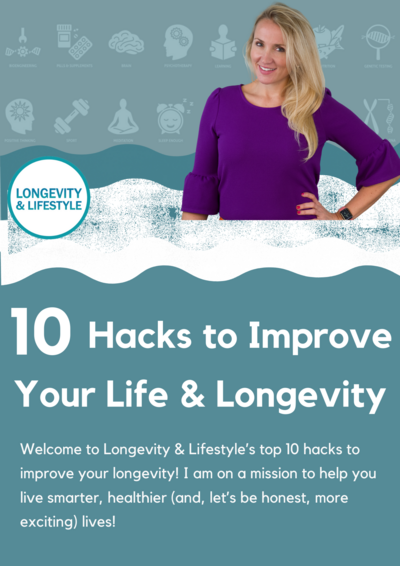
Steal Claudia's 10 Hacks to Improve Your Life & Longevity Playbook
FREE DOWNLOAD

Learn the secrets of health, lifestyle, business and finance optimization
Podcast
Top Resources

Steal My
10 Hacks to Improve Your Life & Longevity Playbook
Free guide
10 Hacks to Improve Your Life & Longevity
Want to learn how to live a smarter, healthier (and, let’s be honest, more exciting) life? Check out my free playbook with top tips just for you!
By signing up, you agree to join the Longevity & Lifestyle newsletter and to receive emails. We respect your privacy and abide by strict privacy policies.




LONGEVITY & LIFESTYLE
© Longevity & Lifestyle llc 2021 | Design by Tonic | Photos by social squares, Unsplash & Rebecca Reid
SEND ME A NOTE >
GET ON THE LIST >
@longevity&lifestyle
follow along: