#259 Jamie Clements — How to Breathe Better: Stress Resilience, Altered States, Burnout & Human Potential
The Longevity & Lifestyle podcast
The Longevity & Lifestyle podcast
The Longevity & Lifestyle podcast

Episode 259
Sign up for
The Longevity & Lifestyle Insider
Join Claudia's Longevity & Lifestyle Insider newsletter to get top tips, insights and strategies on optimizing your life, health and business!
By signing up, you agree to join the Longevity & Lifestyle newsletter and to receive emails. We respect your privacy and abide by strict privacy policies.
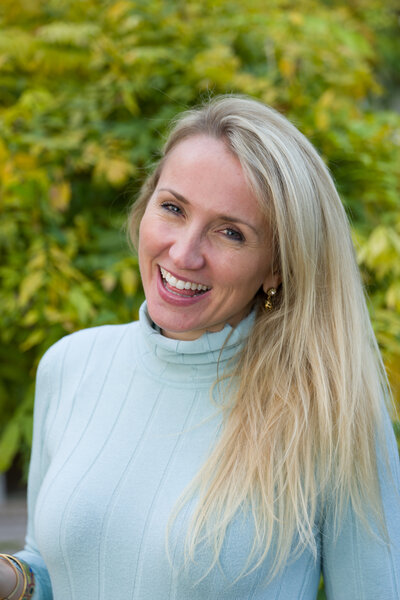

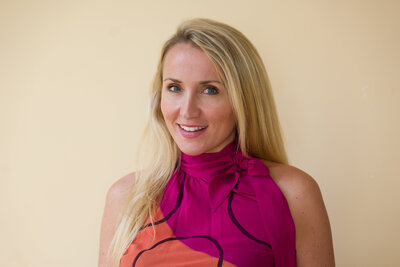
“The way you breathe shapes the way you think, feel, and experience the world.”
- Jamie Clements
In this thought-provoking conversation, Jamie Clements, breathwork facilitator, educator, and founder of The Breath Space, joins Claudia to explore the science of breathing, nervous system regulation, anxiety, resilience, and why so many of us have forgotten how to breathe well.
Rather than treating breathwork as another wellness trend, Jamie explains how functional breathing supports both physical and mental health and why the wellness industry sometimes pushes optimization at the expense of genuine wellbeing.
We explore:
- Why Most People Are Overbreathing Without Realizing It
- The Importance of Nose Breathing
- Why Carbon Dioxide (CO₂) Is Essential for Oxygen Delivery
- How Breathing Influences the Nervous System
- Breathwork for Anxiety, Stress & Emotional Regulation
- The Difference Between Functional Breathing and Breathwork Practices
- Box Breathing and the Physiological Sigh Explained
- Why Better Breathing Improves Sleep and Recovery
- The Role of Awareness in Lasting Health
- Why Human Connection Matters More Than Constant Self-Optimization
This conversation is a refreshing reminder that one of the most powerful health interventions isn't another supplement or device it's learning how to breathe well.
ABOUT THE EPISODE & OUR GUEST
SPONSORS
Not all supplements are created equally. BioLongevity Labs focuses on evidence-backed formulations, third-party testing, purity, and USA manufacturing to support energy, recovery, gut health, performance, and healthy aging.
Their bestselling formulas include:
- BioRetina - a peptide bioregulator complex designed to support eye health
- ShredMAX - SLU-PP-332 capsules designed to support mitochondrial biogenesis, fatty acid oxidation, and exercise capacity,
- BioGutPro - for gut-lining and digestive resilience, and
- BioRestore - for tissue recovery and a healthy inflammatory response.
Their approach is simple: fewer vague promises, more transparency, and formulations grounded in longevity science.
Get 20% off with code CLAUDIA20 at BioLongevitySupplements.com
Unlock peak energy, mental clarity, and long-term health.
If you’re an entrepreneur, leader, or high achiever who refuses to settle for burnout, fatigue, or suboptimal health - this is for you.
I help top performers optimize their energy, longevity, and success using science-backed strategies, biohacking, and personalized health protocols.
Book a Complimentary Peak Performance & Longevity Coaching Call
This free exploratory session will help you:
• Identify what’s holding you back from your highest potential
• Gain clarity on your energy, focus, and longevity goals
• Discover a proven framework for sustainable high performance
Spots are limited - apply now to reserve your session.
🔗 APPLY HERE
Peak Performance & Longevity Coaching Call
Show Notes
00:00 Introduction
03:44 Jamie’s experience with anxiety and panic attacks
06:15 Losing his job and discovering a different path
09:26 Why we underestimate the power of breathing
12:15 Ancient breathwork traditions
15:43 How breathing controls the nervous system
18:06 Using breath to change your internal state
19:33 CO2 tolerance and stress resilience
24:58 Signs you may be breathing incorrectly
27:39 The three levels of breathwork
31:13 Trauma release and breathwork safety
33:54 What an altered-state breathwork session feels like
38:29 Why high performers struggle to slow down
41:43 Purpose, ambition, and self-worth
43:24 Creating work-life harmony
48:57 The Breath Space
50:33 Why you do not need fixing
PEOPLE Mentioned
Companies, Products & Organizations
Terminologies
- Functional breathing
- Autonomic nervous system
- Sympathetic nervous system
- Parasympathetic nervous system
- Carbon dioxide tolerance
- Air hunger
- Nasal breathing
- Dysfunctional breathing
- Nervous system regulation
- Conscious connected breathwork
- Altered states of consciousness
- Trauma-informed breathwork
- Emotional regulation
- Breath retention
- Physiological sigh
MORE GREAT QUOTES
"The nervous system responds to how we breathe long before we consciously notice stress.” - Jamie Clements
Legal Disclaimer: Please note, to avoid any unnecessary headaches, Longevity & Lifestyle LLC owns the copyright in and to all content in and transcripts of The Longevity & Lifestyle Podcast, with all rights reserved, as well as the right of publicity. You are welcome to share parts of the transcript (up to 500 words) in other media (such as press articles, blogs, social media accounts, etc.) for non-commercial use which must also include attribution to “The Longevity & Lifestyle Podcast” with a link back to the longevity-and-lifestyle.com/podcast URL. It is prohibited to use any portion of the podcast content, names or images for any commercial purposes in digital or non-digital outlets to promote you or another’s products or services.
PODCAST EPISODE TRANSCRIPT
Claudia von Boeselager: Welcome to another episode of the Longevity and Lifestyle Podcast. I'm your host, Claudia von Boeselager. I'm here to uncover the groundbreaking strategies, tools, and practices from the world's pioneering experts to help you live your best and reach your fullest potential. Don't forget to subscribe to the podcast to always catch the latest episodes.
Legal Disclaimer: Please note, to avoid any unnecessary headaches, Longevity & Lifestyle LLC owns the copyright in and to all content in and transcripts of The Longevity & Lifestyle Podcast, with all rights reserved, as well as the right of publicity. You are welcome to share parts of the transcript (up to 500 words) in other media (such as press articles, blogs, social media accounts, etc.) for non-commercial use which must also include attribution to “The Longevity & Lifestyle Podcast” with a link back to the longevity-and-lifestyle.com/podcast URL. It is prohibited to use any portion of the podcast content, names or images for any commercial purposes in digital or non-digital outlets to promote you or another’s products or services.
PODCAST EPISODE TRANSCRIPT
Claudia von Boeselager (00:00)
My guest today is Jamie Clements. Jamie is a breath work facilitator, speaker, educator, and the founder of The Breath Space. His work xplores the intersection of breath, nervous system health, consciousness, and human potential. Drawing from functional breathing, modern neuroscience, trauma aware practice, psychology, and ancient wisdom, Jamie helps people move from anxiety, burnout, and disconnection toward greater regulation, awareness, and meaning.
Jamie's journey into breathwork began through his own experience with anxiety and panic attacks. What started as a personal search for healing became a wider mission to make breathwork accessible, practical, and deeply human. But Jamie is also an important critical voice within modern wellness. He challenges the pressure to constantly improve, measure, heal, and optimize ourselves and asks whether the wellness industry is sometimes reinforcing the very anxiety
And inadequacy it claims to solve. Today we explore the science of breathing, nervous system regulation, anxiety, altered states, and limits of self-optimization, and how the breath can help us reconnect with ourselves in a culture that constantly tells us we are not enough. It's quite hot today where I am, and so I have a fan on in the room. So I hope that the sound in the background is not too disturbing. And I hope you enjoy today's conversation.
Claudia von Boeselager (03:37)
Jamie, welcome to the Longevity and Lifestyle podcast. I'm so excited for a conversation today.
Jamie (03:41)
Thank you so much for having me now. I'm super excited to be here. It's a pleasure.
Claudia von Boeselager (03:44)
we're delighted. And we're both managing heat conditions with lack of air conditioning. So, dear audience, if we look a little bit sweaty or if I do, please excuse it. So it is what it is. Jamie, I had the pleasure of hearing you speak at a conference and I was so inspired that I wanted to bring you on today. So thank you so much for taking the time. And I'd love for you to share a little bit before we talk about the science, your story, right? And so you've spoken openly about experiencing anxiety and panic attacks.
So what was happening at that time of your life, what was going on that led you to then discover breath work? Can you share with us?
Jamie (04:16)
Yeah, absolutely. it's interesting kind of the story, really feels so familiar to me now. And I've heard other people's versions of the same story as lots of people who come to this work have experienced, guess, their own rock bottoms and burnouts and have found their way to a different way of being and existing. For me, as you mentioned, I experienced a variety of challenges with my mental health through my late teens and my early twenties. So
from about the age of 15, but perhaps even a little bit before I had some challenges with anxiety. I was quite a shy kid growing up. was pretty introverted and from the age of 15 until 24, 25, I had some pretty serious challenges with anxiety, with depression, with panic attacks. And i list off those kind of symptoms or experiences and I often bring it all the way back around just
to say that those for me were all a presentation of being really deeply lost and disconnected from myself. I had crafted for myself and built for myself a life from the outside looking in that probably looked relatively together, that looked pretty good I had a good job, a good degree. I was working in the city. I was working in tech startups and previously in finance and was playing sports to a high level, you
I was functional, I was very, very functional. But I really feel that that life for me was built from a place of who I thought I should be. And that led me off path, off track, away from what I now would describe or speak to as a deeper sense of myself or my soul. And I would say the last, I guess, eight to 10 years of my life have been trying to make my way back there to
a more true version of myself and away from some of those challenges. So yeah, was those experiences that led me to a very deep, dark place. And from there, found breathwork and began to move into a slightly different direction and trajectory in my life.
Claudia von Boeselager (06:07)
Was it serendipitous that you found breath work, or was there like a particular moment of rock bottom where you're like, Enough is enough? I have to change. This is not me.
Jamie (06:15)
I was really desperate is probably the best word. I was in a really, really deep hole where I didn't know up from down, left from right. And, and I wasn't really sure what to do with myself. And I would say looking back with the benefit of hindsight that thankfully part of that rock bottom when I was 24 was, losing my job. And I was running a sales team for a tech startup at the time. And
it really wasn't serving me in any way, shape or form. And fortunately, obviously at the time it felt pretty harsh and unfortunate, but fortunately I got let go from that job and I ended up getting four months paid leave. And in those four months, I experienced just a different way of living. I spent a lot of time with people who were self-employed. spent a lot of time with people who had...
you know, built things for themselves, but also who are very ingrained in the world of health and wellbeing and spirituality as well. And so that was really my first glimpse, I think, of a different path for myself, because for so long, it had just been, do well at school, go to a good university, get a good degree, get a job, work till you're 70, retire, and then you can have a life. And as it is for so many people, unfortunately, and...
That was the first glimpse and glimmer of something different. And then from there, breath work came into my life just before that period. And it wasn't the first thing I thought of. wasn't even something I was particularly aware of. I started with more traditional talk therapies. I tried meditation for a while. I tried yoga for a little while and really just like ticked the boxes of the things that people try when they're in a pretty dark place. And then breath work.
just gradually nudged itself into frame. And I was like, you know, as I hear from so many people, breathing, you know, what could it, I do it all the time. I know how to breathe. And eventually I found myself in the room. I found myself on the mat. I found myself having a really beautiful, very embodied experience. And that was the beginning of a path of a couple of years of deepening my personal practice
Claudia von Boeselager (07:55)
I know. I do it anyway.
Jamie (08:12)
beginning to train and understand and really I had this deep fascination for the work that was helping me so significantly in my own life as well. yeah, it really, I would say was pretty serendipitous, but looking at, I suppose, the path that I shifted onto it, it was always going to emerge at some point. I just don't think I could ever have expected it to emerge in the way that it has is both a personal practice, but also a career and...
I don't even like to call it a career, but a career, yeah.
Claudia von Boeselager (08:41)
Your daily passion or whatever you want to call it exactly. And I mean, I'd almost say, Jamie, like, you know, you're lucky at twenty-four to have had that awakening, whereas other people are like slogging for years and they're burnt out in their like forties or fifties or whatever, and then only they're like, Okay, finally I need to do something. So well done for being so courageous and taking that step at such a point And
Jamie (08:44)
Exactly.
Claudia von Boeselager (09:01)
I mean, I don't know. my audience will know a little bit, but you know, I also went into finance, investment banking, hundred plus hour weeks, and then tech serial entrepreneur and like burn, burn, burn, burn, burn, and thinking you're, you know, you can sleep when you're dead embarrassingly, and that at some point like just it doesn't work anymore. And that sets you on the journey. So it took me a few years longer than you. But the journey since has been so amazing. And even looking back, if you think about the person that you used to be and now, like it's such a gift.
Jamie (09:19)
Yeah.
Claudia von Boeselager (09:26)
So really excited to dig into different things. And so I think most people think about breathing. And I was looking at the statistic that we breathe on average twenty thousand times a day. It was like a huge number, right? But obviously most of us don't think about our breath. And so what would you say are some of the biggest misunderstandings about the power of breath, just to set the stage and help people to understand why this is so important?
Jamie (09:45)
Yeah, absolutely. I'd say that that number of 20,000 is creeping up and up and up with rates of stress and anxiety and nervous system health going the way that it is right now. I always like to give a broad range of sort of 20 to 30,000 because I think we'll see that continue to climb, hopefully start to fall if the wellness world and breath work does its job. However, maybe we can come back to that as a different thread entirely.
Claudia von Boeselager (10:09)
That's a clinical trial
for you to do. I get people down to fifteen thousand breaths a day.
Jamie (10:11)
Exactly. Exactly.
That would be lovely to see. So I think that the biggest one is something we've alluded to already, which is just this fundamental capacity that we seem to have to take the breath for granted. So the simplicity of it is both its superpower and its downfall. simple, so that we can all access it, we can all gain the power of it. However,
as we already spoke to, know, people just look at it and go, yeah, it's just breathing. How powerful could it possibly be? And the answer is incredibly. And so that for me is, the big one is really, if nothing else, my mission is to remind people of the power that it has. I often get introduced by my friends as, you know, this is Jamie, he teaches people how to breathe. And I would say, you know, yes, but you know, I actually don't take myself too
literally in that sense, it's more reminding people of the power of the breath. And also the sanctity of the breath. I'm a big advocate of looking at ancient wisdom and going, okay, breath work as this neatly wrapped modality was never needed. It was never required because there was this implicit understanding that the breath is sacred. And I think that's another one that I always try and bring into this conversation is that the breath is the root of
of the word spirit in so many of these ancient cultures and they have a lot of crossover in the etymology. And so this real deep understanding and appreciation for what is a very fundamental life process. And then from there, all of the things that it can give to us in terms of, you know, mental health, emotional health, spiritual health, and physical health. And so if I had to pick one, you know, misunderstanding or
Yeah, it would be just this underestimation of the breath and us taking it for granted and just gently, gently reminding people of the power that it can hold.
Claudia von Boeselager (11:56)
I think that's also fascinating and I wanna look at the science a little bit and then look at different factors. but just to touch on sort of the ancients, what have you seen or what were certain practices and which cultures that had a breathing practice? I mean, it sounds a bit funny 'cause obviously everybody was breathing, but that were doing conscious breath or however you want to call it.
Jamie (12:15)
For sure. Probably the most famous or widely acknowledged would be in yogic tradition. So with Pranayama, which obviously informs a huge amount of the yogic breathing practices that we see today and has informed a lot of what we would call breath work in the Western world now. But there are also indigenous African cultures and practices, Central American, South American, Amazonian practices.
There's Tummo breathing, which is a Tibetan practice, which is actually the foundation of what most people probably know as the Wim Hof method or Wim Hof breathing is from Tummo breathing from Tibetan traditions. And so, yeah, there are, I suppose, echoes of these ancient practices in what we see as kind of these modern breathing interventions. And yeah, I think it's important that we acknowledge that none of this stuff is new even.
Claudia von Boeselager (13:01)
Yeah.
Jamie (13:01)
if
the branding says otherwise. But really at its core and something that I see in my own practice and try and infuse into my own work nowadays is really just looking at the breath as the connection between your internal world and the external world. And so that in of itself is profound even before we get into the realms of techniques as well. So really just trying to restore that simple but very sacred aspect to what it means to breathe.
Claudia von Boeselager (13:04)
Yeah.
That's really beautiful and I'd love to tap into that a little bit more. For someone maybe hearing that the first time, you know, connecting your outer world and your inner world, yes, it goes into the lungs, but like what do you mean, Jamie? Can you expand on that?
Jamie (13:42)
I will do my best.
What do I mean by that? I suppose that there's some beautiful lines that crop up in various teachings and meditations and that I use in
I suppose this symbiotic relationship between ourselves and nature and this idea that we've become very separate from nature. We view ourselves as separate from nature when really we are just part of this ecosystem and taking us away from that quite separatist mindset into more of an ecological mindset. And so some of my favorite lines that I always like to come back to around sort of as I inhale, the universe exhales.
as I exhale or the universe inhales and just really helping us, you know, get to grips with the fact that essentially the breath for me is this crack in the window between what's going on inside of me and what's going on outside of me. And we could go deeper into conversations around consciousness and way down the rabbit hole. I think given that we're talking through the lens of someone listening to this for the first time, really just as they sit here, right here, right now, just
Claudia von Boeselager (14:17)
Yeah.
Jamie (14:41)
an acknowledgement and whether that acknowledgement can turn into an appreciation or a gratitude for the fact that you know, that's a first principle truth that as I breathe, I'm breathing in all of this out here. And as I breathe out, I'm contributing to it. And that for me, it gives me a real sense of, connection and drops that, sense of separation that can often keep us feeling quite isolated in our own space.
Claudia von Boeselager (14:45)
Mm-hmm.
That's so beautiful. And I definitely want to dig into the consciousness part, but we'll get to that maybe a little bit later because this is where the juicy stuff is for me. But as we go on a little journey to get to consciousness, can we have a look first around a little bit the science part of it for some of our people understanding? So if someone is consciously breathing, what is actually happening physiologically with the nervous system and the brain and heart and stress response? Can you walk us through that for the more
Jamie (15:07)
Yeah.
Claudia von Boeselager (15:30)
brained people amongst us. Consciousness. And yeah, welcome if you are.
Jamie (15:43)
So this for me is really the gateway into bringing everyone on this journey the breath. And the fundamental principle that I think everyone should understand is the role of the breath within the nervous system.
So the breath is part of something called the autonomic nervous system, which governs all of our automatic functioning. so things like saliva production, pupil dilation, digestion, breath, heart rate, and many, many others. The breath is quite unique as a part of that system because it's the only part that we can actively consciously control. And so through shifting the breath, the speed of the breath, the depth of the breath, the volume at which we breathe, we can actually start to influence the nervous system.
So our breath is influenced by that nervous system, but also we can reverse engineer it and influence the nervous system with the breath. And so we have this remote control or this lever or this dial to work with the autonomic nervous system, which is important because the autonomic nervous system governs that stress response that you mentioned. So it governs both stress, but also relaxation. So the most sort of widely accepted
kind of fundamental model of that system is this two branch model of sympathetic and parasympathetic. So sympathetic being fight flight, that activation mobilization response, and then parasympathetic being rest and digest. And so through the breath, we have the tools, the capabilities to either activate and actually turn up the intensity and the energy in the system, or probably more widely needed and also spoken about is that.
activation of the calm within the system. So removing or reducing the amount of energy in the system to create a deeper sense of rest and calm. So that's really the core nuts and bolts of the science when it comes to like, why should we care about the breath? And I think that for me is the big one is just the influence that it can have to create our own internal reality and external reality through working with the nervous system.
Claudia von Boeselager (17:33)
I think it's really powerful. And a lot of people think they just wanna like calm themselves with breath, but it's actually a really useful tool. Like if you're going on stage or you need to be switched on and sharp, like there are different breathing practices and love for you to share some of them to, you know, switch on to get your brain a fired up so that you're ready to go. I think Tony Robbins is probably one of the biggest where he's like jumping on a trampoline and doing breath work and all these crazy things and then comes out like, you know, on full power, versus obviously when we wanna wind down, calm, because many of us live in this hyper
fight or flight states during the day So like it's finding the balance and it's not saying one is particularly better than the other, but I think it's managing them right.
Jamie (18:06)
absolutely. It's kind of being able to map your own internal state. think that's kind of phase one is a lot of us are living very kind of neck up and it's we're very identified with thought, but not so much with felt sensation. And if I were to ask somebody, you know, where are you at right now? What are you feeling? You might think, I think I'm feeling this. Okay. But what are you feeling?
And to actually get people really back in their bodies and connected to their internal state. And then from there, once we have that ability moment to moment to understand where we're at, that's where we can start to apply these different protocols and practices to create change. So it might be, you know, I often think with something like public speaking, there's absolutely a time and a place for a bit of a Tony Robbins approach. If I'm feeling a bit, a bit sluggish, a little bit lethargic, and I need to get switched on.
Claudia von Boeselager (18:51)
Yeah.
Jamie (18:55)
And equally, there'll be times where I'm feeling a little bit more nervous, a little bit more anxious, and I might just need to find a slightly more balanced place. we'll all have, you know, it might not always be public speaking, but we'll have difficult conversations or stressful days or whatever it might be. And we can just start to subtly work with the breath to create those micro shifts and those micro pauses as well.
Claudia von Boeselager (19:16)
Beautiful. And I want to touch on one of the topics, CO2 so carbon dioxide tolerance and resilience. And obviously resilience is a phenomenal thing to be able to have. I've had a professor from Stanford talk about resilience and the importance in life. Can you share a little bit about CO2 tolerance and resilience?
Jamie (19:33)
Yeah, yeah, it's an interesting one and does allow us to go a little bit deeper into the science. I think again, probably one of the big misunderstandings when it comes to breath and respiration is the role of carbon dioxide in our system. So certainly when I was at school, kind of low level biology class, it was this understanding that breath was all about oxygen in CO2 out, CO2 being a waste gas. It's not good for us. Just get rid of it.
If that were true and it was just sort of oxygen, good, CO2, bad, then everyone, I would be encouraging everybody to breathe as much as possible. Like breathe as big, as fast as you possibly can, because we've got to get that oxygen in and that CO2 out. And a lot of the schools of thought, the deeper we go into understanding the breath is, you know, the healthier we are, the less we breathe and the less that we breathe, the healthier we are. And so to bring it back around to CO2.
Claudia von Boeselager (20:07)
Yeah.
Jamie (20:23)
CO2 plays quite a vital role in oxygen delivery. So it's actually responsible for creating the internal conditions through blood pH to trigger the release of oxygen from the red blood cells into the tissues that need it. So oxygen gets bound to the hemoglobin, to the red blood cells, and it will stay bound until the pH is at a level where the release is triggered. so CO2 actually helps to create
those conditions. So that's really the fundamental science of it is actually breathing less than we may think, breathing more lightly, more gently at a lower volume, so that we retain a level of CO2 in the system. To go a bit deeper into that and to bring it to resilience. So the way that we can start to train CO2 tolerance and also what we might call air hunger tolerance, air hunger being this urge to breathe, is primarily through
breath holding. we do short, medium or longer breath holds to create this rise in CO2, which again is a bit of a misunderstanding. We often think that that feeling of needing to breathe is as a result of needing oxygen, but it's actually CO2 rising in our system. And so when we bring CO2 and hold our breath and bring the CO2 level in our system up, we are starting to train both the body and the mind.
Claudia von Boeselager (21:30)
Mm.
Jamie (21:40)
to be able to tolerate higher levels of CO2 in the system. This can benefit us both in terms of our sort of natural day-to-day breathing pattern and also mental and emotional resilience. So there's a bit of a transferable skill here where my capacity to tolerate this rising feeling of air hunger in my system is really stress resilience training where I'm learning to stay calm in the face of fear.
stress or pressure. And so its a really fascinating part of the breath world and the breath puzzle and helps us both really in the moment day to day with how we breathe and the state of our natural breathing pattern but also as we go a little bit deeper into it with things like athletic performance and also resilience as we mentioned.
Claudia von Boeselager (22:23)
How is your resilience, Jimmy? Are you like cool as a cucumber no matter what? Is it like the best of the best of the best? Like what would you say and do you track it? I don't know. Like I know the respiratory rate, like how many breaths per minute? curious.
Jamie (22:25)
Yeah.
.
So I've not worn a wearable for quite a long time for various reasons. I would say my resilience is pretty solid. I like to consider myself someone who can stay calm under pressure with a caveat that people often expect me, given the nature of my work, to be calm all the time, which I believe is one of the biggest myths of the wellbeing world is that calm all the time is achievable and the right thing.
Claudia von Boeselager (22:57)
Is the right thing. And and you're human,
right? So
Jamie (23:01)
you know, if I were never feeling anger or anxiety, I'd be really concerned. But I suppose it's our response to those emotions and our capacity to hold those emotions. So that for me, I would say it's pretty good unless I'm under slept. I'd say that's where my emotional regulation and my resilience. Yeah. Exactly that. Exactly that. So,
Claudia von Boeselager (23:18)
That was me last night, by the way, after not sleeping the night before. Yep.
Jamie (23:25)
Yeah, yesterday that from the football? Were you up for the football?
Claudia von Boeselager (23:28)
partly but also the heat and then my daughter had a nosebleed and there was like multiple things going on that the night was a total disaster. So last night was tricky.
Jamie (23:30)
Yeah, fine.
Yeah, yeah, I mean, I did it
completely to myself by staying up to watch the football. So, yeah, yesterday, yesterday was not not a good time. But yeah, I say, for me, know, CO2 tolerance is definitely a part of that. And I feel that you know, I've worked with my system in that way over the years to cultivate that capacity. And by no means, you know, I've worked with some very, very impressive people from elite sport and free diving and they, you know, they blow my mind.
Claudia von Boeselager (23:40)
Two AM to four AM, yeah. Not a happy camper.
Jamie (24:02)
in terms of what they're capable of. I'd say I'm just a normal guy, but I also enjoy this work. I'm passionate about this work. And I like to think that I hold myself pretty well.
Claudia von Boeselager (24:58)
Amazing. Free diving. That's a whole nother thing. I saw a movie. I mean a scuba dive, but like going down where you can't even see anymore. I think that would be one of my biggest nightmares. So anyway, different conversation. For people, Jamie, listening who are wondering about their breath, before we dig into different modalities of breath work, how can you tell if you're not breathing well or properly? What's like a straightaway telltale sign?
Jamie (25:03)
Mm-hmm. Yeah.
I say the probably the most telltale sign would be symptomology of that. So first and foremost, it's likely to present a stress or anxiety. and this isn't really, just a one direction kind of process. So stress and anxiety will create what we call dysfunctional breathing. Dysfunctional breathing will create stress and anxiety. So we've got this kind of vicious cycle. but if I was asking someone to really pay
greater attention to their natural breathing pattern. Then the things that we would typically see would be shallow breathing. So upper chest breathing, vertical breathing. So as someone inhales, the shoulders really come up, everything moves upward. So we're into these kind of upper portions of the lungs, again, very shallow, fast breathing rate. So again, coming back to respiratory rate over time. Mouth breathing, particularly at night.
unconscious breath holding. So there was a term that got coined in lockdown around COVID called email apnea, which was people holding their breath while they're at their laptop. And that's partly postural, but primarily, in my opinion, stress related. And so if we're very, very stressed, we will start to hold our breath. And then you get people kind of not realizing they're doing it. And then all of a sudden they go,
and taking a really big breath. it's just, again, creating stress on the system. But yeah, I'd say the speed of the breath, the kind of depth of the breath. So are we more diaphragmatic or are we more upper chest with the intercostals? Unconscious breath holding and mouth breathing would be like the big repeat offenders as far as breathing in a way that isn't really supportive for our wellbeing.
Claudia von Boeselager (26:45)
Interesting. And also sleep apnea is known for being a driver of dementia Ultimers, right? So it's actually important to address. Yeah.
Jamie (26:52)
Yeah, exactly. Exactly.
mouth breathing in children has been starting to be shown to be linked to things like ADHD, cognitive challenges in later life as well. So there's definitely, there's a big link between mouth breathing in particular and cognitive function over time as primarily to do with oxygen delivery to the brain and an oxygenation of the brain.
Claudia von Boeselager (27:15)
Yeah, do you Patrick McCone? I've had him on a few times. Yeah, he's brilliant. And I've tried mouth tape, we've even had my kids too. But I find like I don't consciously think I breathe through my mouth during at night, but if I use the mouth tape, I do sometimes notice like a difference. and he has obviously there's myotes and there's different brands out there. it's interesting concept to use mouth tape, but it is effective. So I think if anyone's curious, just try it, right? you're not gonna look the best, but it's it's quite effective.
Jamie (27:17)
Yeah.
Thanks
Yeah.
Claudia von Boeselager (27:39)
Jamie, let's look at the pyramid of breath work modalities. Can you walk us through sort of the basics that you would say, you know, everybody should try? Are there any contraindications? Are there any people that shouldn't be doing this? I think that's also important. And then as it gets a little bit more technical, like what does that look like? What are the outcomes? What are the experiences? Can you walk us through the landscape?
Jamie (27:58)
For sure. Yeah, absolutely. So I often speak to both this idea of the pyramid, but also this kind of spectrum. So spectrum flowing from micro at one end through to macro at the other end. so, which gives me weird kind of flashbacks to studying economics and microeconomics and macroeconomics. I haven't thought about that for a while, but micro through to macro, micro being...
Claudia von Boeselager (28:15)
Yeah.
Jamie (28:20)
the foundations, some of the stuff we were just speaking to really the foundations of what it means to breathe well day to day. So a lot of Patrick's work does a lot of really great groundwork around functional breathing, CO2 tolerance. How are you breathing day to day? Are you firstly even aware of it? And secondly, doing it in a way that is supportive of how you think, feel, operate in the world around you. And so that's where I would start most people is first pay attention.
And second, learn the basics. So the basics of healthy functional breathing would be breathing through the nose, breathing slowly, breathing expansively with the belly and breathing softly and gently. So really the opposite of those things that we would look out for with dysfunctional breathing. So slow it down, breathe through the nose, breathe deeply and breathe gently. And so that would be kind of, it can, and often for many people could be and should be a
dedicated practice of checking in with the breath and working with it to move towards that pattern. Then we get kind of into the middle of that spectrum, which is around the nervous system. Again, that principle that we spoke to around the role of the breath within the nervous system. Some of these famous now techniques, things like box breathing, the physiological sigh, extended exhale breathing, where you might be spending one minute, five minutes, 10 minutes, 20, 30 minutes.
doing a sequence of practices or a particular practice that is designed to create a change in the state of your nervous system. So this might be a daily practice in the morning, in the evening, throughout the day. It can also be in the moment practice to support you with a feeling of stress, anxiety, insomnia, low energy, low mood, whatever it might be. And so kind of moving along in terms of
the length of session, the depth of understanding all the way through to this macro end of the spectrum where we find the more therapeutic modalities of breath work, things like conscious connected breathing, where we're starting to work with more of a therapeutic, emotional and spiritual lens where we're able through the breath to create these expanded or altered states of consciousness for psychosomatic processing, for
healing for trauma resolution. And really this is where, you know, certainly when I first got into this work, somebody kind of explained that to me and I was like, now you've definitely lost me now. You're telling me that through breath, I can create these, you know, near psychedelic experiences and they're going, yeah, just give it a try. And now that is where I spend, would say the majority of my time in my work is facilitating those deeper practices. That being said.
my way of working with those deeper practices is always to support them with a solid foundation and base that are formed by those first two pillars to really give that scaffolding to hold the depth of these deeper experiences. So yeah, sort of three pillars of functional breathing, nervous system regulation, and then conscious connected breath work and therapeutic practices.
Claudia von Boeselager (31:13)
So we're gonna dig into the conscious connected breath. And maybe just to caveat It obviously the foundations with the breathing, but maybe just to touch on trauma and trauma release. I've had the opportunity to do some of these halotropic breathing experiences And it's unbelievable with your breath what you can actually do in the right environment. and so I'd love for you to talk through that a little bit, but maybe just to caveat with how this can also trigger.
Jamie (31:16)
Yeah.
Hmm.
Claudia von Boeselager (31:38)
you know, unresolved trauma that people might have Can you share a little bit about that?
Jamie (31:41)
Yeah, absolutely. I'd say the risk is also the reward in a lot of cases with this work in the sense that in the right space with the right facilitator, with the right preparation and integration, we are using the breath to open a window to some of those deeper layers of the psyche and the unconscious and the body. And in doing so, we may bring up past experiences, memories or material that is
challenging or has previously been challenging. And so that's where, again, the right circumstances, the right formulation, the right people in the room is incredibly important because when that material resurfaces and we almost have this opportunity to recalibrate our relationship to it.
the depth of the felt sense of safety that we have in that space is what allows us to recalibrate it in the positive sense. If we just kind of bash down that door to the psyche and say, luck, you know, God bless. It really leaves the window open to something that unfortunately we see more and more in the breathwork space, which is destabilization and retraumatization. And so that's where.
It's just breathing becomes quite a challenging thing to navigate because we don't quite take it as seriously in a lot of spaces as I believe we need to. I think the beauty of the practice is that it's incredibly universal, but there are contraindications. And as we just discussed, there are real things that we need to manage in terms of some of the material that can then could come to the surface. yeah, it's an amazing thing.
It really, really is. And I don't want to sound all doom and gloom, but I think it's really just the level of responsibility that we have to hold these practices in the right way. And the same way we would speak to harm reduction in psychedelic spaces as well.
Claudia von Boeselager (33:25)
Exactly. Yeah,
I've had different practitioners and scientists around psychedelic medicine that are you know, in different jurisdictions where it's allowed. And that set and setting is so fundamental and that feeling of safety, right? So I think if you know you feel more vulnerable and you're not feeling safe, it can trigger a whole cascade of things. So I think what you said make sure it's a safe space with someone who knows actually what they're doing, because you are essentially opening up the subconscious, partially during these experiences and
Maybe for someone who's hasn't heard any of this before and they're thinking like subconscious and opening up and like what are they talking about? Can you describe one of your experiences or whatever you're comfortable with? Maybe one of the people you've worked with, obviously no names. what can someone who's never heard of this and they're listening and they're like, What's breath and consciousness and like journeys and like what? What's going on? can you walk through that?
Jamie (33:54)
Mm-hmm.
Hmm
Hmm.
Yeah, I would always say that the words will never quite do the experience justice, but I would definitely endeavour to do my best. So a typical, maybe we can kind of paint a bit of a picture of a typical experience. So anywhere between 30 and 90 minutes of a particular style of breath work where you're working with the breathing in a very intentional way, where we are increasing the volume depth and rate of breathing, usually breathing in and out through the mouth.
And when we breathe in that way over a sustained period of time, we're creating a shift in our blood biochemistry, most notably dropping blood CO2 levels. And this opens up a sort of cascade of physiological and psychological experiences that lead to, not in every case, but lead to an experience of an altered state of consciousness that can show up very differently from...
person to person and session to session. So it can be quite a physical experience. People get changes in temperature, energy moving in the body. Some people get sort of cramping and tingling in hands. There's really like a variety of physical experiences that can manifest. It can be a very emotional experience for people. That can often be linked to some of that unconscious material and memories and things coming through.
Claudia von Boeselager (35:16)
Had that too. Yeah.
Jamie (35:26)
Other times it seems to be more of a processing of emotional energy that's been held and stored somewhere in the body or the unconscious. And so one thing you quite often hear will be, you I felt this movement of anger, but I don't know where it was coming from. And quite often it's this very visceral letting go of an old sort of stagnant emotion that's been held somewhere.
It can be a little bit more traditionally psychedelic. So colors, patterns, geometry, you know, your imagination coming online as well. And sometimes for some people, it's just really, really calm and meditative and peaceful. And I laugh because people often come out the other side, you know, maybe the person next to them was crying. Maybe the person next to them was laughing and they've just had this beautiful, peaceful journey. And they're like, did I do it wrong? I'm like,
That's for me, that is the best experience. It doesn't need to be this huge process if we're in this beautiful space of contentment. I'd say one of my most profound experiences with conscious connected breathing, I've had many, but, one of the ones that stands out and it was actually the single experience where the very next week I sat down with the facilitator. said,
how would I even think about going about training and facilitating for other people? So this experience for me was a big one. And the thing that stood out for me, there were different images coming into my mind, but I had this very visceral felt experience of joy and euphoria that I really, I was probably 23 at this point. And I remember being in that experience and even afterwards thinking,
that that was an experience of joy that I hadn't had since I were a kid. And it was almost like that I'd forgotten that that level of joy were possible. And it was this really blunt force reminder that it was possible. And that then stayed with me and really opened up my emotional capacity to feel the higher highs and arguably the lower lows, but definitely the higher highs. So that was a really standout one for me. And
I've seen all manner of experiences over the last six, seven years. Yeah, it's been a really beautiful thing to witness in others. its a gift to be able to share this with other people for sure.
Claudia von Boeselager (37:36)
facilitate it too. I know the first person who ever told me about this, he's like, it's crazy. He was like, this is the most insane thing. I think he randomly ended up in one of these breathwork sessions. I had no idea what he was getting into. And he's like, I literally resaw being born. And he was like, it was so wild that he was totally like freaked out and excited about it at the same time. So I think it's set and setting is super important and that people are prepared for what they're getting themselves into because you're not really sure what's gonna come up, right? So
so so so beautiful. I also wanted to discuss people who are like the high performers, right? Addicted to optimization, tracking more, optimizing. And you touched on something before that I really liked about helping people. You asked, like, how do you feel? And they're all cerebral about their answer. What is that path for high performers for people to
be less cerebral and to tap into feeling more. And why should a high performer care about that? Why should that be important for everyone?
Jamie (38:29)
That's the big, big question in my work. I suppose that the why, why should you care? Because the thing I rub up against the most with Type A high performing types is, this sense that, I don't want to lose my edge. You know, if I slow down, if I'm happier, if I'm, know, fulfilled then
I'm going to lose my edge. actually, if we look at, and this is something I always have to remind myself of, because I'm definitely cut from that cloth. That, you you look at these incredibly wealthy people or people who have sold companies or people who have achieved all of the things that they said they were going to achieve. None of them are going, yeah, when I did that one, everything was fine. I was finally happy when I finally got there. It's the illusion of there.
It's like, when I get to there, then everything will make sense. And you can be wildly wealthy and incredibly fulfilled. You can also be doing just fine and wildly fulfilled. And I think the difference there is nothing, you know, to do with reaching there, but actually a deeper appreciation of here. And that starts, I think, with coming back into felt sensation. And so.
Claudia von Boeselager (39:13)
Yeah.
Jamie (39:37)
working with lots of people from that world, for me, it comes from two core places. One, when we are in constant motion and in that chronic stress state and overdrive to achieve, rest feels like a risk. It feels very confronting. You know, I can't rest or I don't want to rest.
And there's a lot of resistance to it. And one side of it is that the nervous system has found a new comfort zone in chaos. So rest actually slowing down. I'm now confronted by all of this stuff I've been ignoring. And so I go, Oh, I don't, I'm not going to slow down. I'll just keep going. I'll put my fingers in my ears. And then the other one is about our sense of worth, ultimately our sense of self-worth. And
When in our lives did we begin to, or when did we learn in our lives that our worth as a human being was based on what we were achieving, what we were outputting, what we were ticking off. And if, me too. Me too. think it's, you know, it's a, it is a journey and also having a level of, I suppose, appreciation for those parts of ourselves because I like the fact that I'm driven.
Claudia von Boeselager (40:34)
It's a big thing for me, by the way. Yeah. It had to be the best and more and Yeah. It's a journey.
Jamie (40:48)
I know that it can tip a little bit too far sometimes where I'm pushing because I feel like I need to be somebody or prove something. And I believe that there is a version of ambition that exists beyond those parts of ourselves that need to prove something. And when we get to this place of deep or deeper self-acceptance, we can start to create from a more loving place, both for ourselves and other people.
rather than more of kind of a lacking place where I'm like, I need to show everybody how good I am, or I need to help everybody or whatever it might be. so working with the nervous system to recalibrate our relationship to rest and working with the psyche to recalibrate our relationship with the parts of ourselves that feel like they have something to prove. And I think those two together are a really powerful combo for anyone who feels like they've achieved lots of things.
but they still feel exactly the same, which I know is a lot of people.
Claudia von Boeselager (41:43)
Yeah, the goal posts keep moving. Would you say that you've I have to be careful my wording 'cause it's not you've made it, right? That's not the right word, but is it when you are acting from a sense of purpose? So it's not trying to prove, but it's actually that this is your purpose. And typically when we get to a larger purpose, it's typically something that's greater than ourselves. So it's not to do with the ego, but actually in service of others.
Jamie (42:06)
I'll speak from my personal experience. And what I say is that I believe it becomes a lot easier from that place. So feeling connected to something greater, something bigger than yourself, there is a sense of being pulled rather than having to push. That being said, we are
Often a lot of us wired the way we are wired. And so I've even seen in my own journey where parts of myself sneak back in where it's like, it's purpose, but I've got to be the best at my purpose. And so I'm not immune to sliding back into that place and going, and the tricky part with service and purpose is, you know, if I were working in a job I hated, then. Yeah, I could clock off.
Claudia von Boeselager (42:35)
Yeah.
Jamie (42:49)
at a certain time and not think too much about it. But because I love what I do and I love having an impact and I love helping people, I really feel passionately about it. It's quite challenging at times to find that space to go, okay, let's down tools for a little bit, because there's always something to do and I enjoy it. And so I have to look very carefully at those parts of myself just to make sure that the, that the fuel source is coming from the right.
place and I'm operating from a place of regulation in my pursuit of my purpose as well. So yeah, its a fun, I find that part quite fun to play with those dials.
Claudia von Boeselager (43:24)
So well said, Jamie. And I need advice on this because I could be busy twenty four seven and I love what I do and I love all the different things and I have an addictive personality and I'm like, just one more thing, let's get it done. what's your secret to finding that balance? And do you set up guardrails to say, like past a certain time, let's, you know, close a computer, it's off limits, or how do you manage that? Is there any structure you bring in or protocol?
Jamie (43:33)
Mm-hmm.
I've tried to build my life and my work in such a way where, what a mentor of mine called it, not work life balance, but work life harmony. And this actually it's a completely different paradigm to work life balance, which is very much the nine to five paid leave kind of way of operating. Cause there are guardrails and barriers where it's like, okay, I know that I'm in work these times. So my balance will be out of those times. Whereas.
Claudia von Boeselager (43:57)
Mm.
Jamie (44:13)
This can infuse and bleed into every hour of every waking and sleeping hour of your life. if you're not careful. So by no means have I got it nailed, but the way that I try and operate is through that lens and going on any given day, whether it's a Saturday, whether it's a Wednesday, whether it's a Monday, you know, weekend or otherwise, would I be able to take this day off if I needed to? And so
Claudia von Boeselager (44:18)
Yeah.
Jamie (44:36)
Yeah. Give a very real time example. I messed up last week because I let a two day retreat on Tuesday and Wednesday. And I had meetings in London on Thursday. I know from all of the evidence I have over the last six, seven years that the day after a retreat, I'm wrecked. I don't want to be around people. I just need to sleep, in nature. And by the end of Thursday, because I had a few meetings in London, I was
irritable, I was overtired. I was like, this is a horror. This is not a nice feeling. And just taking it as information to go, I've not done this well. And so really starting to tune into that kind of information and building the rules that, that support that and giving myself kind of spaciousness to go in either direction. So it might be, I've got a day that I've blocked out for myself as a day off.
And I wake up in the morning and I feel super inspired and super creative. And so I choose to do some work and it might be that I wake up and I've got some work that needs doing, and I'm just not in a space to do it because I'm feeling wrecked. And so I take that day off and just really for me, that's how we stop ourselves from becoming martyrs in the pursuit of our own purpose. And the thing that underpins all of this for me is
finite games versus infinite games and knowing that even with the pursuit of this purpose, there's no there that I'm trying to reach. Like I can't complete my purpose. day by day, I will work towards the things that work for me and work for, the thing that I am building. But I'm under no illusion that
Yeah, there's no end point in sight. And I want to be in a position to work for as long as I am able to and not to reach that point where I'm like, God, I'm so glad I'm able to retire, but actually to have a life that I don't need to retire from because it has this beautiful harmony. So yeah, that's really I guess my philosophy as to how I try and approach this stuff.
Claudia von Boeselager (46:31)
I love it. And I hear you too where people are when I retire. And for it's just such a foreign concept. I was like, Why would you not be doing something that you love so much that wouldn't want to leave it? Like, what's the point? But everyone's wired a little bit differently. And I think one of my learnings along the journey was also compassion. Some people call it grace and not having to be perfect all the time and like push, push, push, and just realize that like
There are going to be days when you wake up and you know what? You're just feeling exhausted. And if you can sit down at your desk and try to do work, it's going to take two hours that normally would take you maybe 30 minutes, right? So instead walk in nature, breathe, have a nap, whatever, to recalibrate and then try again. And you were talking about recovery. Like that was really hard for me to accept. I was like, this is not productive. I need to be doing something more. So realizing that, and then actually some of the greatest ideas.
happen not in front of the computer, but actually out walking, doing sports, with friends in conversation, and things like that too. So I think it's reevaluating. It's part of self love, I think, but it's also reevaluating actually the goal that happens when you're not in the traditional work mode, work sense, I think too. so were some of the things I learned. Yeah.
Jamie (47:26)
Yeah.
Yeah.
I would also say on that, just a final thing, which is something that I say to anybody who asks me about getting into breathwork as a career, which is that your relationship to the thing will shift when it becomes part of your work. So when you first discover breathwork and you fall in love with it and it does so much for you, there's a purity there that, you know, if you don't feel like you need to, then
You don't actually have to make it any kind of side hustle or anything like that. And I understand the drive to want to do that as well, but just knowing that making your energy towards the thing you love sustainable is important. Otherwise you will grow to resent it. And I literally had a call with a mentor of mine this afternoon. He said, too much is still too much, even when it's too much good. Like too much good and too much bad are still too much.
And so that's where management of kind of that sustainability of energy is really, really important for me in my work, which is like, sure. I could do five workshops a day, you know, 52 weeks a year. And I would be burnt out and I would end up resenting the work, resenting the thing that I used to love. And so really striking that balance and going, just because I love it doesn't mean it has to become, it doesn't have to consume you.
So yeah, it's a really important factor for sure.
Claudia von Boeselager (48:52)
That's really important. before we finish up today, Jamie can you share about the breath space, what you've created in this world?
Jamie (48:57)
For sure. Yeah. The breath space is, suppose, the formulation of all things breath work that I have done over the last few years. So in person and online, I have my app and online courses. have in-person retreats, workshops, corporate experiences, many, many different parts of that world. But yeah, that for me is a hybrid community.
of people that are fascinated by breathwork or passionate about breathwork or looking to find their way through the world of breathwork. in a world that is increasingly online, I'm proud to say that the in-person side of it is the most important to me and the most exciting for me in the world right now.
Claudia von Boeselager (49:36)
Yeah, and I saw some statistic. I don't remember the exact details, but it was one of the biggest sectors of growth in the huge wellness industry of in person, right? Then social connection, especially in the world of AI and all the rest of it too. So well done that you're doing these beautiful things. And where would you send people who are curious to check it out, to see your courses? And where should they go, Jamie? And we'll link it in the show notes.
Jamie (49:55)
I would direct people to the breathspace.co.uk and probably my Instagram is the best place to find out everything that I'm up to as well. And then I will also, where are we now? Summer, early next year or probably end of this year for pre-order. I'll have my book coming out as well. yeah, more to come.
Claudia von Boeselager (50:14)
Very exciting. And your Instagram handle for people wondering.
Jamie (50:17)
Yeah,
it's Jamie Clements underscore. So just my full name and then an underscore.
Claudia von Boeselager (50:20)
Beautiful. What are some parting thoughts or wisdom or piece of advice for people who are chronically overstressed, right? Like many of us. what would you want them to understand about breath, breath work, so that they can be at their best every day?
Jamie (50:33)
the one thing I keep yelling at people at the moment, which is that you don't need fixing. There's, there's nothing wrong with you. You don't need fixing. and for my high achievers who are constantly looking for, you know, a hack or a way to be better.
Reframe breath work not as a way to slow down, but actually the greatest productivity hack you'll ever find because when you actually slow down and find some balance, you'll be much more creative and productive than you currently are because right now you're running at 70%, 365 days a year and and you could be running at at a hundred percent on the days where it really counts.
Claudia von Boeselager (51:06)
That's great advice. Jamie, thank you so, so much for taking the time, sharing your wisdom for all the beautiful work you're doing in this world. It's been an absolute pleasure. Thank you.
Jamie (51:14)
Thank you.
I’m Claudia von Boeselager
Longevity Coach, detail-loving educator, big-thinking entrepreneur, podcaster, mama, passionate adventurer, and health optimization activist here to help people transform their lives, and reach their highest potential! All rolled into one.
Hey there!
Steal Claudia's 10 Hacks to Improve Your Life & Longevity Playbook
FREE DOWNLOAD

Learn the secrets of health, lifestyle, business and finance optimization
Podcast
Top Resources

Steal My
10 Hacks to Improve Your Life & Longevity Playbook
Free guide
10 Hacks to Improve Your Life & Longevity
Want to learn how to live a smarter, healthier (and, let’s be honest, more exciting) life? Check out my free playbook with top tips just for you!
By signing up, you agree to join the Longevity & Lifestyle newsletter and to receive emails. We respect your privacy and abide by strict privacy policies.




LONGEVITY & LIFESTYLE
© Longevity & Lifestyle llc 2021 | Design by Tonic | Photos by social squares, Unsplash & Rebecca Reid
SEND ME A NOTE >
GET ON THE LIST >
@longevity&lifestyle
follow along: