#262 Tina Woods — Beyond Biohacking: Why Human Connection, Purpose & Environment Shape Longevity
The Longevity & Lifestyle podcast
The Longevity & Lifestyle podcast
The Longevity & Lifestyle podcast

Episode 262
Sign up for
The Longevity & Lifestyle Insider
Join Claudia's Longevity & Lifestyle Insider newsletter to get top tips, insights and strategies on optimizing your life, health and business!
By signing up, you agree to join the Longevity & Lifestyle newsletter and to receive emails. We respect your privacy and abide by strict privacy policies.
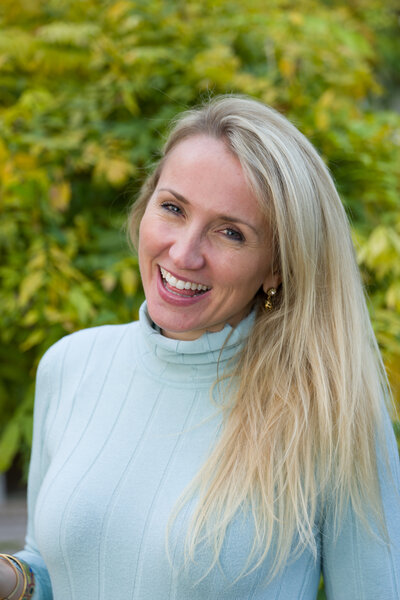

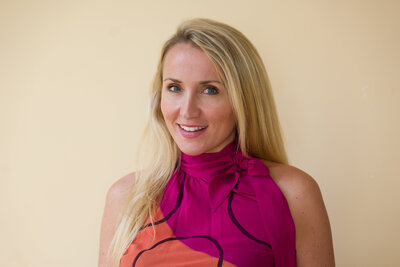
“Joy is such an individual thing. It is unique to everybody”
- Tina Woods
In this inspiring conversation, Tina Woods, social entrepreneur, author, longevity advocate and founder of Collider Health, joins Claudia to explore the intersection of joy, human connection, preventive healthcare and healthy aging.
After rediscovering her love of dancing and becoming DJ Tina Technotic at 60, Tina launched the Joy Score experiment, an ambitious research initiative exploring how experiences that bring us happiness, purpose and belonging may influence our biology.
From the human exposome and AI-driven healthcare to longevity raves and biological age measurements, Tina challenges us to rethink what it really means to live a longer, healthier and more fulfilling life.
We Explore:
- Why Healthcare Must Shift From Disease Management to Prevention
- How the Human Exposome Influences Our Health and Longevity
- The Overlooked Impact of Loneliness, Stress and Social Connection
- What Inspired Tina to Become a DJ at 60
- The Joy Score Experiment and the Science of Happiness
- How Music, Dancing and Community May Influence Biological Aging
- Measuring Joy Through Biomarkers, Brain Activity and Epigenetics
- Why Our Homes, Cities and Workplaces Matter for Healthy Aging
- The Limitations of Constant Biohacking and Self-Optimization
- How AI Can Support a More Human-Centered Future
- Practical Ways to Rediscover Joy, Purpose and Belonging
Discover why Tina believes the future of longevity must focus not only on adding years to our lives, but also on making those years worth living.
ABOUT THE EPISODE & OUR GUEST
SPONSORS
Not all supplements are created equally. BioLongevity Labs focuses on evidence-backed formulations, third-party testing, purity, and USA manufacturing to support energy, recovery, gut health, performance, and healthy aging.
Their bestselling formulas include:
- BioRetina - a peptide bioregulator complex designed to support eye health
- ShredMAX - SLU-PP-332 capsules designed to support mitochondrial biogenesis, fatty acid oxidation, and exercise capacity,
- BioGutPro - for gut-lining and digestive resilience, and
- BioRestore - for tissue recovery and a healthy inflammatory response.
Their approach is simple: fewer vague promises, more transparency, and formulations grounded in longevity science.
Get 20% off with code CLAUDIA20 at BioLongevitySupplements.com
Unlock peak energy, mental clarity, and long-term health.
If you’re an entrepreneur, leader, or high achiever who refuses to settle for burnout, fatigue, or suboptimal health - this is for you.
I help top performers optimize their energy, longevity, and success using science-backed strategies, biohacking, and personalized health protocols.
Book a Complimentary Peak Performance & Longevity Coaching Call
This free exploratory session will help you:
• Identify what’s holding you back from your highest potential
• Gain clarity on your energy, focus, and longevity goals
• Discover a proven framework for sustainable high performance
Spots are limited - apply now to reserve your session.
🔗 APPLY HERE
Peak Performance & Longevity Coaching Call
Show Notes
00:00 Introduction
03:42 Tina’s journey into longevity and system change
06:00 Moving healthcare from sick care to prevention
12:17 How to create change inside resistant systems
14:35 Why healthcare solutions must extend beyond the NHS
17:32 AI, health data, and prevention
23:52 Why longevity is shifting from lifespan to healthspan
24:46 What is the human exposome?
26:04 Loneliness, stress, and the psychosocial exposome
28:19 Why our environments matter for longevity
30:21 The origins of the Joy Score
31:30 Tina’s rediscovery of dancing and joy
34:00 Becoming DJ Tina Technotic at 60
36:02 Launching the Joy Score experiment
39:42 What the Joy Score actually measures
43:13 Measuring biomarkers, brain health, and emotional wellbeing
47:20 Why joy matters for longevity
49:00 The limits of self-optimization
52:29 Burning Man, AI, and protecting what makes us human
55:42 Tina’s final message
PEOPLE Mentioned
Companies, Products & Organizations
MORE GREAT QUOTES
"Life is full of serendipity and randomness.” - Tina Woods
Legal Disclaimer: Please note, to avoid any unnecessary headaches, Longevity & Lifestyle LLC owns the copyright in and to all content in and transcripts of The Longevity & Lifestyle Podcast, with all rights reserved, as well as the right of publicity. You are welcome to share parts of the transcript (up to 500 words) in other media (such as press articles, blogs, social media accounts, etc.) for non-commercial use which must also include attribution to “The Longevity & Lifestyle Podcast” with a link back to the longevity-and-lifestyle.com/podcast URL. It is prohibited to use any portion of the podcast content, names or images for any commercial purposes in digital or non-digital outlets to promote you or another’s products or services.
PODCAST EPISODE TRANSCRIPT
Claudia von Boeselager: Welcome to another episode of the Longevity and Lifestyle Podcast. I'm your host, Claudia von Boeselager. I'm here to uncover the groundbreaking strategies, tools, and practices from the world's pioneering experts to help you live your best and reach your fullest potential. Don't forget to subscribe to the podcast to always catch the latest episodes.
Legal Disclaimer: Please note, to avoid any unnecessary headaches, Longevity & Lifestyle LLC owns the copyright in and to all content in and transcripts of The Longevity & Lifestyle Podcast, with all rights reserved, as well as the right of publicity. You are welcome to share parts of the transcript (up to 500 words) in other media (such as press articles, blogs, social media accounts, etc.) for non-commercial use which must also include attribution to “The Longevity & Lifestyle Podcast” with a link back to the longevity-and-lifestyle.com/podcast URL. It is prohibited to use any portion of the podcast content, names or images for any commercial purposes in digital or non-digital outlets to promote you or another’s products or services.
PODCAST EPISODE TRANSCRIPT
Claudia von Boeselager (00:00)
My guest today is Tina Woods. Tina is a social entrepreneur, systems architect, author, and one of the leading voices working at the intersection of healthy longevity, AI, prevention, public health, business, and society. She's the founder and CEO of Health and Business for Health, and her work focuses on shifting society from reactive sick care toward a more preventative, human-centered model of health.
Tina's also worked extensively on healthy longevity, the human exposome, health inequalities, cities of longevity, and how technology and policy can help people live longer, healthier, and more connected lives. But what makes Tina's perspective especially powerful is that she sees longevity not only through biomarkers, biology, and systems, but also through joy, purpose, relationships, belonging.
Creativity and the psychosocial environments that shape how we age. At 60, Tina became DJ Tina Technotic, a joyful reinvention that beautifully reflects her belief that music, dancing, connection, and play are not just pleasures, but powerful ingredients for lifelong health. Today we explore the impact of human connection and joy in our biology, genetics, and longevity.
And why the psychosocial exposome may be one of the most overlooked drivers of how well we age. Please enjoy.
welcome Tina to the Longevity and Life Sub Podcast. I'm so excited to have you with us today.
Tina (03:40)
Thank you. I'm really pleased to be here. Yes.
Claudia von Boeselager (03:42)
So there's so many topics that I'm excited to cover. number one, I think it's just the coolest thing ever that you became a DJ at 60, which is like you're my hero. But I love, love, love the fact that you are working on a concept called Joy Score, which we're going to touch on too. But before we dive into all these delicious details, can you share a little bit about your incredible journey and what brought you to this phenomenal intersection in the world of longevity?
Tina (04:06)
Sure. Well, I am 62, so there is quite a long story behind this just in terms of how
Claudia von Boeselager (04:11)
Perfect.
Tina (04:11)
I've ended up here. but yes, I mean, you know, studied genetics, was pre-med, ended up in the world of always fascinated by, you know, the mechanisms of life and all that. So that always fascinated me as a child. thought I was gonna be a doctor, then decided that probably wasn't my path for all sorts of reasons.
and my personality has always been a bit too sort of maverick, and I don't like things being too sort of laid down for me. I like I
like chaos and uncertainty and lack of structure and all those sorts of things. but so yeah, it was in the world of Pharmabiothech for many, many years. and then about 10 years ago, I started what I'm doing now when I kicked off and initiated my own sort of gig called Collider Health.
And and since that time I've essentially been involved in a lot of sort of pop-up ventures, mission-led ventures. because really what drove me to set up Collider Health, I was really ready at a time in my life, and I just turned 52, actually, going through the menopause at the time, that I want to do something a bit more different and was really interested in how could I achieve more sort of I guess social impact with all the technologies that were unfolding very, very quickly. And this is obviously just during the sort of the rise of
know really seeing the the impact of technology and AI and all these sort of things happening. and just thought it was time for me to do something a bit different. I was prepared I could take a few more risks in my life. My kids were going off to university and my whole world of being a workaholic, mother, you know, children, I just felt that this is a time that I could kind of let loose and just sort of rediscover sort of what my personal and professional life was going to where it was going to go in the next sort of, I guess, second half of my life is how I was seeing it. So
and I had a kind of a blank sheet of paper, so I didn't really know. Looking back now, I can see really what I was doing, but I had a blank sheet of paper at that time of 52 and kind of felt a bit, I guess, unnerved in a sense, you know, because I was entering this very, very tech tech world dominated by men. I was fifty-two going through the menopause, my children were leaving home. It was obviously a bit of a crazy emotional kind of time as well, kind of starting from scratch. Nothing behind me, no name, no brand name, nothing.
trying to do something a bit different. but looking back now, really what I have been doing is system change, taking a very broken model of healthcare. How do we kind of re-engineer it towards one that's much more rooted in health and wellness, keeping people healthy and well and outside of the system? and this is at a time when I was basically working in a system that is completely focused on chronic disease management. And there's a lot of money in chronic disease. So I was working in an industry where that's where their money was coming from. And I kind of, I guess, felt a little bit uneasy that I was part of this.
system that actually wasn't really geared up and incentivized really to kind of go where I felt health needed to go, which is about keeping healthy and well. So one thing led to another. after spending my time working in the commercial world principally, I started actually getting involved in some very, very interesting public sector and also sort of research driven initiatives which were quite big. I was very lucky to do one of the first actually sort of analyses of how the impact of AI and
And digital technologies on the NHS, and that was fascinating. I kind of got immersed in the world of AI and of course looking at all the innovations coming from outside the healthcare system, like in fintech and other sectors, and really they were just starting to look at how they're going to impact sort of the healthcare system. So I kind of got completely catapulted in that world of AI and tech and all these other industry verticals. And then at the time I did a big report that actually had quite a lot of impact and got myself very involved in the Department of Health and
other sort of government departments and actually was working very very closely with the development of NHSX, which was our Matt Hancock, our former health secretary, his sort of brainchild and kind of mobilized tech and formed the NHS X AI lab, which I was very involved with. and then in parallel with that, got very involved with UK research and innovation on the Healthy Ageing Industrial Strategy Challenge Fund, which is a big grand challenge program that the government was investing into.
And so I got involved in terms of developing the ecosystem of what they call the unusual suspects. So all the energy verticals were which we're not even thinking about sort of, you know, the plus fifties. They're all focused on the millennial crowd. But of course, what we were saying is like, well, you know what? The plus fifties, they have all the household wealth. And actually, we need to try and stop them from quote and quote red blocking the NHS with sort of hip fractures and things like that. So it was all kind of like
in this sort of very strange way of describing it. But I got very involved
Claudia von Boeselager (08:03)
Mm-hmm.
Tina (08:03)
with that. and of course I started really looking at well, how can we actually see this as a positive thing that we're all living longer and if we keep healthier, we can kind of, you know, consume more, be more active and volunteer more and work more and all these sorts of things. So the whole kind of socioeconomic imperative was something that was actually just starting to actually drive some of the thinking at government level. And of course it got me involved in all these industry sp verticals outside biotech.
like looking at well, how are you going to be part of creating this marketplace of products to keep us healthy and well? So one thing led to another. And then I realized actually if I'm all about system change, and I was kind of thinking, you know what, this is sort of what I'm doing. and and then I realized that really what we didn't have was a system change strategy. And where the one area that I was really lacking in terms of expertise was government and policy making, regulation, all that sort of stuff, which is obviously a very powerful part of the puzzle. And
So doing what I do now, I seem to dive into unknown territory. I'd never set foot in the House of Lords, the House of Commons. But before I knew it, I was setting up and helping Damien Green, our former deputy prime minister, had set government manifesto commitment of increasing healthy life expectancy and decreasing health and wellbeing inequalities. I began very involved in the all party parliamentary group for or the cross party parliamentary group for longevity. So did that in a quite serious way for four years.
And that was a real eye-opener and really interesting, and out of which has sprung board, has sprung a number of initiatives that I'm still very involved in the present day. And again, you know, I've run a gig called Business for Health, which is looking at the world of business, you know, and all of its key roles in terms of influencing health of the nation. and I'm still doing actually interesting work, you know, on the neighborhood health initiatives with government and did some very, very pioneering work working with the business community, the CBI and the development of a work health index.
looking at health and economic growth metrics and how they're linked with the Office of National Statistics and so did some really interesting work there. and then of course now very involved in a few very large-scale scientific endeavors coming out of some work I initially did with the National Innovation Center for Aging on the City of Longevity initiative where I was the healthy longevity champion for them, kind of spreading the word on this whole kind of new creating this new marketplace of products and services keep as healthy and well and how we build new environments and cities of the future
and all these sorts of things and led me to start looking at this whole concept of the exposome because it was a perfect framework I felt to describe all the sort of impacts across our lives, all the exposures across our lives, which are really impacting our health, and was a very, very good way of describing some of the work that we're doing with the City of Longevity Initiative. And I've come out of studying genetics, you know, pre-med,
just before the Human Genome Project kicked off. And of course, many, many years later, we've seen that the Human Genome Project, while it decoded the human DNA, it also revealed that actually genetics is a relatively small proportion of our health. It's actually the impact on our genetics from all the exposures and stresses in our life, which is the human exposome. So I started doing a lot of thinking and writing and talking about that. And fast forward to the present day, I'm very involved in the Human Exposome Project, which is now kind of
on the heels of how the Human Genome Project unveiled with you know significant government funding about to be announced, and I'm helping the test bed developments around the world to get these test bed products off the ground. And I'm very, very focused on the psychosocial domain of the exposome. And I'll take a breath there because that will lead to all sorts of other things which are taking up a more and more of my time now.
Claudia von Boeselager (11:11)
I
think just somebody listening to you, not only are they gonna be blown away, myself included, because it's absolutely phenomenal, but just the energy and a day. I think some people hit 60 and they're like, I'm gonna retire. Some friends were just telling me that they have a company in China and they were like, Chinese actual for women to retire is age 50. And you're the complete opposite. You're like, I'm 52, I'm getting
Tina (11:27)
I did I became alive.
Claudia von Boeselager (11:29)
going now. Like this is it. And I absolutely love that. And I completely agree that if we're gonna be living very long, we wanna be planning for that time.
in our lives. So you've taken it to a whole nother level with all these different initiatives and projects. And I really, you know, hats off to you because my understanding, what I see and hear, like the public sector is not easy, right? You'll have a few people who will get it, but you're up against such a wall a lot of the time, a lot of convincing, and especially because you don't come from that public policy background. So which is probably good, right? So you just try different things that maybe that the average politician might not try to do, but you make it happen, etc. So what were
some moments maybe just in that journey, because you are doing some really, really phenomenal work and really shifting mindset. But what were the key triggers you think that allowed doors to open for you and for some of the work that you were looking to do? I'm just curious in those different projects with government.
Tina (12:17)
Yeah, I mean that's a very good story because some people considering all the pushback and doors I had to open all the time and falling on deaf ears and all that sort of stuff, I mean you have to be pretty resilient and pretty persistent and have such a strong belief in what you think is the right thing. so I mean in the end, I think what I have managed to do over the years is
is to find some people in high places who kind of get what you're thinking, it's about finding those people and then bringing them sort of behind you and with you on this kind of shared mission approach, I guess is a way of calling it. Because it really is about a mission that you're on. And I think there's a lot of people who
Absolutely can understand actually what you're trying to do. It's just the how to do it because it is so difficult. And you're absolutely right. I mean, the most difficult thing is you're moving against this incredible inertia, mindsets, you know, power, money. These are big, big forces that put a gridlock, you know, on everything because there's too much to lose, you know, giving up power, money, you know, your own personal, you know, prestige, you know, all these sorts of things are are major reasons why things don't shift.
So I guess it's just this combination of, I mean, just being incredibly determined and just having a very clear vision and belief in what you're doing is right. and then kind of aligning yourselves and actually trying to find the win-win of people coming together. and there's always a win-win if you look for it. And I think a lot of people don't argue with the big questions that that are being asked of society.
so if you can spot the win-win in terms of aligning around those big questions that people find difficult to argue against, then that you can start with that, you know. And yeah, I mean, it's a lonely journey. I mean, I have to say, you know, I've had to knock on a lot of doors. but you find your allies, and I think once you find your allies, and especially those who are in high places, then that really, really helps you.
and you kind of swim with the tide and with the energy. and you know, I do have a lot of energy and of course, you know, that comes to my passion, my conviction, you know, and that can be kind of infectious, I guess, you know?
Claudia von Boeselager (14:10)
People pick up on that too. and I can imagine with some of these incredible initiatives, I mean, to even explain the vision, that in itself must have been a challenge because so many people are ingrained and we forget about that because you know, we're drinking all from the same Kool-Aid and the people we spend our time with and everyone gets it and everyone knows it. You kind of step outside of that and people are like, What are you talking about? Coca-Cola's not healthy? Like, what is this? You're like, my goodness. What were those conversations? to convince them.
Tina (14:35)
I find the big challenge is that everyone, you know, is operating in their own domain, you know, their own kind of silo, their own kind of area. And of course, you know, they will ask questions that are relevant to them either proving themselves or what they're trying to do in their domain. The problem is we're we're not crossing domains. We're not actually
rising above those domains, which have very, very clear reasons why they do what they do in terms of performance, key indicators and all that kind of stuff, money, but it's getting beyond that. And I guess that's what I've really tried to do is going beyond all those domains, crashing them together and actually getting everyone to ask, you know, the right questions about what's really going wrong and what are potentially some areas where we can get it right and the solutions, you know, case in point, we know that the NHS
is struggling, it's got unsustainable demand, of course the aging demographic doesn't help, but you have to see that the solutions are not just going to come from within the NHS. It has to come from outside and beyond. Actually most of the answers are beyond the NHS. And so that's where you have to actually really start to look at the at things. And that's obviously a lot of the stuff that I was doing with this cross party parliamentary group.
but you know, getting everyone to play ball and all and also seeing it from a very long-term perspective, that's the really hard part because of course governments, you know, they run on very short-term circles. And just look at all the change that we've had in UK politics over the last 10 years. I mean, so many prime ministers, so many changes, so many world shocks, you know, and of course, you know, investor, you know, cycles, you know, they tend to, especially in the sort of private equity VC sort of world, they've run on very, very short-term time cycles.
And actually, when you're looking at as something as as significant as really driving long-term change to drive a prevention-based economy, you know, you're talking a long time. And so you have to work in that those sort of timescales and look at the incentive structures that are actually part of the problem because they're just not lined up for a for a long-term view. So so that's that's the really hard part, you know, and that's where you can then
know, start looking at the longer time sort of business cycles and longer term sort of investment cycles and you know, asset management and insurance and pensions and you know, these are all the sort of groups that you need to have as part of the discussion. and line everything up. So that's that's a really hard work, you know, 'cause everything is stuck it's all the incentive structures that keep things as they are. So you have to break free from that.
Claudia von Boeselager (16:38)
As they say, the often thing is people ask themselves, well, what's in it for me, right? And you know, am I going to do this or not? Is this good for me or not? And so, yeah, I think it's aligning with the long-term vision. And I think that's, you know, if you look at China, which typically has its 50-year plan, that's very
contrary to Western particular UK, US. I mean, especially US if it's on a quarterly basis, quarterly earnings, quarterly reporting.
So such a different philosophy. and so to the detriment, I would say, because if you're just thinking short term and you don't have that vision and it's systemic, right? So as you are a systems changer, I think you were definitely, I'm sure, up with a lot of challenges along the way. And I'm curious before
we get to the psychosocial component, which I'm very excited to dive into, can you talk about what the what you were seeing in terms of AI and health and AI and longevity?
along the journey and what you're seeing now. Can you shed some light on that?
Tina (17:32)
Yeah.
so it was interesting because when I did that big sort of analysis of how AI might impact the NHS, that was like eight, nine years ago now. so it was quite early days. And so AI was just, you know, just coming, you know, people just starting to talk about it and all that. Yeah, yeah, absolutely.
Claudia von Boeselager (17:43)
Machine learning, right? It was much yeah, earlier. Yeah.
Tina (17:47)
And so it was sort of like, obviously, you know, the NHS, they're looking at how it's going to, you know, improve workflows and you know, diagnosis and treatment and all that sort of stuff, which is you know very important. And we've seen the huge impact that we've seen in sort of imaging, you know, radiology, all that sort of stuff, x-rays, all that kind of stuff. I mean, massive, massive impact. and of course, back office stuff and triage and all kinds of things, right? So it's obvious it's it's already had a big impact. but what I was always
much more interested in actually how AI and all these technologies can actually keep us healthy and well and the role of data in that. because actually when you look at what I call the sick care bit, you know, it's like the NHS record, you know when we're sick and when we're needing to access the NHS and doctors and so forth, it only paints a certain picture of actually what your journey has been, you know, in terms of how did you get there? And
Claudia von Boeselager (18:30)
Yeah.
Tina (18:30)
what kind of, you know, what kind of put you at risk and what kind of lifestyle were you doing and all that.
And that's the whole ecosystem outside of the NHS healthcare system that you need to understand and grapple with. so I was always kind of fascinated by that. And of course, to a certain extent, the work that I was doing with UK research and innovation, they were starting to look at that sort of starting to look at, well, how can we, you know, I mean, initially it was very much focused, well, how we like reduce the bed blockers? You know, it was still being out in such terrible terms, you know, the people with hip fractures
Claudia von Boeselager (18:55)
Them.
Tina (18:55)
line and trolleys and what have you. And it was sort of like, well, you know, how can we improve, you know.
reduce you know hip fractures and how can we make it easier for people to get discharged from hospital into care homes. And so a lot of the initial focus was on that sort of very late stage. And and I was just thinking, you know this is a life course approach. We have to sort of see this as a life course thing. And so I was always quite fascinated by that and the data in those sort of ecosystems. when I was very involved in the cross party parliamentary group, one of the big projects that we did was actually looking at the sort of
things that we're seeing in like finance with open banking, for example, opening up access to data sets and sort of you know taking away the powers of the big banks and giving it to the you know the fintechs and newcomers, you know, who are offering different solutions and much more agile solutions. And I was really interested in their kind of the learnings from that and how we could almost like open up the whole way that we see the health kind of data landscape and give more power to people in their own hands with their mobile phones and all that kind of stuff that was making you know being possible with open banking.
and because of mobile phones sort of taking over and being very used in our lives. so that got me thinking and actually did some very interesting work called the open life study. So I didn't want to call it open health because you know health still was always considered like, well, that's the NHS. So it was about life. It was about actually, you know, the data in your life. And we actually took and did some really interesting work, which was published in the Lancet, and we actually did some, you know, had a whole report and and I was working with my colleagues with in the open banking sector and fintech and all the rest of it.
So I was always very involved in kind of like, you know, looking at these new ways of thinking of health data and what it actually meant and how do we collect it and all that kind of stuff. And fast forward to the funny to the present day, it's becoming a really, really big thing because of course we have the data use and reuse bill, and they're looking at personal data wallets and how do you kind of catalyze the smart data economy, open up access to data sets, both in the commercial space, but obviously the sort of public space and in government you know databases, et cetera.
And it's all taking learnings that you know I was looking at in the early days. I mean even took a group of NHS sort of senior leaders to Estonia to look at how Estonia were doing, you know, how they they developed their whole e-citizen initiative. And of course they have a huge, you know, open way of accessing your data, privacy preserving and all the kind of things that people were worried about, although still sits fairly centralized, it's still quite a different system that we were taking with these personal data wallets now in the UK context.
but you know, with my human exposome hat, you know, one of the first test beds that we might very well be working on is working with the island of Jersey, the the UK Channel Island, which you know, they've got a new government in, they're very, very interested in becoming an exposome test bed because they've got a data trust they've already set up with their citizens, they've got this really interesting background in the finance world, doing things in a very agile way. They're they're freed from the constraints, shall I say, in the UK system.
And they're really interested in becoming the island of longevity and then seeing exposome as a way to develop their whole research base of the island. They've got a very socio-economically diverse population, 100,000, it's perfect for a test bed site. So that's all really interesting and kind of taking all the kind of the thinking that I was super involved in, very interested in, you know, access to data outside the NHS record. How do you actually open it up and how do you get citizen engagement and citizen control and all that kind of stuff?
and it's kind of a different model taking on sort of how things are done in the US, for example. But there's a lot of really interesting thinking in the US, even with the mind of the the tech giants, where, you know, science is going down the open science route and you're seeing like so there's gonna be some very interesting kind of things opening up, I think, in the whole way that we see data and health data and new business models and all the rest of it. So I'm keeping my eye very firmly on that and getting very involved in that obviously with some of the work that I'm doing.
but funnily enough, just one anecdote that kind of I guess when I became an instant AI expert for the work that I was doing for the NHS, for example, I was approached by a tech publisher, and this is like eight years ago now, just to write a book on AI and and longevity, living longer. and but they wanted to do it on the healthcare system. And I'm like, uh-uh.
If you're gonna get me to write a book, I'm gonna have to write a book on AI and keeping us healthy and well and outside the system. I'll write about what's going on in the NHS and all that kind of stuff in healthcare systems. But actually the real big opportunity and what's really exciting about these technologies is exactly that. So I wrote a book. I mean they wanted to call it Live Long with AI. I wanted to be called Live Healthier Longer AI, but I have it subtitled Health Span and Live Longer Better and all that kind of stuff.
But anyway, so it was kind of was a book that came out a little bit ahead of its time because I think the general public were quite ready for it. It went out on Amazon. It didn't do terribly well. But I got the chance to speak to a lot of very, very interesting people in longevity. And it kind of opened up my eyes a lot to AI thought what were some of the limitations of how the longevity community was seeing it, because it was very much around radical life extension, you know, the magic pill, you know, curing aging and
you know, radical life extension, all that sort of stuff. You know, which, you know, I listen to all those people. they're friends and it's really important. But of course, especially since COVID happened, a lot of the focus now of course is on health span, living healthier for longer. And of course the side effect will be increased lifespan. So the idea of living forever is kind of I think much more dominated now by the discussions. Well, let's just just live really, really well for as long as possible to the maximum kind of human health span of 120 until
Claudia von Boeselager (23:51)
Yeah.
Tina (23:52)
we can really get to that next leap.
pushing it beyond the 120 or 124, you know, the longest lived Jean Calvet, I think her name is. but you know, so I think so even the longevity debate has moved on. But in the early days, it was still very much, well, we're gonna live forever, you know, achieve immortality, longevity escape philosophy, all that sort of stuff. but even in that book, I was talking about Exposome because, you know, it is about lifestyle, because all these longevity experts I was speaking to for that book,
When I asked them, well, what are you doing to kind of, you know, keep you in good nick for as long as possible?
Claudia von Boeselager (24:21)
Yeah.
Tina (24:22)
And it was all simple stuff, you know. They're all exercising,
Claudia von Boeselager (24:24)
Yeah.
Tina (24:25)
eating healthily. I mean not all of them, but pretty much the trend was, you know, sleep, you know, de stress, you know, access to clean air, all that kind of it's basically all the blue zone stuff, you know. so that was kind of interesting, and got me thinking a lot and of course has informed my thinking, you know, ever since.
Claudia von Boeselager (24:41)
beautiful. exposome, just in case somebody's not familiar with that terminology, could you define that?
Tina (24:46)
So it's actually a discipline that has been around since two thousand five or so. Christopher Wilde was the first one to start writing about and came out of the environmental health kind of scientific sort of discipline. But it basically it encompasses the totality of exposures across her lifetime, and that's pre-birth, because even your parents' lifestyle has a genetic has an epigenetic sort of legacy on their offspring. So it's everything in terms of what impacts.
your inside basically your biology, your internal biology, you know, at all levels, genetic, cellular, et cetera, et cetera. and these exposures are everything from the obvious ones like air pollution, toxins in the environment, occupational hazards. And of course we're having more and more of these threats, you know, with nanoplastics and microplastics and arsenic and lead and all these, you know, all kinds of these toxins, which are really starting to become major, major issues actually for some, especially like for example, neurodegenerative disorders apparently
are
Claudia von Boeselager (25:35)
Mm-hmm.
Tina (25:36)
Arsenic is a real culprit there. and of course the food that you eat, we obviously this life of modern convenience is basically really not doing us well from a health perspective. Ultrahigh processed food, it's really bad for us. The obesity epidemic is really hitting us. then of course that leads to a whole bunch of other complications, you know, joint disease, joint problems and mental health issues, all that kind of stuff. and then of course, you know, your activity levels, you know, we don't
move around enough, if we all walk twenty minutes a day, that would have a massive impact on global health. not much,
Claudia von Boeselager (26:04)
Which isn't that much,
Tina (26:06)
but it would have such a dramatic impact. But even that we don't do. And what is also true and ever more so, and we're seeing that through the data and the evidence at population health level certainly is the impact of psychosocial stress. Our, you know, and especially in the sort of, you know, the sort of the 16 to 30 year olds, you know, mental health, you know, anxiety, depression.
These are having major, major impacts on health at the moment. they're gonna live less long than their parents because of that, it looks like. I mean, just because of mental health, it's as serious as smoking so 15 cigarettes a day, you know, loneliness, social disconnection. so it is a really, really serious issue. and that has been pretty, much largely ignored by the longevity circles. for all sorts of reasons. I mean, you know, the big money and pills, you know, to kind of like
Pop a pill, especially because we all want our convenient way of of doing things in our life. so there's been a lot of focus on that. but even so, we have seen remarkably little come out of all that longevity research so far. We're starting to see some some fruits, but but yeah, and so, you know, and of course I see longevity from all the businesses and the verticals, and they're starting to get it now. And I talk about in the context of exposure, like, you know, hospitality, leisure, you know, built environment,
You know, they're all in the business of good food, community, connections, sleep, you know, I mean mattresses, you know, hotels, I mean, they're all in that world. So they're catching on that they actually have probably an even more important role to play than biotech in terms of impact right now at scale for populations in terms of health, wellness and longevity. And of course, we're seeing this huge, huge increase in consumer health and well being spend because people are realizing that health is their most precious asset and they are prepared to pay for it. So
I think a lot of the energy is gonna come from that, and feeling alive, feeling vital, feeling energetic, feeling healthy to allow you to do all the things that you love in your life. And so if we can measure it and bottle that up and use that in the way that you evaluate business cases, investment cases, business decisions and government decision making, then you are on a winner because it's been difficult to measure, you know, that feeling of emotions and impact on your whole psychological state, your emotional state, on your biology.
So that's this new domain that I'm really interested in and what I think is really the next frontier that the longevity community has to get get behind because I think that's where a lot of our money also is going to be in. and have far more benefit, you know, for a lot more people. so
Claudia von Boeselager (28:19)
I absolutely love it. I'm so excited about it. So part of my other company, Lumara Collective, this is what we do is the wellness real estate. And any human living in a space, being indoors, be it where you work or your home, it needs to be regenerative. And at the moment they're super toxic. I mean, many, many places have the mold or they have you know toxins in the water. They're showering, they're inhaling it, etc., they're drinking it. And I think that it is actually one of the biggest opportunities in the whole massive multi-trillion dollar.
Wellness space. It's actually the fastest growing at almost 24%. But I also agree, and I think it's so important, and as we know from Harvard's longest-running study that started in 1938, that actually social community and connection is so fundamental. And that's why the trend of physical meetups and like why Hyrux is going through the roof and many of these other in-person community-building events is just so fundamental.
Because as you said like loneliness is thought to be the equivalent of smoking 15 cigarettes a day, which is just so wild, but I think it really brings it home to people. So I love that you've honed in on this such an important part that has been totally ignored for the most part of trying to figure out how to calculate that psychosocial exposome impact. Can you walk us through that and your joy score, which I still love when I heard you present it the first time?
what is it? What can we do? What should we be focusing on? Tell us Tina.
Tina (30:21)
Yeah,
so so the joyscore, so the idea for that, it came out of a few, I guess, light bulb moments. I mean, it's always like you suddenly come up with something and it kind of springboard from a number of conversations that I was having at in the time sort of over the last year or so. you know, at a conference almost a year ago actually at an investor conference, you know, there's a group
called exceptional ventures actually speaking about joy span the new and emerging investable opportunity and of course joy span that has been a term that has been used for a for a while but actually to consider it as an investable opportunity I thought was interesting because that's how I was thinking about it you know because you know if you can create experiences and products and services that give you more pleasure and give you more sense of belonging and and kind of connect up all these things that we know are so important in health and if you can bottle up and if you can measure it and then you can like
you know, bring that into how you actually sort of monetize and commercialize and invest in these sort of new ways of of doing things. I thought there's something very, very powerful in that. And and of course I was speaking to so many groups because of my exposome work who are all like innovating and like, you know, new air filtration technologies to bring into offices and homes, reduce mould and, you know, all that sort of stuff. and better food and healthier eating and
so it kind of got me thinking. It was kind of just a light bulb moment and I just thought, you know, and then of course at the same time I had my own personal story that where I discovered dancing and music. I mean I've always loved dancing and music, So
at the age of fifty six, it was just coming out of COVID lockdown, the first major lockdown when people were going back out again and I went dancing with a couple of girlfriends and I just remember this feeling.
And I was, you and I was fifty-six, just coming out of the menopause. And, you for a lot of women, you they enter in the space of kind of feeling a bit disconnected, you know, then just kind of going dancing with my couple of girlfriends. And I just I just had this sort of moment of just complete sort of clarity and this epiphany moment that I suddenly felt
like alive again, like my mind, body and soul. I just felt like something was you know, in me that just became alive and electric. And I just thought, wow, this is such a powerful feeling and I want more of it you know? and it was that there was the music, the dancing and just feeling so happy and joyful. And it was this whole constellation of things. So I just ended up going dancing a lot more after that and getting very involved in sort of the world of what I guess can be seen as unhealthy places, clubs and dancing and you know, all that kind of stuff.
Claudia von Boeselager (32:36)
They don't smoke
there anymore at least, so that's at least a good thing.
Tina (32:38)
But now we're
creating these places for health now with obviously longevity, which I'll come on to. But it got me thinking. And then of course I was also because I'm so involved in the longevity world and I'm such a guinea pig. I try out, you know, I know all the entrepreneurs and startups and they all yeah, can you try this, try that, you know. So I'm always up for trying stuff. And of course I have loads of data points and stuff that I've been doing over the years. And it just so happened then as I got more involved in the dancing stuff, I had more and more of sort of data points being because it was also when I thought, you know what?
I will try those apps. I will try the rulering. I will, you know, put my smartwatch because the data was getting better. And I thought, you for the first time, I thought actually there might be something in here so I was doing all that and then just before my sixtieth birthday, I realized that I actually had to undergo some pretty serious surgery on my feet because it was it was accumulating for a long time. my feet were getting really painful.
I basically need to get my feet reconstructed for all sorts of reasons that I won't go into is worse much worse than Bunyans. But anyway, I found the right doctor to do it, the right consultant surgeon to do all the Olympic athletes, you know, athletes and tennis stars. And I thought if he can do them, he's not gonna screw up my feet because I was worried about that initially.
Claudia von Boeselager (33:37)
Of course.
Tina (33:39)
you know, my mobility is so important, you know, the dancing, the mountain climbing and just being so physically active as a person.
And so, but then I was more worried about the recuperation. And I was like, I go dancing all the time and I do mountains with my husband. Now my husband's coming dancing with me. I'm like, how can I stop this? You know? and recover spend this whole time like off my feet. And so that was when I started to learn how to mix music as a distraction therapy and just to kind
Claudia von Boeselager (34:01)
Mm.
Tina (34:02)
of get me close to the music.
And then at the time, one of my dancing partners, Yukari, who's less than half my age, Japanese, we we met on the dance board. She was actually learning how to mix music herself. And she has her own sort of story about this. And we thought, well, you know, let's learn how to mix music together. Maybe we'll DJ and have some fun, you know, in the next sort of stage of what we do. so had the surgery
By April I just turned 60, my birthday's in March, and then we decided to run a longevity rave and I became DJ Tina Technotic, you know, right after I turned 60. And then of course we ran longevity rave as an idea. And then but we had so much interest, we had over 200 people, you know, come and it kind of took off from there. And then because my biological age reduction that I was able to prove.
At the time, and there's a bunch of stories being written about me about that, which I said, listen, is because I really enjoy my life and I'm getting so much joy from dancing, I am convinced that that is why my biological age has been reducing over the past four years. I'm not doing anything fancy. Yeah, I mean I'm doing a few things, but I didn't put it down only to dancing. I mean HRT and of course, you know, healthy eating and and sort of exercise, you know, all these sorts of things are obviously part of intermittent fasting.
But I said, you know, it's kind of simple stuff, you know, I'm not doing all this crazy stuff and spending millions, you know, I'm spending basically nothing.
and so that really resonated and got the interest of a lot of the media and business insider, then went viral around the world and that I had just become a DJ Tina technological. So it kind of just started happening from there that somehow there's kind of like there's something in the zeitgeist, something brewing about this whole thing, you know.
so fast forward to the
Present day, and that obviously has been part of my thinking that I'm bringing into the Joy Score experiment, just my own sort of personal story in this. And now running longevity rav with Yukari and you know, and of course being asked to do these after parties and whenever I speak at longevity conferences and all that kind of stuff. It's a good platform, and I realize actually it's a really good way for a whole tier of society that is not who may even be turned off by the word longevity. And of course, we know
There are so many people who just think longevity and for right reasons is is a bit of a scam because there is a lot of scamming going on at the moment. So I'm
Claudia von Boeselager (36:02)
Yes.
Tina (36:02)
like, well, let's bring in the science and the and the rigor and like show it from an evidence-based point what all this wonderful research is going to bring us into mainstream preventative health. so that's sort of what we're trying to bring into the joy score experiment. So that brainchild kind of came through all these different sort of sources of inspiration and experience and discussions.
And
so I decided I would just launch it last year. I was gonna be in San Francisco. By that point, I was very friendly with Lawrence Ion at Frontier Tower, who I first met when I was invited to speak at Vitalia two years ago in Honduras in Roatan, you know, and
Claudia von Boeselager (36:36)
Right ten.
Tina (36:36)
so because I go to these longevity pop-up places like, you know, Montenegro, Zuzalu, and just you know, because there's a lot of really interesting thinking. and I will say to everyone, like,
Let's bring some of into the mainstream. Like don't like keep it in the fringe. Like let's kind of take the good bits and bring it into the mainstream. That's always what I've tried to do. And so I was speaking to Lawrence and like 'cause and I'd already been speaking to Lawrence because I'd been approached by CNN to cover do the stories. They done the six part series. in the end, unfortunately they couldn't film. We were trying to find a place to film Long Jerry Raven. Actually I asked Lawrence whether we could film it at the Frontier Tower in San Francisco. Anyway, it didn't work for all sorts of reasons because of timing and scheduling.
But I planted the seed. I said, Lawrence, you know, would you help me run this joy score experiment? I'm gonna be in San Francisco. We can do it, we can bring longevity rave there, because he already had been running rays at Frontier Tower. So it kind of started as an idea, and then before I knew it, we literally crowdsourced a whole bunch of partnerships, and everyone is really keen to look at this as a new domain in longevity. Which we now have and I was put in touch with AWER, which is this new mobile brain EEG tracking device that you can wear behind your ears, that you can wear, you know, while you're mobile dancing and
And all just sort of came together really, really quickly, this huge kind of collision of of interest. and so I thought, you know what, let's just launch the MVP of the Joy Score experiment. I'm gonna be out there, it's like literally three weeks. We'll get some of the people at Frontier Tower to sign up as volunteers for it, got all the technology So I was working with reju.ai, who are just about to launch this wellness AI prep platform, and they were gonna help me with it. And okay, I said, okay, let's just do it and
See what we can start with, you know. So it was
Claudia von Boeselager (38:00)
Yeah.
Tina (38:01)
a bit of a punt, and we got some really interesting data points and we got a lot of interest. And what I found fascinating is that even in Frontier Tower, former headquarters of Burning Man, which I'll come on to in a second,
they were really open and apt and eager to look at this, you know. And here is a group, you know, who are basically looking at, you know, all the pills and the, you know, the million dollar, billion dollar, trillion dollar sort of opportunities, you know, in pharma and biotech and longevity tech.
But they were all realizing the potential of this. And there is a creative floor as well who are saying to me, you know what, this is so interesting because the reason why we don't get more investment in the arts and culture is because we can't measure what it does for people and the well being of people. And I said, Well, you know what? This is what we're trying to do. So anyway,
it got a lot of attention. San Francisco Standard did a beautiful piece about it. And of course it was full of chaos and lots of learnings and all the rest of it, because we're doing it in a very scrappy startupy sort of way, which is
How I start most things. but you have to start somewhere. And then of course
we rolled it out in Roatan in February at Infinita City. And they were very open to it. I basically piggybacked on the longevity biomarkers competition that was running at Infinita City over the month of February through my partnership with reju.ai. We're really interested, and they even did a COI score function of their app. And so we did we ran a short-term study over four weeks, and actually we got sufficient
insight from the data that we were able to publish preliminary findings, which we did at the Global Exposome Summit in April, kind of putting a flag saying, listen, this is important, psychosocial exposome, which is how we're calling it, and we've got some really interesting data that is really, you know, showing us some that we have to look at this further and have positive psychosocial experiences and how that may impact your health, et cetera, et cetera. And it's kind of taken off from there. So yeah.
Claudia von Boeselager (39:42)
It's so amazing. And funny enough, we're actually speaking with Frontier Tower because they're thinking about bringing in a lot more longevity concepts into it too. So we've been having conversations. and I love that they are forward-thinking and innovative too. Can you walk us through like what is the data points? What are you measuring exactly? And how do you make that data relevant enough that it's impactful or it's giving you the outcome, what you're confirming? Because obviously there are so many different variables that could impact somebody, right?
Tina (40:08)
I mean, on the one hand, yes, it is completely huge and gigantic and complex as an exercise. Now, I
Claudia von Boeselager (40:12)
Yeah.
Tina (40:15)
know that. And of course, some people think like, how are you actually gonna even start looking at this? But what I would always say is you have to start somewhere, and there's always going to be someone who will do it who might be seem really foolish and you know, crazy and whatever, but someone has to do it. So I guess and so I've got a whole bunch
of people who are quite happy to kind of do it and put a flag in the sand and just start, right?
So
this is what we're doing. And of course, what we're looking at is a whole basket of biomarkers, digital, you know, neurotech, neuroscience, you know, biological, epigenetic. I mean, we're looking at the whole ecosystem of measurements that can signal and measure your biological, epigenetic, physiological, neurological response to the factors in your life that give you joy, right?
Now, obviously, what we've done just as an initial kind of just tried out use case was long derived rave, because we're kind of seeing this as an opportunity to show the science of human connection and of course music and dance, kind of like it obviously resonates with the whole sorts of personal journey that I've been on. But we know that experience is almost like a shortcut to that euphoria, that sense of belonging, the community, the beauty of just humanity coming together in that kind of context.
So we thought we would just start looking at that just as a use case. of course Joy Score is any exposure in your life that gives you joy and pleasure and meaning and belonging and all that sort of stuff. so even for example the Honduras project, I mean we're obviously capturing a number of data points, you know, just for people who are living there, co-working and co-living in this space in Duna Tower, at Infinita City.
so it's a whole bunch of things. And of course, where we're entering Joy Score now, because of course we did a a baseline assessment and then a longevity rave separated by about five days when we did the the MVP launch in San Francisco. Obviously in Honduras
we had four weeks, and even then it's very, very difficult to see how changes in your lifestyle, your behavior or impacts, even if you went to four raves, which was part of the condition of being a joy score study.
Whether that would would show up even with your glycon age or epigenetics. Obviously, you need a longer time horizons for a lot of that sort of stuff. But
your metabolites, your metabolomics, et cetera, et cetera, you know, all sorts of other measurements do actually change, you know, much more quickly. So obviously some of that we captured and actually the whole experiment in Infinite City was not without its challenges, obviously, because we're doing everything bootstrapped. It's like we don't have
Ever enough resources, it's like new, we're developing the methodology, but you know, meanwhile, always seeing this has to stand on its own merits of science, IRB compliance, you know, we want this in nature, like it has to stand on its on its merits as a science endeavor, as an open science study. So we're always, you know, with that in mind. And even that's embedded with how we were doing the consent forms, you know, to consent and what are the eligibility criteria to be, and so all that kind of stuff is baked in how we're approaching this.
But we had enough measurements, even though we're still analyzing some of the data from Infinita City, by the way. we had enough data points just from very simple blood test measurements before and after that were
Claudia von Boeselager (42:56)
Well.
Tina (42:56)
enabled that enabled us in terms of pheno age, enabled us to present preliminary findings. Now, it's a small scale study, and of course, you know, with all the caveats and all the rest of it, but actually through
the statistical analysis that went into it you know we actually were able to present a study which I can share with you it's available et cetera et cetera and it's already been referenced. So
Claudia von Boeselager (43:10)
Yeah, we can link it in the show notes if you send it up there.
Tina (43:13)
yeah so all that is all there. but of course now we're entering this new phase and of course when we met we were basically launching this collaboration with Longevity Global because they're setting up a London chapter. I'm building up and wanting to build up a London community of people
Who are keen to be in the Joy Score experiment because it's close to home. I'm based in London. We also have an enormous basket of clinics and tech people here in London. and then of course the whole rave scene here, and of Longevity Rave is building up its whole London community events. so we just thought that would be a great thing to do, but we need to see it as a longer-term study so that we can actually really look at longer-term effects.
And yes, we'll have a part of the study that will be the raving community, and we'll see whether there's any connection with you know the rave culture and how that impacts your health and well-being. But of course, a lot of people who are going to be signing up and who've already started signing up are going to be, you know, obviously non-ravers, they've got other stuff that gives them joy in their life, as indeed, you know, we've all of us are unique and individual. But of course, what we're trying to do is to collect enough data points using all the different technologies. And of course, it's a growing daily. I mean, we've got, you know, metabolomics companies, we've got
Other neurotechnique we use now. We're looking at, you know, we've just are looking to involve sense.ai, which do brain years, we're working with a whole array of different technology providers and also some of the Lenin clinics, you so-called longevity clinics, they're also very, very keen to get involved. And of course, that adds a whole different dimension to it. because what we want to do and what we're planning to do and we're hoping to launch in September is have the protocol ironed out with all of our partners aligned to where we're collecting.
Sufficient number of data points to give us some meaningful insights across a longer time period, because that's what we need now. Where we will, and of course, through and of course, even the redo.ai app has you know this joyscore element to it, so we're capturing subjective, you know, measurements, but we've got a whole other plan that we're also building in through some of our other technology providers in terms of of looking at at sort of looking at voice and text recognition technology and actually looking at
what people say about how they're feeling, rather than having preemptive sort of forms that people fill in. We want to look at how people, their lived experience and how they communicate that lived experience from work what from what they've been doing on a day-to-day basis. And then of course, and that's when you then can then use the AI and look at what are the the sort of physiological cellular responses, you know, linked to that. so so that's where it becomes in a whole other sort of, you know, domain in terms of complexity of the science and but that's where our other
partners like we're partnering with Open Cures now, who've just been commissioned to do the RPH Prosper Study on resilience and trinsic capacity. And of course we're working with David Furman and he's been someone who I've been working with for years now on Exposome. So these are the partnerships that we're developing to kind of take this to another level, which we want to and know we need to, as and this is my task, at some point we hope we will have sufficient
Rigor and robustness in terms of the additional points that we'll be collecting over the course of a three month study, that we can then go for proper grant funding. And then by then I'm hoping the Human Exposome Project will unveil significant EU funding for Exposome. They've already been funding a lot, but they're talking about moonshot billion euros. And then of course the the US is also very interesting because on NIH and the RFK agenda is actually quite aligned to Exposome.
so we're expecting, you know, so once that happens and Human Exposome project gets significant government funding, which then adds to its mandate over and above the declaration that has been signed to make it happen, we can then start really going places with this as an open science study. And of course, I'm meanwhile having a lot of conversations with commercial and philanthropic investors who are quite keen.
on getting involved when the timing is right. so yeah, I'm kind of in that strange period where it's all, you know, very still start up y and like getting moving and, you know, it's all based on goodwill and partnerships and people really wanting to do something big and bold, while we can get some proper funding to do it properly.
Claudia von Boeselager (46:52)
Amazing. So people listening, if this is something where would you send them? Where should they reach out in case they feel called to support it financially?
Tina (46:58)
Well,
I mean, the best point to reach me is just my email at Collider Health, Tina dot woods at colliderhealth dot com. but I'm very visible on LinkedIn and of course, you know, on Instagram as Tina Technotic, Tina Tina dot technotic. So you can reach me in all sorts of different places. and we have a dedicated page on the Joy Score experiment on the Longevityrave.world website. so there are all sorts of different ways to reach me. but yeah.
Claudia von Boeselager (47:20)
Beautiful. And why should people care so much, Tina, about the joy score and why should they be focusing on bringing more joy into their lives? what are some of the biggest ways? So dancing is one, but maybe give some examples to people listening right now can get started straight away to have more joy in their lives?
Tina (47:35)
I mean, first of all, joy is such an individual thing. It is unique to everybody, obviously. and I think part of it is just being really true to yourself, like really, really looking at what gives you pleasure and joy and meaning in your life, which may not be, you know, what you're being told, you know. and I think, you know, I obviously and this is a personal journey for all of us, right? we're all on that journey.
So I think that's the first place to start is what really being really true to yourself and what matters to you and what gives you that feeling of just being connected and synchronized. You and the rest of the world and nature and the the bigger world, you know, what is it, you know? And I think for a lot of people, if you're really honest about it, a lot of it does come through that feeling of just belonging, you know, that feeling with your friendships, your family, you know, good relationships with your spouse,
That's really where a lot of it comes from. and but even like that connectedness to nature and just kind of looking beyond yourself, I think is also really so it is kind of like a spiritual thing as well. And I think a lot of the angst that we're seeing in the younger population, you know, I've got three sons, you know, in their twenties, and I've seen the impact of the kind of digital world that we've created now. and even more kind of under threat with sort of this AI coming, and then maybe I can speak a little bit about the Burning Man connection here, but
you know, there's a lot of threats, and of course, the world as it is with all these wars and all the craziness that we're seeing. It's like look at where you find joy around you. And there's there's a locus of control that you can execute in the way that you treat other people, how you'd want to be treated yourself, and how you want to be you know, to your neighbor, your friends, your family, you know, that hopefully you can have some sort of agency over.
Because what I find a little bit, I guess, limiting actually with this longevity agenda that has been kind of hijacked by the self-optimization brigade, where it's all about you taking ownership of your health and you doing all this sort of stuff to optimize yourself, you know. there's limits to that. And we're seeing that with the evidence. Like human flourishing and human thriving is all about your interconnectedness with others. I mean, so there
is a limit to this self-optimization thing. And actually what we're seeing
Interestingly, is this backlash against this sort dashboard driven approach to everything where if you don't get your sleep and if you don't eat right and it's like you suddenly get hysterical or anxious and
Claudia von Boeselager (49:42)
Yeah.
Tina (49:42)
paranoid that you're not able to, you know, to meet all these data points that supposedly are gonna be essential for you to, live healthy. I mean, all that is just
crazy, you know? so I think we've seen this recently, like the backlash that Stephen Bartlett had, the diary CEO, and he said that two glasses of wine had basically ruined three days of his life.
And you can just see all these influencers in the hands of all these products who are basically trying to you know, it's like instilling this sort of hysteria and fear that if we don't do these things that we're just gonna, you know, have a crap life, which of course is nonsense.
I do think there's an interesting kind of new space that is very much obviously the space that I've been speaking about, we have to understand, you know, human beings, what makes us tick. And yes
You know, we're not gonna do things right all the time because we are human, we're irrational. And yes, there are gonna be those times we have a bit too much booze or the cake or whatever, you know. It's like that's just like human nature, right? it's about giving you enough information, being true to yourself and being really true to what you want from your life and how you share it with others. That is really, I think, the important thing. so it's this more collective view of really where this longevity discussion needs to kind of go.
So going back to your question, which I think I've already forgotten, but I'm hoping this joy score, wherever we find it, is gonna be a composite metric. I mean, who knows what it's gonna look like? but I hope it will incentivize the right behaviors and the right things that will
Bring to people what really matters to them, which is, you know, the connection, the joy, the pleasure, the the emotional connection, you know, all these things that, you know, for a lot of people are missing in their lives. so I'm hoping that we will get the evidence base, the data that you need to, you know, for policy making, for investor decision making, for business cases, you know, all that kind of stuff, so that it gets the attention that it deserves and that we can broaden out the discussion around really
understands, you know, human nature and motivations. and what I hope will be that the case of the joy score, it's got a twofold thing. Yes, there's the kind of like understand how our emotions impact our biology and how positive you know feelings will do that. But of course, human beings are seeking that. They're seeking more of that. That's the motivation. We want to feel good, we want to feel belong, you know, feel and that will create this positive behavioral cycle as well. So there's that aspect, because behavioral change.
It's been at the heart of why it's so difficult, you know, and why we're always looking for the quick fix, the easy route, you know, because behavioral change is very, very difficult. So I think there's that aspect obviously that is very exciting to kind of keep track of. and in the end, refocus all these very perverse and broken incentives that are keeping a gridlock on our unhealthy way of living at the moment, because chronic diseases basically make a lot of money.
all of our systems are around that. We've got to sort of re-engineer the whole system around the metrics and things that matter most to people, which is, you know, let's face it, we don't all want to end up in hospital and hospital trolleys. You know, we want to be with our friends and family in beautiful places, you know. vitality and like energy to do all the stuff that we love, you know. That's what we want.
so yes, it's all part of this bigger kind of way of thinking about where we need to take this, you know.
Claudia von Boeselager (52:29)
I love it, Tina. And so before we finish up today, one last story around Burning Man. Can you share that?
Tina (52:34)
Well, what I found interesting about that is like all things, life is full of serendipity and randomness. And that's what we need to engineer back into our world. I mean, when I first came to London, no one had phones. but somehow we still manage to do stuff and meet people and all the rest of it. So and this is what I think is so missing in our life, that randomness and that serendipity, that chaos.
that creates all these connections, you know. and it was kind of like that when I first of course I've heard of Burning Man, but then I went to this AI kind of, you know, soiree and I didn't know really know who was going to be there. I thought, you I need to kind of get back in touch with my AI world and, you know. so one thing led to another and then I realized as I was in an evening where a lot of the people were attached to the Burning Man community. And actually what they were looking at the burners and
Claudia von Boeselager (53:13)
Burners. Yeah.
Tina (53:16)
of course what they're looking at is that they're looking at how can we really kind of
protect ourselves against this threat of AI taking over our humanity and how do we actually make sure the future and the algorithms, you know, don't destroy us, you know? so I thought that was really super interesting. And of course, you know, so now I was there, I was like, hmm, this is interesting. I'm like in this world where you know, obviously I'm DJ and do this longevity rave and I have this whole kind of story. So I just kicked off the Joy score experiment. So
I've now involved with a group called the Playaja AI Foundation. And they're working on a whole way of bringing in this whole understanding of AI and making sure that in the end we protect what really humans want from all these technologies, which is and not be destroyed by it.
so they were really interested in what we're trying to do with Joy Score terms of connection and measurement of joy and in an empiric sense. And so bringing that into Burning Man. so we're now in discussion hopefully I'll be there. So we're we're basically trying get some funding to kind of bring the Joy Score experiment and longevity rave with some of the camps there this summer as a
kind of a pilot and then we'll kind of scale up next year because we want to get that data that shows, listen,
understanding the sort of what makes
us human and protect that and to make sure that that is very much protected in the whole way that the algorithms of the future and the whole way that we see this whole tech ecosystem, you know, around what are the values that humans treasure and value most, so that is something cooking, which I thought was quite interesting, it was all very random, but that I think is a super interesting thing. And that randomness and what connects us all through that
spread of humanity that we all are kind of looking for the same thing in the end, like meaning and purpose and belonging and what makes us human, you know? exactly.
Claudia von Boeselager (54:53)
human connection, right? Like feeling connected with other human
beings and having deep conversations. I absolutely love it because it would be a great place, right? You've got what is it, week, ten days? People are there for experiences and human connection and randomness. so super,
Tina (55:04)
Yeah. Yeah.
Claudia von Boeselager (55:06)
super exciting, Tina. This has been so beautiful. Thank you so so much for coming on for taking your time. Thank you to your audience for listening. obviously watch this space because Tina is only getting started. So this is really going
To explode. where can people follow you, Tina? I know you mentioned before, but just to recap here again.
Tina (55:21)
Yeah, I mean the easiest thing is well on on Instagram I'm Tina dot technotic. So T-E-C-H-N-O-T-I-C, Tina dot technotic. and then of course I'm on LinkedIn, Tina Marie Woods at LinkedIn those are two very obvious places to start. and you'll find find me.
Claudia von Boeselager (55:36)
Beautiful. Tina, do you have any parting thought or message, piece of advice or ask from my audience today?
Tina (55:42)
Well, I guess, you know, we're all, you know, global citizens. We all have a role to play in all this. so know, go with your gut instincts in terms of what you think is, what you truly believe is the right thing to do. I mean, in the end, you know, we all have to be ruled by our principles and and being true to ourselves, and I think most people are guided by
pretty shared principles, even across all geopolitical, religious divides. I mean, most of us, you know, are connected by this thread of humanity. And I see that on the dance floor and rave culture all the time. And that's the beauty of it. and so yeah.
Claudia von Boeselager (56:11)
Beautiful. Tina, thank you so so much for your time. Thank you to your audience for tuning in. It's been an absolute pleasure having you with us today.
Tina (56:17)
Thank you so Claudia. It's been a real pleasure.
I’m Claudia von Boeselager
Longevity Coach, detail-loving educator, big-thinking entrepreneur, podcaster, mama, passionate adventurer, and health optimization activist here to help people transform their lives, and reach their highest potential! All rolled into one.
Hey there!
Steal Claudia's 10 Hacks to Improve Your Life & Longevity Playbook
FREE DOWNLOAD

Learn the secrets of health, lifestyle, business and finance optimization
Podcast
Top Resources

Steal My
10 Hacks to Improve Your Life & Longevity Playbook
Free guide
10 Hacks to Improve Your Life & Longevity
Want to learn how to live a smarter, healthier (and, let’s be honest, more exciting) life? Check out my free playbook with top tips just for you!
By signing up, you agree to join the Longevity & Lifestyle newsletter and to receive emails. We respect your privacy and abide by strict privacy policies.
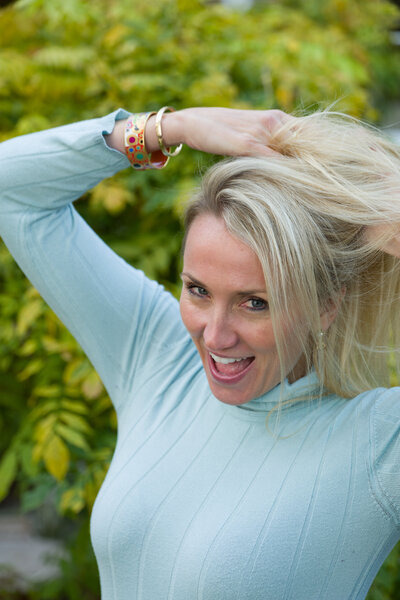


LONGEVITY & LIFESTYLE
© Longevity & Lifestyle llc 2021 | Design by Tonic | Photos by social squares, Unsplash & Rebecca Reid
SEND ME A NOTE >
GET ON THE LIST >
@longevity&lifestyle
follow along: