#266 Gazal Vakili — Meet Your Future Self: Identity, Daily Habits, Visualization & AI
The Longevity & Lifestyle podcast
The Longevity & Lifestyle podcast
The Longevity & Lifestyle podcast

Episode 266
Sign up for
The Longevity & Lifestyle Insider
Join Claudia's Longevity & Lifestyle Insider newsletter to get top tips, insights and strategies on optimizing your life, health and business!
By signing up, you agree to join the Longevity & Lifestyle newsletter and to receive emails. We respect your privacy and abide by strict privacy policies.
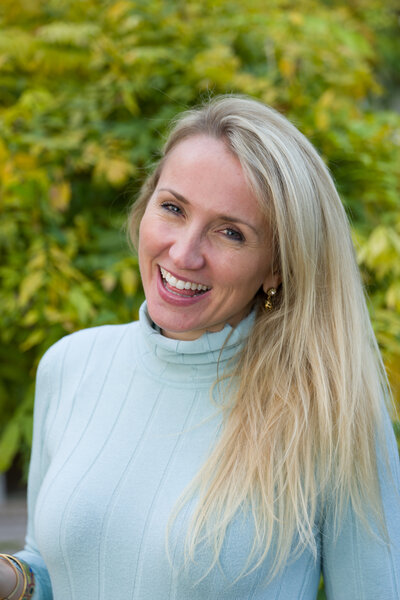

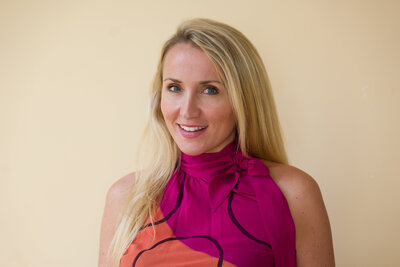
“If you're disconnected from your future self, then it's like a stranger. How responsible do you feel for a stranger?.”
- Gazal Vakili
In this episode, Claudia speaks with Gazal Vakili, founder and CEO of Future Self, an AI-powered personal transformation platform designed to help people connect with the version of themselves they are becoming.
Drawing on more than 15 years across clinical research and digital health, Gazal explores how our beliefs, identity, imagination, and expectations shape the reality we experience. She explains the research behind future-self continuity, why feeling connected to your future identity can influence the choices you make today, and how AI could make that relationship remarkably personal.
We Explore:
- Why Your Future Self Can Feel Like a Stranger
- How Future-Self Connection Can Influence Today's Behavior
- How Childhood Experiences Shape Identity and Limiting Beliefs
- Why Your Thoughts Are Not Necessarily Who You Are
- Meditation, Silence & Learning to Hear Your Intuition
- How the Brain Filters Reality Through Beliefs and Expectations
- Visualization and Why Imagined Experiences Can Activate Similar Neural Pathways
- How Future Self Uses AI and Voice Cloning
- Daily Micro-Actions for Becoming Your Future Identity
- Purpose, Self-Worth & Moving Beyond External Validation
- How AI Could Help People Navigate Uncertainty About Their Future
- Why Becoming Your Future Self Is Ultimately About Who You Become Along the Way
ABOUT THE EPISODE & OUR GUEST
SPONSORS
Brain health deserves a place in your daily routine. Axolt is a daily brain drink with 46 carefully selected ingredients, formulated with input from a scientific advisory board that includes leading neurologists and brain health researchers.
What makes Axolt stand out:
- 46 carefully selected ingredients in one daily drink
- No caffeine or stimulants
- Input from brain health experts to inform its formulation
- A simple daily ritual that fits into busy schedules
Their approach brings a focus on brain health into an easy, everyday habit.
Get 20% off at axoltbrain.com/claudia
Not all supplements are created equally. BioLongevity Labs focuses on evidence-backed formulations, third-party testing, purity, and USA manufacturing to support energy, recovery, gut health, performance, and healthy aging.
Their bestselling formulas include:
- BioRetina - a peptide bioregulator complex designed to support eye health
- ShredMAX - SLU-PP-332 capsules designed to support mitochondrial biogenesis, fatty acid oxidation, and exercise capacity,
- BioGutPro - for gut-lining and digestive resilience, and
- BioRestore - for tissue recovery and a healthy inflammatory response.
Their approach is simple: fewer vague promises, more transparency, and formulations grounded in longevity science.
Get 20% off with code CLAUDIA20 at BioLongevitySupplements.com
Unlock peak energy, mental clarity, and long-term health.
If you’re an entrepreneur, leader, or high achiever who refuses to settle for burnout, fatigue, or suboptimal health - this is for you.
I help top performers optimize their energy, longevity, and success using science-backed strategies, biohacking, and personalized health protocols.
Book a Complimentary Peak Performance & Longevity Coaching Call
This free exploratory session will help you:
• Identify what’s holding you back from your highest potential
• Gain clarity on your energy, focus, and longevity goals
• Discover a proven framework for sustainable high performance
Spots are limited - apply now to reserve your session.
🔗 APPLY HERE
Peak Performance & Longevity Coaching Call
Show Notes
00:00 Introduction
04:33 Gazal’s journey and self-belief
09:17 Reprogramming your identity
12:36 Hearing your own wisdom
14:21 Meditation, intuition and journaling
21:08 Connecting with your future self
26:50 Changing beliefs and identity
29:16 Making your future feel real
32:50 Daily actions and visualization
38:03 Gazal’s transformation
41:45 Building a daily practice
45:56 What’s next and final message
PEOPLE Mentioned
Products & Organizations
MORE GREAT QUOTES
"The most important belief is the belief about who you are.” - Gazal Vakili
Legal Disclaimer: Please note, to avoid any unnecessary headaches, Longevity & Lifestyle LLC owns the copyright in and to all content in and transcripts of The Longevity & Lifestyle Podcast, with all rights reserved, as well as the right of publicity. You are welcome to share parts of the transcript (up to 500 words) in other media (such as press articles, blogs, social media accounts, etc.) for non-commercial use which must also include attribution to “The Longevity & Lifestyle Podcast” with a link back to the longevity-and-lifestyle.com/podcast URL. It is prohibited to use any portion of the podcast content, names or images for any commercial purposes in digital or non-digital outlets to promote you or another’s products or services.
PODCAST EPISODE TRANSCRIPT
Claudia von Boeselager: Welcome to another episode of the Longevity and Lifestyle Podcast. I'm your host, Claudia von Boeselager. I'm here to uncover the groundbreaking strategies, tools, and practices from the world's pioneering experts to help you live your best and reach your fullest potential. Don't forget to subscribe to the podcast to always catch the latest episodes.
Legal Disclaimer: Please note, to avoid any unnecessary headaches, Longevity & Lifestyle LLC owns the copyright in and to all content in and transcripts of The Longevity & Lifestyle Podcast, with all rights reserved, as well as the right of publicity. You are welcome to share parts of the transcript (up to 500 words) in other media (such as press articles, blogs, social media accounts, etc.) for non-commercial use which must also include attribution to “The Longevity & Lifestyle Podcast” with a link back to the longevity-and-lifestyle.com/podcast URL. It is prohibited to use any portion of the podcast content, names or images for any commercial purposes in digital or non-digital outlets to promote you or another’s products or services.
PODCAST EPISODE TRANSCRIPT
Claudia (00:00)
No one's getting jobs after because AI is replacing us and even the adults out there, they don't even know what's coming or what's happening. So I think there's a lot of uncertainty which leading to lack of sense of purpose and it's scary for a lot of people.
Gazal (00:12)
mission is truly to help people realize their true potential. I believe as human beings we have infinite potential. Everything is in your cloned voice from your future self. I started it because I had this passion, I had this drive and I just knew this is something I have to do. Right? I want to do. The question is who do I need to be to create this successful, incredible business that impacts millions of lives.
Claudia (00:37)
Our guest today is Gazal Vakili. Gazelle is the founder and CEO of Future Self, an AI-powered personal transformation platform designed to help people connect with the version of themselves they are becoming. I had the opportunity to speak with Gazelle recently and was fascinated by this, so I wanted to share it with you, dear audience.
With more than 15 years of experience across clinical research and digital health, Gazal brings together scientific vigor, visionary thinking, and a deeply human understanding of transformation. Her work has spanned clinical trials, digital therapeutics, virtual reality interventions, cognitive science, patient-centered design, and AI enabled health tools. She previously served as head of digital health at Sumitomo Pharmaceuticals and is a co inventor on several virtual reality mental health.
Patterns. Future Self describes its mission as bringing together neuroscience and AI to help people build a relationship with their future identity. At the heart of Gazelle's work is a fascinating question. What changes when your future self no longer feels like a distant stranger, but someone real whom you know, love, and feel responsible for? Today we explore the neuroscience of transformation, the stories the brain builds about who we are, the biology of imagination.
Consciousness, spirituality, mortality, AI, longevity, and how becoming more connected to our future may change the choices we make today.
Claudia von Boeselager (04:27)
welcome to the Longevity and Lifestyle podcast. I am very excited to have you with us today. So,
Gazal Vakili (04:31)
you. you, thank you.
Claudia von Boeselager (04:33)
my pleasure. So Gazal before we jump into the neuroscience, which I'm very excited about, I would love to begin with you. So can you share with
us what happened in your own life that made the idea of meeting your future self a necessity?
and not just merely interesting. Was there a particular moment? What was going on in your life? Maybe you can share a little bit more.
Gazal Vakili (04:52)
Sure, yeah. So, I wouldn't say there was one particular moment, but it was just sort of a lifelong, pursuit of becoming the best version of myself and figuring out I how do I tap into that? It had become this desire, I was always someone who was very driven in life. And particularly within my career, you know, I was I worked in the world of biotech and pharma.
I worked in clinical research most of my career. And I certainly did, experience imposter syndrome and a sense, always a sense of like I'm not living to my greatest potential, And even though I
Claudia von Boeselager (05:26)
Mm-hmm.
Gazal Vakili (05:27)
I did fairly well, I would say in my career, I was always constantly being promoted and but nothing was ever good enough, and I think for me, one of the biggest things
that I became really intrigued by was the placebo effect, observing that in my career in countless clinical trials and just seeing that and really becoming very curious about it to understand like how does that work? what is the mechanism of action here? and how do I implement this in my life, So that was really I think an impetus to a lot of things of understanding that there's more, to understand about this world and how
things work and in a sense that this is not just limited to the human body, it really showed me the power of your mind and your beliefs and expectations. and really the expectations about I realize the most important belief is the belief about who you are. Like who do you believe you are, right? So
and it took me also on a journey on a spiritual journey as well of like
figuring out like who am I, what am I doing here, what's my purpose, and so on and so forth. And and realizing yes, this connection with your future self. And I started to do some, meditations, connecting to that future version of myself and really seeing how powerful that is in, shaping
your beliefs about yourself and so on and so forth. So it was born from the desire to really help
myself and others connect to a different version of themselves, to a version that is free, because that's like a I always had the sense that I'm not like free, I'm not living freely, there was all these expectations, right? Like and I think a lot of us have lived
that way, majority of our lives where there was just like this perfect I always wanted to be perfect, show up a certain way, talk a certain way, act a certain way, you know.
So all these expectations I had of myself and it almost felt like self monitoring, it's just like there's this version that's always like you gotta show up this way, all these expectations that, whether we pick up from society and just as a female, as a woman being in the corporate world, like you wanna show up a certain way, you wanna be respected, and so you gotta act a certain way. So there was all these things going on and I felt like I'm just not free. I'm not like really I felt constrained. I felt like I'm stuck in this,
so it's a lot of things, long story, but
Claudia von Boeselager (07:36)
I love it now, it's beautiful.
Gazal Vakili (07:38)
yeah, so for me it was a sense of like, okay, how do we show because I don't want to say it's not easy, it could be very easy, but to change your beliefs about yourself, right? 'Cause it's ingrained in a sense like it's a sense of you go through this programming throughout your whole life, what do people
say? What do you hear when you're a kid? Like
You're this, you're that, you're not smart. Like I'll give you an example. when I was in grade two, I went through this experience where the teacher divided the class up and like half this class was like not smart and half the class was like smart. And I remember
the moment, right? I remember like I was shocked because prior to that moment I had thought of myself as someone who's smart,
And I just remember the feeling and that I felt in that moment. I was shocked. I couldn't believe it. And I was like, I'm not smart. And that really had a huge impact my whole entire life, trying to prove
Claudia von Boeselager (08:23)
Wow.
Gazal Vakili (08:24)
to myself. Like there was this belief that I'm not smart but that I wanted to prove to myself that I am. my point is we go through all of this stuff, right? And we take what other people tell us and there's, up to like age of like six, seven, you're very impressionable, right? Like it's
a sponge
so the point is that how do we help ourselves and others to uncover that to bring all of that out right so you can see it you can see that it's not really who you are these are just beliefs right neural programming essentially and so
Claudia von Boeselager (08:52)
Mm-hmm.
Gazal Vakili (08:53)
how do we then change this so obviously there's various different mechanisms but I believe that this is a powerful way to build this connection with your future self and
to go through the process of understanding what are my beliefs, what are my values, your identity, right, as it is today. And who do you want to become, right? Who are you in the future? Who are you in in two years? And to be able to connect to that and to be guided by that version of you
every day.
Claudia von Boeselager (09:16)
.
Gazal Vakili (09:17)
So the idea was born through so many things, but more than anything for myself. it was figuring out how do I give my brain this
consistently emotionally vivid, data of a new self. I came up with this idea actually four years ago. And it was quite advanced for its time in the sense of like technologically, just the technology really wasn't there. AI existed, but it was not anywhere near where it is today.
Claudia von Boeselager (09:30)
.
Gazal Vakili (09:41)
And so now I started working on it a year and a half ago when I was like, okay, like there's voice calling, there's all these different, you know,
AI tools that allows you to actually assimilate, and yeah, so it's been a really fun journey of creating, this product.
Claudia von Boeselager (09:53)
I'm very excited to dive into so many different things and I think it's really topical and relevant because recently alone I've heard of so many even teenagers because of AI are
lack of sense of purpose, disillusioned because they're like, well, I've worked so hard to get to where am now, then I need to still work hard to try and get to college, but then no one's getting jobs after because AI is replacing us. And even the
adults out there, they don't even know what's coming or what's happening. Sam Altman won't even make a prediction, five years out maximum. So who knows what's happening in 10 years, et cetera. So I think there's a lot of uncertainty which leading to lack of sense of purpose and
It's scary for a lot of people. I love it. I'm embracing it. But, we have a different age and trajectory and experience behind us So I think that the ability to be able to choose who your future self is, is such a gift. And then to rewire the neural pathways, which I'm excited to dig into a little bit more about this, is so brilliant because I think also on my journey and like uncovering things like looking at belief systems, they are
formed in childhood and the way we interpret things. So the way you interpreted this teacher, which I can't believe she separated the class into smart, not smart, which is just like absolutely horrendous, especially conversations I have around people who are neurodivergent and they're genius in certain things, but maybe not academic book smart. mean, Richard Branson, there's many examples of this So those labels are just so horrendous. anyway, separate point. so that awareness, number one, I think is so critical.
and understanding what the current narrative is and then the opportunity you're giving people to rewire that and to choose the future self. let's break it down a little bit more starting with the mission of future self, but then looking at what are the steps that people would go through in future self to be able to start rewiring their story and their future self
Gazal Vakili (11:34)
Yeah. So our mission is truly to help people realize their true potential. I believe as human beings we have infinite potential. Like I know that wholeheartedly with every fiber within me. And that is my mission. Not only to help others, but including myself, it's always like that when you come up with something, it's always first, you come up with it for a reason, right? and I truly believe that.
whatever you believe you can accomplish, whatever it is you deeply believe, right? You deeply truly believe and of course then you act in alignment. You show up as that person. You ensure that everything, your values, your habits, your traits, everything is, in alignment and moving you towards a direction that you want to move to, right? So getting clear. But a big part of it is also getting clear on who you are, right? and who you wanna be, like how you want to show up. And
your truth, like your true essence, your true self. So it requires a little bit of like just self-discovery, right? Which is something a lot of people don't do. So the mission is to guide you back to yourself. That's the ultimate vision and the mission. It's
Claudia von Boeselager (12:30)
Mm-hmm. .
Gazal Vakili (12:36)
to guide you back to your own agency, to your own truth. So through the voice, that's why we've chosen to use voice cloning. Because that there's so much power in our voice, right? It's our voice.
It's our truth, it's a really strong signal for the brain of you know safety and so on. So to guide you back to your own wisdom because I believe, I truly not only believe I know, right, that we have all the answers that we need within us. We just have to tap into
Claudia von Boeselager (12:49)
Okay. Okay.
Gazal Vakili (13:06)
it. We just have to be able to listen. We have to able to hear that wisdom that's within.
And there's so much noise, right? So how do you quiet that? And how do you give yourself permission to know that you already know, and it's like through the body and mind, it just communicates with you, right? So
most people ignore that. It's not just for some people, everybody has that communication. but we ignore it and we listen to, most people like to rely on the outside,
whatever it is outside of them, right? whatever guru they believe in. And I think it's amazing. I've listened to so many, books, podcasts, and there's incredible people that I love. But you reach a point in life where you realize you have all
the answers within you. You just have to listen. So that is the ultimate mission that we have. how to guide people back to themselves.
Claudia von Boeselager (13:48)
And how does one do that? Because I'm, recovering cerebral A type where that had all to be from the analytical minds. And on my journey to, know that it's about dropping into the body.
cutting off the minds, giving the minds something else to think about and trying to really reconnect with that intuition, whatever you want to call it, gut feeling, the answers that are within But for someone maybe a bit newer to this, and also I'm very curious, how would you explain people to be able to do that? Or what's that process, what's that journey, so that they can start tapping into the body more and listening on the inside what's going on?
Gazal Vakili (14:21)
I think for me, one of the biggest things has been meditation. and most people start the journey with guided meditation, and I think that's great. But I really think where the magic happens is silence, silent meditation. Where you just sit there in silence. And you can start with two minutes, because it's hard, right? Like if you haven't done it, it will feel like really challenging. You just want to do anything but that. But to really
just trust the process and to just sit there for two minutes. I actually started the silent meditation a little bit later and maybe two, three years ago prior to that. I've been meditating for 15 years, but the silent meditation it was a whole game changer. That's when I really start to tap in and connect in such a different level with myself and get guidance and just like really,
Claudia von Boeselager (15:04)
Mm
Gazal Vakili (15:07)
different level of connection. So sitting there in silence, starting with two minutes. I used to put out like an alarm, you know, and it would go off two minutes, then five minutes, then 10 minutes, then 30 minutes. You just keep going, right? It's like a it's a process. And then as you go through the process, you don't force anything. You allow the thoughts, it's okay. You allow the thoughts, you let them kind of pass like a cloud, you know? You
Claudia von Boeselager (15:20)
Mm-hmm.
Gazal Vakili (15:28)
have patience with yourself. You have trust and just sit through that process.
And the more you sit through that process, the more you get clear, the more the mind just becomes clear and you become a clear vessel. Then you can really hear. I think that has been there's obviously many things I can say, but that is, I would say, the most powerful, powerful ways to really be able to hear, to be able to feel, to be able to, really listen to that intuition. And for me now it's become very clear, it's not just like a feeling in my stomach or an emotion.
It's like I can really hear, So I think that's number one and something people dread, people dread I did too. Sitting there in silence can feel like, my God, you know?
Claudia von Boeselager (16:10)
I know
especially for the ADHD minds amongst us I remember, I think it was in 2012 or 2013, I was at the Web Summit.
conference and Andy, the founder of Headspace was there and I got introduced to the concept of the take 10. I don't know if you ever started that way and it was a great way for me to start as my entrepreneurial hyperactive mind where it's 10 minutes over 10 days and reframing like thoughts are not something you have to like sweep away. You just observe them. So it wasn't that constant
battle. So I think for some people who are like, but my mind won't shut off, just observe them. It's like observing traffic, observing the clouds in the sky.
And that really helped sort of start into that process. I also trained in TM meditation I am not as vigilant. I'm doing it twice a day for 22 minutes. But I heard Naval Ravikant once mentioning about meditating for one hour in silence at a time. I've tried it. I've done it a few times. I don't do that as
Gazal Vakili (17:02)
Amazing.
Claudia von Boeselager (17:03)
regularly, but literally after about 35, 37 minutes, like this whole other space opens and
I guess it's about creating space, right? Space in your mind, space to have intuition, to have the downloads, to have information come. But I completely agree
with you. The more you practice it and it is a practice, the more those downloads come, the more you can trust them. like, know what it is, or you have the solution and you just, you have that knowing just to share a little bit about
Gazal Vakili (17:27)
think like there's also this challenge a lot of people have, including myself. It's like how do you separate, like where you feel like you get downloads or messages or the intuition from like just random like thoughts, the monkey mind, And so it becomes so clear with that practice, it ends up becoming you just know, okay, these is your thoughts and this is like
a clear message, let's say, or like your intuition speaking to you, I think like observing the thoughts is really important. The practice of like of becoming an observer, understanding that there is like you are the observer. you can observe these thoughts and recognize that these are doesn't mean anything. Sometimes a lot of our thoughts are it doesn't mean anything, it's just a thought, right? So
Claudia von Boeselager (18:07)
Mm-hmm.
Gazal Vakili (18:08)
going into that observer seat and kind of like
doing a practice of analysis of like what am I thinking? Okay, what is this? that's a really powerful practice of like being aware of what you're thinking because our thoughts, it's so powerful. And most people are clueless about their thoughts, right? And that's like it's just running in the background. And it has a huge impact in our lives, of course, right? So once you become aware and you become aware that your thoughts are not you, right? That's not who you are. That's not it's just the thought.
So becoming that observer and really understanding that these thoughts are not for you and to be able to decipher and then slowly the thoughts change. When you bring it out, it's like, because in the background it's like doing its thing, but when it ha sees light, it changes. It just changes, right? When you bring it to your consciousness, essentially. I think journaling is also really powerful, really, really powerful. And one practice
Claudia von Boeselager (18:47)
Okay. Mm-hmm.
Gazal Vakili (18:58)
that I've been doing, that's I think
been incredible a game changer is when something comes up in life, right? And I'm a part of this incredible, program that's why I learned this. It's called upgrade. and I've also, incorporated some aspect of this in the app. but it's a practice of asking yourself a question. Instead of asking ChatGPT, instead of asking whoever, you ask yourself, how do I do XYZ?
Claudia von Boeselager (19:21)
.
Gazal Vakili (19:22)
Whatever it is that you want to do, whatever it is you want to, let's say you're stuck on something, whether it's business, whether it's life, whatever, right? Instead of asking, you ask yourself. And and you sit there and you journal. You write everything that comes to mind and you keep going, you keep going. So I set aside usually an hour for this, you know. it could be done in a much shorter
way. The program has a very like kind of a fixed, process for it. To really be able to tap into your self-consciousness.
mind that's really the goal so you first like get out everything you need to on paper and then you keep going even when you you hit a wall and then you kind of like go in a meditative state and then you ask your subconscious mind for symbols you know to tell you in like in symbols and you start drawing everything that comes to you and you just trust the whole process is about trusting
Right. And then you ask your subconscious mind, okay, now tell me in words what do these symbols mean? And then you ask, like, okay, tell me one word, what's the answer? And you'd be shocked. like how many times I've literally found a very clear answer come to me, So
Claudia von Boeselager (20:23)
Wow, I need to try this. It sounds amazing.
Gazal Vakili (20:27)
Yeah, so there's so there's so many different ways of tapping in and understanding the answers
are within.
Claudia von Boeselager (20:33)
Or within or we have access to them directly. Yeah. And I think we're
trained to always
look for external things and this dopamine economy that we have with constantly pings and over stimulation. And it's just taking a breath, stepping back, creating that space and then practices. Like you mentioned with journaling, I think are really, powerful too. And I want to touch on the future self. Research suggests that many of us relate to our future self almost as if it was a stranger or an imaginary figure. Right. And so
What is going on there? Why is connecting with this future self part of the core mission of future self essentially? Can you walk us through that
component?
Gazal Vakili (21:08)
Sure. Yeah, it's incredible the body of research that exists on future self, right? And this can on this connection. And it's interesting because most people actually have no idea about this,
you do hear the word future self thrown out there a lot, but like no one's aware that there's actually a whole field of study, essentially, right? And so yeah, so research has shown that there is this disconnection that most of us have with our future self.
Right. And the reason why it's so important to build this connection is because it has a direct impact on your behavior today. Right. And so if you're disconnected from your future self, if you don't feel this sense of connection, then it's like a stranger, right? Like how responsible do you feel for a stranger? Most of us don't, So it affects how you show up today, right? It so we have all this knowledge and understanding. Like, for example, talking about longevity, like
Yeah, we know what's good for us, what isn't. Majority of people know exercise, like the basics at least, right? Moving your body and like
Claudia von Boeselager (22:02)
Mm-hmm.
Gazal Vakili (22:04)
sleep and all these things. But do they do it? Do they actually sleep? Get the seven, eight hours that you need. Do they actually like exercise? No, a lot of people don't, right? They give into the moment, whatever it is they feel like in that moment, I don't feel like exercising, I'm not gonna go. But that changes when you have a relationship with your future self, when you have this sense of
Claudia von Boeselager (22:13)
.
Gazal Vakili (22:25)
connection and responsibility when you know your actions today will directly impact that version of you, that person that you're now connected to, that you've built an emotional connection with, right? So it has a very, very direct impact on your behavior. And behavior change, as we know, it's one of the most challenging things, right?
Claudia von Boeselager (22:38)
Okay. Okay.
Gazal Vakili (22:46)
To change in anyone, right? So
we believe and hypothesize based on all the research and data that's out there that this can have a very, very powerful impact on changing how people show up every day. and to act in the best interest of themselves, which is really, and their future self in everything that they do, whether it's health, whether it's financial wellness, whether it's their career, and just showing up for themselves, right? Most people don't show up for themselves. So
That's why it's such an important part of it. just even looking at it from that psychology, from that like sense of that that research, that existing research that has shown impact on depression, anxiety, suicide prevention. it's so wide, like obviously health and wellness, there's been a lot of research on like financials, financial stuff that's been done. so yeah, it's a really powerful concept, right? But
Claudia von Boeselager (23:32)
you
Gazal Vakili (23:38)
Beyond that, I personally believe that our future selves, I believe that all versions of us, exist and you can connect with that future version of you, right? I believe you can tap into that and you can connect with them actually. Like I mean, I do through really powerful meditations, you can build this connection, right? and so it's not about for me, your future self is like you have to listen to your intuition, right? So it's like
What do I really want? Who am I really? So that's the process of like helping someone also find their purpose. Cause a lot of people are just
Claudia von Boeselager (24:11)
.
Gazal Vakili (24:12)
living life, doing what they, think that they're supposed to be doing without really tapping in and they're just disconnected from themselves, right? And that disconnection and unhappy and sometimes they don't know, right? 'Cause you're just on autopilot. You're just
Claudia von Boeselager (24:21)
And unhappy.
Gazal Vakili (24:27)
on autopilot. 'cause if you're not really
Connecting with yourself. You have no idea. You're just living life right every day. And then you break
down. And then you see you hear so many people like they have a breakdown or they have a panic attack. Like these are all things that show up for a reason. It's like, something's happening, something is misaligned. So I think the connection with your future self is such an incredibly powerful, just to say concept. And and that could be done in many different ways. It's been done in many different ways. Like some of these studies are.
Claudia von Boeselager (24:42)
.
Gazal Vakili (24:56)
know it's very maybe for an hour like some kind of exercise they've done and they've run a very rigorous let's say study but what we're doing is a very different at a different level it's building a true connection over time and so we're very excited about the research that we're also very research based as well like we have scales in there to assess change there's this validated scale future self continuity
Claudia von Boeselager (25:06)
.
Gazal Vakili (25:22)
that we're also incorporating in there. I actually have a researcher from psychology student who is d literally studying this future self continuity at Georgia Tech. So she's been amazing to have and really guiding this. I've had a meeting with really the pioneer, you know, scientist in for future self continuity, Dr. Hal Hirschfield and kind of,
Claudia von Boeselager (25:27)
. you
Gazal Vakili (25:43)
introduce what we're doing and it was a really beautiful conversation and who knows in the future. I'd love to have him as an advisor maybe. We'll see. But yeah. So we're really honing in on the research, but obviously what we're doing is at a different level. It's like this is about future this is about the connection to your future self in general, but we're building a connection to your ideal future self, right? Like who you truly want to become.
Claudia von Boeselager (26:05)
So I want to dig into that a bit more, but maybe just starting with the self a little bit. We touched on this a bit before and we speak of the self a lot as like a fixed thing, right? Typically in society and neuroscience suggests that our sense of identity is constructed through memory and prediction and bodily signals, emotions, social experience, right? We talked about those childhood belief systems. How would you define self though? And where do you see
or the challenges in that reprogramming of what that self is today based off forming of the ideal future self. So we have what we have today in the current self states, but how is that rewiring process? Is it just that tapping in? it visualization? You mentioned some of the scientific research once a day.
Help us understand what the self is
Gazal Vakili (26:50)
So most people have this sense of like, a rigid self, like this is like just who I am, right? Without understanding that who you think you are is based on all these different beliefs, right? That are running basically a programming that we're running on. And our beliefs and our brain is really obsessed with,
almost like being right, right? It wants to create this like this cohesive sense of self, right? So if
you believe whatever you believe about yourself, and we know now that like our reality is filtered, right? Like there's just too much, too much, like too much data coming at us at at once.
Claudia von Boeselager (27:22)
The default mode network, right? Yeah.
Gazal Vakili (27:24)
A default we'll network in the reticular activating system, right? And like,
so it has to filter our reality.
And how does it filter? It filters based on your beliefs, based on who you think you are, who you believe you are, what what you expect, what's possible for you, what isn't possible for you, and what you're paying attention to, what like you're really focused on, right? So it filters your reality. Therefore, things that show up in your life, experiences, things that you notice, right, comes to your conscious mind is going to be in alignment with your beliefs and your thoughts and who you believe you are and what you're expecting of of this world. That's why it's so important, right? To to work to change those beliefs. So
our reality is not objective reality that that people think. Like this world is not what really how people see it. And there's this is the scientific evidence for this, right? it's your perception
Claudia von Boeselager (28:07)
The perception of reality, right? Yeah.
Gazal Vakili (28:10)
of reality, exactly. It's how you're perceiving it based on this lens, based on your the lens, right? Which is your identity. That's
the lens. And it's this like, kind of this loop.
Right, because you believe this, you see it, then it further reinforces that belief. See, like it's a self-fulfilling prophecy. There's a lot of different psychological terms for it, too, right? So when you understand how the world works, right, and how you're literally, in essence, rendering this reality based on your own beliefs and expectations of it that are so ingrained oftentimes running in the background, right? That you're not even aware of it. So even the process of just taking a moment and
thinking about okay what are my beliefs right what are like what do I believe like what are my values just doing an inventory which most people don't do. So the way Future Self works, right? We've kind of tried to create start the process in a simple way. It's about first let's talk about what it is you want in your future like who it is you want to, what you want to tap into the life you want to create. And we're starting the
program as like more like short term within the next two years.
Claudia von Boeselager (29:12)
Okay, and people would
like write a summary how does that work? Or you answer a question.
Gazal Vakili (29:16)
so we have actually a live agent which is in my cloned voice. So it's like
Claudia von Boeselager (29:20)
Thank
Gazal Vakili (29:21)
founder kind of onboarding process where I would walk them through, in my cloned voice, like an AI agent, to really help them kind of like hone in on what it is, a bold vision for their future. And the idea is like we want you to be bold, right?
this has nothing to do with your past, what you've done, just try to think bigger. That's the idea. Let's think bigger. What do you really want? Like what do you truly want? Right. So to really help them with that process, most people, a it's a pretty powerful conversation. and people who
are confused, it just kind of walk them through how to think about it and so on and so forth. And to really set a goal. The idea is like to set a vision, a goal, a clear like milestone, like what it is you want to accomplish, who it is you want to be.
like how you want to show up, how you want to feel, what is the impact you want to create, right? Like what does this mean to you? So it's this whole process. And then we really want you to envision a vivid, very clear moment that you're like, I'm living this life, like I've made it. So like we really get them to think about that
Claudia von Boeselager (30:19)
one specific
moment so it becomes like really viscerally real. Is that part of the?
Gazal Vakili (30:24)
Exactly, exactly, exactly.
One specific moment is something that we really try to get the person to really think about, to tap into. And then we take some, information from their past. We keep it again the onboarding, we're keeping it very light and easy, and then it continues throughout the process and like once they're actually in. so it's about like what are you really proud of? Taking like the things that they're really proud of, right? Then they clone their voice.
and they get their first future self message, which is a a powerful message basically from the version of them that's already living this life. and then the experience is essentially there's going to be a phone conversation with your future self where it's a live conversation. your future self will call you or you can call your future self and it's like it will dig into okay let's talk about our values, let's talk about our habits.
what are our non-negotiables? let's talk about our beliefs, right? So really talking about okay, really digging into those beliefs and are those beliefs in alignment with your values? because there has to be alignment, right? Because you could value so many things and then you're there you have beliefs that are not in alignment with that, right? So it's just not gonna it's a mismatch, it's not gonna work. So helping the user to ensure that.
their values and beliefs are aligned. then your environment, to talk about the environment is very important. Who we're surrounded by, what we're surrounded by, and the deep why. Like why do you really want this? To really tap into the reason that you want this, that's a really important piece to be aware. oftentimes we want certain things because we want to feel worthy. I feel like that's like such a common one. Honestly, I check in with myself
often, I check in to make sure, because there was a time that definitely worthiness was a huge part of a lot of things that I wanted to do. And I check in to make sure this is not that because if it was, I wouldn't do it, so
worthiness comes from within. It has nothing to do with what you accomplish and what you do in this world. it's just you are inherently worthy. And so that's what we really want to help people understand.
So or peace or so on and so forth. So these are things states that you can have now. And so helping the person ha understand that, To live within that state. And then when you have this sort of identity constructed, then the program will also be the system, it's in such a way that it will identify, it will map out your identity today, based on all these like conversations, and then map out the identity of the person that you want to be and kind of create a personalized path for you.
Claudia von Boeselager (32:38)
That's super exciting. What does that personalized
path look like? It's like daily check-ins and youre bit by bit going there. What if someone's like, okay, A type, how do I get there tomorrow? Like, how do get there in a month versus six months? Like, how does that path look like?
Gazal Vakili (32:50)
So you set your timeline. You set your timeline. You say, like, okay, I want to accomplish this with one month, two
months, six months. So you actually set a date. Like that's the goal. You're gonna have a date set, and the system will recalibrate based on that. And so it will be daily guided. Like right now, this is the MVP, right? There's so much more that's gonna be coming. But for the minimally viable product, we've done the best we can to try to keep it like as minimal as possible.
It's still not as minimal as it should be to be honest. We're still talking about stripping if we can for the MVP because it's really important
to start with like just but basically right now the experience is daily guidance. So every day you get a message from your future self in your own voice. And again, based on who you've been, based on where you're going in the future, all the identity.
reminding you of who you are and an action. Every day it will have a micro action, some days bold action, some days stretch action, depending on again your bold vision for your future to help you step into, that person to show up as that person and to act, Action is everything at the end of the day. If you don't act, so it all has to kind go hand in hand. And then you get multi-sensory visualizations.
based on again your bold vision. Weekly you'll get a new one.
Claudia von Boeselager (34:02)
What do you mean by multi-sensor? Can you explain that?
Gazal Vakili (34:05)
Yeah. So it's like engaging
all senses, So like helping you to engage like what does it smell like? what are you hearing? What are you seeing?
Feeling, the emotion, of course, is a very important part, Like emotionally salient, for you to really feel it in your body. And engaging all senses, because when you're engaging all senses, it kind of tricks your brain, into thinking that you're actually experiencing this.
Claudia von Boeselager (34:27)
It's real, yeah.
Gazal Vakili (34:27)
A lot of the same no
a lot of the same neural pathways, this is something that's been proven that when you're vividly imagining something versus experiencing it in real life,
that your brain doesn't fully know the difference. Yeah.
Claudia von Boeselager (34:39)
It doesn't. Yeah.
Gazal Vakili (34:41)
So, so that's why, but it has to be, engaging all the different senses. So it's like for you to become aware of like, taste, smell, So we try to hit all of that in this
guided multi-sensory visualization for you to really immerse yourself in that future scenario and then we have meditations that are so like I think that's the coolest part to be honest that are rendered in real time based on whatever it is you're going through
And everything is in your cloned voice from your future self, you have your bold vision for your future. I want to accomplish XYZ by six months, And every day you're guided towards that. And you have your visualizations. But then today you have this like terrible day or you have something huge coming up and you're like, my god, I'm nervous and I'm feeling this and that. So you come and say, Hey, yeah, I'm feeling like, a failure, whatever it is you're going through, you type it in and then you get a
Claudia von Boeselager (35:15)
.
Gazal Vakili (35:31)
customized, a very personalized meditation from your future self, guiding you through that, through whatever it is, through that emotion to recalibrate you, to help you bring you back to yourself, to remind you of who you are in the future, what you've already accomplished. oftentimes it may thank you. Thank you for like showing up this way. Thank you for this. we're living this life now in the future because it's framed from like I'm living this life because you already like I've been there. I know how this plays out kind of thing without
Of course, taking away agency and all that, but in a way that's really powerful and empowering. so the meditations I think are really cool and it's something that's so needed, that I've needed at times in my life. That's why I came up with the idea where
I felt like I need something. Like in that moment I was like, my god, like I got off a meeting one time that I was so upset and so activated. And I was like searching, I went on YouTube, I'm like, how can I like a personalized meditation? And like I was like, There isn't, and like that's how the
idea came up. Yeah. Thank
Claudia von Boeselager (36:25)
I love the idea of a personalized meditation. That's brilliant. Yeah.
Gazal Vakili (36:29)
you. So that's the experience. And then there'll be weekly check-ins with your future self to talk about, okay, like let's talk about last week and then let's talk about next week kind of thing to really personalize it further to what's happening, what's relevant, in your life right now, this week, that next week, what's coming up to really help you through through that. So that's the essence of it.
Claudia von Boeselager (36:50)
I think it's so exciting and two quotes come to mind. One is Einstein's quote of imagination is the preview of life's coming attractions. And I think we
Gazal Vakili (36:57)
Mm.
Claudia von Boeselager (36:58)
underestimate that so much. had Naveen Jain also on and he's like one of the most powerful things you can do with your team or in a company is to start with imagine because of all the belief systems we have. It's like we need to do this or what do think of that? are like shut it down. It's not possible. You can't do it. So
I think this almost allows you to imagine like who do want your future self to be and imagine you being them So I think it triggers that creativity, that part of the brain.
there was a great podcast interview with Terry Crews, who's had multiple lifetimes for professional NFL player, artist, Hollywood actor, and does a bunch of different things. And he said the book that most inspired him was from William Waddles. And I'm blanking on the name, but it came back to
You need to be in order to do so you can have. And it's all about embodying, as you're saying that version of you that you want to be in the future now so that you act from that place also. And I'm curious, have you done some testing on non-yourself, maybe non-team people, but even, guess, what's your own experience in terms of changes that you've noticed from connecting?
regularly with your future self as part of the experience in the app.
Gazal Vakili (38:03)
God,
it's been incredible. It's just been the most incredible thing. so for me, right, when I started this journey a year and a half ago, I was a whole different version of myself, a whole different version. So it's been a journey of becoming my future self as I'm building the app future self. So it's been the coolest thing, and every day, yeah, I mean, I've used it every day and connecting with that future version, which is now.
And I look back now, I'm like, wow, like it's not even about what you accomplished. Of course it is, but at the end of the day you realize it's not, it's about who you become, It's really about the journey of becoming your true self, which is this free being that's like you have this peace. it's not about external about it.
Yeah, like it's great. once you get there, you're like, Yeah, cool, but you're not attached to it. There's no attachment. this is not gonna validate,
You live in such inner peace within this inner peace that nothing can really affect that, So for me it's been a journey of becoming my future self and to be honest with you, I've cried many times hearing it speak to me I'll tell you everyone, almost everyone.
Claudia von Boeselager (39:04)
Tears of joy or
tears of sorrow or what type of tears?
Gazal Vakili (39:08)
Tears of
joy and just emotion it makes you just so emotional. I can't say joy or sorrow, neither one,
but you just get really emotional.
and there was a time that actually one time I was just like testing. I wasn't even like using it as like a user. I was like my developer sent me something. He's like here, listen to this meditation and it was in my voice and I kind of
I pressed it and I was in a state of like just working non-stop, you know? And
I pressed it and like I just had a moment of like stopping and just closing my eyes and started to baw because it was like, I know how hard you're working right now. I want you to know like
what's like the impact you've created, the lives you've changed and like what I mean? So it was just like and it made me literally start bawling. Like I started like a
Claudia von Boeselager (39:47)
It was the validation.
Gazal Vakili (39:50)
dirt like a like a like a really ugly cry. And I'll tell you
Every single person on my team, same experience, and majority of the users, same experience. They all cry because it's so emotional to hear
Claudia von Boeselager (40:00)
Wow.
Gazal Vakili (40:04)
your future self, even though it's like you know it's AI, but it doesn't matter. You don't, that it doesn't, it's so powerful, it's so powerful,
truly. So for me, I'm completely a different person today than I was a year ago.
because I've stepped into, I didn't start this by thinking I'm entrepreneurial or thinking that I'm gonna be great at business. Like I started it because I had this passion, I had this drive, and I just knew this is something I have to do, right? I want to do more than anything else. I worked on it like nonstop, obsessively in like I was possessed essentially. But
Claudia von Boeselager (40:25)
You You
Gazal Vakili (40:38)
Did I have the identity of an entrepreneur and a successful businesswoman? Absolutely not. So I've been building that and creating that and creating myself and and embodying that every single day, embodying it and and becoming it and showing up as it and trusting and really doing the inner work, right? My beliefs, my values, my habits, my traits, all the things that are in this I've been living and really trying to
obviously be an example, but like stepping into who do I need to be? The question is who do I need to be to create this successful, incredible business that impacts millions of lives? Who is that person that will accomplish that? So it's like what are her traits? What are her habits? What does she do every day? What time does she wake up? What time does she sleep? Who does she yes to? Who does she say no to? Right? So it's all these things that so it's the same process that we've created in the app that I've been essentially I've been living that every day and I'm continuing to live it,
Claudia von Boeselager (41:31)
What does your daily routine look like is it once a day that you check in with your future self or is it like intermittently throughout the day to really support that rewiring of the mind so that you become the future self today essentially?
Gazal Vakili (41:45)
So I check in two, three times a day Personally, I think even once a day is so powerful. It doesn't have to be two, three times a day, but I do two two, three times a day 'cause I'm on this like, mission and and journey. And so I obviously I also am excited to be in the app and use the app. So two, three times a day I listen to the, my message and I meditate, I do a meditation and I do a visualization.
The visualization is also so powerful. It's so powerful to immerse yourself, in like one of the big visualizations that I do is I mean, there's obviously so many different ones, but the particular one that I repeat a lot is a moment where I'm stepping on stage at the first future self retreat. it's so immersive. You feel the curtain on your hand and the water in your hand and the mic,
it's like a whole thing and you just feel it in your body, or like, my god.
And yeah, and it's really at the end of the day all about impact, as human beings we all have the strive and desire to create impact in the world, like and to live with purpose, that's one of the focuses of Future Soft to really help people realize what their purpose is and what they're really being called toward. So yeah,
I love it. I'm a super user.
Claudia von Boeselager (42:49)
am very excited to try
it. So I can't wait I love everything sort of brain. Obviously my mother passed unfortunately last year with Alzheimer's. So I've really gone down many rabbit holes, but also my own journey and rewiring my mind and learning. And I'm an eternal student constantly learning also the space around psychedelics, et cetera. Last week I had an amazing
a PhD candidate from Imperial on about accessing altered states of consciousness to get clarity around certain things also And it's funny, my daughter's super sweet gifted me with some of her birthday money, a book, the Dan Brown book
Gazal Vakili (43:20)
No.
Claudia von Boeselager (43:20)
that just came out. I know very sweet. She was very insistent on it. And I couldn't believe when I was reading it that of all things, it's about altered states of consciousness, non-local consciousness, the
noetic sciences versus everyone believing consciousness is just inside the mind So totally up my alley. was like, of all things for Dan Brown, the author of Da Vinci Code to be writing about, right up my alley. And it's just, I think so
Gazal Vakili (43:43)
I love that.
Claudia von Boeselager (43:44)
many people are waking up to realizing that the old model of, cradle to grave jobs, just doing it for the sense of having to do it, they're just, it's not.
the reality people choose anymore and they want to be true to themselves but they don't know how. So this sounds like such a beautiful segue or opportunity for people to get clarity around what are the belief systems holding you back, what do you want to create for the future and then start living from that reality
Gazal Vakili (44:09)
For sure, to question, to take a moment to question your beliefs, your thoughts, to not think that there was this a really good quote that says, don't believe everything you think,
it's like people are so, and they defend it. And your brain is also like wants to defend it so it's like to really challenge yourself and challenge your beliefs and thoughts and
And that's I think the first step is understanding that, who you think you are is not really who you really are. That's the reality of it. And to and that's where it starts, discovering your truth, And it's really about taking the time to get to know yourself as well. That's a huge part. Like I've taken the last two years has been such
just honestly, I would say ninety percent of the time I was with me and me alone. I was just called to do that. I just knew that's what I need.
That's another thing that a lot of people are not good at is listening to themselves. That pull, that drive, that desire to say no. They say yes when they want to say no. They say no when they want to say yeah. there's so to really listen, I had to say no to so many things and so many people honestly I barely talked to like it's just it's just what I needed, right? And and it's okay.
Claudia von Boeselager (45:16)
Recalibrate.
Gazal Vakili (45:17)
It yeah, and that's okay. And there's people who won't understand. There's friends who will feel abandoned and
But that's what it is. you gotta be true to yourself and you gotta you have to listen. You have to listen, right? There are times you're called to just sit at home to be in your own space, to be in your own energy for whatever reason. You gotta just follow that path. And then there are times where you you need to be social and you need to, So I think just listening and learning to listen to yourself, learning to follow, is such a crucial part of part of this whole thing.
Claudia von Boeselager (45:31)
Okay.
So, so amazing. People interested in following you and future self, what is the roadmap looking like? Where can they find you? Where can they follow you? What do you want people to
know?
Gazal Vakili (45:56)
so we've actually closed our alpha testing, which has been amazing. And gathering all the data and making some updates and changes. So we're going into beta testing soon. So just so you know the like what we're going into, we're going into kind of a smaller scale closed beta, kind of like a research study and then we're gonna open it up to do a bigger closed beta, about a few hundred people. I have a
Amount of people on my wait list. So and then we're gonna go on to the app store. Hopefully, by October is the goal. So, what I would love is we do have a place where people can join to be a part of beta testing or the wait list, and we would notify them, when that opens up, as well when it opened of course when we're available on the app store. So we have a website.
future dash self dot ai where they can join the wait list from there and then they'll have an opportunity to join our our beta testers or just join us, when we're on the app store.
Claudia von Boeselager (46:51)
Very, very exciting. Do you have any parting thoughts, message, piece of advice for our audience today?
Gazal Vakili (46:58)
Sure, just
understanding that whatever it is you believe about yourself, whatever it is that you think you can't do, to truly question that and know that as human beings, we are truly infinite and there's nothing that we can't accomplish as long as we truly believe in it and just listening to yourself, listening to your intuition, to where your passions are, what really fires you up, to really move towards that.
and that's it. That's I think our biggest obligation in this life. Only obligation that we have is to listen to ourselves and to follow the passion and those are signs from your future self. I truly believe those breathcrumbs are from your future self. That's how it's communicating to you to get you to where you need to go. So just listen to that.
Claudia von Boeselager (47:44)
I love it so beautiful.
I think it was Wayne Dyer who said that when you have inspiration, you are in spirit.
so following that intuition, which has led you to where you are today, Gazelle, with us. So beautiful.
Gazal Vakili (47:54)
Hundred percent. Hundred
percent. it's possessed me. In the best way. In the best way. Yes. Thank you so much. Thank you.
Claudia von Boeselager (47:58)
A good possession. A good possession. Thank you so much for taking the time for coming on. Thank you, dear audience, for tuning in as well.
Such a pleasure.
Gazal Vakili (48:06)
Yes, thank you.
I’m Claudia von Boeselager
Longevity Coach, detail-loving educator, big-thinking entrepreneur, podcaster, mama, passionate adventurer, and health optimization activist here to help people transform their lives, and reach their highest potential! All rolled into one.
Hey there!
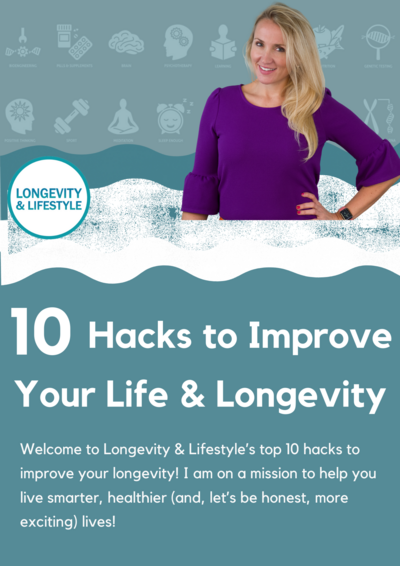
Steal Claudia's 10 Hacks to Improve Your Life & Longevity Playbook
FREE DOWNLOAD

Learn the secrets of health, lifestyle, business and finance optimization
Podcast
Top Resources

Steal My
10 Hacks to Improve Your Life & Longevity Playbook
Free guide
10 Hacks to Improve Your Life & Longevity
Want to learn how to live a smarter, healthier (and, let’s be honest, more exciting) life? Check out my free playbook with top tips just for you!
By signing up, you agree to join the Longevity & Lifestyle newsletter and to receive emails. We respect your privacy and abide by strict privacy policies.




LONGEVITY & LIFESTYLE
© Longevity & Lifestyle llc 2021 | Design by Tonic | Photos by social squares, Unsplash & Rebecca Reid
SEND ME A NOTE >
GET ON THE LIST >
@longevity&lifestyle
follow along: