#269 Dr. David Rock — Focus, Bias, Feedback, AI & the Neuroscience of Leadership
The Longevity & Lifestyle podcast
The Longevity & Lifestyle podcast
The Longevity & Lifestyle podcast

Episode 269
Sign up for
The Longevity & Lifestyle Insider
Join Claudia's Longevity & Lifestyle Insider newsletter to get top tips, insights and strategies on optimizing your life, health and business!
By signing up, you agree to join the Longevity & Lifestyle newsletter and to receive emails. We respect your privacy and abide by strict privacy policies.


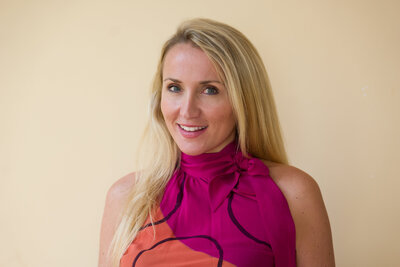
“Once you start emailing and interacting and playing with your AI, the game's up for focusing well.” — Dr. David Rock
In this episode of The Longevity & Lifestyle Podcast, Claudia speaks with Dr. David Rock, neuroscientist, author, and co-founder of the NeuroLeadership Institute, about the science of better thinking, leadership, human connection, and protecting our cognitive abilities in the age of AI.
Drawing on nearly three decades of work applying neuroscience to organizations, including Microsoft and other global companies, Dr. Rock explains why our brains struggle with information overload, how cognitive biases influence our decisions, and why outsourcing too much thinking to AI could come at a cost.
He also shares insights from his book Good with Humans, the neuroscience behind deep focus and creativity, and emerging research into psychedelics and neuroplasticity.
We Explore:
- Why AI Could Be Weakening Our Ability to Think Independently
- How to Protect Deep Focus in a Distracted World
- Why Creative Work Should Come Before Emails and Notifications
- The Neuroscience Behind Cognitive Bias and Decision-Making
- How Growth Mindset Helps Us Become Better Leaders
- The SCARF Model: Five Social Needs That Drive Human Behavior
- Why Asking for Feedback Works Better Than Giving It
- How Stress, Dopamine and Mental Energy Affect Performance
- Psychedelics, Neuroplasticity and the Science of Insight
- How to Use AI to Strengthen Rather Than Replace Human Thinking
A fascinating conversation about using neuroscience to work smarter, think more deeply, build better relationships, and thrive in an increasingly AI-driven world.
ABOUT THE EPISODE & OUR GUEST
Unlock peak energy, mental clarity, and long-term health.
If you’re an entrepreneur, leader, or high achiever who refuses to settle for burnout, fatigue, or suboptimal health - this is for you.
I help top performers optimize their energy, longevity, and success using science-backed strategies, biohacking, and personalized health protocols.
Book a Complimentary Peak Performance & Longevity Coaching Call
This free exploratory session will help you:
• Identify what’s holding you back from your highest potential
• Gain clarity on your energy, focus, and longevity goals
• Discover a proven framework for sustainable high performance
Spots are limited - apply now to reserve your session.
🔗 APPLY HERE
Peak Performance & Longevity Coaching Call
Show Notes
00:00 Trailer: Protect your creative thinking
01:17 Welcome and introduction
02:44 What is neuroleadership?
08:13 Attention, learning, and memory
12:29 Can leadership skills be learned?
14:35 Why we struggle to see our own biases
19:47 How to ask for useful feedback
21:44 What makes an effective leader?
27:09 SCARF: The five social needs
31:13 Brain optimization and information overload
34:56 Put creative work before your inbox
36:56 Psychedelics, insight, and emerging research
42:18 Is AI “fast food for your brain”?
46:54 Using AI as a thinking partner
48:41 Where to find David’s work
PEOPLE Mentioned
Products & Organizations
MORE GREAT QUOTES
“If you believe you can get better at adapting, then you will get better adapting.” — Dr. David Rock
Legal Disclaimer: Please note, to avoid any unnecessary headaches, Longevity & Lifestyle LLC owns the copyright in and to all content in and transcripts of The Longevity & Lifestyle Podcast, with all rights reserved, as well as the right of publicity. You are welcome to share parts of the transcript (up to 500 words) in other media (such as press articles, blogs, social media accounts, etc.) for non-commercial use which must also include attribution to “The Longevity & Lifestyle Podcast” with a link back to the longevity-and-lifestyle.com/podcast URL. It is prohibited to use any portion of the podcast content, names or images for any commercial purposes in digital or non-digital outlets to promote you or another’s products or services.
PODCAST EPISODE TRANSCRIPT
Claudia von Boeselager: Welcome to another episode of the Longevity and Lifestyle Podcast. I'm your host, Claudia von Boeselager. I'm here to uncover the groundbreaking strategies, tools, and practices from the world's pioneering experts to help you live your best and reach your fullest potential. Don't forget to subscribe to the podcast to always catch the latest episodes.
Legal Disclaimer: Please note, to avoid any unnecessary headaches, Longevity & Lifestyle LLC owns the copyright in and to all content in and transcripts of The Longevity & Lifestyle Podcast, with all rights reserved, as well as the right of publicity. You are welcome to share parts of the transcript (up to 500 words) in other media (such as press articles, blogs, social media accounts, etc.) for non-commercial use which must also include attribution to “The Longevity & Lifestyle Podcast” with a link back to the longevity-and-lifestyle.com/podcast URL. It is prohibited to use any portion of the podcast content, names or images for any commercial purposes in digital or non-digital outlets to promote you or another’s products or services.
PODCAST EPISODE TRANSCRIPT
Dr David Rock (00:00)
once you start emailing and interacting and playing with your AI, the game's up for focusing well. So it's really about putting creative work first.
when I'm writing, if I'm writing a piece, I get up, have a cup of coffee, still in my pajamas. I'm not doing anything, I'm just sitting down and starting with a clear
mind before I'm tempted to check emails, before I'm tempted to do anything. I'll write, write, write as long as I can.
which is usually forty five minutes to an hour and a half. Then I go and take a shower. and in the shower I have all these ideas energizing about what next, and I can't wait to get out and keep writing, right? and then two hours later come back to urgent and important things and emails. that's the discipline that we need. If you don't do that, it's very hard to get anything deep done.
Claudia von Boeselager (01:11)
welcome to the longevity and lifestyle podcast David. I'm very excited to have you here today
Dr David Rock (01:16)
Thanks for having me. I look forward to the conversation.
Claudia von Boeselager (01:18)
So
David, we had the pleasure of meeting at a very interesting lecture recently, actually on psychedelic research around 5MAO DMT and some others And we got into conversation. so I'm very delighted to have you here today. And for those who are unfamiliar with you, your work in a few sentences, can you share a little bit about your backgrounds and your work that you're doing?
Dr David Rock (01:38)
Yeah, absolutely. so I'm Australian originally based mostly in the US, but in London regularly as well. I hit up the largest and oldest cognitive science consultancy globally that works with organizations. so we advise big business. We've worked with two thirds of the Fortune one hundred on people strategy based on the brain. so sometimes that looks like kind of tweaking their culture, sometimes it looks like wide scale leadership development.
teaching leaders about the brain to make them more self-aware. Sometimes it looks like tweaking their whole approach to performance, their approach to leadership development, all sorts of things. But essentially we study the brain and people and help big companies be more brain friendly. And that's been going on. It's just a new thing, 28 years. so it's been going on for a while. And
Claudia von Boeselager (02:22)
relatively.
Dr David Rock (02:22)
we don't work so much just with a top team, we'll work with a whole organization and
embed better ways of working and we've directly impacted about twenty million people in the last ten years, just for a bit of
Claudia von Boeselager (02:32)
Amazing.
Dr David Rock (02:32)
context, yeah.
Claudia von Boeselager (02:33)
Very, cool. So neuroleadership, you coined the term, and what does that mean by working with organizations and understanding the brain? Obviously, everyone's brain, there's structural things that are similar, but everyone's a little bit different So can you walk us through what that means and how that can even impact an organization? Maybe some stories that you can share with us
Dr David Rock (02:51)
Yeah.
Yeah, for sure. it's just really fascinating as someone who started working with companies, twenty-eight years ago on making managers better, improving leaders. It was just amazing how little science there was in any of
that. It was like, very, very light. and I had an insight, long, long time ago that it would just be incredibly helpful, especially if you're doing like real leadership development.
and culture change to actually have much more of an evidence-based approach. that I thought there must be companies who really, were craving that. And right about the same time, all this research was coming out for the first time in history about the brain and our social interactions and what was going on. It was kind of the birth of a new era in neuroscience itself. But all these scientists were studying sort of very disparate parts kind of cognition and emotion and
understanding others and motivation and there were hundreds and hundreds of labs studying this. But what I realized was that leadership in particular, you're basically thinking or trying to influence other people's thinking. That's the whole world of leadership, right? And no one was looking at what that meant from the brain perspective. No one was saying, well, how do you think better? What are the chap traps to good thinking? What can we learn from neuroscience?
And 28 years ago the answer was not that much, but I was there at the right time as it started to unfold. And suddenly we could understand a lot about how motivation really works and how creativity really works, and how deep thinking really works, and how focus really works, and how collaboration really works. all these things started to be unpacked, but it came from scientists. the signal wasn't obvious. You had to actually study multiple studies, or sort of synthesize
multiple studies and develop a point of view. And that's what we've been doing now across sixty some papers since two thousand and eight, when we first started publishing a journal, is we've basically said, let's take a people challenge in companies, see if we can work out a solution in the research. And we've been really successful, you know, here and there out of sixty, we've probably had ten papers that have really, really changed organizational practices across millions of people.
And that's what happened. So, a classic example is a huge company came to us and said, Look, we've been trying to teach feedback for decades, nothing's changing. Can you tell us why it hasn't worked and what we're missing about the human brain that makes like all our feedback initiatives do nothing? We're like, that's a
Claudia von Boeselager (05:07)
you
Dr David Rock (05:08)
great research project for us. It took us just under a year to kind of study it, understand it, and then say, Look, this is what you're missing, and this is what to do differently. We developed an approach that spread right across this company, then Accenture.
built this as their core strategy for feedback and then IBM and then many, many other companies. So we basically developed a whole different approach to feedback anyone else had developed by actually developing a hypothesis about the brain and then directly studying in a lab people giving and receiving feedback and collecting real data, seeing what's actually going on. Turns out that giving feedback is just as stressful as receiving it. And the only thing that works to reduce it, which helps for both sides actually, is the person asking
The
feedback. And
we tried all these different things and nothing really worked except that. And so we're able to see from you know real data, look, that that's the strategy to focus on. And then we helped companies develop a whole different approach. So that's kind of one example. So we've done that for feedback, we've done that for bias mitigation, we've done it for motivation, we've done it for learning, across a lot of different domains. We've said, what are we missing? And what would we do if we actually started with brain research that exists?
synthesize that and find a signal. And for sixty papers we published, we probably had five hundred studies we started on, where we couldn't find a signal. So that's and even out of that sixty, there's about ten where we found a really, really clear signal that has really, really helped people do things differently. And, feedback's one of those.
Claudia von Boeselager (06:28)
That's a great example. that's a really good solution also to have the people ask for feedback. So I just know in certain circumstances, people are like, I don't want to give them this feedback. I don't want to change the dynamic. So and you say, look for signal and signal you don't just mean brain signal, or are you referring to actually looking for a trigger brain signal Like, how do you set up the study? How do you research the brain? Like, what does that look like?
Dr David Rock (06:49)
Yeah, so I'm not referring to a specific brain signal in the human brain itself. It's more like
basically finding a pattern. So for example, when we studied learning, we asked the question back in twenty ten, are there core principles of learning that you can take to the bank and say, No matter what changes, this is what you have to do to make learning stick?
from a brain perspective. And what we found is there was very clear signal in this one hypothesis, which is that the stronger the hippocampus activates while you're encoding a task, the richer the network and the longer the memory and the easier to recall later. So let's follow that path. That was one of dozens of different paths we followed. Let's follow that path to see where it leads us. And what we found is the hippocampus activation
was a really, really good way to think about making learning sick. And we found that there were four conditions across like more than a thousand different studies. We found kind of four themes, four signals in a way, that were necessary for strong hippocampal activation while you're doing something. You know, one of those is very close attention. Right? If people have diffuse attention across lots of things, you don't remember it. We know that, but we're actually able to explain
why and how much attention and really distinguish it.
and so that was kinda wonderful condition. so we were able to find a pattern across more than a thousand studies correlating back to a theory. and so it's more like that kind of signal
that we're able to find versus a particular brain signal in a human brain, yeah.
Claudia von Boeselager (08:11)
So a correlation, but I just wondered of curiosity, because obviously so many brains are also different that, and you're looking at corporate environments, you're looking at successful executives, which I guess might have a more similar profile than other ones But do you find that these are applicable theories essentially that work across populations Or do you think it's very much towards that leadership cohort?
Dr David Rock (08:30)
what we found is that managing people and leading people are very, very similar challenges. Managing people and leading people are very biological challenges.
as biological as say getting fit or giving birth, right? those are
Claudia von Boeselager (08:42)
you
Dr David Rock (08:43)
biological challenges. I've only done one of those. but
Claudia von Boeselager (08:45)
You
Dr David Rock (08:47)
the getting fit one, right, you'll use different words, you'll do it different ways, but if you're looking at biology, it's the same metabolic.
processes, it's the same.
like it's very, very universal. And
what we found is there are three broad challenges when you're managing or leading that are extremely universal and extremely biological. And one of those is basically limited cognitive capacity. So limited working memory, just limited capacity to hold much information. It's why AI was invented, because we just can't process that much, right?
so that's one kind of challenge of leadership. Because when you go from being an individual contributor even to a first-time manager, the amount you have to think about accelerates massively. And
you and most people just don't have the capacity to process that information well. So we hit up against this limit, right? And then you go up another level, you've got even more information and more information. So limited cognitive capacity is one of the challenges of neuroleadership, right?
Claudia von Boeselager (09:39)
Mm-hmm.
Dr David Rock (09:39)
the second one is limited self-regulation, which is
The ability to manage your emotions and stay in the right mental state for peak thinking. that is challenged at the best of times. And as again, as you go up in an organization, that gets more and more challenged. You've got more and more stress,
And the relationship between stress level and the first one is actually really important. When your stress is high, you have even less cognitive capacity, right? So
Claudia von Boeselager (10:00)
It becomes that
tunnel vision then.
Dr David Rock (10:02)
yeah. And the third one we just call social cognition, which is the ability to understand other people, understand their motivations, their goals, how to develop them, how to work with them, all we just generally call that social cognition. Again, when you're just working with six peers, that's hard, but now you're managing ten people as well, and working with
peers, you've got so many more people to understand, and it's so much harder to understand them. So basically those three challenges, limited.
Cognitive capacity, limited self-regulation, limited social cognition. I challenged it the best of times. So when you start managing and then managing managers and then leading, these things get way more challenged. So if you study any like leadership or management training anywhere in the world, you'll see they're addressing one, two, or three of those challenges. and they're very, very biological. So what we said is let's get down to the biological stuff. Let's not listen to the 1.5 million books on leadership and try to guess what's right.
Let's
find the pattern underneath those and say, well, what can you do to increase limited capacity? What can you do to increase self regulation? What's evidence based? Because, but again, it's across hundreds and hundreds or even thousands of studies. But what do we know? What can we really take to the bank that we know will increase self regulation and social cognition? And so that's why it's actually very, very universal. And many of our partners, like let's say Microsoft, you know, they've been teaching our work to a
people in a hundred and sixty countries and it's a unifying thing. Because everyone has a brain, you have a much bigger problem if you don't. and everyone struggles with their brain and you're lying
Claudia von Boeselager (11:27)
Yeah.
Dr David Rock (11:27)
if you don't. so it's been a really helpful kind of unifying factor in
Claudia von Boeselager (11:31)
Beautiful. And how much is innate? the social understanding. So I think like EQ, some people have natural, they're brilliant at EQ and really understanding others and that empathy versus others that need to learn it. Like how much is innate versus skills that can be taught and learned?
Dr David Rock (11:47)
the first thing is the capacity to learn and grow has always been a centrally important capacity for managing and leading others. Like the capacity to learn and grow, and that's just become way more important in the last few decades and now in the AR era even more important again. Right. so let's just call them leaders, right? Managers and leaders, we'll just call them leaders. Leaders need to be people who are adaptive and grow and thrive through change.
all of that. they need to be. So can you learn that? absolutely. we've taught it to about 10 million people actually. do people have a variation in that capacity for an early age? Absolutely. absolutely. just they had like they have a variation in cognitive speed, in creativity, in everything. But if you believe you can get better at that, known as a growth mindset.
if you believe you can get better at adapting, then you will get better adapting. there's some things your belief doesn't have that much impact. believing you can run 100 miles an hour unaided or can fly without, by flapping your wings, those are not good things to believe, right? It won't be true. But
Claudia von Boeselager (12:47)
Little bit tricky.
Dr David Rock (12:48)
it was interesting in the domain that I'm in, believing that you can reduce bias doesn't mean you reduce bias. That's the one area where it doesn't actually help. because it's a cognitive constraint like running a hundred miles an hour.
It's actually a biological constraint being able to see your own biases. so with the exception of that, just about every other leadership skill you can get better at by believing you can and then working on it. You have to work on it. But you can get better at just about every other skill. And it's really important that you believe it. and it does help when you believe it. So that's the kind of cliff note. We've done a lot of research on growth mindset, and it's the belief that you can improve.
And it's a really, really important factor for leadership success and getting more and more important every day probably.
Claudia von Boeselager (13:25)
That's
such an important point. I love the quote by Henry Ford, whether you think you can or you think you can't, you're right. But except for bias, so this is interesting. Why can we not override bias? And what's the solution? What do you suggest?
Dr David Rock (13:38)
Well there's a whole story about that with this was one of our biggest research projects. it was four and a half years to unpack this answer.
the hardest project we did and actually had the most impact of anything we've done as well. Daniel Kahneman, the Nobel Prize winner, may he rest in peace, like his book Thinking Fast and Slow kind of told the story of bias and other things, but it told the story and
One of the things he says in that book and in his work is education doesn't make you less biased, intelligence doesn't make you less biased, probably more biased. Awareness of bias doesn't make you less biased. What he said is maybe if we understood how the brain creates them, we could do something differently. And that's what we picked up. We said, well, let's do that research, let's work out how the brain creates them. And we studied this and found definitely found a pattern. There's over a hundred biases, plus or minus fifty, depending how you categorize them, right?
People have named them after themselves, all this stuff. It's a crazy field. It's the noisiest field in human cognition and psychology overall. It's just so noisy. But what we found is that the majority of the biases were driven by a small subset of cognitive processes. And we were able to find the pattern, find the signal in that. And it took us a l four and a half years literally. In fact, we published something and then retracted it 'cause it didn't help anyone.
Back to the drawing board and with a more diverse team, ironically, and found a solution. And what we found is that the brain it basically has five categories of bias, And then when you understand that it doesn't help you whatsoever to see your own biases because you can't really see your own biases, and I'll explain why. But it does help you see biases in processes and in other people.
And when you have a shared language that's memorable and sticky, right, you can actually now start to do something about it. The interesting thing though is these five categories of bias, the mitigation strategy is different for each. So it's a bit like saying, hey, people seem to be unwell, what should we do? Well, we can't just tell them all to lie down and have a sleep. If they've got concussion, that might be a bad idea. If they've got, meningitis, it could be a fatal idea. Like if they've got a hangover, it's great idea. We need to know if it's a bacteria.
Or a virus or a hangover or something else, right?
and so it's the same with bias. You actually need to know the kind of bias to actually mitigate it. But now, you know, back to your question. It's just a very basic cognitive constraint. It's not a motivation issue or people don't want to see it. It's just while you're making a decision, like do I hire a person A or B, it's so much information to hold in your head. You can't at the same time reflect on if you have bias in any part of
you can barely hold the information together. I'll give you a simple example. You cannot do two really simple cognitive tasks at the same time. You can't add up fifty-six and seventy-nine and multiply, seventeen by fourteen, right? you can't do those two things. They're pretty simple things to do one at time. But you have to finish one task before you do the next task. So in parallel, we're doing thousands of things right now in parallel. But when it comes to,
working memory and actually making a decision very serial, very one thing after the other. And so you're trying to make a decision and it's only afterwards you can think about where you're biased, but you can't because you just you can only see the steps you follow. And again, you reanimate the steps now you have no space on your mental stage to think about bias. it's really interesting. You teach this to people, they see other people's biases in real time, but don't see many of their own. And the the other fundamental challenge is
vast majority of everything that goes on in our thinking is completely like inaccessible. like this the part of our brain that we can't consciously access compared to the part we
can consciously access, memories, thoughts, all that. You're talking like a cubic meter to the Milky Way. it's like the processing happening right now, just to understand what I'm saying, is phenomenal.
And so yeah, we have massive bias and you might have this perception that you've increased your bias awareness three hundred percent, but you've just made the cubic meter three cubic meters, there's still the rest of the Milky Way. And so you've
Claudia von Boeselager (17:25)
So never get there.
What's the solution, David? Is it that you need to ask for feedback and just say, this was my interpretation of it, but I know I have biases. What is your interpretation? How does that work? Because everyone's going to
Dr David Rock (17:34)
Yeah.
Claudia von Boeselager (17:36)
give their reply, right? their bias, I guess.
Dr David Rock (17:39)
Yeah, it goes a long way. One of the most fascinating things actually when we teach people this feedback mechanism or approach is we say ask three to five people. And after about five, you'll start to see a pattern. Until then you just see bias.
it's really fascinating when you let's say do a presentation or deliver a document or do anything and then ask five people for feedback. If you ask well, they'll give you helpful feedback and then you'll just be like, wow, I had no idea I was doing that. I had no idea.
But you'll see everyone's bias in there,
and then you'll be like, Wow, I'm really glad I didn't ask one person and act on it. so it's that that's an important
piece, yeah.
Claudia von Boeselager (18:12)
That's a good point that you made to ask well, and obviously asking questions as I know is very important, right? So how you frame them, how does one ask well, or what advice would you give on how to ask good questions in order to get very positive feedback and minimize bias as much as possible.
Dr David Rock (18:30)
Yeah, we studied this carefully. We've written two academic papers on this after we did this the lab study. And then we built a solution and we've tested and retested and built that solution. So we, taught that to millions now. basically it's really simple. You ask about what you did well, that you should do more of,
and then what you could do differently in the future. but you ask in a way that's quite specific. Not, how did I go? But
How did I go with connecting with the client here? with my choice of words. and then the more specific they are, the easier it is for people to like really process and give you feedback. but it's very important to ask about what you did well first, because everyone misses that. And it's actually important to know what you do well so that you actually keep doing it. 'Cause
a lot of the time we just keep changing and experimenting and it's kind of crazy. So what did I do well? I should keep doing what could I do differently in future? be quite explicit and ask multiple people.
That's important. So, in my organization, we're about 150 people full-time. everyone's asking for feedback from someone every week. it's just a part of what we do. End of a project, end of a meeting. Just like it's just in the culture. And it helps good performers grow faster, average performers get better, poor performers really stand out and often kind of exit on their own because they're just not getting better. so it's just a part of the culture and
it's really helpful. when you put an asking culture into a company, it tends to stick and take off like a happy virus. When you put a giving feedback strategy in, it just doesn't take off. It doesn't stick because it's
unpleasant and makes relationships worse. Whereas asking for feedback is slightly unpleasant but makes relationships better.
Claudia von Boeselager (20:00)
This
is gold. And I know from working in different organizations and owning different companies and running different companies love that concept. And David, can you share sort of the ideal or best leader you've seen? Maybe it's yourself. I don't know, but that has really mastered a lot of these skills.
What does that look like? How do they spend the day? how would you define that person and why would you consider them, let's say, a master in leadership?
Dr David Rock (20:23)
I definitely wouldn't put myself forward as the best leader for sure. And I think my team will agree I have great skills in many areas and I try to let other people lead the organization. I've got a fantastic president COO who leads day to day much better than me. I'm studying this work. I'm applying it to my direct team for sure, but I'm more fascinated by the research and by driving change versus sort of running the business day to day. It's much less of my focus.
I think, I've spent some time with Satchin Adela. I think he's not very popular this week 'cause they're they just offered sixty thousand people voluntary retrenchment if they want to, which is very interesting. That's a whole conversation, but he is always a extremely thoughtful leader who thought like always thinking long term, like a five to ten year horizon, which is hard to do. You've got to have a really clear mind to think at that level.
And that's what a great leader should be doing. They're not thinking about just this year. They're thinking about this year and the five to ten year horizon. whereas someone under them might be thinking about this quarter and this year, someone under them might be thinking about this month and this quarter, and then the frontline person might be thinking about today and this week. And it's important that you have that distinction. That's from Elliot Shark. so the best leaders are thinking, about like much more long-term, basically, and have a capacity for that.
They have really strong cognitive capacity. And you hear that a lot about, the people running these incredible companies often are just incredibly capable at of processing huge amounts of information really quickly. So they often have very good cognitive capacity, very good at staying cool under pressure. So very good self-regulation, right? And very good at
understanding others. what's interesting is we looked at the analysis of
leaders of a while as a while ago I don't think the data would have changed, but we looked at who makes the best leaders and we partnered with a competency company that had huge reams of data about leadership competencies. And from a brain perspective, there's the sort of hard driving leader who's very goal focused. And then there's the leader who's more people focused, right? who's more about developing people, understanding them, working with them. And those two are different models of leadership.
the goal focused leader, when they're being goal focused, which is a lot of the time, it switches off their people networks. So they often don't have a lot of kind of people networks. Whereas the people focused person also switching off their goal focused networks. They're often not as goal focused, they're not as like driving, right?
Now, what's the best leader? Depends on the week, depends on the company, depends on the industry, right? One's more collaborative, and the other's more, like goal focused driving,
What we found was that the majority of leaders were goal focused, not people focused. were slightly more effective than the people who were people focused, although the most effective people were those who had a good amount of both. And that was less
than 5% of leaders. The sample set was tens of thousands. Less than 5% of leaders were really strong in being people focused and being goal-focused. And they by
far made the best leaders.
that's what we're seeing and then they're able to adapt better, but they're able to really think deeply about people, that social cognition category, but also really
drive things, which you need to. So that's a longer answer.
Claudia von Boeselager (23:20)
No, that's really interesting guess that's the kind of unicorn, someone who has both strengths and can adapt as and when needed because both
are necessary at certain points in time.
Dr David Rock (23:29)
and I think Satya had both, or has both. I think he was very, very good with getting things done and being golf focused, but it also just the way he came up through the ranks and just the way he was is you know very has that people focus. And Microsoft continues to be like excuse me if I get this wrong, but I think multiple years they've been winning the best places to work. they've been just winning awards for their approach to people development, for some time.
And I'll say that we've been working them with them for ten years as well. So it's not all us, but we've been supporting all their culture work with our research for over a decade now. In fact, we built their approach to leadership development and their feedback approach and many, many things stuff that we drove. So we helped them become more people focused. I think they're trying now to be a bit more goal focused. but for the last decade that's been incredibly helpful to their success.
Claudia von Boeselager (24:59)
Incredible.
David, you have an upcoming book, Good with Humans. Can you talk us a little bit about the book and you use scarf? So the five social needs. Can you share with us about the book and what you're most excited about and some of the models of it?
Dr David Rock (25:15)
Absolutely. I wouldn't say I'm excited about the book right now because it's two and a half weeks away. I'd say I feel like I'm throwing a giant party and worried no one will come.
I think it's a status fear, which is the S in Scarf. it's like a fear of the of having poor status, but I think it'll do okay. scarf stands for status, certainty, autonomy, relatedness, and fairness. And these are the five motivations of the brain. This is a summary of many thousands of studies.
not just a model we made up, it's something we found through looking at patterns and what really drives people. And these five drivers are innate in all of us. We have different ones that matter to us. so you might be a status person, someone else is an autonomy person, someone else is a relatedness person, right? so the book is really giving you a scaffolding to be much better at social cognition, which helps with self regulation.
Which helps with capacity, right? So, it's giving you scarf is a scaffolding for really understanding others better, but also understanding emotion strong emotions, 'cause the strong emotions are social, right? When someone's really upset, it's often a fairness reaction or a status reaction, right? so it gives you a language for seeing these things and being more adaptive with people.
The subtitle is The Neuroscience of What Makes Us Tick and What Ticks Us Off. and it is literally that. It's explaining the brain in kind of what motivates people, what makes them upset. But it does that in all sorts of contexts. In fact, there's a chapter on feedback, there's also a chapter on conflict, there's chapter on family dynamics, a chapter on having a partner, how it relates to partners partnering at home. So it's not just kind of workbook, it's a whole of life book.
but I'm excited to have
finished it and I saw the signal for this idea twenty-five years ago. Literally I knew there was a pattern twenty-five years ago. It took quite a few years to find it. I published it in 2008 for the first time. and I'm excited to have like finally kind of put it all into a book. and it turns out this huge relevance of Scarf to understanding your own motivations and why you do what you do, to improving everyday interactions.
So improving harder interactions like feedback, as well as improving how we lead change and how we do big things like AI transformation, all that. So it's huge relevance to all of it. I see it as seeing the source code like Neo in the Matrix, where you actually in real time can see what's actually driving people, why they're reacting like that. so yeah, I'm excited to finish it and get it out because it's a really important, you know, 25 years of my life. and so many people have found it so helpful that I just
I felt like I had to. I feel like I had a responsibility to write the book because so many people had found it so helpful. And it was kind of buried at the end of my previous book, Your Brain at Work. And just for fun, I wrote it kind of as a sequel to Your Brain at Work, although you don't have to have read that to get lots out of it. But if you're new to my work, I'd say get both books, Your Brain at Work. it's a story of a few characters over one day. Good with humans picks the same characters up ten years later, and over a week it's the story of their brains.
messing up and succeeding over a week. So the two together are really fun. But just good with humans will help you understand people much better. So you literally can be better with them.
Claudia von Boeselager (28:12)
You can be good with humans essentially. And where can people find the book and when is it coming out?
Dr David Rock (28:15)
November seventeen is the available date. So if you're getting audiobook, that's when you can download it. that's when it'll be shipped, but you can pre-order it now. Amazon, every good book store, all the good book store websites, all that. So it's available everywhere. it's coming out in the UK, I think, in December and Australia in January. there's quite a few other editions happening around the world. but the US one is available November seventeenth. so get hold of that one if you want. The audiobook, I guess.
I think I don't remember all the languages, but it's coming out in quite a few languages early next year as well.
Claudia von Boeselager (28:43)
Sounds very exciting. Amazing. David, I'd like to shift gears a little bit and look at how we can support the brain, above and beyond obviously the different psychological strategies and things that you talk about. what are different ways that you also recommend yourself, for your team, for your clients on brain optimization? And where does it start? And we'd love to hear your thoughts on that
Dr David Rock (29:04)
Yeah.
I'm not a fan of substances, so I'm not hacking my brain with some GLP or anything. the number one thing is keeping your stress low, which is easier said than done. But the calmer your brain is, the more resources you have. what's what everyone's struggling with right now, and we just collected some data on this, is just focusing. Is people are really struggling to focus because of the acceleration of content and input and emails and marketing.
opportunities and ideas and AI is sped up. Just like email sped up when email first arrived, wow, suddenly so much stuff to think about. We've gone through the same quantum jump in the last year. So everyone's overwhelmed. We have a settling in period. but so how do you focus better? one of the most important ways, and this is sort of the first part of your brain at work, the previous book, was just understanding your capacity limits.
And working within those. So if you can only get a few hours of good focus, be really disciplined about what you put that on. and save your brain for decisions. don't hold stuff in your head, like put things in front of you, chunk, group, all that. get yourself that whiteboard so that you're not having to hold. maybe get help from AI if you can do it just right. But use your brain to process rather than store.
Is a general thing. There's a more technical set of skills that you can apply when you understand the deeper mechanisms of working memory, of focusing. you
you get into well, it's dopamine and norepinephrine, which is interest and alertness.
And so when you find you can't focus, it's one of those two. It's usually interest has gone down. you've plenty of coffee, plenty of anxiety, too alert often.
But it's just not interesting. So how do you get your novelty up? How do get your interest up? And the short answer is funny videos from stand-up comedy, anything interesting to you as well. do something interesting to you. When you're tired and you just can't focus, go and do something interesting, literally. And it just replenishes the dopamine or a nap.
there's a bunch of hacks like that around the neurochemistry that you can play with that are very individual.
Claudia von Boeselager (31:00)
And a cold shower,
right? I mean, that'll wake you up and increases dopamine by up to three to 500%. So, you'll definitely be
Dr David Rock (31:05)
Yeah.
Claudia von Boeselager (31:06)
awake then.
Dr David Rock (31:07)
There's something there, yeah. I'm not a fan of the cold plunge. I just think the pain response is unhelpful.
Claudia von Boeselager (31:13)
Thankfully
they've shown in research that women don't need to have it that cold to get the benefits. So I'm very glad with that. Don't need quite as much.
Dr David Rock (31:19)
anything that activates
a stress response isn't gonna be all that great unless it's a unless you Yeah,
Claudia von Boeselager (31:23)
Yeah, because the cortisol goes up Yeah.
Dr David Rock (31:25)
the cortisol isn't good for the brain. We get enough we get more than enough cortisol. Too
Claudia von Boeselager (31:29)
Yeah,
Dr David Rock (31:29)
much, you know.
Claudia von Boeselager (31:30)
yeah. But I love what you were saying and I'd love to continue also because I've been, last year spent quite a bit of time looking into, how do you access that flow state, right? That deep focus where that zones of genius is. And there's a great book by Cal Newport called Deep Work And it was sharing about Carl Jung.
as many people will know, that he was only able to access those zones of genius by being outside of Zurich in a tower with no electricity, no water, i.e. distractions down, to create your genius. And I think it's so important that people learn to do that because why are we here? We're not here just to answer emails and reply to messages and be reactive, but how do we access those zones of genius
What are some of your tools or how do you set up your day to win in
terms of being able to do such incredible work?
Dr David Rock (32:14)
going back to respecting our limitations, once you start emailing and interacting and playing with your AI, you're the game's up for focusing well. So it's really about putting creative work first.
when I'm writing, if I'm writing a piece, I get up, have a cup of coffee, still in my pajamas. I'm not doing anything, I'm just sitting down and starting with a clear
mind before I'm tempted to check emails, before I'm tempted to do anything. I'll write, write, write as long as I can.
which is usually forty five minutes to an hour and a half. Then I go and take a shower. and in the shower I have all these ideas energizing about what next, and I can't wait to get out and keep writing, right? and then two hours later come back to urgent and important things and emails. Like that's the discipline that we need. If you don't do that, it's very hard to get anything deep done. so you've really got to start with that. When I was, working on this book, I was just switching everything else off.
Anything I'm doing like after four PM when I'm brain dead. If it's not
Claudia von Boeselager (33:04)
you
Dr David Rock (33:04)
writing, I don't touch anything, don't look at it right. It's really, really important. the other thing I do, and I've it's taken me some time to work out my own practices and other people are really different, but I've just worked out my rhythms, when I need a nap, when I need to work out, when I need a shower, when I need a meal, like just focus, rest. So deep focus.
no more than two and a half hours ever before I'm doing something else and interspersing with exercise or a nap or a meal. if I don't if I leave everything else off, I can get a good twelve hours of focus. especially if I keep the dopamine up and what I do on my rest is something novel, interesting. No cortisol, no scary movies, no scary conversations. you gotta keep in that sort of slightly happy state.
to keep the brain quiet. So anything that's stressful makes the brain noisy, makes it hard to notice quiet signals. you have fewer insights, you think more shallowly. So to think deeply and focus deeply, we need that slightly positive state. So how do you kind of keep yourself in that state for a long time? that's kind of the question, yeah.
Claudia von Boeselager (34:06)
And when we met at the 5MAO DMT and psychedelics lectures, there was a lot of talk obviously around neuroplasticity, neurogenesis, et cetera, And so what do you think or what's your view on the benefit potentially of psychedelics as more and more research coming out around it for that benefit and also for leadership capacity, maybe more insights, more intuition What is your view on the space and what's emerging?
Dr David Rock (34:30)
I've been tracking the research because it's really interesting research and it particularly it relates to the research I've been doing for twenty-one years on insight. And
what got me interested was a study I saw a couple of years back where someone had looked at folks having psilocybin mushrooms and the connectivity of the brain had gone massively up. So normally you had let's say a hundred million connections a second, now there was like five hundred million connections a second.
Those numbers are off, but there was a picture that I saw. it was a UK researcher actually. it was a picture I saw of just the difference in connectivity. And that sparked an insight for me about insight, was that insights are basically quiet signals that you don't normally hear, right? And you essentially got to quiet down the noise of the brain
for these insights to come through. So it's the same thing you're actually trying to notice l connectivity that's beneath the surface.
And so it's like, okay, so psychedelics are helping in a similar way, they're removing the gate and they're helping you notice normally quiet signals. and then when I looked at the research coming out about the impacts of these things, it's literally accelerating insight. Right? We have a scale for insight called the Eureka scale. a one is the feeling of an insight coming that you haven't had yet. A two is like a light one that you forget a few hours later.
Three, you'll remember for a few days some motivation. It'll start expanding in your mind with some connections, but not huge motivation. A four has a lot of motivation. You're like 99% sure you're gonna do something from that insight. And a five has
huge motivation, you'll remember it for decades. You might organize your life around it, your career. big, big, big decisions are made from level five insights. So essentially, psychedelics are creating level five insights for people by
deepening of capacity to notice normally hidden signals in the brain from the deeper parts of the unconscious. That's and that's generalizing. There are different psychedelics for different things. But I've been it's interested to track the research. I know Eli Lilly just bought a company that was experimenting with five MEO particularly. So I think we're gonna see the usage and there's some incredible results coming out around strokes and folks and neuroplasticity through for stroke patients from that substance specifically. But
you they're all very different. I'm tracking the research. I think it's really interesting space. I think we're a long way from it being involved in leadership development, except for some, small private retreats that happen in Costa Rica or something. but I think it has hope. I mean, it literally helps you gain wisdom and gain perspective. And the research on PTSD victims, who are vets, there's some incredibly moving stories, mostly psilocybin.
of these vets resolving huge issues, having huge insights and healing their brain. so, there's clearly some benefits there. for leaders, I think it could accelerate their wisdom and their clarity. but I think we're a bit of away from that being part of leadership programs just yet.
Claudia von Boeselager (37:12)
Yeah, a little bit. Now I've heard some interesting things recently. One was a former, was listening to a podcast, a former Navy SEAL, now in business. Because of all the trauma went down, also the psychedelics path and looking for different things. And obviously, as we know, so many of these vets become suicidal because of the unresolved PTSD, et cetera, and needing to function in normal day-to-day life again. So there are the psilocybin and the ibogaine, et cetera, that have become quite powerful.
options for some, obviously it's not for everybody, not a blanketed solution, but he was saying with the psilocybin, it was very interesting for him personally that he was able to get such insight into his business and almost have the empathy of understanding what the business partner, the other one, somebody at the other side of the table was even thinking about to help him make better decisions, et cetera. So such a fascinating space and I'm curious for the research.
And then I've had also the head of one of the leading Ibogaine clinics on Beyond Ibogaine out of Mexico, who's very much involved with the US government in expediting
Ibogaine in the United States. And some of the research that was done with them was late Dr. Nolan Williams and showing also that Ibogaine in one session can reverse brain aging due to the neuroplasticity effects by up to two years.
So they have a real dichotomy of people coming from addiction to PTSD and veterans. And on the other side, you have a lot of these executive leaders. They're like, hang on a second, I can reverse my brain aging. I'm going to go down and try this So again, these are studies, et cetera, that are not for everyone. I think it's to be taken with a lot of caution. But the research is really, really compelling. So it's an exciting time, think, to understand.
what we can do with our brain and what's available. And a lot of these
have been around for thousands of years, obviously, as plant medicines.
Dr David Rock (38:47)
it's interesting what's happening in the US with Ibergain and the government, trying to fast track the use for vets and stuff. It's interesting to see that. yeah, the research
is pretty solid on the effects of that. But I think we'll start to see it come into everyday life in the next, two to five years. we'll start to see these things becoming more accepted and as the research comes out
Claudia von Boeselager (39:04)
I just want to touch on one last topic around AI. And I know you've touched on this lightly So as people are outsourcing more and more of their thinking to AI, what are some of dangers you're seeing? What is your opinion on what is happening at such an exponential rate?
Dr David Rock (39:19)
I wrote a piece on this, you can find online easily. It's called AI is fast food for your brain. and it's in fast company. AI is fast food for your brain. It's really a problem because in theory, using these skills really well, it can be incredible for your quality of your thinking, the quality of your creativity, the quality, you know, your capacity to make decisions. It could be incredible. But there's a lot of ifs and it involves the using this really well, which is like
thinking deeply about thinking. But the problem is we're on this slippery slope to think less and less, which includes thinking about thinking itself, right? and in fact in the top two skills people are losing is judgment itself. and so anything that you a start offloading to AI, it's not that you lose all the wiring to do it, it's that it becomes unbelievably frustrating to the point of impossible to do something in three hours you've learned to do in a minute.
If you used to take three hours to read something and think and reflect, you and then you do it in a minute five times, it's like you just can't go back. and that's the case also for just like wisdom and judgment and just so people are just starting to offload more and more. The culprit is kind of a perfect storm of three things. One is companies encouraging people to use it as much as possible and rewarding them for token usage. That's all gonna reverse in the next year or two as the bills come in. Forty nine percent of companies are massively overspending their budget.
but part of it is the company saying, use this, please use this for everything. And people are going, Okay, amazing. All right, I'll build my decks, I'll write my emails, I'll stop talking to humans, I'll stop collaborating with anyone, I'll just get all my answers from AI, amazing. Forty percent's wrong, hundred percent's average. What could possibly go wrong? But it's but part of the problem is the company advising that instead of saying, like, hey, use AI thoughtfully to get rid of some low-level things that you just don't need to focus on and shouldn't focus on.
So to
free you up for higher level things and now use AI for those things to think more deeply. Not to offload to it at all, but to challenge your thinking, right? Your brain in the game. So
so that's the right strategy. So anyway, part of it's the companies, part of it's the brain. The brain loves not thinking. it's back to Daniel Kahneman, he said thinking is aversive. people don't want to think, right?
And in fact, David Brooks had a really thoughtful piece in The Atlantic recently about, the success of people with AI correlates to their relationship to effortful thinking. if they have a relationship to putting in effort to think, they'll be dramatically better at AI. But that's a small percentage of people. We're seeing it at five percent.
so the brain generally, like 95% of people are like, my God, I can think less. Amazing, how exciting. It's a big reward network in the brain. The third problem is that is the these very clever
Technical companies, IT companies, right, have made using AI the default, made it the automatic thing. You have to, you actually have to put in cognitive work. You've got to put in labor, mental labor, to not use AI. Like you have to keep pressing your button saying, No, I don't want help. Right? So that's called the default effect. It's the gold standard in behavioral science of getting like 90% of people to do something as opposed to 10% if they had to opt in. Right? So
it's crazy. So we've just made it the default. The brains love it, the company's saying use it over and over. So people are massively overusing it. You could Well, no, that doesn't have to be like that. Yeah, it's not like that. Five percent of people, ninety-five
Claudia von Boeselager (42:24)
you
Dr David Rock (42:25)
percent of people are like way overusing it and causing just massive bottlenecks downstream and
just filling everyone's inboxes with junk. Now they're having to use AI badly too much to try and process it all. And it's just sending a lot of people a little crazy or a little overwhelmed and unable to focus.
So it's quite important that companies develop the right philosophy
as well as get really clear about what good use looks like, which you have to do by function, not overall.
so we're doing some of that work commercially, but it's a really, really important thing to understand that at a corporate level, if you don't get your strategy right and you just basically say, Hey, use this a lot, it's a slippery slope to hell.
of losing skills, losing quality, losing innovation, losing collaboration. And then at some point you'd be like, why do we need these people? And then everyone's worst fear starts to get realized. So use AI to help people be smarter, not
for people to not be needed. there's
Claudia von Boeselager (43:17)
Yeah.
Dr David Rock (43:17)
a better path for everyone.
Claudia von Boeselager (43:18)
And I think it's almost how do you leverage it to facilitate more flow states and that creativity as you're saying so that the mundane tasks, like you can have the AI train. it's checking your email inbox is clearing away what's needed. Drafts already the replies, whatever that might be. So, you know, when get to your inbox, it's not 262 emails, but there's only the 15 that actually needs your attention So you can be a bit more relaxed in your flow states and deal with that. One thing I actually really liked with it. I mean,
from my wiring, I'm creativity. can see ideas, I see opportunities, I see the structure. And what I love is like a feedback mechanism and just walking in the park and walking my dog or whatever, and talking through business ideas, business problems, how to structure it and using it as a feedback loop, like a super smart colleague. And it's not
taking everything as gold standard, what comes back, but it's challenging me and I'm asking it how to think about this differently. You were talking about bias, right? So I'm not just thinking of my way of thinking, what am I missing?
What about this? What about that
Dr David Rock (44:12)
Yeah. It's
really helpful. We've actually built the world's smartest thinking partner because it has all our models in the bias mitigation
and insight generation, all of it. I'll give you the website. You can go on and just get a free 30 days. If you like it, I'll send you a free code to have a play. But it's
Claudia von Boeselager (44:25)
Thank you. I'd love that.
Dr David Rock (44:26)
it's called Niles, N-I-L-E S, Neuro Intelligent Leadership Enhancing System. we launched it about a year ago, thousands and thousands using it now, but
It's a thinking partner. You don't really offload to it. It
builds a model of your brain and works out what you're missing and how to be smarter. and ask
Claudia von Boeselager (44:40)
brilliant. This is very cool.
Dr David Rock (44:42)
it's very record. It's askniles.ai. So A S K N I L E S Ask Niles.ai.
if you go to that, you can get a free month. and it's especially good for entrepreneurs and leaders who are like wanting to grow and learn and challenge themselves. it's a lot of fun. I'll be curious what you think.
Claudia von Boeselager (44:58)
I'm definitely checking it out, David. Thank you so, much for coming on and where can people find you follow what you're up to? Where do you want to send them to? And we can link it in the show notes.
Dr David Rock (45:06)
Yeah, thanks. Yeah, my LinkedIn is a good one. and you've got to search Dr. Rock. For some reason David Rock doesn't come up, but Dr Rock comes up on LinkedIn, it's a good place to follow me. neuroleadership dot com. So is all the work that we're doing there. We've got a huge podcast as well, big blog. but those are some places. And then the book, goodwithhumans.com, as you'd spell it, goodwithhumans.com is also if you want to kind of learn more about the book and see where you can get it. So that's there as well.
Claudia von Boeselager (45:30)
Beautiful.
Dr David Rock (45:30)
but otherwise
thanks for the fun conversation. thinking all about insights and psychedelics now and curious what other research has been happening in that space. I'll have to.
Claudia von Boeselager (45:39)
for the next chapter Beautiful. Thank you so much for your time. Thank you for joining us today.
Dr David Rock (45:42)
Thanks for you.
I’m Claudia von Boeselager
Longevity Coach, detail-loving educator, big-thinking entrepreneur, podcaster, mama, passionate adventurer, and health optimization activist here to help people transform their lives, and reach their highest potential! All rolled into one.

Hey there!
Steal Claudia's 10 Hacks to Improve Your Life & Longevity Playbook
FREE DOWNLOAD

Learn the secrets of health, lifestyle, business and finance optimization
Podcast
Top Resources

Steal My
10 Hacks to Improve Your Life & Longevity Playbook
Free guide
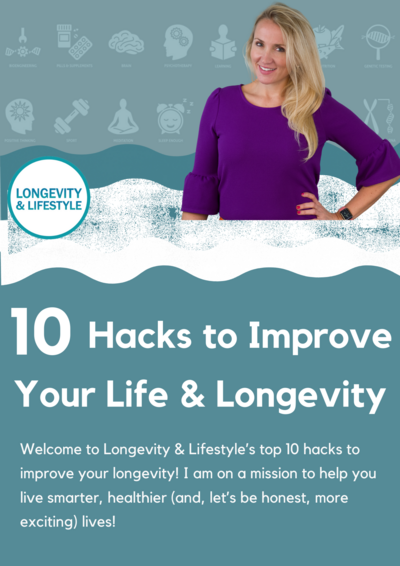
10 Hacks to Improve Your Life & Longevity
Want to learn how to live a smarter, healthier (and, let’s be honest, more exciting) life? Check out my free playbook with top tips just for you!
By signing up, you agree to join the Longevity & Lifestyle newsletter and to receive emails. We respect your privacy and abide by strict privacy policies.




LONGEVITY & LIFESTYLE
© Longevity & Lifestyle llc 2021 | Design by Tonic | Photos by social squares, Unsplash & Rebecca Reid
SEND ME A NOTE >
GET ON THE LIST >
@longevity&lifestyle
follow along: