#268 Dr. Edith Shiro — The Unexpected Gift of Trauma: Healing, Resilience & Post-Traumatic Growth
The Longevity & Lifestyle podcast
The Longevity & Lifestyle podcast
The Longevity & Lifestyle podcast

Episode 268
Sign up for
The Longevity & Lifestyle Insider
Join Claudia's Longevity & Lifestyle Insider newsletter to get top tips, insights and strategies on optimizing your life, health and business!
By signing up, you agree to join the Longevity & Lifestyle newsletter and to receive emails. We respect your privacy and abide by strict privacy policies.
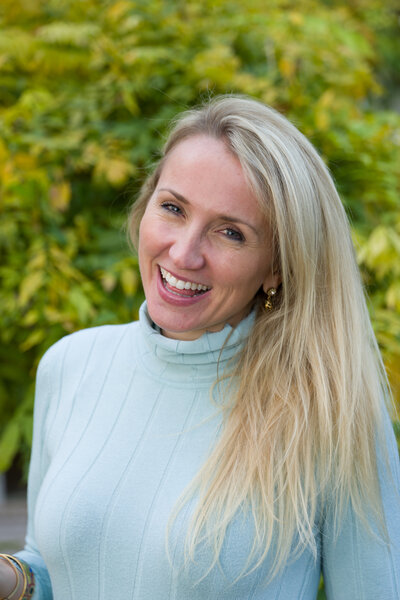

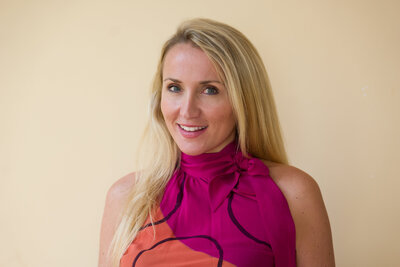
“The pain becomes the purpose, that the wound becomes the medicine.” — Dr. Edith Shiro
In this episode of The Longevity & Lifestyle Podcast, Claudia speaks with Dr. Edith Shiro, licensed clinical psychologist, trauma specialist, co-founder of the Trauma and Resilience Center, and author of The Unexpected Gift of Trauma.
Drawing on decades of clinical experience and her family history of Holocaust survivors and refugees, Dr. Shiro explores how trauma shapes our identity, relationships, physical health, and the beliefs we carry about ourselves.
She explains why healing begins with radical acceptance, how unresolved childhood experiences can influence our adult lives, and why human connection is essential to recovery.
Together, they explore the five stages of post-traumatic growth and how pain, with the right support and healing process, can become a source of resilience, meaning, and purpose.
We Explore:
- How Childhood Trauma Shapes Our Identity and Self-Worth
- Why We Develop the Belief "I'm Not Enough"
- How Trauma Affects the Body and Nervous System
- Intergenerational Trauma and Inherited Emotional Patterns
- Why Radical Acceptance Is the First Step Toward Healing
- The Five Stages of Post-Traumatic Growth
- How Unresolved Trauma Influences Relationships and Decisions
- Turning Pain Into Purpose and Personal Strength
- The Power of Gratitude, Connection and Emotional Awareness
- Why Healing Is Possible at Any Stage of Life
A meaningful conversation about understanding our past, reconnecting with ourselves, and creating a healthier future.
ABOUT THE EPISODE & OUR GUEST
Unlock peak energy, mental clarity, and long-term health.
If you’re an entrepreneur, leader, or high achiever who refuses to settle for burnout, fatigue, or suboptimal health - this is for you.
I help top performers optimize their energy, longevity, and success using science-backed strategies, biohacking, and personalized health protocols.
Book a Complimentary Peak Performance & Longevity Coaching Call
This free exploratory session will help you:
• Identify what’s holding you back from your highest potential
• Gain clarity on your energy, focus, and longevity goals
• Discover a proven framework for sustainable high performance
Spots are limited - apply now to reserve your session.
🔗 APPLY HERE
Peak Performance & Longevity Coaching Call
Show Notes
00:00 Introduction
02:03 How trauma became Dr. Shiro’s life’s work
03:58 Why some people grow after trauma
06:12 Why trauma lives in the body
08:42 Why trauma is relational
12:35 Radical acceptance and healing
14:53 Why we avoid painful emotions
17:06 What actually counts as trauma?
19:57 Big T, small T & intergenerational trauma
21:33 How the body carries unresolved trauma
25:04 How unresolved trauma shapes our reactions
26:32 What is post-traumatic growth?
29:10 Turning pain into purpose
29:33 How your wound can become your superpower
31:00 Claudia shares her childhood trauma
34:02 Reframing childhood beliefs
38:19 The power of gratitude
41:32 Psychedelics and trauma healing
44:33 Dr. Shiro’s book and work
46:21 Mental health as a daily practice
PEOPLE Mentioned
Products & Organizations
MORE GREAT QUOTES
“From the breakdown you get into the breakthrough.” — Dr. Edith Shiro
Legal Disclaimer: Please note, to avoid any unnecessary headaches, Longevity & Lifestyle LLC owns the copyright in and to all content in and transcripts of The Longevity & Lifestyle Podcast, with all rights reserved, as well as the right of publicity. You are welcome to share parts of the transcript (up to 500 words) in other media (such as press articles, blogs, social media accounts, etc.) for non-commercial use which must also include attribution to “The Longevity & Lifestyle Podcast” with a link back to the longevity-and-lifestyle.com/podcast URL. It is prohibited to use any portion of the podcast content, names or images for any commercial purposes in digital or non-digital outlets to promote you or another’s products or services.
PODCAST EPISODE TRANSCRIPT
Claudia von Boeselager: Welcome to another episode of the Longevity and Lifestyle Podcast. I'm your host, Claudia von Boeselager. I'm here to uncover the groundbreaking strategies, tools, and practices from the world's pioneering experts to help you live your best and reach your fullest potential. Don't forget to subscribe to the podcast to always catch the latest episodes.
Legal Disclaimer: Please note, to avoid any unnecessary headaches, Longevity & Lifestyle LLC owns the copyright in and to all content in and transcripts of The Longevity & Lifestyle Podcast, with all rights reserved, as well as the right of publicity. You are welcome to share parts of the transcript (up to 500 words) in other media (such as press articles, blogs, social media accounts, etc.) for non-commercial use which must also include attribution to “The Longevity & Lifestyle Podcast” with a link back to the longevity-and-lifestyle.com/podcast URL. It is prohibited to use any portion of the podcast content, names or images for any commercial purposes in digital or non-digital outlets to promote you or another’s products or services.
PODCAST EPISODE TRANSCRIPT
Claudia von Boeselager (00:00)
My guest today is Dr. Edith Shiro, a licensed clinical psychologist in Miami. She specializes in trauma, post-traumatic stress, and post-traumatic growth. She's the granddaughter of Holocaust survivors and Syrian refugees. That family history led her to ask not only how people recover from trauma, but how they grow through it. She's the co-founder of the Trauma and Resilience Center. She's the author of The Unexpected Gift of Trauma, which has been translated into several languages.
In it, she lays out a five-stage path: awareness, awakening, becoming, being, and transforming. I wanted her because growth after trauma is often promised and rarely explained honestly. So today we explore why growth after trauma is never automatic, what conditions make it possible, how healing, what we inherit changes our relationships, what it means for long-term well-being, and more. Please enjoy.
Claudia von Boeselager (01:28)
Edith, welcome to the Longevity and Lifestyle Podcast. I wanna use what we're talking about now actually as part of our conversation. Edith. Edith. Dale, perfecto, still. We were just speaking before
Dr. Edith Shiro (01:32)
You can call me Edit since you can pronounce it, yes.
Claudia von Boeselager (01:39)
the audience in espanhol entonces para los español hablantes. we have to figure out how to do multilanguage at some point, but
Dr. Edith Shiro (01:45)
We're gonna put subtitles
in Spanish.
Claudia von Boeselager (01:47)
You can do the subtitles,
but I think obviously it's more interesting to listen. I need to investigate with
Dr. Edith Shiro (01:50)
Yeah.
Claudia von Boeselager (01:51)
AI how to do it, but then obviously it's you talking but in a different language. So maybe I'll you know speaking Chinese or something at some point. Like knows?
Dr. Edith Shiro (01:57)
I know, I'm
figuring that out too, yeah. But we can do another one in Spanish. We can record another one in Spanish.
Claudia von Boeselager (02:03)
We can do another in Spanish. I love it too. And
maybe that's a good place to start, Edith. So where did it start in New York? And where people were like, Trauma and what are you talking about? And what is this? Because now it's like mainstream. I was just sharing from a few years ago, the word longevity, people were like, Well, what is it? What does it mean? And how do you even spell it? And these are native English speakers. So thirty years ago talking about trauma, like what was that like? Where was the world and what brought you to it, Edith?
Dr. Edith Shiro (02:25)
Yeah, the
the truth is that it really starts even before my time and this is why I talk not only about trauma in the present moment, but I talk about intergenerational trauma and
Claudia von Boeselager (02:35)
Mm-hmm.
Dr. Edith Shiro (02:36)
partly probably what it guided me to not only study psychology but to be so aware of what trauma is and means because my parents and grandparents are Holocaust survivors, refugees of war.
immigrants from all over the world. I myself also has been have been an immigrant from different places and asylum seekers. Yeah. And I've always been surrounded by somehow this topic of surviving for your life or really struggling in some way. And I've seen, three different kinds of people. I've seen people that
do really well and they recover. I see people that stay stuck and they are depressed and they develop PTSD And then I see another group of people that not only do well but they thrive and they do amazing. And I always wanted to ask and I continue to ask what really makes a difference and how come some people can do that, can get to that thriving place and really grow from those experiences and get gifts. So that's why I really focus so much on not only trauma
But post traumatic growth, which is all the positive effects that happen after trauma.
Claudia von Boeselager (03:40)
So I love that concept and I'm excited to dig into that And so walk us through a little bit that process of uncovering it. Was it just out of curiosity of seeing some people thriving and then researching it, studying it, or what was that journey to uncovering how people can actually thrive despite the trauma?
Dr. Edith Shiro (03:58)
Yeah. partly was really studying a lot about it and partly was my life experiences, not just professional in working a lot because I spoke Spanish and other languages. I was living in Boston and New York and dealing with people from all over the world. I was working at a clinic of torture survivors. I would come from Africa and from Asia and from Latin America and doing really work like that.
and I was always curious, you know, what are the defense mechanisms that allow people to really go through life after such difficult events? And what are things that make people want to continue to live? And how is it that people can transform and shift the way they think, the way they make choices? I think from my personal experience, not only me being an immigrant of in different places and having this
sometimes microaggressions that happening because of being an immigrant or experiences of discrimination or my family having gone through what they went through. But also I've been in moments where collective trauma has happened. So for example, 911 in New York. So I was not only running for my life, but also was working with the Red Cross that night and throughout the week and the next few months after, right? It just happened
Claudia von Boeselager (05:15)
Wow.
Dr. Edith Shiro (05:16)
recently. So
It's a good reminder. I learned so much from that. Then another collective trauma happened, here in Miami, the surfside collapse, the building fell. So I was working with the survivors of that. you know, in the Middle East with the war in Venezuela with this twenty-eight years of dictatorship and so many collective traumas. So I've always seemed to be somehow connected to this collective traumas that allow me to learn so much,
Claudia von Boeselager (05:44)
And to support people
right? I think it's part of your destiny of this lifetime, right? I'm sure it's like that as well. It's a calling too. First of all, thank you
Dr. Edith Shiro (05:48)
yeah, yeah, yeah, it's a calling, yes, yeah, yeah
Claudia von Boeselager (05:53)
for the work that you do because it's so needed. And there's a great book, I think you probably know, like the body keeps the score. And I think that's something that I had to learn along the way need to address it, you need to work through this because it will impact also your health, your physical health. by suppressing those emotions.
Can you walk us through that a little bit and share what you've understood from that perspective? Mm-hmm.
Dr. Edith Shiro (06:12)
Of course, you know, I
had the privilege of being in New York when all these books were w being written. So Bessel Vanderkock was one of my teachers. And along with Peter Levine and Pauline Balls and there was a movement that was really separating from
psychoanalysis that it was so much in the head and saying, okay, we need to bring it down to the body as well. And all the expressions of trauma that we know are really connected to all of us as a whole. You know, we cannot separate one thing from the other. That actually is called dissociation, which is one of the mechanisms of defense when we are going through something difficult. So we don't want to go through life dissociated.
We don't want to go through life disconnected from ourselves. We wanna be able to integrate. We wanna be able to stay connected with ourselves because that's what health means in some ways. And that's the opposite of what trauma is. Trauma disconnects, dissociates, polarizes, fragments, shatters parts of ourselves, right? So the healing of that and the recovery of that and the transformation of trauma is actually.
being able to stay connected and conscious of who we are, right? And I think that's partly what the work of trauma and the way that I work with trauma is not just okay, something that happened, but it's the shattering of the belief systems that we have of who we are in the world, of how we relate to others and how the world functions. And that we don't have the coping mechanisms or the resources to deal with it. So healing
is being able to connect all of that and that means connecting with your body and that means connecting with your health not just you know in your head but everywhere and not just in you but also in your relationships with others. For me trauma is relational and the healing of trauma is relational too. So how we relate to others, how our relationships are have everything to do with healing trauma.
Claudia von Boeselager (08:12)
really like that. Let's dig into that. how is it relational? Because we think typically trauma is something inward, right? It happened to us. And especially if we feel that victim mentality and it's our story and it makes us our story and this is who we are and this happened to me and that sort of victim mentality. And so walk us through that and then why is it relational and how we interact with others? Because I think this could be really such a key
point and how we show up in the world and then essentially how others react to us and how we react to others, right?
Dr. Edith Shiro (08:42)
That's true. So so yes, this is a way of understanding something that happens to you and saying, I am the victim of what happened. It's partly because the way that you understood yourself from the beginning, you know, the beliefs and values and understanding that we have of ourselves when we go through something very traumatic. It can be one event or it can be an ongoing event. It can be you had parents that were
neglectful or aggressive or were absent or it can be that you had the death of a loved one or it can be that you had you were bullied or it be that you know so many think of you know poverty or oppression. There's so many examples according to me, I think we all go through some sort of trauma. So that in some way, what it does is that
it takes away that innocence of what you thought that the world was perfect, that you weren't perfect or your beliefs. So if I believe, for example, that marriage is forever and then I get divorced, my belief of what marriage is, of what relationships are, gets shattered, right? So part of that is you can stay in that place of being a victim, saying, This happened to me, I'm hopeless, it's the end of the world, the pandemic happened, it's the end of the world, you know
Or I have a chronic disease and it because it's chronic, there's nothing to do. So yes, that does happen and it's very, very painful to go through that. Or we can choose to say, what is in here? What's the opportunity here for a transformation, for to see other possibilities, to open up for something different. and that's why when an event happened, it doesn't just happen to you, but it happens to you in relationship to others. So if
you have a family member that is diagnosed with some kind of illness, it affects them, but it affects the whole family, how the family organizes, how the relationships go on, how you relate to one another. If a kid is being bullied and he goes home and he says, listen, I'm being bullied in school or I'm being treated badly
The reaction of the parents has everything to do with how traumatic is the event. If a woman is abused and then she doesn't have the support system around, it's not just the abuse that it's traumatic, but it's the reaction of this of the system, of the society,
Claudia von Boeselager (10:56)
Mm.
Dr. Edith Shiro (10:56)
of the community that is happening, that is making a huge impact. You know, because it's not the same to be
let's say an abused a woman that experienced abuse sexual abuse in Pakistan than to have to a woman that means sexual abuse in the United States. Right? the level of support or the understanding of how you can talk about it or the reaction of other people or how you're being seen. It's not the same to be a homosexual man in the United States that to be a homosexual man in the Middle East. You know, like there's differences in how
the relationships are being seen. also getting old, you know, there are some countries that getting old is treasured and is respected and is honored, right? And saying, wow exactly. The elders are
Claudia von Boeselager (11:41)
Like you see in the blue zones, right? It's multi generational, their elders are w have wisdom. Yeah.
Dr. Edith Shiro (11:47)
the wisdom. You go to the elders, everybody pays respects. There are other countries and other cultures where elders are seen as the obsolete
They're invisible. So you see it's not just the event itself, but how it affects the relationships around you. How those relationships around you are bringing shame or pain or fear. And that really affects the healing of the whatever trauma you're going through.
Claudia von Boeselager (12:13)
And so question around that, because obviously one cannot influence essentially the environment around you. I mean, yes, you could, search out the right people that could support you more, but there is it's to a certain limitation. So how does one who's trying to recover maybe from a traumatic experience ensure that they are putting themselves in the best environment to also be able to heal?
Dr. Edith Shiro (12:35)
Absolutely. I love that question because my book, The Unexpectative of Trauma, is precisely that. It's really taking you through the five stages of how you get from trauma to actually getting the support. So before you even begin to ask for help, there's one step that is extremely important, which is the step of radical acceptance. And that means that really connecting with yourself in some way and saying that I radically accept that.
I'm depressed, or I'm addicted, or I am shattered, I am helpless, or there's something going on with me that I'm in this loop repeating over and over the same behavior and I can't get out of it, or I see that I'm self-destructing because I'm sabotaging my life, or there's some conversation that goes on with ourselves at some moment in life where the pain is so
difficult when when there's so much pain that you you cannot tolerate it anymore or when you see that you're so tired of repeating the same thing over and over there it requires a pause and say okay let me just be brutally honest with myself and just say to myself what is it that is happening and once we do that then there's much more consciousness and awareness to say okay I need help
Or I at least I need to share this with somebody else. Or let me see how I can get some sort of support. So that's the second stage of looking for support. And the looking for support or expressing this with somebody else can be your mother, it can be your best friend, it can be a therapist, of course, it can be a group that you know, a support group that you have, it can be your yoga teacher, it can be a retreat that you go to. the important thing is that it's with a person or a group of people.
that are actually gonna validate how you feel, that are actually not gonna judge or criticize or give you solutions. just do this, just
do that, but actually can sit with you and listen. And really,
Claudia von Boeselager (14:30)
Mm-hmm.
Dr. Edith Shiro (14:31)
really, really listen and validate whatever you're saying and recognize and accept what you're saying. And that's already super healing to be able to do that.
Claudia von Boeselager (14:40)
To feel listened to and heard And
Dr. Edith Shiro (14:42)
Yeah.
Claudia von Boeselager (14:42)
part of my journey, as we all have in our lives is learning to also sit with the emotion and feel the feeling. why is that so important would you say?
Dr. Edith Shiro (14:53)
Yes, that's that's very, very important. And usually we cannot do it on our own and by ourselves. And that's why having the other that relational healing moment is so important because it's being able to stop the avoidance, the denial, the running away from the pain, which is normal. And of course we all wanna avoid feeling discomfort or not having to feel so much pain.
And we develop all these like tricks, all these, you know, ways of saying I'm not gonna feel it. I'm gonna dissociate, I'm gonna disconnect, I'm gonna pretend it's something else, let me just be on Instagram all day long, or let me go shopping, or drink, or you know, there's so many things that we do. We eat eat, there we do so many, have sex all day long. Like we develop these things it precisely not to feel. So imagine what it's like.
to say I am willing to stop all the mechanisms that disconnect me from myself and sit with the feeling for the first time. And really sit, we call it sometimes sit with the shadow, sit with the that very thing that it's so painful that we kept avoiding. Because that's where the wisdom is. You know, there's some Joseph Campbell, he's he he talked about the journey of the
Claudia von Boeselager (16:09)
Hero's journey.
Heroes journey, yes.
Dr. Edith Shiro (16:11)
The yeah, the hero the hero,
the journey of the hero. And he said you go into that dark cave, you know, because that's where the treasures are. Yes, it looks like dark and it looks like a cave and it's so scary, but that's precisely where the treasures are. So that's why we have to sit with our feelings.
Claudia von Boeselager (16:30)
And
the gold is at the other side despite it being very painful and counterintuitive for sure to do it. So yes, it's a journey.
Dr. Edith Shiro (16:35)
Exactly.
Claudia von Boeselager (16:37)
I'd love to also help people understand what trauma is, and there's different definitions. Cause I think there's probably some people listening, like, I didn't have it that bad. It's fine. I don't really have trauma. Sweep it under the carpet, sweep it under the carpets.
Whereas other one might be, this one thing happened to me and that becomes their story. How do you define trauma? And at what point do you think or to what degree or extent does it need to be in order to really spend time trying to heal and process it?
Dr. Edith Shiro (17:06)
Yeah, no, the healing of the trauma can happen at any time for anybody, no matter how big or small the trauma is. So that's
very important to know. Trauma can be a big T trauma or a small T trauma. And the way that I define trauma obviously it it started in the nineteen eighties where we took it from the physical trauma of breaking a bone into the psychological trauma.
And it started by really defining it in in soldiers and veterans of war. But now it's, we've developed it so much and the way that I define it's much much more expansive. So it's anything, like I said before, anything that shatters or break your belief system, the way
you understood yourself, you understood the world, you understood the other, it gets broken, gets shattered. It's like, the world n doesn't work like that.
I am not like that. my parents were not this way. Or, or I can no longer trust, I can no longer, you know. So all the values and beliefs that you understood of yourself get shattered. And a lot of these wounds are very much invisible. These are not always so obvious, right? And the
Problem with that is that we don't have the tools. What makes it a trauma that we don't have the tools or the resources to deal with it. So we're left in this limbo place that says, I'm hurt, I'm in pain, I'm wounded, and I don't know what to do with that. and not only I don't know what to do with that, but the relationships around me, the people that take care of me, or the people that are close to me, or my intimate relationships, are also part of the problem because either I'm being ashamed.
Or they treat me badly, or they don't understand me, or they reject me. So all of that is what creates the trauma. And
that's really why I want to expand it. And it's not just individual trauma. The way that I talk about trauma is very much systemic and very much collective because I don't just see the individual by himself or herself, but it's in relationship to others in the context. That's why I say it's not the same to be traumatized in one context.
culture in a different culture, it's not the same to be a woman or a man, it is not the same to be older or younger, or to be poor or rich, you know, older or white or black. You know, these are all variables that determine the severity of the trauma.
Claudia von Boeselager (19:22)
And I would say like any sort of trauma needs to be validated, right? But then, with those different maybe tools in terms of if it was someone who was at nine eleven, right, versus I don't want to give an example of something that might be lighter because everyone experiences, I guess, trauma in a different way But let's
Dr. Edith Shiro (19:37)
Yes.
Claudia von Boeselager (19:38)
talk about some of the tools and strategies. What would you like people to know? Like where can they start with if maybe they don't have the resources or access to leading therapists like yourself?
What are some things people can do either, directly after a traumatic event, maybe they were in an accident, something that, or witness something very
traumatic? where would you like people to start with?
Dr. Edith Shiro (19:57)
right. I wanna also remind people to say it's not just an event that happens that it's so obvious, like for example the death of a loss of a loved one or an earthquake or, you know, a pandemic, right? But it can be also little microaggressions that happen or or
An ongoing abusive situation that you're not even understanding that you're part of, or a childhood experience of neglect or abuse that has consequences as an adult, or experience of migration that you go from one country to another, and then it it really stripes you from the your basic sense of security, or caring.
trauma from generations. For example, alcoholism in the family that goes on and on from generation to generation. Or sexual abuse, which I see a lot. The the grandmother seeing and the mother seeing and then the daughter and then the granddaughter and it keeps repeating. Or an experience like my family, for example, of being in the war, you know, and going through, you know, being refugees and running for your life. That you really stays in our bodies and it's register in our bodies, even if we didn't have the experience ourselves.
Sometimes we carry sometimes we always carry that information in our DNA and in our our cells in the body. And then we have reactions that we don't even know where they come from. and they are disproportionate to the event that is happening.
Let's say that there's no light, you lost your the lights went off and then went on again. And a blackout.
Claudia von Boeselager (21:31)
Yeah. A blackout or something. Mm-hmm.
Dr. Edith Shiro (21:33)
Or it might trigger a memory of being at war in the past and then you
start collecting, all kinds of food or reacting in a different way. Or, you know, there's a war on the other side of the world and then you react over here. Or, you know, your friend got divorced and all of a sudden you start getting all shattered and
And trigger then start reacting in ways that and passion ways
that you can't even imagine. So all of that is information. So my invitation
always is to tell, to say to people, just listen to what your body's telling you and just
be curious about how come you're reacting in this way, how come you're having such strong feelings about that person or about that place or about this event? Because it gives you information about who you are, it gives you information about what's happening with you.
And it gives you the possibility to really sit with that. And maybe it needs it requires some attention and some healing. So that's why I always start with the first step of this radical acceptance of really sitting with yourself and really paying attention to what your body is telling you, to what your mind is telling you, to the feelings that are coming up, to have to be courageous enough and to be yeah, to have the courage to really do that because it requires a lot of courage to do that.
And you don't necessarily need a professional to talk to after that, but you need to really be able to share with somebody and say, look what I just discovered or let me share with you how I'm feeling or what's happening with
Claudia von Boeselager (23:45)
To process it and when we mentioned the blackout, it reminded me in I was in New York doing an internship at the time in July twenty twenty-three and there was the blackout. And I
was on Sixth Avenue, I was working on the forty sixth floor and a group of us had to walk down. And of course,
Dr. Edith Shiro (24:04)
Wow.
Claudia von Boeselager (24:05)
you know, I mean the whole Sixth Avenue was packed up
the traffic lights weren't working. talk about gridlock and millions of people
Dr. Edith Shiro (24:10)
Yeah.
Claudia von Boeselager (24:11)
out on the street trying to figure out how to get home and all the rest of it too. It was
an exceptional time. And I still remember there was one woman in our group that was like so convinced that this was another 9-11 attack. And you could tell that she had not
Dr. Edith Shiro (24:24)
Yeah.
Claudia von Boeselager (24:24)
processed the trauma from nine eleven because the cell phones weren't working, she was so certain and she thought we were all gonna die, et cetera. And
In our group were two highly pregnant women, and they were trying not to end up giving birth on the stairwell and stuff. So we're trying to get
everyone to calm down. Thankfully, I wasn't the team leader, I was the intern in the group and on all the rest of it. But it was very interesting to see the different reactions and how that unresolved trauma triggered straight away. she knew it was another terror attack because of it.
Dr. Edith Shiro (24:53)
Yes.
Claudia von Boeselager (24:53)
Afterwards, of course, it was a blackout and and all the rest of it And so
It's that perception of events and what the unprocessed trauma will cause you to go to, I guess, first of all.
Dr. Edith Shiro (25:04)
a
that's a perfect example of that kind of disproportionate reaction that comes from someplace else. And that someplace
else is the unresolved trauma that you might have had one year ago, but you might have had, 30 years, in your childhood or in the past generation. So it's somehow registered in your body and it has now been become conscious and aware. So really the
A lot of the work that we do and the the work of healing has to do with bringing into awareness, bringing into consciousness. A lot of the things that are being registered in ourselves and that are guiding us, that are guiding our decision making, our guiding us, our reactions, are also guiding the way how you choose a partner in life, what kind of a work that you want to do, where you what kind of friends you choose, or who are your relationships.
All of that, believe it or not, the your traumatic experiences have some influence. And then if they're unresolved trauma, it has some say into how you make those decisions.
Claudia von Boeselager (26:06)
And you also talk about growth after trauma and that there's a gift in trauma. So can you explain that a little bit more for some people who might be thinking, what is she talking about? How is this a gift, right? And I agree with you, by the way, and I've learned
to learn that and to see that had certain events not unfolded, even though at the time they were very uncomfortable and not something that I wanted, it allowed me to grow as a person and experience different things But please share it.
Dr. Edith Shiro (26:32)
I appreciate you saying that and I would love to hear more about that example that you started to say a little bit because it's
Claudia von Boeselager (26:38)
Same.
Dr. Edith Shiro (26:38)
not something that I invented, but this is what I see over and over and over with my patients, with the groups that
I work with, with the families, with the communities that I work with, in which going through a process because it doesn't happen in one day and it doesn't happen automatically, you have to go through this process and I describe it in my book. it's that
positive consequences that going through this process of healing the trauma, you can really receive and you can really experience not just about yourself, like this sense of like being stronger, but also more meaningful relationships, stronger sense of self, maybe sometimes even like a clarity in what your priorities are, what is important and what's not important.
What is your life purpose? A lot of the time people really go through these traumatic experiences and they come out on the other side saying, I know why I survive or this is my life purpose, my mission in life.
Claudia von Boeselager (27:32)
Well, like you, right? you've gone through many
events and now you can relate to your clients probably very well, right? Yeah.
Dr. Edith Shiro (27:38)
Absolutely,
absolutely. this is even before I knew it was even more unconscious because it's I started to do that even before I connected all the dots, you know.
Now thirty years later I can connect the dots better, but even before I knew exactly where it was, it was already happening. and some people become much more spiritual and they're more connected, they have more appreciation for life, which goes to really longevity, in the sense that you really are more present in your life.
And we learn from not just the blue zones or the studies at Harvard of longevity and happiness. I work with the World Happiness Foundation. We always say this in the happiness world that it's in the relationships that you have, in the gratitude for life, in the things that you really how you're present in your life that you have a happier life, a long longer life, and a healthier life, right? With more liberty, more freedom.
So this is what you can get out of trauma and that's why I put the word gift and the word trauma in the same sentence, you know.
Claudia von Boeselager (28:40)
I love it. And thank you for elaborating on that. And I'm happy to share a little bit also. And just before I do though, I love obviously Victor Frankel's book. I'm sure you're very familiar with Men's Search for Meaning and Purpose. An interesting podcast conversation last week where we were talking about purpose and finding your purpose and the importance of that. How would you define purpose as that gift or helping people to make the correlation between
The trauma, the learning and finding purpose.
Dr. Edith Shiro (29:10)
Yeah. Tell me if this resonates with you and I would love to everybody that is here listening to this is I always talk about that the pain becomes the purpose, that the wound
becomes the medicine. And from
the breakdown you get into the breakthrough. It's really
the shadow in you that really guides you towards the light. You know, so this th those are direct
Claudia von Boeselager (29:32)
Love it.
Dr. Edith Shiro (29:33)
lines and
I talk to my patients and to the people I work with about how that wound and that pain that you have becomes your superpower. Because that is precisely what you develop to say, wow, this is so painful, this is so difficult. In order for me to survive it and to transform it, you become so good at it. And you all of a sudden can see. And people that have gone through this process and get to post-traumatic growth.
are the ones that then later become the leaders in the community. For example, the person with addiction becomes the mentor that guides all the other people that are going through addiction. The woman that, some so many of my friends that are sexually abused as children, now they have a foundation and they have a movement and they have a book about, sexual abuse and they help so many women. the person that goes through a
difficult childhood because they had parents that were abandoned. They all of a sudden become a the best parent in the sense that they're so aware, they're so conscious, they're so great with the children. They open a school, you know. So all these things are such direct correlation. And this is how you transform the very thing because you did it yourself. Like you healed it yourself. So not only you want to heal it, but you also want to teach it to others and you want to give it to others as well.
Claudia von Boeselager (30:50)
Beautiful. I love that. Pain to purpose resonates a hundred percent And I think part of what I'm doing here with the podcast is also because the pain of seeing my mother, who was a shining
light and literally had probably one of the most amazing memories. She could recognize in a flash, in a crowd, thing Christmas time, New York City, in front of Sax Fifth Avenue, she would spot someone she hasn't seen in 20 years, instant recognition, instant name recognition, and remember the last conversation, she would scare people. She'd be like
Last time we spoke, your wife broke her leg. how is she? And they're like, How do you remember that? she would they would literally terrify them. And then she's the one who got Alzheimer's. And so the gift in her disease is that it propelled me into this space and wanting to help so many other people not suffer, like not only she did, but obviously the whole, as you said, family and friends, seeing her decline, seeing her shining light just fade away So that's one message, and I think for me also.
In my journey was, a living group born in New York, was in school there, super happy, thriving, great grades and sports teams and all the rest of it, at a very old girl school, ask questions, have a voice, have an opinion, to going to a boarding school in Ireland at the time, which was like going back 200 years in time. And it was just so counter to what I had known or thought. And so if I was asking questions like,
in New York were using computers already to do our homework and there was a computer lab, but it was closed. And I ask why? And they're like, You're being rude, detention. And I'm like, sorry, why are you giving me detention? Rude, double detention, triple detention. So getting up at five AM, copying the newspaper for two hours to be torn up in front of my face, and then I was told to start the day. talk about killing any sort of motivation I mean, I laugh about it now, but it was quite
Dr. Edith Shiro (32:34)
Wow. Wow.
Claudia von Boeselager (32:35)
Not just traumatic at the time, but also I wanted to go back to New York, but my sister was also there. And my parents were like, no. And so I made the meaning, the story as a twelve year old. My parents,
Dr. Edith Shiro (32:42)
Wow.
Claudia von Boeselager (32:46)
don't love me. They're abandoning me. And
so that was like for me a very again, it's like your belief systems. What do you make it mean? And obviously as a twelve year old, you're not not able to process everything in a the most rational way.
And so it was quite a many years of this trauma of actually believing that, I parents didn't really care and all the rest of it too, and some other things with eating
Dr. Edith Shiro (33:06)
Well.
Claudia von Boeselager (33:06)
disorders and stuff And so later on through the work that I did and speaking with an amazing life coach who's, trained neuroscientist, et cetera, is like, well, what was the gift, as you were saying, in that experience and you know, having those profound deep emotions? And it said, I realized that it allowed me to be a much
deeper person to connect to people in a very deep way. I'm, extremely empathetic, sympathetic, two different people and having such respect for people who go through different experiences from different walks of life, etc., that probably if I stayed living in New York City and happy, clappy life,
I probably wouldn't have. And I've met so many incredible
people around the world and I have such respect from everyone who
cleans the streets to this, I think you can learn from every single person. So these are so many gifts that have come out of it, even though the experience at the time was horrible and really sad.
Dr. Edith Shiro (33:56)
Mm-hmm.
Claudia von Boeselager (33:56)
And, sometimes ugh, if I could avoid it. So a little bit sort of how that trauma was converted.
Dr. Edith Shiro (34:02)
Yeah, thank you for sharing that. That's very moving. And at the time, you know, it's almost like we have compassion for that twelve year old girl who did the best that she can and she was telling the story the best that she could, right? At the time, this is what children do, because we have
Claudia von Boeselager (34:19)
Isn't it?
Dr. Edith Shiro (34:20)
to fill in the gaps. And there it's not possible that your parents are wrong. At that age, when we're in our childhood.
We see our parents and the adults as always knowing what they're doing and have always been right. So if they're wrong if they're right, I'm the one that is wrong. And I'm the one, there's something wrong with me. I'm not lovable. I'm not, you
Claudia von Boeselager (34:39)
Yeah. Mm-hmm.
Dr. Edith Shiro (34:40)
accepted. I'm not, you know, I'm not good enough.
Claudia von Boeselager (34:42)
good enough or whatever. Mm-hmm.
Dr. Edith Shiro (34:44)
Exactly. there's something that I have to do in order to be accepted or I'm not doing enough. I'm not being enough. I'm not and you know, each of us can find that sentence that we all carry somehow.
And what do we do with that, right? Because it's first recognizing that this is the belief that we're carrying. And then how we transform that into saying, No, I this is what happened actually, and I am enough and I can transform this into becoming the woman that I wanna be. And not just healing myself, but also helping other people so they don't go through that. And that's why that empathy and that compassion is so well developed.
when we go through something difficult because we know, right? We went through it and we know what it feels like to be abandoned, to be neglected, to be ashamed, to be so it's like, okay, other people can feel that too. And that to me that's a gift that, nothing else can give it to you. Right. And that's why I have a lot of people that say to me, I know this is it's a crazy thing, but it I always see it over and over. It they say, what happened to me is so painful.
But I would not change it for anything in the world because it made me the person that I am today.
So yes, it was painful to be a firefighter in nine eleven in New York, but the man that I became because of that is it's a completely different human being. Or, and I have so many examples like that when I hear that sometimes it makes me cry because, you go through so much. I have a woman that is
lost her child in the bicycle here on the street. Yeah. And she's become this spokesperson for supporting families and developing a program for children. And she goes all over the world to teach and she's become this amazing woman. Amazing.
Claudia von Boeselager (36:27)
Amazing.
Dr. Edith Shiro (36:28)
So this is what happens.
Claudia von Boeselager (36:31)
And I think that that is, as we were saying before, for people to realize if some sort of traumatic event or multiple traumatic events have happened, look at see is that how do you make that part of your purpose and what you do and what you give back to the world in part of your healing journey Because I think it is, as a human, so healing to be able to help someone else who is maybe suffering and has gone through something similar or in any form of suffering to, help.
yourself at the same time because I do believe that purpose is not about serving yourself. It's actually what you can do in service of others. And that will help make the world a better place The more of us that can do that, right? So we need our health and we need to be in a good place so that we can do that. And it's also doing the work, right?
Dr. Edith Shiro (37:10)
We need longevity
so we can help more people. Yeah, I also believe that. Purpose has always is always connected to serving others and to being in service in the community. So at least that's the way I see. That's why I want longevity and I want to look young and I want all the amazing things that are, the biohacking decision, whatever needs to happen, so we can continue to do this for a long time.
time, you know. And I yeah,
Claudia von Boeselager (37:33)
To do the amazing pigs of them. Mm-hmm.
Dr. Edith Shiro (37:35)
and actually enjoy it, you're right, because what's the point of going through the all of this and not being able to connect with joy and to connect with pleasure and to connect with really playfulness and freedom which some of us have the privilege, to have that freedom and that joy and really how we can bring that into the rest of the world, which is another thing that I'm very focused on is saying, okay, since we have it
how can we bring it to others and how we can make more and more of humanity to really be that place of of
consciousness.
Claudia von Boeselager (38:06)
So beautiful. And I wanna pick up on the point of gratitude that you mentioned before, which I think is
so fascinating. There's also scientific research on it. Why is gratitude so important? What do you want people to know?
Dr. Edith Shiro (38:19)
Yeah, there have been studies that are fascinating in terms of when people are receiving something. there was an an experiment in which there were a group of people that were put on the phone to say, Call somebody and thank them for what they did. Somebody in your life that you know and just thank them for for what they did. and so they can feel good and they were measuring the levels of happiness and
well-being in both in the person that made the phone call and the person that received it. And the people that were in gratitude, the people that were actually doing the gratitude, the levels were higher than the ones that were receiving because being in gratitude not only just allows you to develop, dopamine, serotonin, all these hormones and all these neurotransmitters that makes us feel good. That's actually there's a physiological reaction to gratitude.
we're connected to something that is wellness and well being in our life it it brings the measure the the message in our body that things are okay. So even in the middle of something difficult, if we take five minutes, ten minutes to write something or to think about three things that you're grateful for. And it can be that I'm breathing, that I'm looking that the sun is out, that I have a roof under my head, you know, that that kind of thing.
It already sets your body into a place of like, I can relax. There's something good coming in. though these neurotransmitters of dopamine, serotonin, oxytocin, which are the the pleasure sort of hormones, make you feel a little bit better. It reduces the levels of stress. And it really it sounds like magical, but it is. This is how it is, because when our brains are in focus into the dangers.
And our focus on the what's wrong with our lives, our nervous system gets set into survival mode. And in survival mode, what we do is constantly be hyper-vigilant and look for danger and be ready to fight or ready to flight or ready to freeze, that requires a lot of energy and it's exhausting. When we shift that into feeling safe and being like,
I'm grateful that I'm alive. I'm grateful that I'm breathing. I'm grateful that I can eat. I'm thankful for you to be here with me. I'm thankful that I, you know, that I can appreciate. So this professor of happiness says, what you appreciate appreciates. Like what you focus
on grows, right? So if
you're being in gratitude and you're focusing on what's good and you're focusing on what you have in life or what you makes you feel good.
that continues to grow. If you're focusing on the negative, you're set into survival and into defending yourself. So
Claudia von Boeselager (41:01)
And I think that's one of the keys also of that shift in mindset and that neuroplasticity of making sure that the superhighway is towards looking for what's good versus always looking
Dr. Edith Shiro (41:11)
Yes.
Claudia von Boeselager (41:11)
for the problem. And and for some it's easier than others, and it's training and it's like training a muscle So before we finish
up today, either I'd love to touch also on
mental health I guess in general and also what you see happening. I don't know how familiar with, even the psychedelics renaissance as well and helping to treat things like PTSD, etc. What are your views on that?
Dr. Edith Shiro (41:32)
yes. I've been invited to talk at a different conferences on psychedelics. I was just meeting in New York with one of the big names in psychedelics, Rachel Yehuda, amazing woman that I know for many years. and
in my clinic here in Miami we have we work in collaboration with a psychiatrist that also work with psychedelics. One I have a an important way of looking at this, which is I don't believe that this can be used recreationally for random, like it has to be done with intention, with a context, a clinical context.
with integration after
with pre and post. So all of this I think it's important. It's a requirement. It's like the context, the the setting. The set and setting I think are crucial.
Claudia von Boeselager (42:14)
The set and setting. Yeah.
Dr. Edith Shiro (42:18)
And we know through so many studies that are coming out now how psychedelics is a very good option for depending for whom, not for everybody, and not for every
Claudia von Boeselager (42:28)
Mm-hmm.
Dr. Edith Shiro (42:28)
diagnosis. But we're seeing amazing results.
And I think it's important to see what is that every case is unique, every person is different. And but we do know that if it's used properly and if it's used in the right place at the right time with the right person, it can make a huge difference in the person's lives. And some the diagnosis and like post traumatic stress disorder that is being used on, some depression,
And other it it's been experimented with other things as well. But I think with post traumatic stress disorder, especially in certain traumas, the f you know, it it allows to open up to be able to process the trauma and to be able to heal it better.
Claudia von Boeselager (43:09)
It's really powerful. Yeah, I've had different experts on who work either with ketamine, but also in Mexico with ibogain, which is really interesting also from the research. unfortunately he's passed, but Dr. Nolan Williams around the neuroplasticity benefits of ibogaine, for example, in one sitting can reverse the brain aging by a year and a half. So you have the sort of two sides
Dr. Edith Shiro (43:28)
well.
Claudia von Boeselager (43:29)
of the stick And then recently an Imperial College London
PhD candidate on five MEO DMT, which I think is fascinating, very, very interesting also obviously psilocybin and just the results, if you look at that versus the SSRIs. you can't even compare. Do you have
efficacy and everything and understanding a little bit about Nixon's war on drugs and why we're almost brainwashed to think how negative it was, whereas neuroscience and the scans and things are showing the actual benefits around it too. So
Really, really
fascinating space. And again, not for everyone. It needs to be done in the right set and saying with the practitioner, et cetera. Yeah.
Dr. Edith Shiro (44:01)
And also, of course, like everything else, we are seeing some of the addictive behavior that can come with that So, being mindful, like people are getting into microdosing and using it for, thinking that it's that they're using it in a clinical way or in a healing way and not necessarily. So, with everything else, it has to be very, used in a very conscious way and really
with a professional help, that I would say for sure. not to do it with
Claudia von Boeselager (44:24)
Yes. Yep.
Dr. Edith Shiro (44:25)
professionally. Yeah.
Claudia von Boeselager (44:27)
For sure. where can people find your book and your work? Where would you like them to follow you either?
Dr. Edith Shiro (44:33)
Yeah, so this is my book, The Unexpected Gift of Trauma, The Path to Post Traumatic Growth. it has all the five stages and has exercises. It has explanation of what is trauma, what is post-traumatic growth, and it it takes you through a whole people are have been loving it, having it and even recommending it to other people that are going through something difficult, family and friends. and it comes actually
I have it here with a workbook now that just
Claudia von Boeselager (44:59)
great.
Dr. Edith Shiro (45:00)
came out. it allows you to take this as almost like a journal that you go through all the stages and it helps you navigate it and you can you know there are QR codes with me talking and other exercises to do and really explains it really well as well. and of course you can find all of this on Amazon. My book is published so
they sell it actually in London at bookstores, in any bookstore here in the United States, on Amazon, everywhere in the world. It's translated into twelve languages, so you can find it in any language that you that you want. my website is www dot dreditshiro.com, so dr edit shiro.com. I also have a certification for mental health professionals.
that are interested in in training and post traumatic growth so they can join in the community. I also have a whole group of healers in which we help people in in crisis situations, in earthquakes or war or different things like that. So a lot going on and always I'm always happy to be, connecting with people on Instagram and on Facebook and join the community or really checking out the book. So I
Being in conversation. I love it.
Claudia von Boeselager (46:12)
Beautiful.
What do you want listeners to take away from our conversation today? Any advice or parting thought or message?
Dr. Edith Shiro (46:21)
For sure, yeah. One is that, what the question that you ask about mental health. I'm very happy that these days, in the last couple of years, mental health has taken a priority and has come to the forefront, because it was neglected for many, many years. so the message is do not take mental health for granted, like invest in your life every day on your mental health. It's like going to the gym for your body, you go to the gym for your head too. Like being therapy, work on it.
deal with it, heal it. And I always say this that it's really do it in relationship to others. So the connection with the other is what heals is instead of being in isolation, is being in connection and today in the day that we that the societies that we live today and the culture that we live in, this idea of being connected.
through technology is not really the connection that the human being needs. We are social beings. We need the looking into the eyes. We need the hugs. We need the the emotional the exchange of energy. So that is necessary and we and that I'm sure contributes to longevity. And you can tell me more about that. But so do not overestimate like really put that as a center, as a priority in your life to stay connected.
to healing community, to give space for your mental health to be into it and take care of it. So that's my message.
Claudia von Boeselager (47:46)
Beautiful.
Thank you so so much for coming on today, for sharing your wisdom. I think so many people are suffering. So this is such an important and necessary topic. So really delighted to have you on. Thank you for taking the time.
Dr. Edith Shiro (47:58)
Thank you so so much, and we I'm sure we'll continue talking. Thank you for the invitation.
Claudia von Boeselager (48:03)
My pleasure.
I’m Claudia von Boeselager
Longevity Coach, detail-loving educator, big-thinking entrepreneur, podcaster, mama, passionate adventurer, and health optimization activist here to help people transform their lives, and reach their highest potential! All rolled into one.
Hey there!
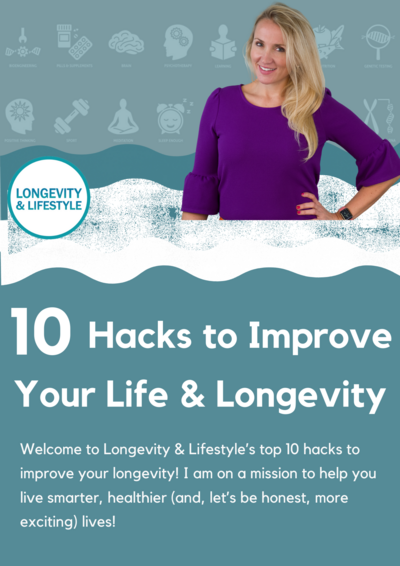
Steal Claudia's 10 Hacks to Improve Your Life & Longevity Playbook
FREE DOWNLOAD

Learn the secrets of health, lifestyle, business and finance optimization
Podcast
Top Resources

Steal My
10 Hacks to Improve Your Life & Longevity Playbook
Free guide
10 Hacks to Improve Your Life & Longevity
Want to learn how to live a smarter, healthier (and, let’s be honest, more exciting) life? Check out my free playbook with top tips just for you!
By signing up, you agree to join the Longevity & Lifestyle newsletter and to receive emails. We respect your privacy and abide by strict privacy policies.




LONGEVITY & LIFESTYLE
© Longevity & Lifestyle llc 2021 | Design by Tonic | Photos by social squares, Unsplash & Rebecca Reid
SEND ME A NOTE >
GET ON THE LIST >
@longevity&lifestyle
follow along: