#246 Claudia von Boeselager on Women Who Lead And Sell Podcast | Reverse Your Biology, Reclaim Your Power: From Burnout to Biohacking & Purpose
The Longevity & Lifestyle podcast
The Longevity & Lifestyle podcast
The Longevity & Lifestyle podcast

Episode 246
Sign up for
The Longevity & Lifestyle Insider
Join Claudia's Longevity & Lifestyle Insider newsletter to get top tips, insights and strategies on optimizing your life, health and business!
By signing up, you agree to join the Longevity & Lifestyle newsletter and to receive emails. We respect your privacy and abide by strict privacy policies.
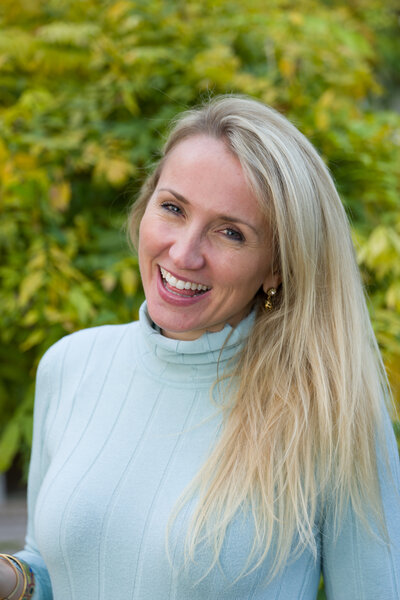

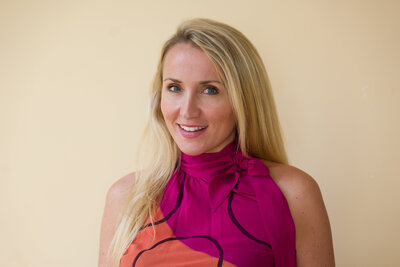
“If you can find what you really love that’s true to you, true to your purpose, it’s almost like you don’t work anymore.”
- Claudia von Boeselager
She shares how women can stop forcing themselves into outdated models of success and instead build in a way that honors their biology, their energy, and their zone of genius.
We explore:
- Why Women Need a Different Framework for Business and Leadership
- How to Identify Your Zone of Genius and Build Around It
- The Importance of Self-Awareness, Intuition, and Alignment
- How Female Biology Affects Energy, Performance, and Decision-Making
- Why Self-Care Must Become a Business Non-Negotiable
- How to Think About Funding, Scale, and Surrounding Yourself with the Right People
- Why Women Must Learn to Leverage AI or Risk Being Left Behind
This is a powerful conversation for women ready to lead, scale, and thrive in a way that feels both strategic and deeply true to themselves.
ABOUT THE EPISODE & OUR GUEST
Unlock peak energy, mental clarity, and long-term health.
If you’re an entrepreneur, leader, or high achiever who refuses to settle for burnout, fatigue, or suboptimal health - this is for you.
I help top performers optimize their energy, longevity, and success using science-backed strategies, biohacking, and personalized health protocols.
Book a Complimentary Peak Performance & Longevity Coaching Call
This free exploratory session will help you:
• Identify what’s holding you back from your highest potential
• Gain clarity on your energy, focus, and longevity goals
• Discover a proven framework for sustainable high performance
Spots are limited - apply now to reserve your session.
🔗 APPLY HERE
Peak Performance & Longevity Coaching Call
Show Notes
00:00 – Introduction to Claudia’s journey
03:00 – Purpose, alignment & “following your bliss”
07:00 – What biohacking really means
15:00 – The burnout moment that changed everything
20:00 – Women, leadership & playing small
30:00 – Female biology as a business advantage
40:00 – Sales, money mindset & impact
50:00 – Building businesses with purpose
58:00 – Rapid-fire insights & lessons
PEOPLE Mentioned
Products Mentioned
Terminologies
MORE GREAT QUOTES
"You can’t give from an empty cup. You can give from the overflow.” - Claudia von Boeselager
Legal Disclaimer: Please note, to avoid any unnecessary headaches, Longevity & Lifestyle LLC owns the copyright in and to all content in and transcripts of The Longevity & Lifestyle Podcast, with all rights reserved, as well as the right of publicity. You are welcome to share parts of the transcript (up to 500 words) in other media (such as press articles, blogs, social media accounts, etc.) for non-commercial use which must also include attribution to “The Longevity & Lifestyle Podcast” with a link back to the longevity-and-lifestyle.com/podcast URL. It is prohibited to use any portion of the podcast content, names or images for any commercial purposes in digital or non-digital outlets to promote you or another’s products or services.
PODCAST EPISODE TRANSCRIPT
Claudia von Boeselager: Welcome to another episode of the Longevity and Lifestyle Podcast. I'm your host, Claudia von Boeselager. I'm here to uncover the groundbreaking strategies, tools, and practices from the world's pioneering experts to help you live your best and reach your fullest potential. Don't forget to subscribe to the podcast to always catch the latest episodes.
Legal Disclaimer: Please note, to avoid any unnecessary headaches, Longevity & Lifestyle LLC owns the copyright in and to all content in and transcripts of The Longevity & Lifestyle Podcast, with all rights reserved, as well as the right of publicity. You are welcome to share parts of the transcript (up to 500 words) in other media (such as press articles, blogs, social media accounts, etc.) for non-commercial use which must also include attribution to “The Longevity & Lifestyle Podcast” with a link back to the longevity-and-lifestyle.com/podcast URL. It is prohibited to use any portion of the podcast content, names or images for any commercial purposes in digital or non-digital outlets to promote you or another’s products or services.
PODCAST EPISODE TRANSCRIPT
Claudia von Boeselager (00:00)
One of the things that I'm stepping into this year is more heart-led work, business, showing up in life. So love theme, impact, right? So how do I help more people? It's not about me, but it's about the people that need to know messages that I can share, communicate from things I've learned and experienced. And more space, and space is also growing personally.
Space for allowing the universe to surprise me, which I love that expression because I have a tendency of having jam-packed calls and schedules and meetings and plans, but having that space in the day is just as important. To also be present with my kids, to play, to be silly, to be joyful, obviously take care of myself. So those are some big goals for this year.
Claudia von Boeselager (01:33)
Dear friends. Today's episode is a little different. I'm on the other side of the microphone. I recently joined the Women Who Lead and Sell podcast for a deeply personal conversation on health, purpose, and what it takes to perform at the highest level as a woman. We talk about the moment my body forced me to change, how I reversed my biological age, and why true biohacking has nothing to do with gadgets and everything to do with alignment.
We also dive into what most women are never taught about their biology, why so many of us are running on empty, and how much of today's chronic disease is actually preventable. If you've ever felt out of sync with your energy, your work, and your life, this conversation will resonate. Please enjoy.
Kelly Quinn (02:15)
Claudia, hi, thank you so much for joining us. You're in London today, right?
Claudia von Boeselager (02:19)
I'm in London today, Kelly, yes. Thank you for having me.
Kelly Quinn (02:20)
Brilliant. It's so good. And I'm going to launch straight in with the question. After looking at your career history and in particular, like your purpose and your why, I saw that you said about the women blending soul and strategy and how important that is. And at this stage of my life and my career, I absolutely know that, but I'm still learning to blend it. And you've got some things to say about blending it, haven't you?
So I'd love to kind of just go in with where do you see women who really are tapped in and have that commercial awareness and they're working that way. Where do you see them go wrong and how can you—like what pointers can you put in place for them?
Claudia von Boeselager (02:59)
Sure, big question. Great question. And I think we're all eternal students on a journey. I don't know anyone who's like, I've done it. I've figured it all out. This is it. And this is the way to go. So it will be different for everybody. I think for a lot of us, myself included, when we're young, we're on a trajectory, we're influenced by our environment. We, you know, have to get the best grades. We have to get the career. And I began mine in investment banking and tech serial entrepreneur, et cetera. And
I think part of this journey in this life and what I've really grown to know is that if you can find what you really love that's true to you, true to your purpose, as Joseph Campbell says, follow your bliss, it's almost like you don't work anymore. You love so much what you're doing. It feeds your energy and you're just in this zone of genius. So for everyone, it will obviously be different, but I think part of the work is to create space.
To go within to reflect and say, you know what is it that I truly want and not what I think society wants from me or what my bank account needs to look like? Yes, things are important, but if you're not true to yourself, it's not as much fun. Let's just put it that way.
Kelly Quinn (04:02)
That's so good and really grounded.
Aliya Musa (04:05)
How would you—sorry Kelly? I've just got a question when you said that Claudia, so clearly by the way, beautiful. How do you impress that "be true to yourself" on a team when you start to get bigger? You've got a team now. So it's not just you delivering the dream and the purpose in the mission. How do you see that working because I know you work with a team?
Claudia von Boeselager (04:28)
Sure, I think that number one is to have that inner clarity and also to question where is this coming from, right? Is this again an external thing or because I wanted this or is this a genuine thing from the heart? And honestly, nowadays I really find people resonate with your heart. So when you express like "this is what I see" or "this is what I'd like to do," it will resonate with the right people. So let's say you are managing a team and you're genuinely expressing, say, hey, you know, I've taken some time, I've done some work and I really believe that
you know, we could go in this direction or we can—you know, what do you all think of that? Then, of course, you want to incorporate your team's views. You know, maybe it's an offsite, maybe everyone takes some time to go away and reflect and bring back their ideas or their creativity or what they feel to be true. And I really feel that when it resonates with the right people, and this is going back to something that Simon Sinek said, the most—one of the most popular Ted talks, right?
You know, Apple's core was the "why," and it will resonate with the people that believe in it. So as a leader, if you get very, very clear on your why and it's coming from the right place and it's authentic and genuine, it will resonate with your team. And then obviously definitely incorporate their ideas and their way of thinking into it as well to co-create a beautiful vision together.
Aliya Musa (05:41)
And I think you'll attract the people as well, correct. And I think definitely that's an argument for being very clear about your why and communicating it out there to the world very consistently. Because sometimes we can kind of forget and just assume everybody knows. Well, no, no, you have to say it many different times, don't you? Many different ways as well. Yeah. Sorry, Kelly, I probably broke your thought.
Kelly Quinn (06:06)
No, no, thank you. It's lovely that we're in a triad here, aren't we talking? I think what happens is the intersection of the conversation. And then it's like it goes back over my timeline. And I think about all the decisions I did make or didn't make. And I think I'm doing like instant healing. So I've got some little notes on the side and I don't know exactly—I don't actually know anything about biohacking, but I do know
in my world of global entrepreneurs, they really know about biohacking. But I kind of come back to that simple thing of when I'm listening to myself and making these micro adjustments in my autonomy and my consent—like what I actually want to make happen in the world—I get healthier, brighter, happier, lighter, not clearer. I definitely don't get clearer. I still feel like I go in many directions.
But I feel like that's biohacking. Like, I don't know what your version of biohacking is, and I'd love you to tell us, but I was just like, I'm gonna tell Claudia what my version is, and it's like really listening to yourself and adjusting the sails accordingly. What do you think about that?
Claudia von Boeselager (07:07)
I love that Kelly. And yesterday I was speaking at an event as well. And I said, the number one thing you can do before you start all these external things is that true alignment with self. And so I love the fact that you are listening to yourself, you're getting an alignment and magically your health is improving, your energy is improving, et cetera. And I do truly believe that when we are in our purpose, when we are on our mission, things just feel lighter. We have less resistance, less stress, et cetera, which naturally then improves our health, our sleep.
We're more content, we're more joyous. We show up better for ourselves, for our team, for our families. So I love that. And I think that's a really, really good point because everyone's like biohacking, what supplement, what should I do? And it's always these external factors, but I would say the number one thing is look inside. So biohacking—I mean, it's had different versions of the term. A lot of people like to move away from it. I think a more popular term nowadays is healthspan. So stepping into the highest version of yourself today, vibrant energy, et cetera,
and living like that for as long as possible. However, the biohacking is essentially optimizing the environment within yourself and external to you too, so that you can live in that optimized state. So whichever definition you want to have of it, I think it is a gift. I had my own trajectory and own health journey. And when I discovered that you could actually optimize your health and not just lean back on the traditional Western medicine system of sick care management,
that you could actually reverse health conditions and change. And in the process, I reversed my biological age by 18 years. And I'm so excited for people to know this. And part of my why, and you were talking about this as well in the work that I do, and now in the space of longevity, biohacking, et cetera, healthspan, is because my mother passed away shortly with Alzheimer's. And knowing now what I know, this could have been prevented had we caught it on time and done certain
modalities and detoxification, et cetera, et cetera. My father has cancer and we all have our stories. And it's so cruel to see how many people are suffering from chronic disease when so much of it is preventable. So this is why my passion is bigger than myself. And I believe also when your mission is, or when you're clear on your purpose, you actually begin to not just be focusing on yourself, but actually stepping in and helping a greater community, making an impact in the world. So
what a beautiful place the world would be if we're all living these beautiful purposes of creating better spaces for everyone.
Aliya Musa (09:24)
Yeah, yeah, and you're very visible in what you do. You do a lot of public speaking, you've got the podcast, you talk to experts in all different areas. How important is it for people that have got authority or a passion or a mission to find the right outlet? And how did you find the right outlet like—why podcasting?
Claudia von Boeselager (09:49)
So, I mean, I'm a serial entrepreneur, I've had different businesses and I currently have multiple businesses as well. So podcasting was just one arm and I go from actually being a very kind of shy child, believe it or not. So people are like, you have a podcast? But during 2020, my mother had a bad fall which expedited her dementia and I was having conversations with world-leading neuroscientists, et cetera, and I'm getting this information and I'm like, how does the world not know this? How does the world not know that these things could have been prevented?
Could have been reversed had we caught them on time. Unfortunately for my mother, it was too far gone. And so part of my inspiration at the time, and spending some time reflecting, et cetera, and I just thought, let me launch six episodes of a podcast. Let's see how it goes and just share this information. As you will recall in 2020, many people were inside, very fearful, et cetera.
The podcast just took off from there and it's been a beautiful journey since and I feel so honored to be able to speak to these world-leading experts and share that with the world as well. So that's how that area with the podcast got into that. And a mentor told me once and I really love this, that it's not about what I have to say, it's about the message that I'm communicating to the person that needs to hear it. So it's not about me. And that's why I will always remain like—I don't feel like, you know, imposter syndrome a lot of the time, because there's a lot more
leading experts. What it is then, the message that I want to get to people is the information that they need to know to empower them to be the best versions of themselves.
Aliya Musa (11:16)
Amazing.
Kelly Quinn (11:17)
I feel like my energy and my—yeah, it's not that my questions have gone anywhere, but I just want to absorb what you're saying. Not just to hear your story and understand the pieces in between what we've learned about you, but also for us as well. It's very busy, both—you know there's two of us. So Aliya has her specialties, I have mine. But when we come together, even with all the ideas and the—it really comes down to like, we really want to honor a woman's story. We want her to
like know that each journey is very different and there's access points and touch points for education and, you know, like what you would say would really land with somebody and maybe not for somebody else. But like, we have all of this amazing knowledge and expertise and then when I see a woman struggling or not knowing there's a bigger runway for her, I just feel like, there's so much more out there.
And it's like that passion that really fuels, isn't it? And just ignites other initiatives. So it's really lovely to hear how you're describing that. Thank you.
Claudia von Boeselager (12:15)
My pleasure. And I'd love to make a point on that, too. I see this so often with so many women is this invisible glass ceiling that for so many still exists from a cultural perspective—and not speaking up or not shining as bright. And I know so many absolutely phenomenal women and they don't speak up as much in the meetings. And it's so funny. I have
lots of male friends as well, but they're like, "Yeah, and I can do this and I can do that." And I'm like, that's a bit exaggerated, but okay, you let them have it. And then the women are on the other side. So I'd say for all the women listening, please don't be shy. You are amazing. Please let people know how amazing you are, what you are doing and how you can help in the world. Because that is really what I've come to notice again and again and again is that women are continuously playing so small. And I think it's so important that we step up. The world needs more women leaders, big time.
And so this is really a time for women to really just feel more empowered and we don't need to be perfect. And I'm a recovering perfectionist A-type, let me tell you. And it's okay to be imperfect, but being authentic to yourself. So I just wanted to highlight one of the points that you just made there, Kelly.
Kelly Quinn (13:17)
Love that, thank you. It's right at the bottom of the page of notes on you, I read from some research that Aliya found, which is "enough was enough," you said to yourself "this was not my destiny." So could you take us to—maybe that—I mean, you've probably had a few times of that, I certainly have, like, "really, I've gone off track here, this is not my life." But if you could share with us a moment of that.
Claudia von Boeselager (13:43)
Yeah, sure. So that was in my personal health journey. And I've always been sort of high energy and similar to you, like many ideas and things and all the things I wanted to accomplish in this life. You know, leaving a career in investment banking, working 100-plus hour work weeks to tech serial entrepreneur, doing many things, very long hours as well, push, push, push, push. I, you know, maybe typical female, right? As long as everyone else is fine, I'll be okay. And not taking care of myself, not understanding the concept of self-care. I just said,
"It doesn't matter, I'll be fine." And it was really that one day where I had my doctor call me and he's like, "You have to take this seriously." He said, "We've got your blood test results back. There's so many markers in the red." He's like, "I'm two weeks away from hospitalizing you." And I was almost so disassociated with who that person was. I was like, "Really? Can you check the name on the results? Like this isn't me." And I was in delusion essentially of the situation. And I just remember getting up and trying to walk up the stairs.
And it felt like what I can imagine climbing Mount Everest is like—one slow step in front of the other. And I realized I was totally on empty. And I remember looking down at my watch and realizing it wasn't even lunchtime. And I had no idea how I was supposed to get through the day, let alone run my businesses, take care of small kids, do all the things that I wanted to do. And in that moment is really where the penny dropped. And I was like, well, if it's in this condition already now, and I was in my thirties, what is the next
10, 20, 30 years going to look like if I continue on this trajectory? And that's where it really just dawned on me. Like, I cannot ignore this anymore. It's so important for me to just really get on top of this and look for solutions and look for answers and not just try to make do with the low energy and the chronic fatigue and the chronic sinusitis and gut health issues and all the other things that I had just completely ignored because I'm like, "I'm fine. I'm fine." Totally in denial. And so that was the moment that set me on this trajectory of uncovering that there are ways to
optimize your health, to fix your health. And then you show up as a better person. You have more energy, you're better for your team, you're better for building your businesses, you're more creative. I mean, there's so many benefits that apply to all parts of life. But it takes that decision to say, okay, enough is enough. I'm going to take the choice to understand that to set myself up to win. And then it becomes routine and you don't need to think about it so much anymore.
Aliya Musa (15:55)
I want to go back to something you said at the beginning of that answer. You talked about men are so much more at ease at saying, "Yeah, yeah, yeah, I can do this, that and the other." And then maybe they've got the 70 percent, but we always feel we have to have the 100 percent, maybe even 110 percent. I don't know really where that comes from. I'm pretty sure it probably comes from a feeling of not feeling safe yet in the world for females.
Kelly Quinn (15:56)
Thank you.
Aliya Musa (16:20)
But it's obviously a model that doesn't work for us. I mean, I think the picture that you paint of being hugely burnt out is still quite prevalent. And I'm just wondering, where do you see women not contorting themselves to fit a model that already exists, but where can you see them creating a way of being around business that works for women? The way I talk about it is I say, take your business seriously and
you know, people take you seriously, but in a way that's feminine-centric. But where do you see it going, Claudia, for the future? Where do you see a female-created version of business going? What does that look like? What do you think needs to happen?
Claudia von Boeselager (17:01)
Yeah, so great question. I think there's multiple levels, starting with self-awareness. To answer the first part of your question, you know, "where does it come from" or what you were mentioning? I think it's really childhood. And I listened to an interview once with the first female firefighter of San Francisco, I believe it was, and she made a really good point saying in childhood, typically we tell girls to be careful, you'll fall.
Don't do that. Sit nicely. Sit pretty. Don't talk too much. Don't do this. So it's all these restraints. "You're too much." All these messages that we give to girls typically. For boys typically—and you'll see this on a playground, unfortunately, again and again—"Well done. You know, they do climb up the top of the tree. Good job. You achieved it. You did that." And so it's reinforcing that from childhood.
And at the time—and I have two girls—I noticed that I was being a bit too cautious. And I was like, hang on, I was a tomboy. I was falling out of the trees. I've got a bunch of scars on my knees to prove all my tomboyness. And I said, "Why am I doing that?" And I really had to check myself and relearn that. So I do believe there's a lot from cultural programming in childhood that we try to think the girls are more fragile than the boys. And we have to be more careful. Like, let them climb the tree. If they fall, they fall. OK, but it's part of your childhood. So I think that—to have the awareness, where is this limitation that I'm putting on myself coming from?
And then I think on the other side, it's also looking through and being very clear, because we all have our zones of genius. What is my zone of genius? What am I particularly good at? Even sending an email or asking 10 of your closest friends, family, colleagues, business partners, whatever—in a bit of a vulnerable situation—but saying, "I'm trying to get clarity on what am I particularly good at? Where do you see my strengths?" And writing those down and being so clear and saying, "Okay, this is my zone of genius." We can't have a zone of genius everywhere. And which areas drain my energy or am I not particularly good at? And find then the people in your company, in your environment that can support you in those in an ideal world. Obviously depends on other factors as well, but in an ideal world, you can set yourself up to win. So the more you can be in your zone of genius, the more brilliance you can bring to the world. So I think
that's really important. And also to move away from "work on your weaknesses." No, you've been given certain gifts, show the world your gifts and focus on giving the world your gifts. Right. That's firmly what I believe in. I think it's that mindset shift. So awareness and then getting clear on your zone of genius. And then also understanding a bit the female biology. And some of the things I talk about and teach is around unleashing the female superpowers through understanding your biorhythm.
Why men have a 24-hour testosterone cycle so they can show up every single day. And if you're in a high-pressure environment, it's great if you can show up the same every single day. Well, guess what? Women are more complex and different and have typically approximately a 28-day cycle, especially if you're still cycling. And that means that you have different superpowers at different parts of the month.
So if you can understand that and break it down, and ideally, if you can set yourself up to win and organize things accordingly—like around ovulation, a great time for sales pitches, presentations, you're glowing, you're feeling really, really energized. Other times of the month, you're better at getting the to-do list done when your progesterone is higher, and other times more for strategy planning, et cetera. So if you even break it down to that level, you can really thrive as well. And I think women are
excellent leaders because we're very good at thinking about the collective, about others, getting different opinions. But I think what's also important for women—and I need to practice this more—is then making a decision, stepping up and sticking with it. So taking a little bit more of that masculine energy as well.
Aliya Musa (20:35)
My god, that was such a gift. I mean, it's a collective sigh from so many women. "Why am I trying to pitch at this time of the month?" Yeah, that's amazing. Really amazing. And have you written about that? These sorts of things, Claudia? Do you have a published book yet?
Kelly Quinn (20:37)
Okay.
Claudia von Boeselager (20:57)
Good question. I get pitched by different people to do one. Frankly, I should because I have so much material, but I've done a solo podcast episode on the female biorhythm. We can find it afterwards and maybe link it in your show notes if you want to share it as well, because I think it helps so many women feel like—not ask themselves "what's wrong with me?" which is totally the wrong question. But instead to reframe it.
Aliya Musa (21:11)
Yeah.
Claudia von Boeselager (21:22)
"What is my superpower at the moment?" And let me focus on executing that way and reschedule something to—ideally, right? Not always possible—but I reschedule that sales pitch, that presentation to when I know I can really show up as my best.
Aliya Musa (21:36)
Mmm.
Kelly Quinn (21:36)
I'm gonna bring a contrast in Claudia, so we work with all women and I have—I've worked pretty much with all-women teams from, I would say, about 20 years. And my own seven-figure journey, all women, just six of us in a small team.
How do I say this? Like the other side of working with women sometimes is, or a lot of the time actually, is a lack of leadership, which shows up as a lack of direction, lack of performance, worst-case scenarios, quite deep resentment in teams. And a lot of our guests, when we've brought some of these topics up, not just talk about the positives and the good stuff with women, but also the harder things. But also,
like the reactivity, the kind of the over-influence on our maternal nurturing sides. It's a lifelong journey for me. I've been in active codependency recovery for about 14 years and I'm really proud of that. Like I make that very transparent to most people. I'm like, "This is—like, you have to work with me here and oh, if I'm doing that, let me come back a little bit." It's why I love consent and autonomy so much. But like what can—not like take us down the dark side of things—but what have you seen like to kind of...
Because women come to me all the time and even though I will give them checklists and we do some audits in the team, they need to hear it multiple times from multiple experienced voices. So just give us a little trip down that lane for a bit to show us what you've learnt and maybe some things to take away.
Claudia von Boeselager (23:05)
I mean, again, I'm not a leading expert in this. You're probably more of an expert as well, but I can share kind of my 50 cents what I've seen over time. And I think it's finding the balance of consensus, of hearing others' opinions, but depending on your position or your role, taking on a leadership role too. So it's—you know, maybe it's in a board meeting or a leadership meeting and getting everyone's opinion. It's discussed about and either making a decision in the moment or saying,
"Let me take this away and I'll have my thoughts in an email tomorrow" or later on today or something like that too. And so I think it's—getting to a decision is really important. I also think there's a cultural difference, right? Some cultures are much quicker to make decisions, they're much more direct. There's other cultures where people are worried about hurting someone's feelings or it's more important to do the small talk for half an hour, whereas other people are like, "Let's get going, let's get this done." So
there's different environments, different personality traits, etc. I think in general, it's—yes, leading from the heart, but there's going to be some difficult decisions. I find in general, if you give somebody context, and it's not an hour background story—you know, keep to the point—it is a business meeting, for example, or business decision, but giving some context to say, "You know, I've thought about this, you know, I've heard these different opinions, I value this, I value that. However, I think that the path
to go down is this one, would you agree or not? We need to make a decision today." So I think it's making some framework essentially so that consensus is brought in and opinions are heard so people don't feel ignored, especially if it is a leadership team, but at the same time showing leadership and making a decision off the back of that and then executing on the plan and getting going.
So that things don't get dragged out. I think business is evolving at such a rapid pace. I mean, we see with the age of AI and everything that's happening as well that we need to be quick. And if it's too much consensus the whole time and parking things and picking it up again, it's so energy-draining. So it's that balance of the 80-20 rule—it's not going to be perfect, but this is our best guess at the moment. Like, let's go and let's do it.
Kelly Quinn (25:04)
Yeah, brilliant. Thank you. Well, that leads me to my hand over to you then Aliya. In terms of your decision making, are you very intuitive, instinctive or like, you know, how do you use data? Like, what was that like? You know, tell us.
Claudia von Boeselager (25:17)
Sure. So I've come from being a very cerebral, not connected to the body, very rational. "What's the logic? Let me see how this is," etc. To being on my own personal growth journey, to realizing that we are very intuitive, all of us, and we do have a sense with things. And so I think it's finding now a balance of—
Kelly Quinn (25:22)
I'm
Claudia von Boeselager (25:37)
looking at the facts, looking at the data, but also feeling into things as well, which if you told me 20 years ago—but feeling into things? Like what do feelings have to do with it? But I think it is so important and it is a superpower that we all have that we should also leverage too. And again, it's being in tune with self so that you are able to hear that inner feeling, gut instinct, whatever you want to call it, and then acting upon that, too. So I think it's—it's a mix essentially, but not underestimating the power of
intuition, gut feeling, however you want to call it.
Kelly Quinn (26:07)
Love that. Thank you. Aliya, over to you.
Aliya Musa (26:10)
So I noticed that you have a couple of co-founders in Lumara, which is the biohacking consultancy. How did you find each other and how do you find working with two female co-founders? Obviously I have Kelly, but tell us about the story of that.
Claudia von Boeselager (26:27)
Great question and yes, dream team and really brilliant, brilliant human beings and women, of course, as well. And I had the pleasure of—synchronicity or whatever you want to call it—meeting them separately many years ago and was just blown away by their energy, their brilliance in their respective areas as well. And so
when the idea for Lumara Collective with the booming industry that this longevity space is and the lack of expertise and confusion, it was just very clear that a concept like what we're doing with Lumara Collective came to me. And it was just very clear that these brilliant women would be amazing. And as synchronicity—as the universe would have it, whatever you want to call it—we came together. Yeah, I mean,
I'm so honored to be able to work with these phenomenal women as well. And we just have a lot of fun, which is great, right? So you can mix sort of the business, pleasure and all of it together. But I think we share a lot of similar work ethics, mentality, which is very helpful, but can have fun and enjoy ourselves too.
Aliya Musa (27:30)
And then you come together every now and again and then you go off and do separate projects. How does it work and how do you find that process?
Claudia von Boeselager (27:39)
Yes, so we have—I mean, we're in touch pretty much every day, I'd say seven days a week. There's just so much going on and we've got multiple projects as well. We tend to work remotely, but we have—either we're at conferences together, like we're speaking at a conference in Uruguay in the next few weeks. So we have some meetings in Mexico before then. So it depends where we have conferences or projects or whatever we have going on and we'll meet in those locations.
Otherwise, we have video calls with clients and things like that daily and then we're in chat. So I think it works pretty well. I think we're used to working remotely. So that I think is not an issue. And then we come together when we come together. And then obviously I have the podcast separately and some other things, but I think when you get to a certain level in your career, people tend to be
busy with a couple other things as well. But the main focus is with Lumara and growing that and serving our clients and the projects and own brand projects that we have going on too.
Aliya Musa (28:35)
Yeah, I really get a sense of the joy and also entrepreneurialism can be a lonely, lonely place to be when you're on your own. And I think one of things I love about having a co-founder such as Kelly is there's always somebody to be a sounding board when you're full of doubt and pull you up and remind you, re-anchor you if you like.
What would you say to founders who don't have the benefits of a co-founder? How could they re-anchor themselves? What have you noticed?
Claudia von Boeselager (29:07)
That's a really good question because it's pretty lonely at the top. And especially if you're running a team, you need to be showing up as the leader and everything's great. And you can't be kind of like, "Hey, I don't really know what I'm doing" or whatever the question might be. And so I really think wherever you are in the world, it makes a lot of sense to try to seek out people in similar positions, like-minded people. Maybe there's meetups for CEOs or whatever your position might be. But try to find your tribe
that you can actually meet with in person, ideally, or it could be like a mastermind that's once a month, but where you can be open and vulnerable and just be like, "You know, I don't know, I have a huge business challenge at the moment," or "I don't know what to do with this person on my team" or whatever it might be. Seeking those like-minded individuals and, or even like an advisory board, having different advisors—someone you can kind of openly discuss because it can be very lonely and loneliness is one of the worst
things that can happen to a human. We are tribal humans, right? And so it's really important to make sure you have your tribe and people that you can be open and honest with and ask for advice and be vulnerable.
Aliya Musa (30:12)
Yeah, I mean, loneliness has been likened to being as unhealthy as smoking. Literally. Yeah, because I have a side project which is around—a not-for-profit project around loneliness. So I've read a lot of the stats. It's quite scary. So in terms of Lumara and where you see that business going and where you see health businesses going generally, what are you noticing in that sphere for our listeners that maybe they have
retreats or they have health businesses? What are you noticing as the demographics and the main themes moving forward?
Claudia von Boeselager (30:46)
I think it's a really exciting time in the space. People are really waking up to—there is another path. It's not just, you know, "I'm going to get diabetes" or "I'm going to have a heart attack." They're not just accepting to be subpar anymore and instead seeking out and trying to find the best protocols, the best treatments, what can be done so that they can really shine today for as long as possible. Obviously, there's a lot of hype as well and
people talking about living to 200 years old, et cetera. So, you know, everyone can have a different opinion. That's fine. For me personally, it's about: how do you step into the highest version of yourself today and live like that as long as possible? So for different businesses in the space, it is getting noisier. And so part of what we do is help clients—what we say is "navigate the noise"—because it's very hard if you're new to this space to understand.
You know, "not all red light is created equal" or, "what is hyperbaric dissolved ozone and oxygen and how can it be used? What are the right protocols," et cetera. So for select client projects and, we work from hotels, real estate developers, private individuals, clinics, sports facilities, social wellness clubs, et cetera, to select for their demographic the right modalities, the right tools, the right pieces of equipment to help augment health outcomes
for people to be able to live their best life.
Aliya Musa (32:04)
Because it is such a huge topic, isn't it? There's a lot to choose from. I was watching some of the—some of the reels from your podcast and all the very diverse conversations that were going on. Ayurveda, sleep, you know, a mental—mental approach to life. You know, they're very, very diverse things. And I think it's such a rich place to establish a business. There's so many ways you can go.
Sometimes when something's very rich and complex it can almost stop you like—where do I go? Like, which bit? You know? Lots of people talk about having retreats, but I think the way things are going people like you—say this "zone of genius." Find your zone of genius and put it into your particular kind of retreat, you know, don't try and be everybody's retreat. Yeah, yeah.
Claudia von Boeselager (32:51)
Exactly, coming from self because then you're being authentic and it will resonate with people that believe that too, right? So starting with your "why."
Aliya Musa (32:58)
And I've noticed a lot of stuff is coming offline. Have you noticed that Claudia? There's like a move towards offline.
Claudia von Boeselager (33:08)
And it's so beautiful as well. I mean, yesterday I was at an in-person longevity retreat speaking event also, and I think so many people are so thirsty to connect with like-minded people to get like—in the same room, in the same space. And that's—we are, you know, we need to do that. We have energetic fields. We need to be connected with actual humans as great as it is to be able to connect virtually. It's so essential to also have that in-person contact, compassion,
listen to somebody live as well. I'm sure—how often do you two get together and work in the same space or spend time in the same space?
Kelly Quinn (33:43)
I mean, we're usually in the same studio, but it's every couple of weeks and then, every day or so we're together. But I think three days with us together, you could just get months' worth done because there's so much that goes on. And yeah, I mean, you can't really describe it, can you? But your kind of rhythm goes into one another and you don't have to explain or map out. When you're together, you can just share and then it's clear.
What I was thinking about when you were saying about connecting together offline, I was at an event on Tuesday, Female Founders Rise. I think they're based in London, but they'd come to Cardiff and Aliya had flagged it. And they did a little poll, like "how confident do you feel about your growth coming in today?" Mine was high, I'm going through a real high stage, so I know. So mine was like nine.
And I ended around about the same. And a few people I was around, they were like two and three, and they left the day feeling eights and nines. And I looked around the room and I was really—to go and spend a whole day somewhere, that's quite big for me right now, there's a lot going on. But I was teary most of the day through joy, through relief, through from kindness, laughs.
Like really cheeky women that have exited and now they're saying everything that they didn't say the whole time they've been scaling their businesses. And it was about 120 people in the room, women mostly, and it was exuberant. It's fueled me for the year. And it's kind of like—just being in this space of: it doesn't matter whether you've had one business, a failed business, scaled business, this business, we are all in it together. We are.
Like—something that I don't get today, I've only got to have two or three conversations with someone patient and I will be able to apply it in a week's time. And so in that way, we're all so interconnected and then you have a brand new future, right? Like, you know, beyond business, I care about the future for humanity. So it's like, how do we get it to be hopeful and joyful and healthy, healthful?
You know, you know what I mean. So it's really nice to hear you saying about the trends, really good.
Claudia von Boeselager (35:50)
Beautiful. Thank you for sharing that too. And I love that it was so touching, right? That it brought you to tears multiple times on multiple fronts—that people were being so vulnerable and open, right?
Kelly Quinn (35:59)
Yeah, and you want to believe that it's like that for everyone. And I know, I mean, from the conversation already, we understand that it's different in a man's world. And I've struggled for a long time to try and make sense in a man's world and kind of went off and just found my tribe of women. But ultimately, we do need to be together. We want to harness all the different energies and the paradigms of thinking to make change, really. And I do think we're in a really ripe—it feels like a ripe time.
There's so much going on, we've had the real trudgy times. Despite everything that's going on globally, politically, socially, I think if you can just keep your blinkers on, your heart open, and take the steps, then you're going to be okay, and hopefully look out for the people around you who maybe are still coming into their awareness of things. I've got a very practical question, so we are Women Who Lead and Sell, soon to be Women Who Lead and Scale.
In your previous businesses, did you play a direct role in bringing revenue in? Like, was that one of your key roles? And is it now? Could you just sort of take us through that? And I'll give you a context why I'm asking. No matter what part of the journey our listeners are on, all of us need to really be in revenue leadership, sales leadership. Otherwise, there is no business.
Not to say that we're not gonna look after brand and customers and all the rest of it, but it just seems like such a dark art still for a lot of founders. It takes them years to really come to terms with "I really do need to get my dashboard of selling." It is my sweet spot. It's what I love, B2B sales. So just wondered what you could share about that, your journey and what I asked.
Claudia von Boeselager (37:37)
Beautiful on many points what you just mentioned there. But this is a really important point because selling typically is seen as kind of a masculine thing and a lot of people have a shame around money and different things. So again, it's that awareness. What is your relationship with money? Is it something for somebody else? What are childhood beliefs also like, you know, "money doesn't grow on trees" or "money is the root of all evil." Like if you're telling yourself those stories,
you're not going to want to be closing those deals, et cetera. So it's really that importance of reframing to answer your question. Yes, I love business development. I love connecting with the people and seeing opportunity and like, "Can we add value?" And so it's shifting it from "sales, sales, sales"—which for some people is like a negative connotation—to creating impact, creating value, doing something amazing together through partnership projects, plans, whatever it is that you're looking to do as well. And
one mentor of mine was talking about "sales as a service" and that you are doing them a disservice by not selling to them, by not having them purchase your offering, purchasing what you're looking to do, because they're going to go to somebody else who has maybe no clue what they're doing or doing it worse than you are doing it. And so I think that mindset around sales, about revenue generation is fundamental. And if anyone is struggling with that,
seek out experts like yourself, Kelly and Aliya, to really understand why or where are those stories coming from, work on them and reframe them as well, because you are doing the world a disservice by not stepping up into being able to communicate your offering and why it's better than the next person's and why this client or potential client really needs what you have to sell.
Aliya Musa (39:17)
I had this ridiculous image that came into my head while you were saying that, which is: imagine that you were selling cakes and you go to the market with your cakes and you're sort of skulking in the corner, hiding your cakes. And then people are trying to sort of have a look at "what have you got in the basket there?" And you're like, "Well, you know, I might have some cakes and, you know," and then they're sort of like, "Well, how much are they?" "Well, I don't really know. What do you think?" I mean, just—that's what we are like.
It's bonkers when you think about it in those terms, isn't it? But that's what was occurring to me as you were sort of saying that. I was like, oh my goodness.
Kelly Quinn (39:51)
I've uncovered something else as well because I've worked selling, marketing, scaling predominantly service businesses. And I think this is—well, it's definitely one of my superpowers because of the codependency recovery and like fear of people and freezing and fawning around people so much. What I identified very early on by doing lots of just mind-mapping and like "what's going on and where are the bottlenecks in the sales process" was women...
Yes, there was the shame, there was the money, the self-expression piece, you know, so it all kind of intersects, doesn't it? But they actually didn't want to be open to more relationships because it was like, "I don't want more of what I already haven't dealt with." It was a real subconscious block for them. So it's like they were a "no" to engaging. They just—it's really interesting. One of our other conversations, it was like when Aliya talks to women about
starting to lift that glass ceiling a little bit and look, look at the runway we could create for you and look at this, what's possible around your mini empire, we could scale it—and you watch them do this and I've done it before, like really like—no. It's the same with selling and knowing that if you open up your ecosystem to more sales, you know, all of your problems accentuate around your people stuff. So it's like double-edged sword, triple-edged sword, there's a couple of like
big dangers going on for women. And then that, I feel—I've never really thought about it like this, but what you were talking about both of you earlier, which was a woman not being safe in the world or always feeling like she's having to protect and look out for danger. It's so like cellularly in there, isn't it? That it really takes the right guidance and the, like the determination to come through it, but also like the right mentors to kind of like gently—"it's okay" because it's such a
pilgrimage or like a path to come out of these old habits and wounds and all that stuff. So yeah, just really got that as you have both said. I'm like, it's the people stuff as well. We don't really want to open up.
Claudia von Boeselager (41:36)
Pattern. Yeah, and what do you recommend, Kelly? I mean, I'm sure you've had many clients like that, right? So that they kind of go like, "This could be your runway, and you could grow and expand" and they're kind of shrinking. What would you tell them to do?
Kelly Quinn (41:54)
I am, yeah, thank you for asking. Definitely for me, it's having—so I walk alongside a woman as we're growing. So I am the strategist, I am showing her how to see her business through my lens. So it's a couple of hundred thousand in revenue and we're gonna look to take them to two or three million to get them to that next level of investment. And I'm walking alongside them. It definitely is like either like a big sister energy, but a healthy one—like a healthy sister energy.
Not fixing anything, but just keeping a steady path, one step at a time, opening their eyes up and then really just making it okay when literally like the tremors and the trembles come up. Like the—take people from doing straight pitches cold to having softer, more feminine-centered round tables where you are bringing forward your solution, but you're asking your customers, like "would you like this?" So they kind of work in line, like a partnership-level approach. And by the time you finish that
round table, you've already got key decision-maker buyers in the organization. So the woman is transforming and she's leaving kind of her old self behind, but it's not so fracturing. Because on your own, I meet many women and I did try to do it myself for a long time—your nervous system, everything just fractures when you're really pushing yourself through the change versus having a much more restorative approach
where you can have a peer. I'm just a peer. I'm only a few years ahead of you in this area and you're only a few years ahead of me in that area. So just taking that approach to make it softer and the encouraging one step at a time. And then of course, they build their own internal strength and so they can deal with things anyway. So it's just kind of a very symbiotic approach really.
Claudia von Boeselager (43:38)
Beautiful. Yeah, I think having a coach, mentor, advisor, whatever that is, somebody that you can lean on, like what you're saying—another expert in that area—is so phenomenal and worth every investment, right?
Kelly Quinn (43:49)
Yeah, definitely. It's—and I think for women who haven't or haven't had the investment, it's—it's a bit of a shift. You know, they might've invested in all other areas of the business, but then it's like—ooh, mirror here. I am going to have to invest in myself and I am worth it. And then if you—if you look, you know, a year on, there's such a shift. It's like—there's such a blossoming. But it's also accepting that you do need love. You need love and care and tenderness to grow. Not
more push, more struggle. Very early on in my 20s, I would get to burnout and I would see that sign as—I needed to set a bigger goal. So I would get ill and I would set a bigger goal. I'd have shingles up and down my back, glandular fever, so much illness, but I would just set bigger goals because that would pull me towards—you know what I'm like. Now it's like, you know, the body doesn't function like that at all anymore, but it's like...
Claudia von Boeselager (44:39)
I know this very well.
Kelly Quinn (44:41)
But it's still, you—like you used back to your point, you said that how is it so many people don't know this stuff? It baffles me. And you can—you have to keep remembering like, "No, there's always other people that need to hear this." And they're just at the beginning of their journey, whether it's the biohacking or overall wellness or, you know, really feeling into their body—"can I really trust this?" You know, Aliya, this whole project started because Aliya rang me one day
last year and was like, "Do you fancy going to a podcast workshop because we've got loads to say and we've got to get this shit out there," you know? And it was like, there was no plan. I was not doing a podcast. And off we toddled. And then, you know, like a year on, you have all of these different relationships. And it's quite true around surrounding yourself. It was very true. Surround yourself with big thinkers, big dreamers, big doers. And by osmosis, like you literally—I'm like, I'm thinking
vastly different to what I did a year ago and ultimately that's what we all want isn't it for everyone—whether it's health or business.
Claudia von Boeselager (45:43)
Yeah. I mean, they say we're the average of the five people we spend the most time with. So choose wisely. Yeah. So you're really aware. I mean, anyone toxic in your environment or anyone telling you "can't do it" or holding you down, just be aware. Obviously, it's good to have, you know, constructive feedback. It's not saying that you don't want any constructive feedback, but just be aware. You want the people that believe in you that are cheering you on and not trying to bring you down or preventing you from shining.
Kelly Quinn (46:07)
Yeah, so true. Aliya.
Aliya Musa (46:09)
I know you've done probably hundreds of podcasts, I think. Is that right? Claudia, it's been long-running. Well, I've got a selfish question and then I've got a question about you. So I'll do the question about you first, then I'll do the selfish one. What have you actually learnt about yourself doing a podcast, would you say?
Claudia von Boeselager (46:15)
We're at 200, yeah, 200. The more I know, the more I realize how little I know, I would say is one. But that I'm an internal student. I've learned more about myself—the power of presence, the power of gratitude, the power of being curious and not expecting to know everything. And that's OK. Right. So I talked about being a recovering perfectionist, but this applies on so many different levels. And the
curiosity for life and what's possible and seeing when new research comes out and seeing how new ways can help heal people who are really suffering to the other side of the spectrum—maybe people who want to live an even better, greater life and do amazing things as well. So what have I learned is just so much, but I know there is still so much more to learn and there's more and more coming out and research and information and science and medicine with AI as well.
What's possible. So I'm very excited and very, yeah, constantly learning new things every single day. So that's, I think, kind of in general, what really came through and continues to come through every day.
Aliya Musa (47:38)
I couldn't agree with you more. I was a bit like you—shy person, stand at the back of photos. So to find myself on a video podcast was quite amusing. I really enjoy it. I actually could probably do it most days. I really, really enjoy it so much more than I thought. And it's just been an absolute honor and a privilege meeting all these incredible people and just hearing their perspective on life
and their perspective on what I think about things. So often we tend to look at the world through the lens of our own eyes. And I think when you're talking with someone on a podcast episode, you sort of suspend that for a bit and listen and look at and see the world through another person's eyes. So it's a real privilege. And anybody who's thinking of starting a podcast—yeah, go for it. You know, it's so easy to do and it's such a gift, but it's also—
which is very strategically what we thought about—it makes a really good marketing tool. And this is my selfish question, which is: get an excellent podcaster on and pick their brains about podcasting. Where did you—how did you create it so that you move people from the podcast into your business ecosystem? How did you find sort of setting that up? Because I think that's something that we're still learning. What could you tell us about that?
Claudia von Boeselager (48:57)
So it's interesting because I started the podcast with my other company, Longevity and Lifestyle. So it was more for also my coaching business that I began at that point. And separately, I was doing advisory and some minor investing and things like that in the ecosystem. As then Lumara was launched, it's honestly—it's almost like a credibility factor and it helps grow your network. And, you know, if I—
we have a client project and they need a specialist at this, well, you know, guess what? I know a few of those and I can just pick up the phone and "Hey friend, you know, can we solve this" or "what would you recommend," etc. So it's complimentary. And it's also credibility. I think it's showing, you know, it's almost like the free gift that I give to the world, but it has so many benefits off the back of it, too. So I know there's other businesses that are, you know, very targeted and focused on
selling in real estate and then they, you know, they have whatever they have off the back of it too. Some are very clear channels and some are a little bit more general, but there are those ripple effects that come off the back of it too. It depends a little bit, I would say.
Aliya Musa (50:02)
Yeah, yeah. And I wanted to pick your brains about funding because we are very focused on: what is it that are the blockages for female founders? And visibility is one of them. Tech is another. We've been—we've just partnered up with a tech platform to sort of support our listeners and female founders. But funding is a big one. And with your background as an ex-investment banker, ex-Goldman Sachs, incredibly well-trained around finance,
where do you see funding? What opinions have you got about funding for female founders? What would you like to contribute to that conversation?
Claudia von Boeselager (50:38)
Yeah, so I guess it's a little bit more from the venture capital space, right? So one is kind of venture capital is early stage, which a little bit more here, and then you have more later stage kind of private equity, larger transactions. So just to kind of differentiate between the two—from a venture capital or smaller business perspective, there's a few different things. One is that mindset we were talking about—what are the stories and understanding that the world needs
what you're looking to do. And if your funding is part of that to be able to grow in scale, you need to have that deep, innate conviction. So, you know, knowing a lot of people in the venture capital space, but also a lot of founders, you can really tell when someone is so passionate. Typically at early stages, investors will invest in the people that are most passionate because even if the business model that they think is right now is not quite
what it's going to—how it's going to pan out—they know that they're so passionate that no matter what, they will find a way because they believe in this big purpose as well. So I think that is really important. It's not kind of showing up and like, "Hey, you—I'm thinking about this thing and I'm not really sure." But, you know, "Hey, do you want to invest?" You're not going to convince anybody. It's coming with conviction, with passion, being honest, to be like, "You know, I've thought about that, but I don't know exactly what I'm going to do in that situation. What do you think?" And it can be a conversation. And investors typically
tend to be very male-dominated environment, seeing things in a very certain way. So in the age of AI, leverage GPT or whatever other AI tool you want to help give feedback on your presentation and even presenting as well so that you are presenting in a way—your company, your idea, your vision, your passion—in a way that they're used to receiving that information. Because if you're too...
outlier, then it might be like, "Okay, they mightn't take it that seriously." Unfortunately, you know, there needs to be more openness in the industry too, but we're getting there bit by bit. And then also really understanding the investor landscape. What type of investor are you looking for? Are you looking for venture capital that are very ROI (return on investment) driven—that because they have investors as well, understanding that dynamic—and are you looking to exit your business in the next five, six, seven, eight years? Or
would it be wiser to have a family and friends round or business angels that can bring strategic value into what you're looking to do? Family offices that maybe have investments in other companies that could be beneficial or that can mentor you in certain things. I think also having that clarity around the type of investor that you would like that could ideally be a real cheerleader for you and support you on your journey. These are really important questions to think through while you look at
that funding landscape.
Aliya Musa (53:13)
Yeah.
Kelly Quinn (53:15)
That's good advice, really good advice for listeners. If you could redesign the entrepreneurial journey for women, I've written this down—from scratch—what would you put in it?
Aliya Musa (53:26)
Mm.
Claudia von Boeselager (53:26)
One is clarity of what it is you want to do. Two is surround yourself with the right people, be it team, investors, advisors, whatever that is, to understand where your blind spots are and so that they can help you with that. And three is just really showing up every day, having whatever practices you need to have the self-belief, to have the vision, the clarity
to keep going and showing up as the best version of yourself. And I'd say number four is self-care. Don't forget to carve out space, to focus on yourself, to fill up your cup because you can't give from an empty cup. You can give from the overflow. And I think that's—especially for women who are all about give, give, give. And I'm guilty of this, obviously. Like they say on the airplane, you have to put the oxygen mask on first. And that needs to be part of the non-negotiables.
Kelly Quinn (54:18)
So good. That was really, really simple and succinct. Just for our listeners—like each one of us that meet on this podcast, we care and we have lots of wisdom and experience and we kind of want to pass that on and we're like trying to give little redesign tips to you going forward. Yeah, that was really good. Aliya, have you got any?
Aliya Musa (54:39)
Yeah, I've got a couple. What's your biggest business regret?
Claudia von Boeselager (54:42)
I don't like regrets. I don't like the term and the word. I'd like to reframe it with a path—like that Edison said—it just didn't work. And so it was a journey, that learning that I had to learn. And I think if you're consistent with doing something that you believe in, trusting yourself going there, and even if it doesn't work out, it just—
another way that electricity wasn't found out, right? He did 10,000 different ways of trying to figure out electricity. And then the 10,000 and one way was the one that actually works. So I believe that we can learn something from each phase of the journey and—is everything always going to be perfect? No. And I have some mentors who run multiple, multiple, multi-million dollar businesses. And they're like, "Every single person has failed (failed, right?)." Every single person has had a challenge, but what is the one thing with the most successful people and the people that give up?
Is that the most successful people, even when they fail or face the challenges, they pick themselves up, dust themselves off and keep going. And that's the most important thing—that perseverance. Don't give up. Just try a different way. Have a different conversation. Pick up the phone, call somebody else, try to figure it out. Because when there's a will, there's a way.
Aliya Musa (55:50)
Yeah, I love that. Thank you for pushing back on that. I think I've learned—I think it's a truism, isn't it? That you learn so much more when you fail than when you succeed. And a "failure" in inverted commas, it's just a result. It is just a thing that happened and did you learn from it? What would you say—what's a business hack or a business approach that you lean into consistently that works really well for you?
Claudia von Boeselager (56:14)
Business hack. How would you define?
Aliya Musa (56:16)
There—a business approach or something—like a go-to tool for you that you're like, "Yeah, that works for me. I'm going to use that again and again."
Claudia von Boeselager (56:23)
I would almost say something from checking in with yourself, right? And like, "Does this still feel aligned? Is this still true?" And maybe yes, three months ago, this is—you know, the strategy we said we're definitely going to do, but things unfold. So checking in, like, "Does this still feel aligned with our vision and our goals?"—not being super rigid—and having a little bit that flexibility, because if you're true to yourself, you're reinforcing and giving yourself that confidence to believe in yourself and to continue on that path too. So
there's a lot of business tools out there, yes, but I think that—that's probably number one to really have an alignment.
Aliya Musa (56:56)
Number one. That's a great hack. I'm taking that one for sure.
Kelly Quinn (57:03)
And I'm listening to these questions, because we're usually in the studio together, Claudia, and we realized today, we're like—I feel like Aliya is asking me stuff as well. So I'm like, "What's my business hack?" Mine—it goes to—I get all scrambled. Like—so somebody will say to me, "What will the deliverables be on this project?" And I still go a bit sales performance weirdo, like from years ago, I'm like...
But I just take everywhere with me—I just take a big A3 pad and some colors and I just sketch it out, don't I, Aliya? If there's something I can't describe, it is my go-to hack. I'm like—it just pulls everything out and then even if people don't understand, I'm like, "Okay, let me step you through it." Because I can say a lot of things all at once, but it is the thing that I'm like a knot entangler. So I've got to get it all out of me first before I can make sense of it out there. So now I know what my hack is. Thank you, Aliya.
Aliya Musa (57:52)
That's a good hack. I think mine is—I step back from the forest. I step outside of the forest. Yeah, and I look at how it's made up and then I get that—I get—I'm happy about that. "Okay, okay. I understand. That's the forest now. I can go in and look at the trees." I always step back. I always physically move backwards. It's really funny. It's a habit with me now. That's—that's my hack. Yeah. Context, the bigger picture.
Okay, if I'm happy with that, great, then I'm going to dive in.
Kelly Quinn (58:22)
And so for our listeners, there's three of us here sharing our hacks and this is a really good moment for you to ask yourself, "What are your superpowers? What hacks do you—you've just always done them, you haven't realized they're your go-tos and you could do more of them or definitely acknowledge that you've got them because they can fuel you, they can be your biohack, aren't they Claudia? Just feeling good about yourself and the natural intuitive ways you do things."
Aliya Musa (58:48)
You were going to say something Claudia.
Claudia von Boeselager (58:50)
I was going to add something with what you were saying around that—you stop and have a look at the forest. And I think that is really, really important when you find a business challenge. So often you forget what the actual meta-overview of it too is. And I think for everyone, that's such an important thing to do—is like: take a big step back and be like, "What are we actually trying to achieve here? Like, what was the point of this exercise in the first place or this project or whatever?" Because that then re-shifts or
puts on a different glasses, if you will, to—"Okay, now we need to look at it from that view and then look for the solution to the problem." So it's that refresh as well, which I think is really wise. And I have to laugh what you were saying, Kelly. I have my multiple different moments or when I literally take scrap paper and it's very funny, but I prefer scrap paper because I feel like I can just scribble and make it. And I just put different ideas down and I go, "Okay, this could be here" or whatever. So I can actually solve
Kelly Quinn (59:30)
Colors.
Claudia von Boeselager (59:45)
pretty complex challenges by scribbling it down and then I have got my different colors.
Kelly Quinn (59:49)
Same and I thought I'm the same. I've got a little silver plastic box over there—I can see it—and it's all—and you know when you print something wrong and I don't do that much anymore, I really am disciplined with the printer. But friends of mine—they keep their—their rubbish printing and then I cut it up. I cut it up like—it's a really weird habit. But it's something more—I'm more free to like just use the other back of the page. I think I'm doing something for the planet and then I'm like—do, do, do—and it can be like
30 of these little squares on a desk and then I get the sellotape and then I'm like—it's a mosaic now. I can—and then somebody recently, really only recently—usually it's Aliya telling me my AI hacks—but one lady just looked at me, she was a bit bewildered and she's like, "You do know you can take a picture of that and then ChatGPT will just put it all together for you?" And I was like, "Ooh," but then I was like, "I don't even know if I want that to happen." I like these big mosaics of my thoughts and because there's a whole world.
There's a whole world in these pieces of paper, isn't there? So I'm glad I'm not the only one. Yeah, I've done it. I've done it. I've done it.
Claudia von Boeselager (1:00:51)
Why not?
Aliya Musa (1:00:53)
I think that it's never been a better time to be a female entrepreneur. There's just so much willingness to support female entrepreneurs. I think we've got AI that supports us. And I always say if there's a cohort that needs AI, it's women, because we are really working at the edges of our bandwidth with our doing habits and nurturing habits.
I think for 2026, what I'm leaning into is affirmative action—is people taking a step back and looking at the current systems and going, "Well, actually, if we want to help women catch up, we are going to have to help them catch up." You know, it's not been a level playing field for a very long time. And if we don't do that, women will just kind of opt out, which many women are. So I'm kind of leaning into talking to more men, actually,
about what the world really looks like, because there's no point talking to more women about it—they already know. So I'm making it my mission to talk more about: here's the reality of the world, but it could be—you know, there's so much opportunity lost. Let's focus on this. What are you leaning into for 2026?
Claudia von Boeselager (1:01:58)
I love your point and I would almost say—asking the men what's happening in the world from their perspective, because everyone has a different view, first of all. And second of all, I think to just mention to women that this age of AI—it is so fundamentally important to not just use it for an ad hoc thing, but to really find some training course on leveraging AI and leveraging
the agents as well that can do so many things. It can build you a website in seconds. It's phenomenal. So many people who have ideas but they don't know where to start or they need support—you have for $20 a month, next to nothing, some of the smartest systems that can do so much for you or explain so much for you. So I just really want women who are maybe hesitating and not stepping forward—because we are at such a fundamental shift in human history. And I don't say that lightly
with this age of AI and we need to understand it's a tool and we need to learn it and we need to embrace it because you will be left behind. It's an exponential technology. This is not linear and we've never seen something like this before. And so everyone needs to—it's particularly women—please step up, get your training, carve out the time, get up at 5am if you need to, or stay up a little bit later and do the courses, do the training and really embrace it because it will allow you to grow exponentially. So I just wanted to mention that. And so
for me, some of the things that I'm stepping into this year is more heart-led work, business, showing up in life as well. So that love theme, impact, right? So how do I help more people? It's not about me, but it's about the people that need to know messages that I can share, communicate from things I've learned and experienced as well. And more space, and space is also growing personally.
Space for allowing the universe to surprise me, which I love that expression as well, because I have a tendency of having jam-packed calls and schedules and meetings and plans, but having that space in the day is just as important as well. To also be present with my kids, to play, to be silly, to be joyful, obviously take care of myself as well. So those are some of my big goals for this year.
Aliya Musa (1:04:04)
That's amazing. And where can people find you, Claudia?
Claudia von Boeselager (1:04:07)
Sure. So on Instagram, for example, Longevity and Lifestyle written out. Also, my name, Claudia von Böselager on LinkedIn. We have also the podcast, the Longevity and Lifestyle podcast. So people are welcome to follow along, listen for information. I have the LL Insider newsletter, weekly newsletter for tips around health longevity.
And finally, Lumara Collective—so lumara-collective.com is our global longevity and biohacking platform as well. So yeah, a few different places.
Aliya Musa (1:04:41)
Amazing.
Kelly Quinn (1:04:41)
What a gorgeous conversation. I'm filled up. Thank you so much. And Aliya, just massive thanks to you finding just a really heart-centered, aligned guest for us. So lovely. I'm full.
Claudia von Boeselager (1:04:55)
Thank you, Kelly. Such a pleasure to be with you today. I really appreciate it.
Kelly Quinn (1:04:58)
Yeah, same. Really, really lovely. Well, we always say this is just the beginning. We've just found that we've started and seeded the most lovely new relationships with our guests and stuff. So, we will see you out there in the world somewhere. And I'll connect with you on LinkedIn. OK.
Claudia von Boeselager (1:05:15)
Wonderful. Thank you so much.
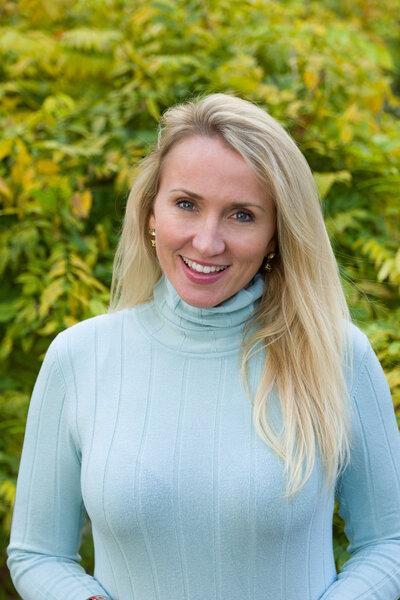
I’m Claudia von Boeselager
Longevity Coach, detail-loving educator, big-thinking entrepreneur, podcaster, mama, passionate adventurer, and health optimization activist here to help people transform their lives, and reach their highest potential! All rolled into one.
Hey there!
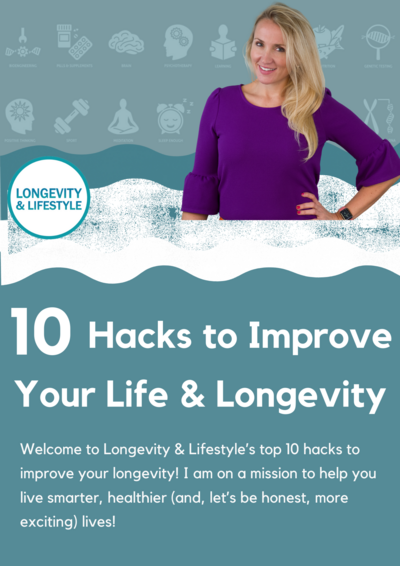
Steal Claudia's 10 Hacks to Improve Your Life & Longevity Playbook
FREE DOWNLOAD
Learn the secrets of health, lifestyle, business and finance optimization
Podcast
Top Resources
Steal My
10 Hacks to Improve Your Life & Longevity Playbook
Free guide
10 Hacks to Improve Your Life & Longevity
Want to learn how to live a smarter, healthier (and, let’s be honest, more exciting) life? Check out my free playbook with top tips just for you!
By signing up, you agree to join the Longevity & Lifestyle newsletter and to receive emails. We respect your privacy and abide by strict privacy policies.
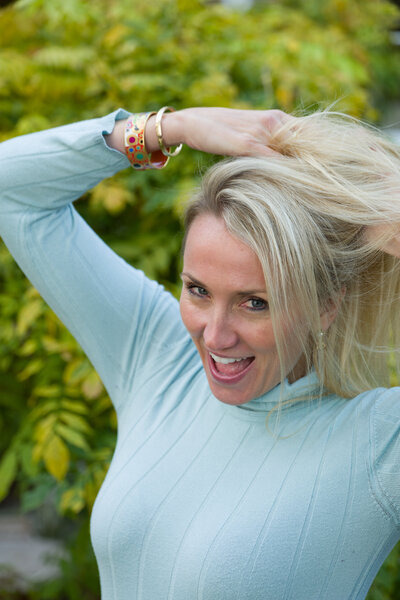


LONGEVITY & LIFESTYLE
© Longevity & Lifestyle llc 2021 | Design by Tonic | Photos by social squares, Unsplash & Rebecca Reid
SEND ME A NOTE >
GET ON THE LIST >
@longevity&lifestyle
follow along: