#232 The Moment That Changed Everything: Near-Death, Everest & Building Unbreakable Resilience With Jenn Drummond
The Longevity & Lifestyle podcast
The Longevity & Lifestyle podcast
The Longevity & Lifestyle podcast

Episode 232
Sign up for
The Longevity & Lifestyle Insider
Join Claudia's Longevity & Lifestyle Insider newsletter to get top tips, insights and strategies on optimizing your life, health and business!
By signing up, you agree to join the Longevity & Lifestyle newsletter and to receive emails. We respect your privacy and abide by strict privacy policies.
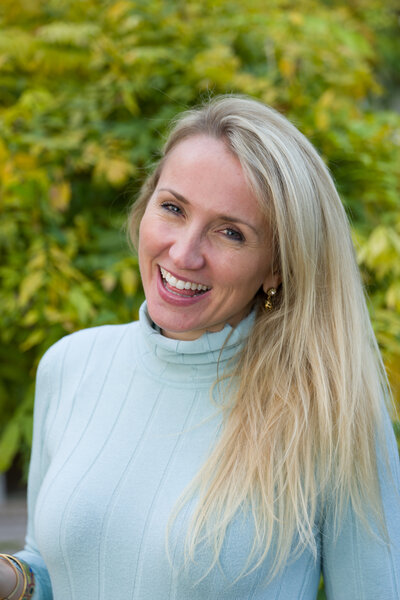

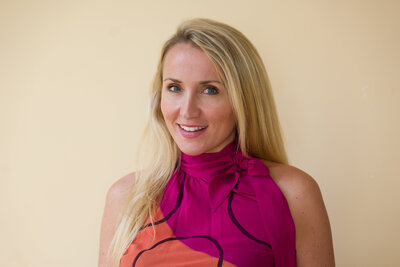
"Find something you’re proud of yourself for today and give yourself credit for that." - Jenn Drummond
In this powerful episode, world-record mountaineer, author, and resilience expert Jenn Drummond shares how surviving a near-fatal car crash became the defining line between the life she was living — and the life she chose to claim.
From promising she’d “do something significant” if she lived, to summiting Everest and completing the second-highest peaks on every continent, Jenn reveals why courage isn’t something you’re born with — it’s something you build, one brave step at a time.
We explore:
- How trauma can become a catalyst for purpose
- Why courage is trained, not innate
- The mindset that turns fear into forward motion
- What it means to shift from success to significance
- How to model resilience for your children — and yourself
This is a deeply human conversation about choosing life, rewriting identity, and climbing the inner mountains that matter most.
ABOUT THE EPISODE & OUR GUEST
Get $300 off from Oct 17 – Dec 26, 2025, with code CLAUDIA, and enjoy an ongoing $100 off afterward.
Visit carolbike.com/claudia and use code CLAUDIA at checkout.
Get 10% off your MOVE+ Pro at kineon.io/claudia
Get 10% off at calocurb.com/longevityandlifestyle with code CLAUDIA10 at checkout.
SPONSORS
Unlock peak energy, mental clarity, and long-term health.
If you’re an entrepreneur, leader, or high achiever who refuses to settle for burnout, fatigue, or suboptimal health - this is for you.
I help top performers optimize their energy, longevity, and success using science-backed strategies, biohacking, and personalized health protocols.
Book a Complimentary Peak Performance & Longevity Coaching Call
This free exploratory session will help you:
• Identify what’s holding you back from your highest potential
• Gain clarity on your energy, focus, and longevity goals
• Discover a proven framework for sustainable high performance
Spots are limited - apply now to reserve your session.
🔗 APPLY HERE
Peak Performance & Longevity Coaching Call
Show Notes
2:07 Introduction and Welcome
2:37 The Life-Changing Car Accident
4:20 Overcoming Challenges and Personal Growth
6:30 The Journey of Climbing the Second Summits
9:40 Mindset and Resilience
22:48 Daily Routines and Health Practices
30:00 Turning Success into Significance
38:00 Building Courage and Facing Fears
45:00 Leadership and Family Lessons
54:00 Final Thoughts and Closing
MORE GREAT QUOTES
“Courage is built, not born." - Jenn Drummond
“Fear shows up, but that doesn’t mean it’s a stop sign." - Jenn Drummond
Legal Disclaimer: Please note, to avoid any unnecessary headaches, Longevity & Lifestyle LLC owns the copyright in and to all content in and transcripts of The Longevity & Lifestyle Podcast, with all rights reserved, as well as the right of publicity. You are welcome to share parts of the transcript (up to 500 words) in other media (such as press articles, blogs, social media accounts, etc.) for non-commercial use which must also include attribution to “The Longevity & Lifestyle Podcast” with a link back to the longevity-and-lifestyle.com/podcast URL. It is prohibited to use any portion of the podcast content, names or images for any commercial purposes in digital or non-digital outlets to promote you or another’s products or services.
PODCAST EPISODE TRANSCRIPT
Claudia von Boeselager: Welcome to another episode of the Longevity and Lifestyle Podcast. I'm your host, Claudia von Boeselager. I'm here to uncover the groundbreaking strategies, tools, and practices from the world's pioneering experts to help you live your best and reach your fullest potential. Don't forget to subscribe to the podcast to always catch the latest episodes.
Legal Disclaimer: Please note, to avoid any unnecessary headaches, Longevity & Lifestyle LLC owns the copyright in and to all content in and transcripts of The Longevity & Lifestyle Podcast, with all rights reserved, as well as the right of publicity. You are welcome to share parts of the transcript (up to 500 words) in other media (such as press articles, blogs, social media accounts, etc.) for non-commercial use which must also include attribution to “The Longevity & Lifestyle Podcast” with a link back to the longevity-and-lifestyle.com/podcast URL. It is prohibited to use any portion of the podcast content, names or images for any commercial purposes in digital or non-digital outlets to promote you or another’s products or services.
PODCAST EPISODE TRANSCRIPT
Claudia von Boeselager (02:07)
welcome to the Longevity and Lifestyle podcast, I'm so excited to have you with us here today to share your inspiring story and your mission.
Jenn Drummond (02:13)
Well, thank you for the opportunity. I'm excited to be here.
Claudia von Boeselager (02:16)
Well, you survived and I was so impacted when I heard this, we were speaking at a conference in Dallas and your stories are so powerful. You survived the near fatal car crash and it shifted your entire direction of your life. So can you walk us through a little bit that moment and what did that moment reveal to you about who you were and who you wanted to become?
Jenn Drummond (02:37)
so when I was driving home from a nearby town and this car accident happened, it was interesting because like I almost watched it happen in slow motion. And then externally, life was going really, really fast and internally life slowed down. It was.
Claudia von Boeselager (02:52)
Was it like an out
of body experience, Jen? Like I'm curious.
Jenn Drummond (02:55)
I know people ask if it was out of body. It was actually really in body, but bigger than body. Does that make sense? I don't feel like I was levitating above the experience. I felt like I was very grounded in the experience and very much aware of everything that was going on, but hyper-focused on, I want to live. Please, whatever I need to do to live, I do not want to be paralyzed.
Claudia von Boeselager (03:00)
Mm-hmm. Mm-hmm.
Jenn Drummond (03:21)
It was amazing to me how fast the accident went and how long it felt it went.
Claudia von Boeselager (03:26)
Wow, and I'm getting chills. Like
it's like you were the observer and the participant at the same time. Wow.
Jenn Drummond (03:31)
Participant, yeah, yeah, it was
interesting to play both sides. And so when the car ended upside down in the median, I like was hanging there and somebody was yelling, are you okay? Are you okay? And then he peeled the windshield back and we connected eyes and he's like, are you okay? And I looked at him and I thought, I must not be because no one looks at you like that if you're okay.
And so I closed my eyes and I wiggled my fingers and toes. I said, I can feel my fingers and toes. I can feel my fingers and toes. He's like, if you can feel your fingers and toes, you're gonna be okay. And I share that story because I think a lot of times as we live our lives, we look externally to see if we're okay. And truthfully, we're the only ones that get to decide that, right?
Claudia von Boeselager (04:19)
100%.
Jenn Drummond (04:19)
And so now like any time in my life where it gets overwhelming or going too fast or things just feel like blah, I close my eyes and I wiggle my fingers and toes and I get back to me and I'm like, okay, that's a narrative that I can continue or I can start somewhere else and write it to I'm in the power position versus the victim. And so this person sat with me and the ambulance came, they had to pull me out of the car through the windshield. I go to the hospital, they run every test under the sun and
I go home the same day, which is unheard of. If you saw the car, you'd be bananas because really the cops called a few weeks later to get a little more detail on what happened because it is an area that's had a few accidents. So they're trying to make it safer. And they said, we've rebuilt this accident 50 different ways and do not have a single scenario where you live, let alone walked away. Right? Which
Claudia von Boeselager (05:10)
Get each other.
Jenn Drummond (05:12)
And what I skipped over briefly though, is like right when I saw the car colliding with the semi truck, I was like, please God, let me live. if I do, promise I'll do something significant with my life. And so here I am, I get that call from the police officer and I'm like, now what's significant? Like, what am I gonna even do? Like, who was I saying that? Like how am I gonna live up to this promise that I made because I was allowed to live. And the accident for me really became a line in the sand.
of Jen before the crash and Jen after the crash. And I think as humans, we have that opportunity many times in our lives to draw that line in the sand. can be like the new year, it can be your birthday, it can be a job loss, a divorce, a child launches out of your home. There's a lot of spots that we can say, okay, here's the line, here's who I was and here's who I wanna be. And that was a defining experience in my life for sure.
Claudia von Boeselager (06:03)
Wow. I mean, so incredible. And the fact that you literally left the hospital the same day. mean, and I've seen an image to your audience of the car from your presentation. I mean, it was beyond total. I mean, you hit a truck, right? So Jen, many people have wake up calls and I love the analogy as well that like, you the universe, whatever you believe in, right, will whisper at you. If you don't listen, it might.
speak to you, it'll start shouting at you and it'll hit you with a Mack truck literally if you're not paying attention. What were some of the things you think you were maybe not paying attention to where you maybe missed the signs before that made you wake up to and reshift focus and became your mission thereafter?
Jenn Drummond (06:30)
Literally.
Yeah, so I lived by this lie that was when my kids launch, I'll get back to me. like, have seven children, I'm a busy mom, I wanna be like the best mom ever, and so I'm gonna say yes to everything that involves them, and anything that's left over is for myself, and there was never anything left over, like never. And after that car accident, I realized,
that all the good deeds I do, no one's standing next to me when it's my time to check out and say, well, she helped here. She did this. She did whatever. Right. It's like, did you come and live your life and your truth? And I was hiding under my children, which is a very honorable thing to do in our country and probably other places in the world. And so it was a big thing of, man, if I wasn't looking for external validation, what would I be doing for me?
And I'm demonstrating what it means to be a mom. And so my kids are watching me and what I want my kids to have my life. And my answer was no, I don't want them to put themselves on hold and wait till their kids got older and then maybe get to themselves. And so I thought, well, I need to start doing things that make me feel alive, that give them permission to do things that make them feel alive. And so,
In 2019, I started this master bucket list of things to do before you die. And on that, I mean, that list is a constant changing sheet of paper for me. But it was everything from swim with whale sharks and taste pasta in Italy and climb a mountain and swim in the Great Barrier Reef or just things that I'm like, oh, this planet's a playground. And I want to go experience it before my time checks out.
Claudia von Boeselager (08:28)
love that this planet is a playground and that's a beautiful analogy. And I love one of the things that I try to practice more is play. I think we all take ourselves far too serious and we're all so struggling and this is a reforming A type here, right? So, you know, worried about being perfect or not perfect enough as well. And it's like, doesn't even matter. Let's just play, have fun and see the world as a playground. So that's so beautiful. And I love that analogy. And so you mentioned one of the things on your
list was climb a mountain. However, identity, I guess, did you shed to become the woman who summited the second seven highest peaks? And I want to unpack this so that people understand and appreciate how much tougher this is than the original, the actual seven peaks. And you did Everest as a warm up, right? So and earned the Guinness Book of World Record in the process. what did you need to become to not just
Jenn Drummond (09:05)
Yes.
Yes.
Claudia von Boeselager (09:19)
have a bucket list and see the world as your playground, but take it to that level of doing something so extraordinary and so remarkable as a mother of seven, which is already in and of itself incredible. Can you walk us through a bit that journey of unshedding the layers, the stories to step up into that level that was needed? And can you walk us through that decision to take on that challenge?
Jenn Drummond (09:44)
Yeah, yeah, so here's what I did. I made this huge list, like I talked about, and then I decided every year I was gonna do seven things on that list because then I would get through it, right? So I had to start framing it. And so at the end of 2019, I was looking at the list and selecting things for 2020. And I'm like, I'm gonna climb a mountain because that's only gonna get harder as I get older.
So I should climb a mountain and I'm turning 40. So what a great way to celebrate that next decade of life is to rise to meet it and all those things. And I mean, I had never slept in a tent. My idea of roughing it was a hotel without room service. So, you know, my idea of climbing a mountain is the one in my backyard that I get to go do. And, you know, I mean, we have mountains in Park City. People call them Park City Mountain Resort. Like this counts as a mountain. And I asked some of my friends, I'm like, hey, if you could climb one mountain in the whole world, what would you climb?
Claudia von Boeselager (10:23)
You
Sure.
Jenn Drummond (10:38)
And they mentioned this mountain in Nepal called Amadablam. And I was sold on it because it was the Paramount Pictures logo. And so every time I went to a movie with my kids, I could be like, I climbed that mountain and how cool is that? And Nepal was on my list. So it was kind of checking two boxes with one pursuit. I'm like, okay, this is cool. And if we remember back in 2020, this little thing called COVID.
entered the scene. And so now I'm not going any exotic places. I'm homeschooling seven children because the school system shut down. And one of my guys was struggling with his math homework. And, you know, we have this parent pep talk. We do hard things. Like you've got this buddy. And this little guy looks at me and he goes, mom, if we do hard things, why are you climbing a mountain called I'm a dumb blonde instead of a real one like Mount Everest? And I'm like, I'm a dumb blonde. And I couldn't get it at first. I'm like, I'm a dumb blonde.
Claudia von Boeselager (11:20)
Hahaha
Jenn Drummond (11:27)
I'm a de Blom, honey. Not I'm a de Blom, but thank you. So I think like God is funny or the universe is funny when you want it to be, right? And so he's like, you should climb Everest. He's like, finish your homework, we'll look at Everest. So we finished the homework, we looked at Everest and he went to bed and I'm like, you know what? I'm gonna climb Everest. I'm gonna show him whatever our Everest is we're capable of summiting. And it kind of felt appropriate because I told
the universe, I was going to do something significant in this car accident and Everest felt pretty significant. So then I'm like, well, then I checked that off my list and I don't have that hanging over me anymore. And so I call this coach and he's like, yes, I can get you ready. Cause I used to be an athlete. So I had the fitness background. I just didn't have the skillset background, like the technical piece. And then he told me to buy this book about becoming an uphill athlete to work on those skills.
and that book came in and there was a story of a lady who got a Guinness World Record. And man, oh man, why did I have to read that? But I did and the only book my kids will read cover to cover is Guinness World Record books. So for some reason I was in a mood and I'm like, if I got in that book, I'd be a cool mom. Again, external, who cares if you're a cool mom? Do you like yourself or not? Jen, come on, get back to you. But I cared if I was a cool mom.
and homeschooling was not making that pursuit easy. And so my coach, like I was venting to him about it he's like, I'm gonna come up with a world record for you. And he came up with the seven second summits, which were perfect because I didn't know what they were. I'm like, what? But yeah, I'm like seconds easier than the first. I'm like, okay. And he's like, well, no woman has done them. So he'd be the first woman to do it. He said on your list is you wanted to visit every continent.
Claudia von Boeselager (13:01)
Like it must be easier than the first, right? But little did you know.
Jenn Drummond (13:14)
So now you get to check that, you know, seven continents, get seven things off my list. you know, like just all these things kind of lined up. And then he got me with this statement. goes, Jen, seven continents, seven mountains, you have seven children. It's a jackpot. And for some reason, like that statement was like a whole body yes. I'm like, what? And so I said, okay, fine, let's look at it. And I came home and I talked to my kids about it.
and they were whole body yeses and claiming continents. So it's like, mom, I want you to climb Africa and I'm gonna be responsible for Africa and I'm responsible for Antarctica and all this stuff. So all of a sudden, my accountability partners equated their pursuit with love. And if I wanted to be a good mom, I loved you and I was gonna climb your mountain. And all of it fed into this thing, which put me on a journey of a lifetime. And I like still pinch myself that it's my story.
Claudia von Boeselager (14:06)
It's so incredible. And it's not that you were 22 trying to do this, right? I mean, after having seven kids in COVID, homeschooling, and then coming up with this incredible idea. And I would love, Jen, for you to share why the second summits are even more complicated than the first. And I started reading your book with my two girls as well. You're such an inspiration, but I think it's so important just for people to appreciate because they're like, oh, it's only the second one. It's fine.
Jenn Drummond (14:10)
Raise 40!
Yeah, I think so.
Yeah, no, I
know. We always think of second as like second place, right? But when it comes to mountains, you have the highest, right? But the highest don't technically mean they're the hardest. So Everest is the tallest mountain in the world. K2 is the second tallest mountain in the world. K2 is notoriously harder than Everest.
National Geographic has been quoted as calling it the savage mountain that tries to kill you while you're climbing it. And it just has climbing features and technical aspects. So for the seconds, a lot of times it's more difficult to get to because they don't have all the infrastructure to climb it because most people aren't as interested, though it is growing in more popularity now. They are, whatever, steeper than the highest points. have like
obstacles on them that the highest points don't have. The interesting thing about climbing the highest, because I'm in the process of doing that, just to know firsthand that these are harder, is the highest are all hikes. So you just, you have long hikes. When you do the seconds, like I had to ice climb in sections, I had a rock climb, I had to ski, I had to learn so many different skills to be able to complete the pursuit. So that's been really interesting.
Claudia von Boeselager (15:42)
people kind of appreciate that, you, in your book, obviously you depict it really well. And I think it's that resilience. And I want to talk about mindset here because that inner narrative, and I'm sure, you you must've had so many moments of like, what am I doing? Like, why am I doing this? I'm risking my life. You're up on a mountain. It's you against the elements. ⁓
Jenn Drummond (16:01)
And I'm paying, I'm paying to risk my life and
I'm up on a mountain. I could be paying to be in the Caribbean at a beach. Like that was the hardest part.
Claudia von Boeselager (16:06)
Exactly.
What is that mindset? What is that inner narrative? And people set goals all the time and they don't fulfill them. So what can you help people to understand and learn from your experience?
Jenn Drummond (16:18)
Yeah.
So I think when you set goals, it's really important to have the why for yourself, but then to also make the why bigger than you and for other people. Because I think we'll let ourselves down. You know, I mean, put a bowl of &Ms in your kitchen and you might stop by and eat them a few times, right? But if eating that hurt somebody else, we wouldn't eat it. You know, it's just, it's interesting like that. So for me, what happened very early on in the journey,
was I went to Kenya Kenya has Mount Kenya, which is the second highest point in Africa. women don't have the same rights that we do in the United States. And I learned about period poverty and how these women wouldn't go to school for a week because they'd have their period and then all these things that you didn't even know exist because I live in this little bubble in Park City, Utah. And so then I met some of these women and they would...
die for the position I was in, right? mean, like, just trade spots with me was a tangible, feelable thing. And so all of a sudden, I wasn't climbing for me. I was climbing for progress. Like, hey, when you take the next step, when you do the next thing, like possibility opens up. And so, you my grandma wouldn't have been able to climb this mountain if this pursuit came in her timeframe. So whatever she did, and then my mom did,
to position this globe for me to be in this position right now, I'm forever grateful. These women are able to do things that they don't even know the ripple effects of, but the important point is to take the step. And so when I was climbing that mountain, it wasn't even about me. It was about showing them like, we have to go into the unknown. We have to challenge the stereotypes. We have to like, that's what it looks like is struggle and confusion and doubt and like.
questioning your sanity. like, you know, and so for me, anytime it got hard on all those mountains, I could come back to these individuals that I met in these different locations and I was climbing for them. And then it was like, I'll take the next step all day long.
Claudia von Boeselager (18:18)
Beautiful. Yeah, I think it's really having that purpose that is bigger than self for greater humanity. And then that's the motivation to keep going, to take the step, to get out of bed early in the morning, whatever it might be for somebody listening as well. So, so powerful. Jen, you've also said that courage is built, not born, which I love. Can you share a little bit more about that concept?
Let's unpack that a bit and maybe what's the single most powerful way someone can start building courage today.
Jenn Drummond (18:48)
Yeah, so when I decided to do this pursuit, I was unfamiliar with all the skills that were needed to complete the pursuit. And so we started making lists of things I needed to get better at. And one of them was rock climbing, because I had never rock climbed before. So I went to the climbing gym, I hired a coach, and we did all like the warm up stuff. And then he's like, well, let's get you on the wall and see how well you do. So I start climbing on this wall, and no joke, 10 feet up.
Like 10 feet, no, like 10 feet, okay? I start shaking, my palms are sweating, my vision tunnels, my heart, I swear is gonna come out of my chest. I look down at my climbing guide mortified and he looks up at me and he gives me the little finger like to wiggle, know, come on down off this wall. So I come off the wall, I'm like ready to vomit and I look at him like, what just happened? He goes,
I think you have a fear of heights. A fear of heights? I can't have a fear of heights? I need to climb 29,000 vertical feet. How can I be scared at 10? Like this isn't an option. And I was just mortified. Cause I was thinking of all the people that knew that I was doing this thing. And I'm gonna have to go back and tell them like, just kidding. I got scared at 10 feet. This isn't gonna work. And I mean, I just couldn't even sit with myself. And I looked at my coach, I'm like,
What are we going to do? And he looks back at me and he goes, well, we're going to have to do exposure therapy. I'm like, exposure therapy? He's like, yeah. I'm like, well, what does that look like? And he's like, well, you're going to climb on that wall. You're going to feel the fear. You're going to go one hand hold higher. And then you're able to climb all the way off the wall, get a drink, reset. And then we're going to go back on that wall. And we're going to keep trying to get one hand hold higher until you work it out of you.
And for me, that was like the biggest aha moment that Courage has built because I didn't have it. It was not a downloaded app in my body. It was something that I had to figure out how to create and then use and then go. so I think any of us that are doing something scary, stepping on stage, for me, when I had to drive a car the first time after the car accident,
Right? Like being able to turn that ignition key and say, okay, we're going to Fear shows up, but that doesn't mean it's a stop sign. That means, okay, maybe we need to slow down a little bit or pause, but taking that next step is where our power is found.
Claudia von Boeselager (21:16)
beautifully said and a mentor told me once that actually what you fear most is the door you need to go through because the gold is on the other side and it's opportunity for growth as well. And it's just, we're trained to think where it's all about comforts, but the more we can live outside our comfort zone. Years ago, a mentor he's like, do you get out of your comfort zone every day? And I'm like, I get out of my comfort zone once week, I'm already happy, but I really appreciate these little analogies and you're
Jenn Drummond (21:25)
It truly is.
Claudia von Boeselager (21:43)
living proof of this, like overcoming all your issues and challenges and fears and just keep going, keep going. And I think that's just such an important message for everyone listening to your work and to what you have to say.
Jenn Drummond (21:56)
And like friends that are listening, understand that this isn't a calm, peaceful dance with fear, right? When I had to cross these crevasses on Everest, where you cross them by going on a metal ladder, before I would cross them, I would scream bloody murder like, Because I just had to get that energy out of my body to like calm down enough to take that next step. So understand that
Claudia von Boeselager (22:02)
Thank
Jenn Drummond (22:24)
it's gonna look different on you than it does on me and in different circumstances. And whatever you need to do to get that out, get it out and keep going.
Claudia von Boeselager (22:32)
Yeah, that shouting, screaming, shaking it off. think I love looking at, you know, to wild animals, right? Something happens or even my dog, right? Like, you know, something naughty and then she just like shakes it off and she's like, Okay, I'm fine again. Off she goes happy, happy.
Jenn Drummond (22:38)
Yes, they straight!
I know.
I know. I'm like, they teach us so much.
Claudia von Boeselager (22:46)
we can learn so much from nature, right? So, Jen, one study shows that we underestimate our abilities by 30 % and overestimate obstacles by 50%. How did you learn to flip that ratio on the mountain and in business as well? Because you have to make decisions in the moment, being on the mountain, you're exposed to the elements, you don't have a pause button, essentially.
Jenn Drummond (23:10)
Right, right. Well, I think first you make the decision to do the thing and then your next decision makes it right. So you can never hit 100%, but that's okay. Most success is, it's amazing. My soccer coach taught me this once. So I was playing soccer and I wanted to go play in college. And so we were really working on my game and I was always trying to set up this perfect shot, right?
I knew how it looked, I knew how it felt, I knew how it sound, and it was like my favorite thing in the whole world. I was so addicted to it, but it was so hard to set up in a game and the ball, I would not, I barely get any goals. And so finally my coach pulled me aside and he goes, Drummond, listen, get the ball in the net. No one cares what the ball looks like going into the net or what it sounds like or whatever else like that. They care about the score. So he's like, you could do me a favor and just get the ball in the net. He goes, after you get the ball in the net three times,
then you can take all the time you want to set up your perfect little goal that you have this vision of. And I'm like, okay, fine. So I literally like, it would hit my shin and go in, it would hit like my head, like whatever, I didn't care, I just needed it to get in the net and then I could play the game that I wanted to play. I think a lot of us forget like, let it be sloppy, let it be messy, like get the ball in the net. And then once you have that lead, now you can make it pretty or do whatever you want. And that works in business too.
Like when I was starting, I had this idea of what a perfect client was, and then I would pass over all the clients that were right in front of me. And finally I was like, well, I'm just gonna help the people right here. And then when I have a strong enough base, now I have breathing room to really go after who I want. But if I'm starving, I'm gonna eat different than if I'm fed.
Claudia von Boeselager (24:50)
That's a really important analogy and I want to unpack that a little bit I think a lot of people go for the shiny object, that thing that is the best and they forget about the sort of basics and the foundations and also for climbing, right? If you don't have some of the foundations in place, you're not going to be able to summit, let alone maybe even survive, right, out there.
Can you share a little bit more wisdom around that about setting those foundations and taking advantage of what's in front of you now, but keeping an eye on the vision and what you're looking to do?
Jenn Drummond (25:19)
Yeah, so when I got sick on one of my climbs and messed up my gut biome. And so I had to work with a nutritionist to help build all of that back because your gut biome, as you know, is so important to all aspects of your life. And so when I was working with this nutritionist, she told me, she's like, Jen, I need you to think about it. You eat healthy when you've managed how you've been eating during the day.
But if life got ahead of you and all of sudden you're going into the kitchen and you're starving, you're gonna grab whatever is easy and convenient and sacrifice who you are. And so she's like, you would never pour yourself a bowl of fruity pebbles if you were eating healthy, but because it's the quickest thing to get in your body, you're gonna eat it and then you feel like garbage after. And so it was very interesting to say like when we come to the table full.
So I ate hard boiled eggs for breakfast or salad for lunch or whatever, and I get a little hungry. I have space to make something to keep me on path. If I don't take care of the little things in front of me, then all of a sudden I become desperate and I make decisions that aren't from a place of fullness, they come from a place of lack. And so when you're navigating your own life and you're making decisions, it's really helpful to check in every once in a while and be like, am I making this decision because I'm full?
Or am I making this decision from a place of lack and what could I be doing better to align with who I want to be and how I want to show up and the decisions I want to make. And so I think it's just being very self-aware and then building your life. And I mean, it's a work in progress. It's never perfect.
Claudia von Boeselager (26:51)
So people perhaps listening that might be struggling in life, whatever area it might be, financially, in business, in relationships or whatever, what are some messages or words of encouragement you would let them know to be able to build their way out of it?
Jenn Drummond (27:05)
you know, I think there's a few components to this. So when I first started climbing Everest, I didn't know anybody that climbed Everest, like zero people. And so it felt like this huge impossible, I'm never gonna get there type of thing. And when I hired a coach, which I think is just so helpful in everything we do in life, he introduced me to people that climbed Everest.
And so then all of a sudden I could go out to dinner with those people that climbed Everest and I could like learn from them and go on hikes with them and I could compare myself to them and I could kind of be like, okay, well, if that person climbed Everest, I can climb Everest, we're good, right? And so if you're trying to do this new thing, like manage your finances better or have a better relationship, look at your environment, right? My friends are all happily married. I had a group of friends that were not,
I'm like, man, I'm gonna be the next person in this lineup because this is how they talk and this is how they act. I don't wanna be that person. I need to shift to I'm hanging out with. So it is, who are you spending time Like what are you ingesting? Not only from people, but from social media and from like your family patterns and different things like that. And just getting really honest. But I think environment trumps willpower all the time. And so your environment is the people you surround yourself with.
It's the physical environment that you have. It's the mental environment that you have. And just keeping that clean and where you want to be versus where you are. And eventually you get to that location.
Claudia von Boeselager (28:31)
Really powerful. Yeah, there's the expression that you are the average of the five people you spend the most time with. And obviously, you know, if you have children, et cetera, it's almost like you have to kind of cut that a little bit and just look at the other people that you are letting in. But I also agree, I mean, with media, et cetera, they say if it bleeds, it leads, right? That's how media is based. So it's sensational. It's going to trigger cortisol. It's going to trigger the fight or flight. So how do you find that inner balance to be the thermostat and not the thermometer in your life?
Jenn Drummond (28:36)
So true.
Yeah, you know what? Climb
mountains because there's no Wi-Fi to buy anything. So there you go. So like if you're just like every time we could tell when I've been on a mountain climbing because it's like, wow, there's nothing being purchased in this household right now. Yeah, right. Poor Amazon, poor trucking industry, poor recycle industry. I mean, like the whole thing.
Claudia von Boeselager (28:59)
Yeah.
Yeah.
There's no Amazon deliveries today. Oh, okay. He's away.
You talk about turning success into significance. What does significance mean to you now? And how did that definition evolve, Jen, over time?
Jenn Drummond (29:20)
Mm-hmm.
me, success was a very selfish journey in the beginning. It was like, okay, I made this money or I have this house or I have this car or whatever that was. And then after you have enough houses, cars and artwork and all the things, you're like, okay, well, what do I do with all this stuff except manage it? And so that gets really hollow fast. And when you turn that success into significance, which is legacy,
or empowering others or doing things that leave a mark beyond yourself, that's where it just becomes this whole new layer of fulfillment and you're not chasing the next thing, right? Like I noticed for a while, even when I was in the mountains and I'm an adult, so it shows up to, I mean, this is whack-a-mole in my life, like throughout every decade I've been in, but you you climb them out and you're like, okay, now I wanna climb the next one, now I wanna climb the next one. And eventually there's always gonna be another mountain.
And so you have to change your perspective on what that is. And now it's, I'm gonna go climb a mountain in April and I'm bringing my three sons. So yes, it's not gonna go as fast. Yes, it's not gonna be as efficient, all those things, but I get that memory with them. I get to watch them have the success. I get to train with them. So selfishly I'm doing it because they're gonna leave my house soon and I wanna spend time with them. And the only way they'll do that is if we do something cool together.
it's just being aware of that all the time. And where is your energy coming from? Is your energy coming from just a success place? And if it is, can you pause for a second and figure out how to make it significant? So for example, I didn't even, I didn't start this way. I wish I could claim that I did, but.
when I was going to climb in Kenya, the only reason why I learned about this period poverty is because of somebody else. And so when somebody else told me about it, I'm like, how cool. They're like, yeah, you should go over there and climb and then have it be a charity project as part of your climb. Yeah, 100 % I should. Like, thank you for the great idea. And so then after that, every climb after had some kind of charitable note to it that I never thought of in the beginning.
but then it made these climbs like so much more fun and rewarding and that's where I think that goes from success to significance.
Claudia von Boeselager (31:38)
Beautiful and how did you pick your charities just out of curiosity maybe thereafter?
Jenn Drummond (31:43)
I'm big into mamas. So anything that has to do with mamas, I'm big into outdoors and I'm big into health. So those are kind of my things in different areas. If somebody was willing to lead the charge and help, then I was like, okay, that makes it easy. So easy was kind of a factor too.
Claudia von Boeselager (34:09)
And as you were saying as well, with your kids now you're going to be doing the hike, but what are some of the biggest, what's the right word? it impact or inspiration that you've gifted your children, all seven of them, in doing what you've done? What have you found has been the most inspirational part of it for them?
Jenn Drummond (34:28)
Yeah, you know, I think when you live your life from this place of awe and excitement and thrill and just like can't believe this life is yours. So gratitude exploding out of your body. All of a sudden your kids are like, well, I want that feeling. And how do I find that feeling for me? And so it's really elevated our whole family. It's also pretty cute when your daughter has friends over and the kids will be like, your mom's the one that climbed Mount Everest.
Claudia von Boeselager (34:41)
Yeah.
Jenn Drummond (34:56)
And my girls are like, yeah. And they're like, that's so cool. And my girls will say, well, she'll take us someday if we want to go too, right? And I'm like, yes, we will girls, let's go. And so it's just fun because I didn't think of it like that, but they're open to it. They know.
Claudia von Boeselager (35:15)
Like you said before, Jen, you've blazed the trail, right? You've made it possible that it's not impossible, essentially. They're like, well, if she did it, right, then I guess we can too. And so it's being the role model, it's being the example and living to your highest potential and purpose that in your case, unfortunately, you took a car accident awaken. But for other people, it's just listening to those whispers and believing in yourself, right? And stepping up and just...
Jenn Drummond (35:27)
Yeah!
Claudia von Boeselager (35:41)
doing those audacious things and out of your comfort zone, whatever that might be for each individual person, right?
Jenn Drummond (35:46)
Yeah, right. No, and it was super fun because when I was bad at climbing, like, and I was bad at climbing, not zero questions asked, on the wall, would... Yeah, no, my kids are bananas, but my kids were so good at it in the beginning. And so I would take them down there with me and they would see me be bad at something. And that really helps our relationship too, because so much of the stuff that we do with our kids, you know, we've done for...
Claudia von Boeselager (35:50)
You mean on the wall? mean, 10 feet sounds kind of high on a climbing wall. Like I've been to climbing walls. like, my nine-year-old now, she's like a monkey. She can climb up. She can hang on one arm. Yeah.
Jenn Drummond (36:14)
40 years and they've done for five or 10 or whatever. And so like letting them be a part of the journey where they had a strength and I had a weakness, like really helped us in all aspects of our relationships.
Claudia von Boeselager (36:23)
Love that.
Yeah. And also that thinking big, right? I mean, I guess you guys must talk about this a lot at home. Like what's the biggest thing we can do? What's the next challenge? And then what can you do together? What's on the list? What's looking forward, Jen, that you guys are doing?
Jenn Drummond (36:34)
Yeah.
Yeah, so this year,
like 2026 is gonna be fun for us. So we have, I'm gonna take the big boys to go do Mont Blanc and Chamonix, and then I'm gonna do Kilimanjaro again. And so I'm hoping other parents want to join with their kids and we'll do like a big experience altogether because it's so fun for the kids to have people with them. And it's so fun for a parent in Africa has this enthusiasm.
Claudia von Boeselager (36:49)
Beautiful.
Mmm.
Jenn Drummond (37:05)
that you just can't put words to. And so it's a really fun memory to have as a family. So we're gonna do that and I'm hoping other people tag along.
Claudia von Boeselager (37:14)
So I might sign up. When is it? And what age group, what do they recommend? Although I remember we looked once at Mount Kilimanjaro. my younger one, was, could I be the youngest one to climb Mount Kilimanjaro? So she's totally our tribe here. I think there was a six-year-old or seven-year-old that's already climbed it from Scandinavia. Yeah, exactly. So I think at the time she'd just missed it. When you, exactly, when are you planning on doing this?
Jenn Drummond (37:16)
Woo! Perfect. We're gonna go.
She's already looking! I love it!
And of course from Scandinavia, right? Just to let you know, very on brand.
We're gonna
go the first week in August and so that we can go right before school goes back into session because that's the best time for weather. And ⁓ if you can add a couple days, it's when the animals are moving across the Serengeti. And so it's a really cool time to add that in. I'm actually, my girls are probably gonna miss like the first couple days of school. I'm like, I don't care. I want this experience, yeah.
Claudia von Boeselager (38:03)
It's worth it.
amazing. Okay. So we'll, to be continued this conversation and I might add, cause I haven't done Kilimanjaro, but Safari, Serengeti, which is absolutely stunning. And then there's Zanzibar, this beautiful island in the Indian ocean. Maybe at the end, right? I feel like that would be, yep.
Jenn Drummond (38:17)
The Spice Island. Yes, I did the
Spice Island a couple of years ago because I took some other kids to Kilimanjaro then and we had a good time. It was crazy.
Claudia von Boeselager (38:25)
Yeah, so if anyone's interested, what age group would you also recommend? ⁓
Jenn Drummond (38:29)
You know,
I kind of feel every kid's different. So one, it's knowing your child. And then two, I feel once they're 11, 12, definitely 13, they're gonna be fine. It's them being able to have the conversation with you of, my head hurts and knowing the difference between a headache and altitude sickness. That's the biggest thing.
Claudia von Boeselager (38:47)
Mm-hmm.
And what about IHT, the intermittent hypoxia training? guess they could also do beforehand, right?
Jenn Drummond (38:57)
They can, yeah. So we have a tent at our house that the kids train in or whatever. And so my kids had no problem. And the reality is you go the slow, we do the route that allows them to acclimatize as much as possible. And the summit day, you're up and down that same day. So then that's not the hard day. I mean, it's hard because you're not acclimatized, but it's not like you have to sleep at that level then. You just have to touch it and come back down.
Claudia von Boeselager (39:12)
Mm-hmm.
Okay, so this is interesting, Jen, and we're going to continue this offline. I like challenges. We've been invited to do a Murph challenge or something that's hard for us in May, so we might be doing one of those as well. Let's see. I know, right? What is a resilience myth that you believe holds people back from discovering their true strength?
Jenn Drummond (39:23)
Yes, yes, yes. ⁓
how fun!
So one of the things I talk to my kids about is being kind to ourselves Makes us stronger I think the narrative is the opposite when we do something wrong We're like berate ourselves and we're so hard on ourselves like life's hard enough You have to be your biggest cheerleader and you have to be kind to yourself because if you're kind to yourself you're more resilient and so We actually do this thing called the toothbrush talk
at our house, I learned this from the mountains because I was a victim of it. When I was brushing my teeth on the mountains, we don't have mirrors, we don't have sinks, we don't have anything, and you just sit out there and you brush your teeth and you look at the world and you're like, wow, this is such a beautiful place. And then when you come home and I went into the bathroom to brush my teeth, like in an air conditioned room and lights on and all the things, and I'm looking at myself in the mirror and I'm...
picking myself apart, I look tired, my face is breaking out, like, you know, all these terrible things that you say to yourself. And it was such a contrast to how I brushed my teeth, like, the day before, that it caught me off guard. And so then, of course, I run out into the kitchen. I'm like, guys, what do you talk about when you brush your teeth? And my kids look at me like, what do you mean? I'm like, no, I wanna know what you say, because I was just picking on myself, and I wanna know if I'm weird or if that's normal. And so I told them when I was doing like, yeah, mom, that's what we do.
Why is my bang not going this way or whatever else? I'm like, okay, we're changing that. We're have this thing called the toothbrush talk. And so we're gonna write up all the positive things about ourselves. And so while we're brushing our teeth for those two minutes, we're only allowed to say good things. Like I am strong, I train hard, I show up, I whatever. And they're like, what? I'm like, no, no, no, we are. And so when you wake up in the morning, you brush your teeth, you do it. And when you go to bed, you brush your teeth right before you go to and you do it.
And I'm telling you, makes a difference. Yeah.
Claudia von Boeselager (41:23)
I love it. It's so important.
It's that rewiring neuroplasticity, rewiring those pathways from the negative self-talk to the positive. And do you have the list of those points on the wall to not forget them so you can visualize it as well? Or how do you guys do it?
Jenn Drummond (41:28)
Yes!
So in the
beginning, we'd had to, right? Because in the beginning, it's a new process and so you need the cheat sheets and like it feels like forever and you have like toothpaste running down your face because you forget that you could just talk them in your mind but you wanna talk them while you're doing your teeth, it gets all the things. And so then eventually you get good enough at it. And so now, for example, with myself, I'll look at my calendar while I'm brushing my teeth and I will like play out, this is gonna be an amazing interview. I can't wait to connect with this person.
Claudia von Boeselager (41:44)
if ⁓
Thanks
Jenn Drummond (42:06)
I'm really ready to step on this stage today. I can't wait to see the people. So now it's like a little bit different, but in the beginning I had to have training wheels on and make it super easy.
Claudia von Boeselager (42:15)
And was very interesting. interviewed once a double Olympic athlete, so in two different sports, which, you know, it's quite rare. And it was so interesting. Exactly. It was so interesting because during the course of our conversation and some of the ⁓ self-talk analogy she was giving, I realized that she was so trained. She didn't even have a self-awareness of this, that no matter what, even if you lost by split seconds, and I mean, you're training for years and years and years for this, like one race, right?
Jenn Drummond (42:22)
course.
Claudia von Boeselager (42:43)
It's looking for the positive. What did I do well? What can I commend myself on? And I was just like, do you ever say anything negative? She was like, no, like why would one do that? And I was like, the majority of the world lives there. Yeah. Yeah. It was really like, really? Yeah. Cause she's always grown up with coaches and that positive mindset and things too. And so would you agree or would you say that one of the most important starting points is looking at that self-talk?
Jenn Drummond (42:55)
the majority of the world, FYI, you missed out on that.
Claudia von Boeselager (43:10)
and that mindset and rewiring that as a step to growing into that higher level of self.
Jenn Drummond (43:15)
Yeah, and you have to catch yourself because we're such creatures of habit. It's crazy. So I did this thing for a while. It's called a trigger meditation. And every single time I touched a doorknob, it was a stop in my life to take three deep breaths in and like pay attention to what I was doing or what I was saying or what I was thinking about. And even me, who's a trained athlete that gets all this positive reinforcement had these like negative.
conversations going on at times or different things. And only because I did this trigger meditation of opening a doorknob and being like, hey, where am I at in my head right now? Did I become more aware of it? And it's funny because I've interviewed a few Olympic athletes. We keep the ski and snowboard team in the United States is located in Park City, Utah. So it's like the only place you can run into Olympians like all the time. And so this one girl was an Olympic athlete.
Claudia von Boeselager (44:03)
You
Jenn Drummond (44:06)
And she got her master's degree while she was training for the Olympics, again, overachievers, like all the way around. And she's like, the reason why I did that is because if I had a bad day on the ski hill, I would have a good day in class. And so then I'd focus on that energy to bring it to the ski hill the next day. And if I had a good day on the ski hill and maybe class was feeling hard, I'd tap into that energy to bring it to there. So it's just being very aware of your energy, what is causing you to be the best version of yourself.
where you're not showing up as that, and then how do you borrow from the different timeframes?
Claudia von Boeselager (44:37)
Love that, yeah. And I think that's a really good point as well to borrow, to appreciate that if you're stuck, you can borrow from, like take yourself back to that moment, get into that state, that energy, right? And then use that for the current situation. So really, really powerful.
Jenn Drummond (44:49)
Yes.
Yeah,
like my kids knew we didn't ask mom for anything after the climbing wall. That was like quiet for a couple hours because mom was not in the mood to do whatever, right?
Claudia von Boeselager (44:58)
You
I love that you pushed through and then went on to win the Guinness Book of World Records for the second summit. Jane, can you share a bit more about your optimal daily and weekly and maybe even annual routines? Like, what are some non-negotiables for you now after the level that you've achieved that you know are so fundamental at showing up as your best?
Jenn Drummond (45:23)
Yeah, I'm very conscious of rest. And I don't think I was conscious of rest before. And not just like your eight hours of sleep, but having time off of not training for a climb, or having time off to like have your brain work on other things. And then also trying to be more efficient on things. I'll give like, this is a total side answer, but I make our
charitable contribution decisions in October of every year. And the reason why is because every day of every week, I get asked to donate to this, to that, to whatever. And I always like felt bad when I didn't do it. And so then it was this negative energy that didn't even have anything to do with me. Someone else asked me something that doesn't, I don't need to take negative because I said no. And so I put this boundary around it I said, hey, you know what? I make all my charitable contributions in October.
So if you wanna get back in touch with me then, that's when I evaluate everything that's going on and what I wanna give to, and I really try to focus on the areas that I live, work, and play in. so having that boundary has allowed me to say no all the other months out of the year and has given me so much energy and so much power back. And so now when I'm getting into these like...
when you're just not operating at your maximum or whatever, I'm looking at my calendar, I'm looking at my life and I'm like, where am I having a hard time saying no? And how can I batch those nos? As simple as on Friday afternoons, I give myself an hour to go through all the emails that took more time to decide on. And then that made me say, I don't wanna carry this energy into the weekend, so I'm gonna go through all of these for an hour and it's gonna be
what my gut instinct is and we're gonna rock with it and we're gonna clear it out. So that helped me during the week because when that came up, I wouldn't be back and forth in my head on it for two hours. But they go, this is a Friday task. This is a Friday task. And then when Friday came up, because I only allowed it to be an hour and I wanted inbox clean by Monday, it gave this boundary of like having to make decisions. And I think that really helps you stay at your peak performance and in the personality zone you wanna bring.
Claudia von Boeselager (47:34)
I love that. And I think also limiting that timeframe. So it's like, you're forced to make decisions and it's just trust my instinct, trust myself. And I think that self-trust is a huge piece too, that it's a muscle you build it up over time. And I loved your analogy also of, you know, being able to park things essentially to be like, come back in October, because that's the month I make the decision. And some of the things I teach on is like how to say no gracefully. And this is coming from a people pleaser where I used to embarrassingly in my twenties go to
three events in an evening and people would be annoyed. I'd come late to one. I'd be leaving early. They're like, where are you going? I'm like, I said yes to everything and no one's happy. I'm not happy. And I was just like, this is a disaster. And so it's really getting clear. And this part of what I teach on as well, like having your true North being so clear on your why. And typically it's for a greater purpose because then it becomes much easier to say no to the things that don't resonate. But I also love, and I hope people understand this as well.
Jenn Drummond (48:17)
Mmm.
Claudia von Boeselager (48:28)
to say like, well, this year I have a rule that, you I don't make decisions after 4 p.m. or whatever it might be for the relevant person for their area of difficulty or, you know, come back to me on a Friday when these are the type of tasks that I do. So it's not you, it's a rule that you have. So it's like a third party you're kind of kicking the blame to. Exactly, yeah. I've been advised that this is not possible exactly. So I think...
Jenn Drummond (48:34)
Yes, yes.
Yeah, yeah, love third party blamers, right? I'm like, my accountants said, so.
Claudia von Boeselager (48:54)
for people to have that awareness, to feel more empowered so that you can be into that peak performance. you know, obviously when you're hearing and listening to Jen here, you know that you're speaking to one of the world's top peak performance athletes and performers, I guess, in all areas of life too. So it's okay to say no, as long as it's aligned with what doesn't resonate with you and that's not aligned for you as well. So, so, so beautiful. And what are some sort of health non-negotiables for you? Like what are things that you really focus on now, obviously with the
health enthusiast audience here.
Jenn Drummond (49:24)
Yes.
Oh my God, I love it. Like you get geeked on it, right? At first it's horrible. And then all of sudden you like become addicted. I have an addictive personality so I can get addicted either way. So it's like trying to control it into positive things. I have little like silly little rules, but they're fun. So for me, I'm always starting my day with protein because if I start it with carbs, I'm a train wreck. And I also know that I'm an all or none. So I have to do 24 hour fast because
Claudia von Boeselager (49:32)
Yep. Same.
Jenn Drummond (49:52)
that's just what works for me. Like somebody dropped off donuts the other day. I'm like, I can't eat a donut. Like that's not in my wheelhouse because if I eat one donut, something opens up in my body and it wants a hundred donuts. And so it's just better off that I don't, like people can do bites of things. I'm not a biter. I'm like a full, like give me the row of Oreos. so like just knowing who you are,
Claudia von Boeselager (49:59)
You
You
Yeah.
Jenn Drummond (50:14)
Like that's how it works for me. it's, so I start with protein always and I am done eating every day by seven. And by just like that, because then if I like want something, I'm like, fine, I can have it tomorrow ⁓ after 10 a.m. But from right now, it's just not happening because that's my rule. When I go out to restaurants, I make the decision before I go to the restaurant, whether we're having dessert or not.
Because when I'm in the restaurant, I'm having dessert if I haven't made that decision before. But if I made the decision before, like tonight we're not having dessert, it's easier for me to hold that decision.
Claudia von Boeselager (50:44)
I love that. Yeah. So finding your good mindset, your place where you're going to make the right decisions, taking the decision and then carrying through and seeing that through. love that. Jen, can I ask you some rapid fire questions before we finish up today? So a belief about courage you've changed your mind about, what would that be?
Jenn Drummond (50:54)
Please. Yeah.
Courage is best borrowed first. I kind of know you could borrow it and you can borrow it from yourself, from others, from whatever, borrow it until you can manufacture it yourself.
Claudia von Boeselager (51:13)
Can you unpack that a little bit? What does it mean for you to borrow courage?
Jenn Drummond (51:17)
Yeah, so when, you know, when I'm stepping on stage and somebody just did an amazing presentation, all of a sudden, like my brain will start telling me like, well, how do we be more like that speaker? Because they did awesome and I'll start leaving like my modality or my methodology. And I'm like, no, no, no, I'm gonna borrow their energy, but put it into my system. And so I think that's really important is just to, what do you like about that person? Don't change who you are, but borrow that piece of it and integrate it into you.
Claudia von Boeselager (51:46)
What was the hardest climb of your life, metaphorical or literal?
Jenn Drummond (51:50)
of the inner mountain and I'm still climbing that inner mountain of all these little nuances and idiosyncrasies that make me me that I like question. So the external mountain definitely helps me explore my internal mountain but that inner mountain it's bigger than Everest.
Claudia von Boeselager (52:07)
What's a failure or perceived failure that became a defining gift for you?
Jenn Drummond (52:07)
You
I remember in college, I didn't get a job I applied for. And I was, I'm like, you said no to me? Like what, like what? Like I was devastated and it put me in line for another career. And like thank God, because like the entirely different lifestyle and this one's 5,000 times better than that one ever would have been.
Claudia von Boeselager (52:34)
amazing. I love it as Steve Jobs says, it's connecting the dots afterwards. Sometimes you just don't know why things happen, but you have to trust the process, right?
Jenn Drummond (52:41)
Yeah,
easier said than done. But when you have examples, you just keep those in speed dial and keep going back to them.
Claudia von Boeselager (52:47)
Exactly.
Get that little cheat sheet out again. Jen, what's your best purchase under a hundred $200 that boosts your performance?
Jenn Drummond (52:49)
Yes.
Yeah, Brack Friday sale the Whoop. You know I love? This is why I love the Whoop and I don't even wear it right now. I wore it for a short period of time because I can get addicted to all the stats and then I like whatever. But I wore it for a couple months and it allowed me to see when I do a cold plunge, it adds a stress level of four.
And so on a day that I've given a speech and maybe I've gone to socialization event or whatever, like I get amped up on that and my stress level is high, not a negative stress, but it just raises my numbers. That's not a day I should do a cold plunge on top of it. And so learning what these different modalities that I like to do and how they affected my body allowed me to plug and play them better into my life. It was like, I had a huge day that was at the office and I didn't get to exercise that much. Cold plunge is perfect.
for that day because it like helps my HRV. So for me, that tool really helped me know how my body responded to different things and allows me to better build my plan to maximize my life.
Claudia von Boeselager (53:53)
Love it. A book you recommend again and again.
Jenn Drummond (53:56)
Well, my book, I read The Seven Habits of Highly Effective People. I read that one over and over again. I know it's a classic oldie but goodie, but I get something new every time.
Claudia von Boeselager (54:06)
I love it. And let's just talk briefly about your book. What would you like people to know about your book?
Jenn Drummond (54:10)
so I wrote the book Breakproof, Seven Habits to Build Resilience and Achieve Your Life Goals. And I think everybody should read it. So that's it. Buy it, read it, enjoy it. It really takes you to the mountain adventure that I had and highlights a lesson that I learned. And when you put it in the mountain perspective, it makes it very black and white, which allows you to apply it to your life. Like one of my favorite lessons is big mountains take big teams.
A lot of times we'll set these huge goals and expect to climb them ourselves. That's not gonna happen. You get to the top of Everest because there's a thousand people involved. So if you have this huge goal and you get frustrated and you wanna start negotiating how big that was, before you start dialing it back, ask yourself if you have enough people to get to the top of the mountain.
Claudia von Boeselager (54:53)
I love that analogy. What do your seven kids teach you about leadership,
Jenn Drummond (54:57)
that it looks seven different ways, right? Like every kid needs a different type of parent. And I think every person needs a different type of leader. So even though I want to lead a certain way, I need to look at them and understand how they're gonna receive my message and deliver it so that they get it, not because that's the way I wanna deliver it. So my kids have really taught me that leadership's customized.
Claudia von Boeselager (55:00)
you
What's one word that defines your mindset today,
Jenn Drummond (55:24)
Curiosity. I'm a curious person. Like I love life and I love learning about things and being right and being wrong and all of it.
Claudia von Boeselager (55:32)
Yeah, same. And I think it's important more play and being curious and not coming as I know everything because what I've learned is the more you know, the more you realize how little you know. Right. So that eternal student constantly curious, which is obviously why I love part of what I do here. Right. And the podcast I get to learn from so many amazing people like yourself as well. So, Jen, I just want to say a huge thank you for coming on and where can people find you and follow you? Where would you like to send them? And we'll link everything in the show notes.
Jenn Drummond (55:40)
Thank you.
jendrummond.com is the best place and I'll link you to all my social media handles and things like that. If you're listening from inside the United States, if you text the word Everest to the number 33777, we'll be able to give you a free video of the Milky Way galaxy going over Everest Base Camp.
and which is super cool because anytime life gets hard or overwhelming for me, I'll look at that video and it kind of gives me perspective again and allows me to continue.
Claudia von Boeselager (56:27)
beautiful. Jen, do you have a parting thought or message, piece of advice or ask for my audience today?
Jenn Drummond (56:28)
Yay.
I ask that you find something that you're proud of yourself for today and give yourself credit for that.
Claudia von Boeselager (56:40)
Beautiful. Thank you so much for coming on. Thank you to your audience for tuning in. Such a pleasure and gift, really. So thank you for everything that you've been doing, Jen, and being such a trailblazer.
Jenn Drummond (56:50)
Thank you.
I’m Claudia von Boeselager
Longevity Coach, detail-loving educator, big-thinking entrepreneur, podcaster, mama, passionate adventurer, and health optimization activist here to help people transform their lives, and reach their highest potential! All rolled into one.
Hey there!
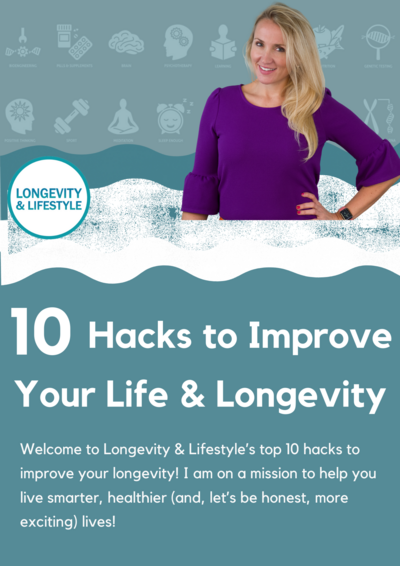
Steal Claudia's 10 Hacks to Improve Your Life & Longevity Playbook
FREE DOWNLOAD
Learn the secrets of health, lifestyle, business and finance optimization
Podcast
Top Resources

Steal My
10 Hacks to Improve Your Life & Longevity Playbook
Free guide
10 Hacks to Improve Your Life & Longevity
Want to learn how to live a smarter, healthier (and, let’s be honest, more exciting) life? Check out my free playbook with top tips just for you!
By signing up, you agree to join the Longevity & Lifestyle newsletter and to receive emails. We respect your privacy and abide by strict privacy policies.


LONGEVITY & LIFESTYLE
© Longevity & Lifestyle llc 2021 | Design by Tonic | Photos by social squares, Unsplash & Rebecca Reid
SEND ME A NOTE >
GET ON THE LIST >
@longevity&lifestyle
follow along: